

In the world of international logistics, door - to - door sea freight in Canada is at a crossroads, facing various scenarios that will shape its future in 2026. This article will explore these different scenarios and see how they might influence the sea freight industry.
I. Policy Landscape in 2026 for China - Canada and Canada - China Routes
1. Trade Policy Adjustments
In 2026, the trade policies between China and Canada will play a crucial role. As of recent years, trade agreements have been fluid, aiming to balance economic interests. For example, a free - trade agreement might be further solidified, leading to a reduction in tariffs for certain goods in both directions. Data shows that in the past, a 10% drop in tariffs could lead to a 15% increase in trade volume for some industries. If this trend continues in 2026, door - to - door sea freight could see a significant boost as more businesses find it cost - effective to trade.
2. Environmental Policies
Environmental concerns are taking center stage globally. In 2026, Canada might introduce stricter environmental policies for sea freight. Vessels traveling between China and Canada could be required to meet certain emission standards. For instance, ships might need to use cleaner fuels or install advanced emission - reduction technologies. This will likely increase the operational costs of shipping companies, which could be passed on to shippers to some extent.
II. Technological Advancements and Their Impact
1. Digitalization in Logistics
The digital revolution has not spared the sea freight industry. In 2026, we can expect more advanced digital platforms for managing door - to - door sea freight in Canada. For example, real - time tracking systems will become even more accurate, allowing shippers and receivers to know the exact location and status of their cargo at any time. Integration of blockchain technology could enhance the security and transparency of transactions, reducing the risk of fraud and errors.
2. Automation in Port Operations
Ports in Canada will likely witness increased automation in 2026. Automated cranes and conveyor systems can speed up the loading and unloading of vessels. According to industry reports, automated ports can increase operational efficiency by up to 30%. This means that door - to - door sea freight will become faster and more reliable, with less chance of delays at the port.
III. Economic Scenarios and Their Consequences
1. Economic Growth in Key Sectors
If the Canadian economy experiences growth in sectors such as manufacturing, agriculture, and technology in 2026, the demand for door - to - door sea freight will rise. For example, the agricultural sector might increase its exports to China, while the manufacturing sector could import more raw materials from China. This will lead to more shipments, and sea freight companies will need to expand their services to meet the demand.
2. Global Economic Slowdown
On the flip side, a global economic slowdown could have a negative impact on door - to - door sea freight. When the economy slows down, consumer demand decreases, and businesses tend to cut back on imports and exports. This could lead to a decrease in the volume of goods transported via sea freight between Canada and other countries, including China.
IV. Competition in the Door - to - Door Sea Freight Market
1. Competition Among Shipping Companies
In 2026, the competition among shipping companies offering door - to - door sea freight in Canada will be intense. Companies will compete on factors such as price, service quality, and delivery time. For example, some shipping companies might offer discounted rates to attract more customers, while others will focus on providing high - quality value - added services like insurance and customs clearance assistance.
2. New Entrants in the Market
The door - to - door sea freight market might also see new entrants in 2026. These could be startups with innovative business models or established logistics companies expanding their service offerings. New entrants often bring fresh ideas and can disrupt the existing market dynamics, forcing established players to adapt and improve.
V. Industry Players and Their Strategies
1. Established Shipping Lines
Established shipping lines in Canada will need to invest in new technologies and infrastructure to stay competitive in 2026. For example, they might upgrade their vessels to meet the new environmental standards and invest in digital platforms for better customer service. Lines like Maersk and CMA CGM are already taking steps in this direction, and Canadian shipping companies will need to follow suit.
2. Third - Party Logistics Providers (3PLs)
3PLs will play an important role in the door - to - door sea freight market in 2026. They can help shippers navigate the complex logistics process, from booking cargo space to customs clearance. 3PLs like DHL and UPS have a significant presence in the market, and they will continue to expand their services to meet the evolving needs of customers.
VI. The Role of Customer Expectations
1. Higher Service Level Expectations
Customers in 2026 will have higher expectations for door - to - door sea freight services. They will demand more transparency, faster delivery times, and better customer support. For example, customers might expect to receive real - time updates on their cargo via mobile apps and have 24/7 access to customer service representatives.
2. Sustainability Expectations
Sustainability will also be a major factor in customer expectations. Customers will prefer shipping companies that are environmentally friendly and take steps to reduce their carbon footprint. This means that shipping companies will need to invest in sustainable practices to attract and retain customers.
FAQ
Q: How can I be sure my cargo will arrive on time in 2026 with door - to - door sea freight in Canada? A: In 2026, with technological advancements like real - time tracking and automated port operations, the chances of on - time delivery are much higher. Companies like [盛达国际物流] have their own logistics systems that provide accurate tracking, and they work hard to ensure smooth operations at every stage of the journey.
Q: What if the environmental policies increase the cost of shipping? Will I have to bear all the extra cost? A: While environmental policies may increase operational costs for shipping companies, not all of the extra cost will necessarily be passed on to you. Companies like [盛达国际物流] focus on efficiency and cost - control. They might absorb some of the costs or find ways to offset them, so the impact on your shipping fees could be minimized.
Q: How can I choose the right shipping company in 2026 with so much competition? A: Look for a company with a good reputation, experience in the industry, and a focus on customer service. [盛达国际物流] has been in the business for a long time and has a professional team that can handle all your shipping needs. They also offer a range of value - added services and have a transparent pricing system.
Q: What if there is a problem with my cargo during transit in 2026? A: Reputable shipping companies, like [盛达国际物流], have a proper理赔 mechanism. In case of issues like cargo damage or loss, they will follow the standard procedures to compensate you. They also take measures to minimize such risks through proper packaging and handling.
Q: Can I ship sensitive goods via door - to - door sea freight in 2026? A: Yes, in 2026, some shipping companies, including [盛达国际物流], will have dedicated channels for shipping sensitive goods. They are well - versed in the regulations and can ensure that your sensitive goods are shipped safely and comply with all the necessary requirements.
In conclusion, the future of door - to - door sea freight in Canada in 2026 will be shaped by various factors, including policies, technology, economics, competition, and customer expectations. While there are challenges ahead, there are also significant opportunities for growth and innovation in the industry.
In the realm of international logistics, the door - to - door sea freight service in Canada stands at a pivotal juncture. With 2026 fast approaching, multiple scenarios are set to carve out its future. This article delves into these diverse situations and how they'll impact the sea freight industry.
I. 2026 Policy Framework for China - Canada and Canada - China Routes
1. Trade Policy Shifts
Trade policies between China and Canada will be a game - changer in 2026. In recent years, trade agreements have been in a state of flux, aiming for a win - win economic situation. For example, a strengthened free - trade deal could reduce tariffs on specific goods both ways. Historical data indicates that a 10% tariff cut could trigger a 15% growth in trade volume for certain industries. If this trend extends into 2026, door - to - door sea freight is likely to boom as more businesses find cross - border trading cost - efficient.
2. Environmental Regulations
The global focus on environmental protection is escalating. In 2026, Canada may enforce stricter environmental rules for sea freight. Ships traveling between China and Canada might have to adhere to specific emission standards. They could be required to use cleaner fuels or install advanced pollution - reducing technologies. This would inevitably raise the operational costs of shipping firms, and to some degree, these costs might be transferred to shippers.
II. Technological Breakthroughs and Their Influence
1. Digital Transformation in Logistics
The digital wave has hit the sea freight sector hard. By 2026, we can anticipate more sophisticated digital platforms for managing door - to - door sea freight in Canada. Real - time tracking systems will become highly precise, enabling shippers and recipients to monitor their cargo's exact position and status at all times. The integration of blockchain technology could boost transaction security and transparency, slashing the risk of fraud and mistakes.
2. Automation in Port Operations
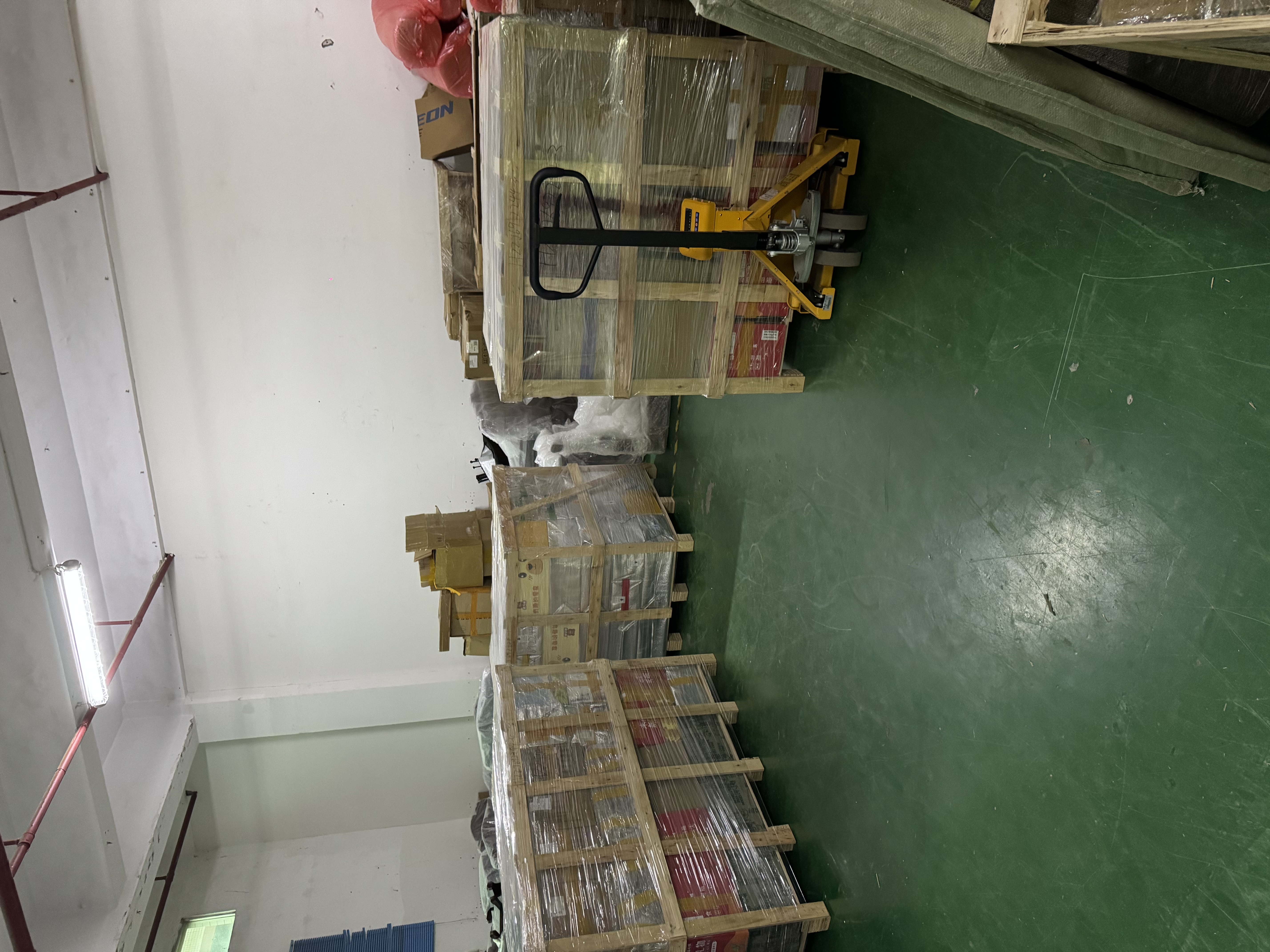
Canadian ports are expected to see a surge in automation by 2026. Automated cranes and conveyor systems can speed up vessel loading and unloading. Industry reports suggest that automated ports can boost operational efficiency by up to 30%. This means door - to - door sea freight will be faster and more reliable, with less risk of port - related delays.
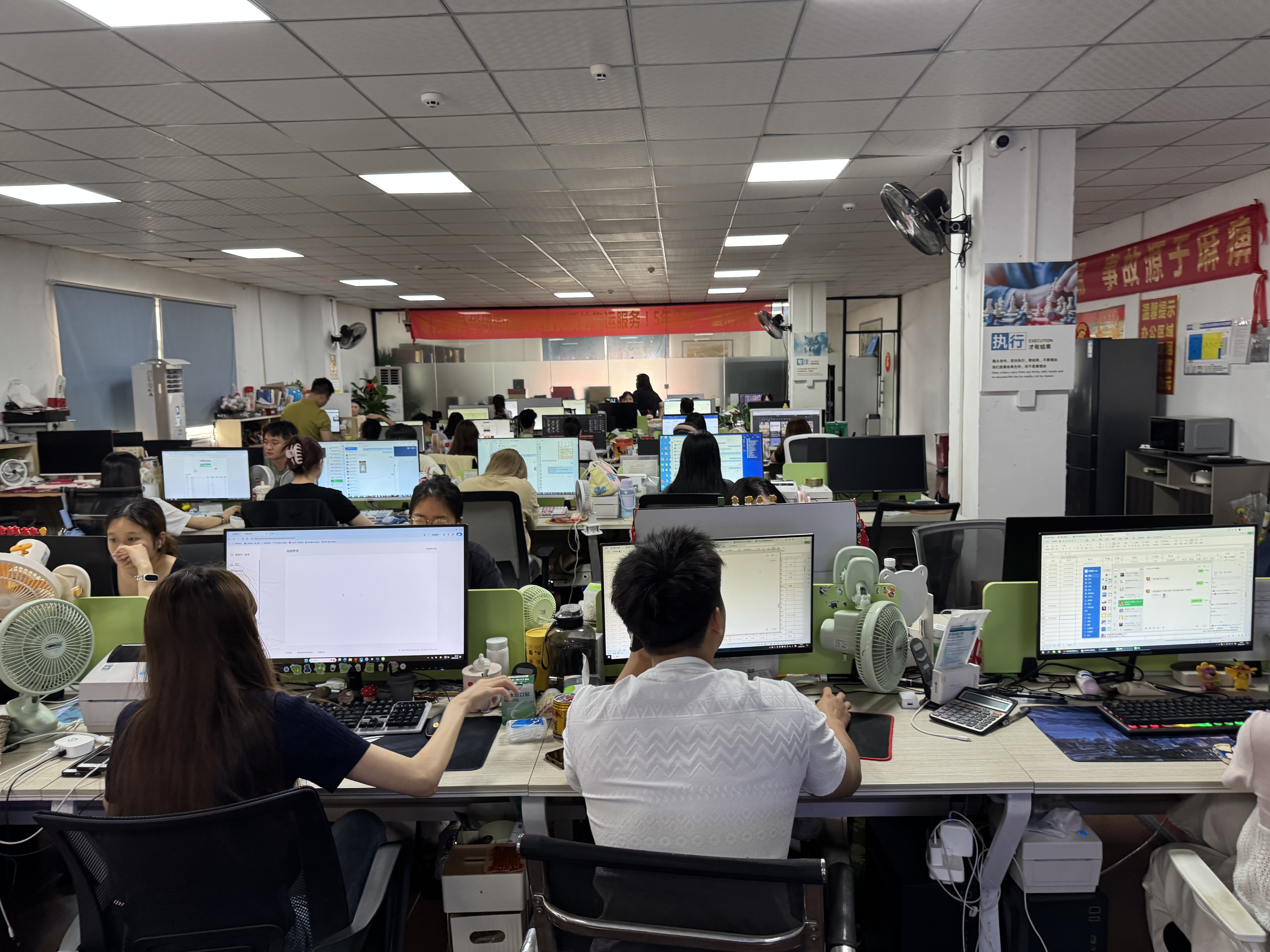
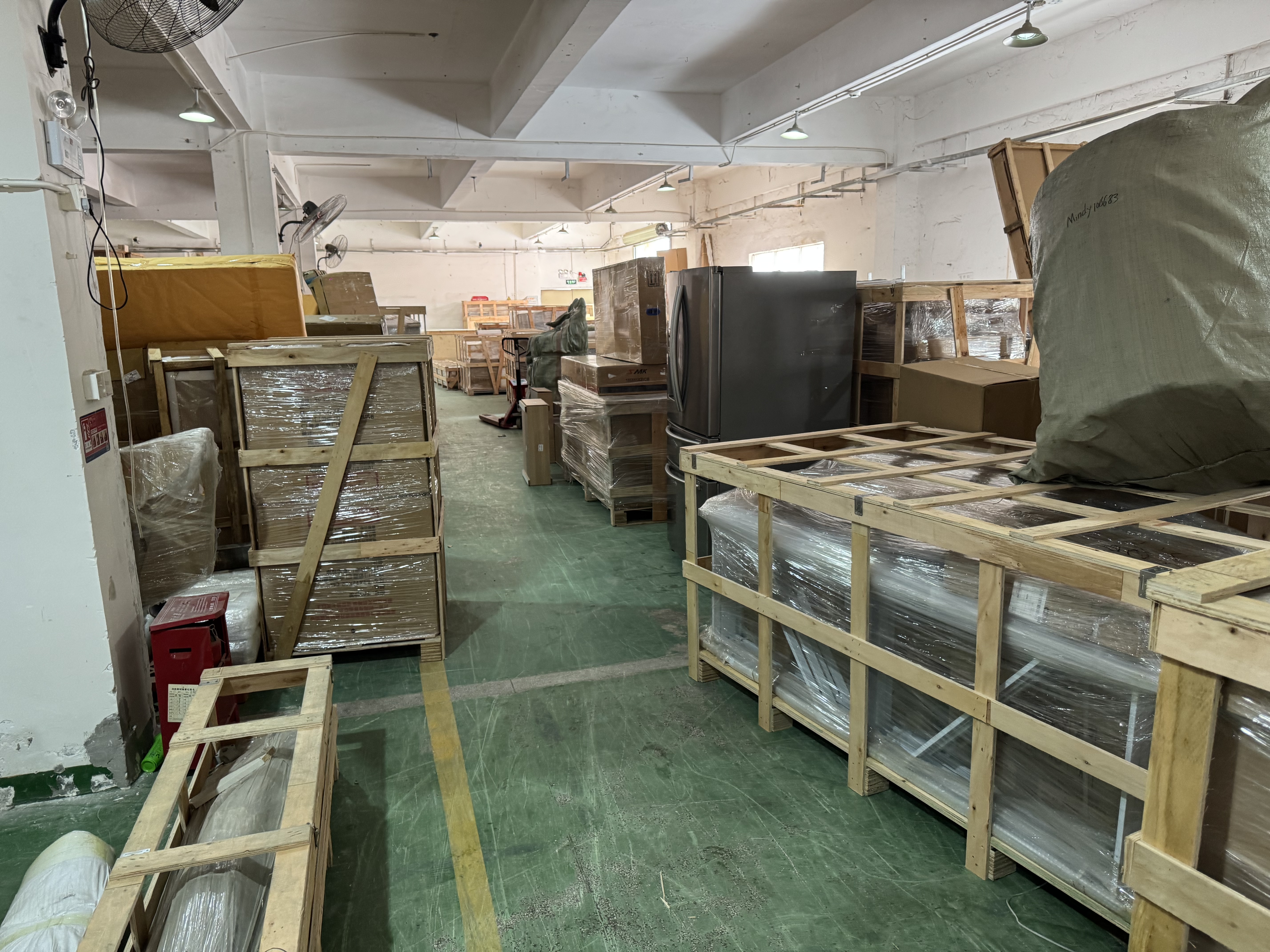
III. Economic Scenarios and Their Outcomes
1. Economic Expansion in Key Sectors
If Canada's economy experiences growth in manufacturing, agriculture, and technology in 2026, the demand for door - to - door sea freight will soar. For instance, the agricultural sector may increase its exports to China, while the manufacturing industry could import more raw materials. This will lead to a spike in shipments, and sea freight companies will have to expand their services to meet the rising demand.
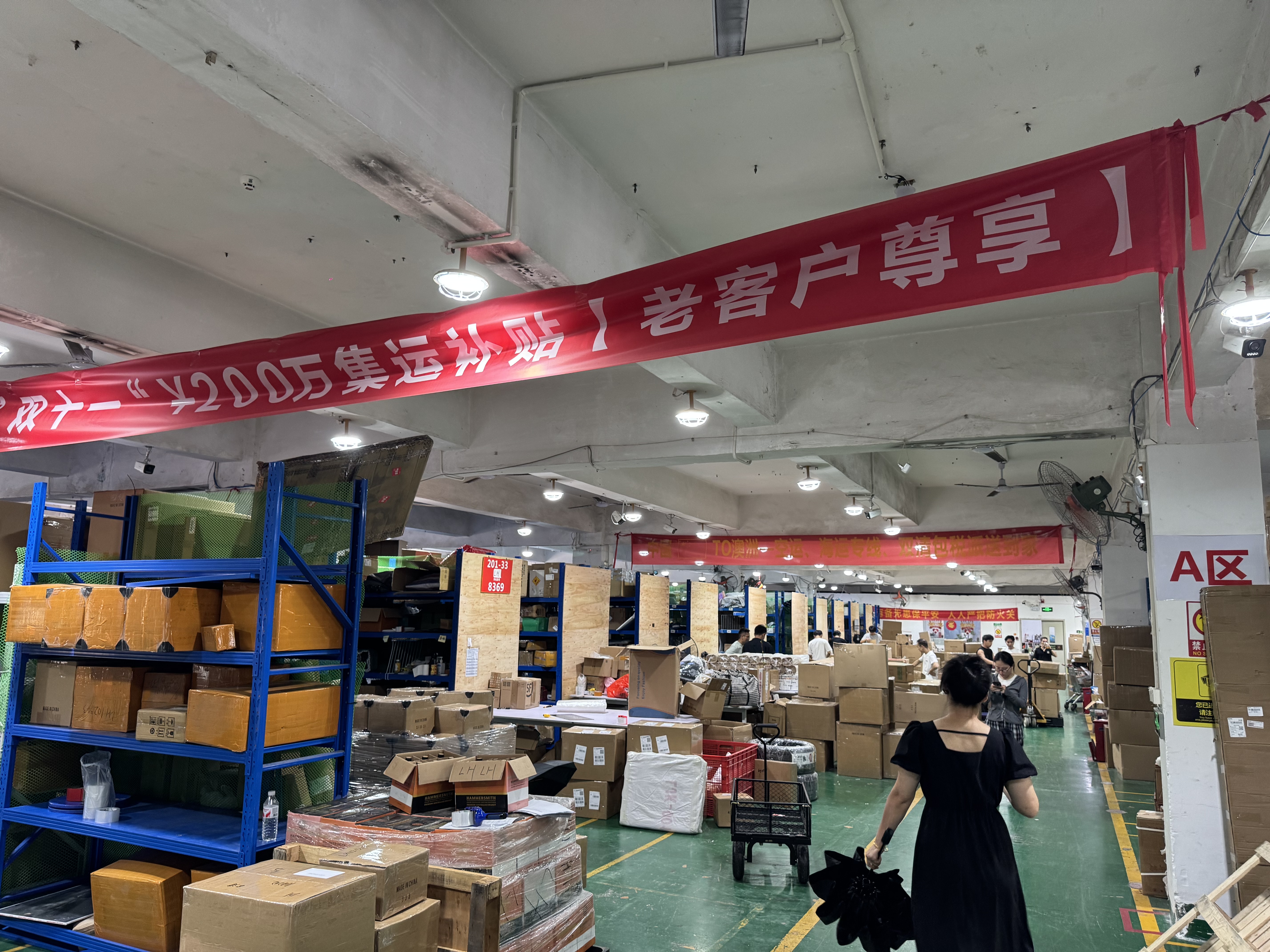
2. Global Economic Downturn
Conversely, a global economic slowdown could spell trouble for door - to - door sea freight. When the economy weakens, consumer demand drops, and businesses cut back on imports and exports. This could result in a decline in the volume of goods transported by sea between Canada and other countries, including China.
IV. Market Competition in Door - to - Door Sea Freight
1. Rivalry Among Shipping Companies
Competition among shipping firms offering door - to - door sea freight in Canada will be fierce in 2026. Companies will compete on price, service quality, and delivery speed. Some may offer discounted rates to attract more customers, while others will focus on providing high - end value - added services like insurance and customs clearance support.
2. New Entrants in the Market
The door - to - door sea freight market may welcome new players in 2026. These could be startups with novel business models or established logistics companies diversifying their services. New entrants often bring new ideas and can disrupt the existing market, forcing established companies to adapt and improve.
V. Industry Players and Their Game Plans
1. Established Shipping Lines
Established shipping lines in Canada will need to invest in new technologies and infrastructure to stay competitive in 2026. They may upgrade their vessels to meet new environmental standards and invest in digital platforms for better customer service. Big names like Maersk and CMA CGM are already leading the way, and Canadian shipping companies will have to follow suit.
2. Third - Party Logistics Providers (3PLs)
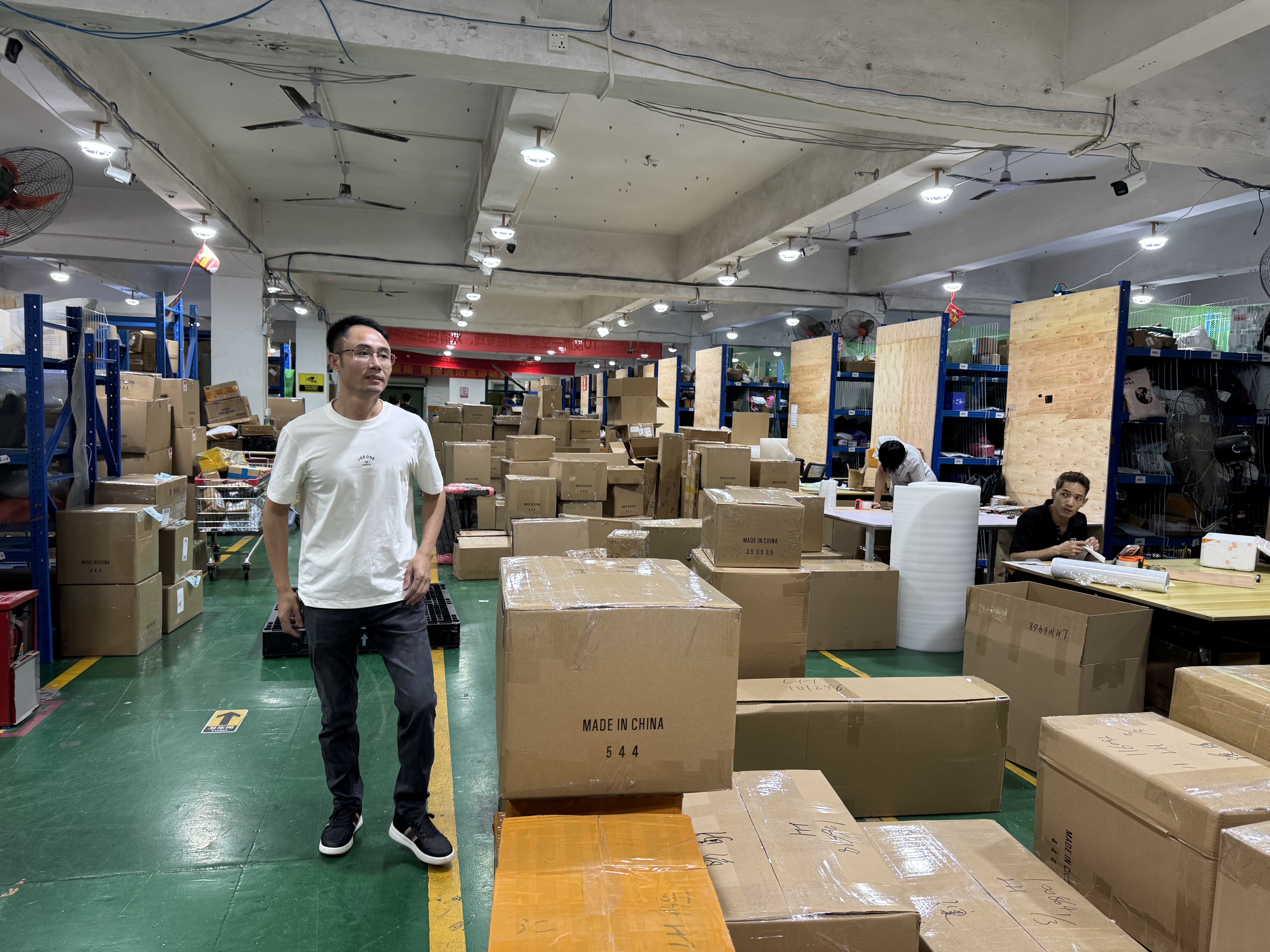
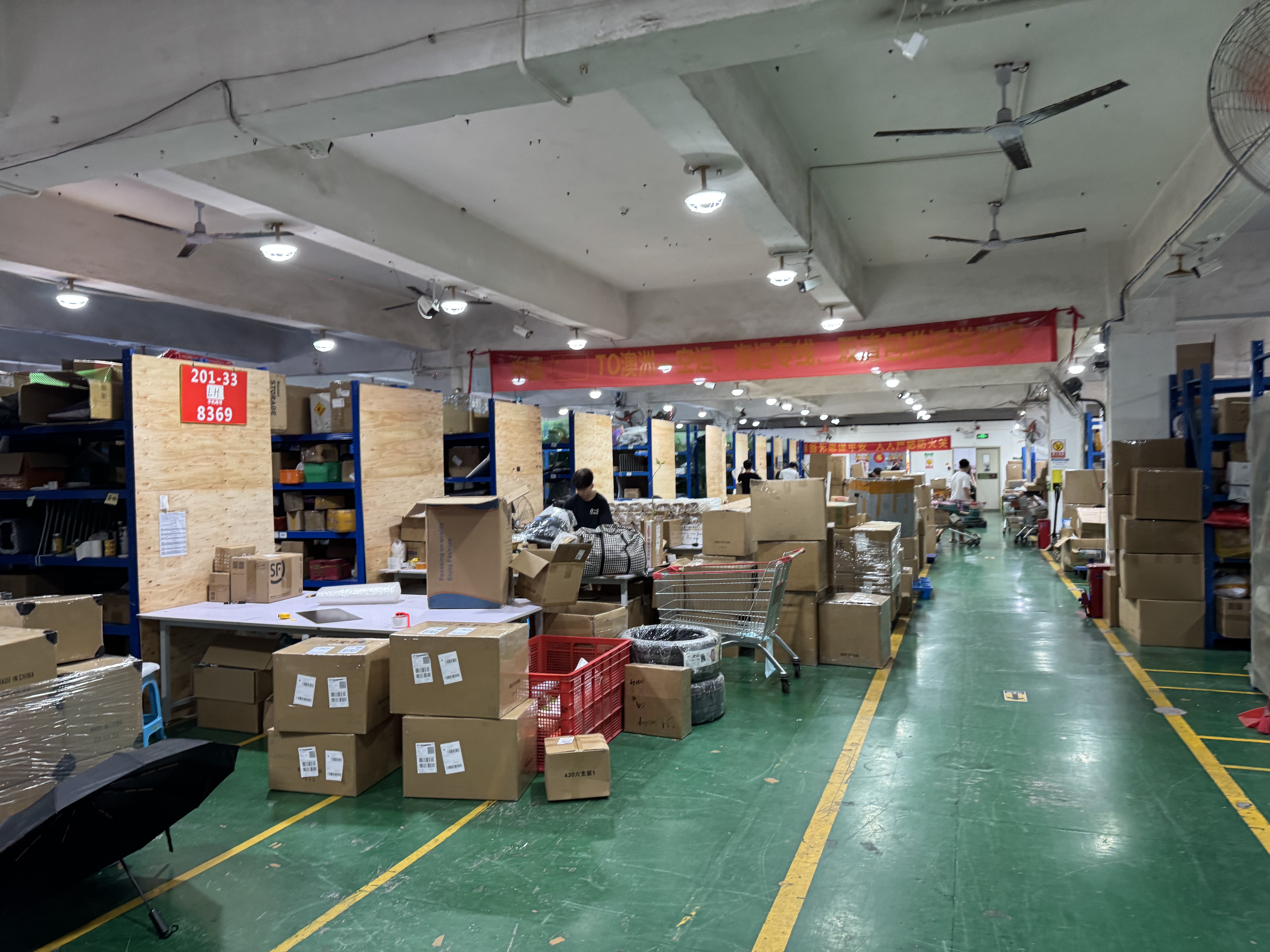
3PLs will play a crucial role in the door - to - door sea freight market in 2026. They can assist shippers in navigating the complex logistics process, from booking cargo space to customs clearance. Well - known 3PLs like DHL and UPS have a strong market presence and will continue to expand their services to meet customer needs.
VI. The Impact of Customer Demands
1. Higher Service Expectations
Customers in 2026 will demand more from door - to - door sea freight services. They'll expect greater transparency, faster delivery, and better customer support. For example, they may want real - time cargo updates on mobile apps and 24/7 access to customer service.
2. Sustainability Requirements
Sustainability will also be a top priority for customers in 2026. They'll favor shipping companies that are environmentally friendly and take steps to reduce their carbon footprint. This means shipping firms will need to invest in sustainable practices to attract and retain customers.
FAQ
Q: How can I ensure my cargo arrives on time in 2026 with door - to - door sea freight in Canada? A: In 2026, with advanced technologies such as real - time tracking and automated port operations, the likelihood of on - time delivery is much higher. Companies like Shengda International Logistics have their own logistics systems for accurate tracking and strive for smooth operations at every stage.
Q: If environmental policies increase shipping costs, will I have to bear all the extra expenses? A: While environmental policies may raise operational costs for shipping companies, not all the extra costs will be passed on to you. Companies like Shengda International Logistics focus on efficiency and cost - control. They may absorb some costs or find ways to offset them, minimizing the impact on your shipping fees.
Q: How do I choose the right shipping company in 2026 with so much competition? A: Look for a company with a good reputation, industry experience, and a focus on customer service. Shengda International Logistics has been in business for a long time, with a professional team to handle all your shipping needs. They offer a range of value - added services and have a transparent pricing system.
Q: What if there's a problem with my cargo during transit in 2026? A: Reputable shipping companies, like Shengda International Logistics, have a proper claims process. In case of cargo damage or loss, they'll follow standard procedures to compensate you. They also take measures to minimize such risks through proper packaging and handling.
Q: Can I ship sensitive goods via door - to - door sea freight in 2026? A: Yes. In 2026, some shipping companies, including Shengda International Logistics, will have dedicated channels for shipping sensitive goods. They're well - aware of regulations and can ensure your sensitive goods are shipped safely and in compliance.
In summary, the future of door - to - door sea freight in Canada in 2026 will be determined by policies, technology, economic conditions, competition, and customer demands. While there are challenges, there are also significant opportunities for growth and innovation in the industry.
