

How to Calculate Shipping Duties to Canada by Sea in 2026: A Scenario-by-Scenario Breakdown?
In the world of international shipping, calculating shipping duties can be like navigating a maze. With the year 2026 bringing in its own set of rules and policies for the China - Canada and Canada - China sea shipping routes, it's essential for shippers to understand how to accurately calculate these duties. In this article, we'll break down the process scenario by scenario, with a special look at how [Company Name] can simplify this complex task.
I. Understanding the Basics of Shipping Duties to Canada in 2026
Policy Changes in 2026 In 2026, the Canada - China and China - Canada shipping routes have seen several policy adjustments. For instance, the Canadian government has tightened regulations on certain types of goods, especially those related to environmental protection and consumer safety. This means that shippers need to be extra careful when calculating duties for these restricted items.Key Factors Affecting Duties The main factors that determine shipping duties to Canada by sea include the value of the goods, the type of goods, and the applicable tariff rates. Different goods fall into different tariff codes, each with its own set of duty rates. For example, electronics might have a different duty rate compared to textiles.
| A simple matrix to show some common goods and their approximate 2026 duty rates: | Goods Type | Duty Rate |
|---|---|---|
| Electronics | Around 5 - 10% | |
| Textiles | Around 3 - 8% | |
| Food Products | Varies widely, 0 - 15% depending on type |
II. Scenario 1: Shipping General Consumer Goods
Calculation Process Let's say you're shipping a batch of consumer goods worth $10,000 from China to Canada by sea. These goods fall under a tariff code with a duty rate of 5%. First, you'd take the value of the goods and multiply it by the duty rate. So, $10,000 x 0.05 = $500. This $500 is the shipping duty you need to pay.[Company Name] Advantage [Company Name] has a team of experts who are well - versed in the 2026 shipping policies. They can accurately classify your goods under the correct tariff codes, ensuring that you calculate the duties correctly and avoid any over - or under - payment.
FAQ 1: Do I need to factor in other costs besides the duty when shipping general consumer goods? Yes, besides the duty, you also need to consider other costs such as freight charges, insurance, and possible handling fees. [Company Name] offers an all - inclusive service, where they'll calculate all these costs for you and present you with a clear, transparent quote.
III. Scenario 2: Shipping Sensitive Goods
The Complexity of Sensitive Goods Sensitive goods like food, cosmetics, and electronics with batteries can be a headache when it comes to duty calculation. In 2026, the Canadian government has strict regulations on these items to protect public health and safety. The duty rates for sensitive goods are often higher and can be affected by additional factors like ingredient lists and safety certifications.[Company Name] Solution [Company Name] has a dedicated sensitive goods compliance team. They'll work with you to ensure that all your sensitive goods meet the Canadian regulations. They'll also help you accurately calculate the duties by taking into account all the nuances of these regulations.
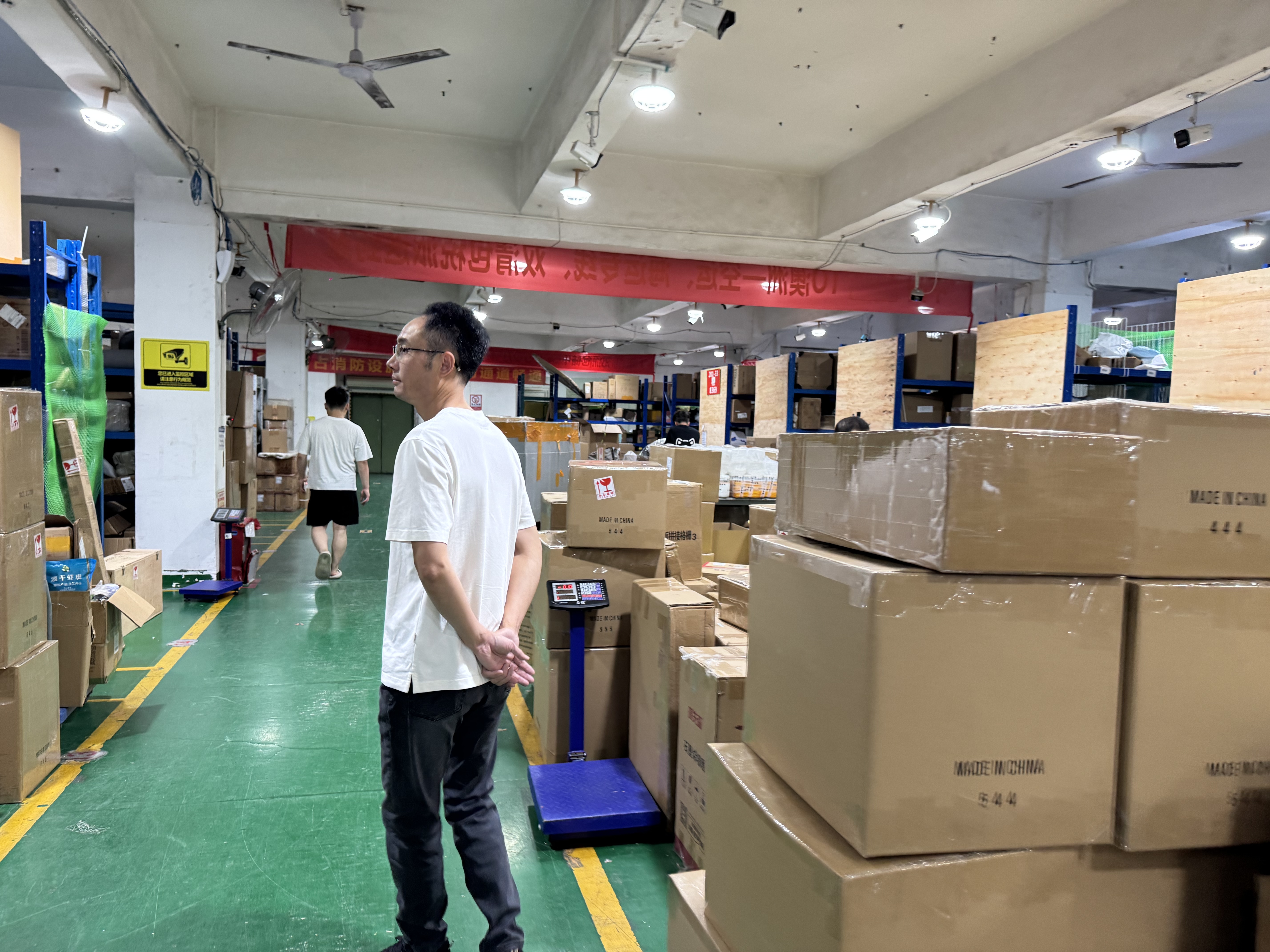
FAQ 2: How can I be sure that my sensitive goods will pass Canadian customs? [Company Name] has years of experience dealing with sensitive goods. They have a thorough pre - shipment inspection process to check if your goods meet all the Canadian requirements. They'll also handle the entire customs clearance process, using their in - depth knowledge of the 2026 policies to minimize the risk of your goods being held up.
IV. Scenario 3: Shipping Large - Scale Commercial Goods
Economies of Scale but Complex Duties When shipping large - scale commercial goods, you might benefit from economies of scale in terms of freight costs. However, the duty calculation can be more complex. For example, if you're shipping a large order of furniture worth $100,000, you need to carefully consider any preferential trade agreements between China and Canada, as well as the classification of different types of furniture.[Company Name] Support [Company Name] offers a customized solution for large - scale commercial shippers. They'll analyze your order to see if you qualify for any duty - saving opportunities under the 2026 trade policies. They also have a strong negotiation power with carriers, which can lead to more cost - effective shipping solutions.
FAQ 3: Can [Company Name] help me save on duties for large - scale commercial shipments? Absolutely. [Company Name]'s experts will review your shipment against the latest 2026 trade policies to identify any duty - reduction opportunities. They also have a good relationship with Canadian customs, which can sometimes lead to more favorable treatment during the duty assessment process.
V. Scenario 4: Return Shipments from Canada to China
Reverse Logistics and Duties Returning goods from Canada to China also involves duty calculation. In 2026, the Chinese government has updated its regulations on returned goods, especially regarding the refund of previously paid duties and the classification of returned items.[Company Name] Assistance [Company Name] can handle the entire process of return shipments. They'll help you understand the Chinese regulations on duty refunds and calculate the correct duties for the return. Their team will also ensure that all the necessary documentation is in order for a smooth return process.
FAQ 4: What if I've already paid duties on the goods when shipping from China to Canada? Can I get a refund when returning them? It depends on the specific circumstances and the Chinese regulations in 2026. [Company Name] will work with you to determine if you're eligible for a duty refund. They'll handle all the paperwork and communicate with the relevant authorities to make the refund process as hassle - free as possible.
VI. Common Mistakes to Avoid in Duty Calculation
Incorrect Goods Classification One of the most common mistakes is misclassifying goods under the wrong tariff codes. This can lead to over - paying or under - paying duties. For example, if you classify a high - duty item as a low - duty one, you might face penalties from the Canadian customs when they discover the error.Ignoring Policy Changes As mentioned earlier, the shipping policies between China and Canada change frequently, especially in 2026. Ignoring these changes can result in incorrect duty calculation and potential delays in customs clearance.
Forgetting Additional Fees Shipping duties are just one part of the cost. Shippers often forget to consider additional fees such as GST (Goods and Services Tax) in Canada, which can add a significant amount to the overall cost.
FAQ 5: How can I avoid making mistakes in duty calculation? [Company Name]'s trained staff will double - check all the details of your shipment. They stay updated with the latest 2026 policies and have a strict quality control process to ensure accurate duty calculation. By entrusting your shipping to [Company Name], you can avoid these common pitfalls.
In conclusion, calculating shipping duties to Canada by sea in 2026 can be a complex process, but with the right knowledge and support, it doesn't have to be a nightmare. [Company Name] is here to guide you through each scenario, ensuring that you pay the right amount of duties and have a smooth shipping experience on both the China - Canada and Canada - China routes.
