

Moving to Canada as an immigrant is a life - changing event, and when it comes to transporting your belongings, a full - container move can be a great option. In 2026, there are several scenarios that immigrants might encounter during a full - container move. Let's explore them.
I. Personal Household Goods Move
Newly Immigrated Families Newly immigrated families often have a large number of personal items. They might be moving with furniture like beds, sofas, and dining tables. For example, a family of four moving from China to Canada may have a three - bedroom set of furniture, along with kitchen appliances such as refrigerators, stoves, and washing machines. According to industry data, on average, a family of this size might use a 20 - foot container for a basic move, which can hold around 25 - 30 cubic meters of goods.Retirees Moving Abroad Retirees moving to Canada may bring items that hold sentimental value, like antique furniture and family heirlooms. They might also have a collection of books, art, and personal mementos. A couple of retirees from the UK moving to Canada could fill a 20 - foot container with their belongings, which might include a grand piano in some cases.
II. Business - related Moves
Entrepreneurs Relocating Their Businesses Entrepreneurs who are relocating their small businesses to Canada may need to move office equipment, inventory, and supplies. For instance, a tech startup moving from the US might need to transport servers, computers, and office furniture. A 40 - foot container could be used in such cases, as it can hold up to 60 - 68 cubic meters of goods, providing enough space for all the necessary business items.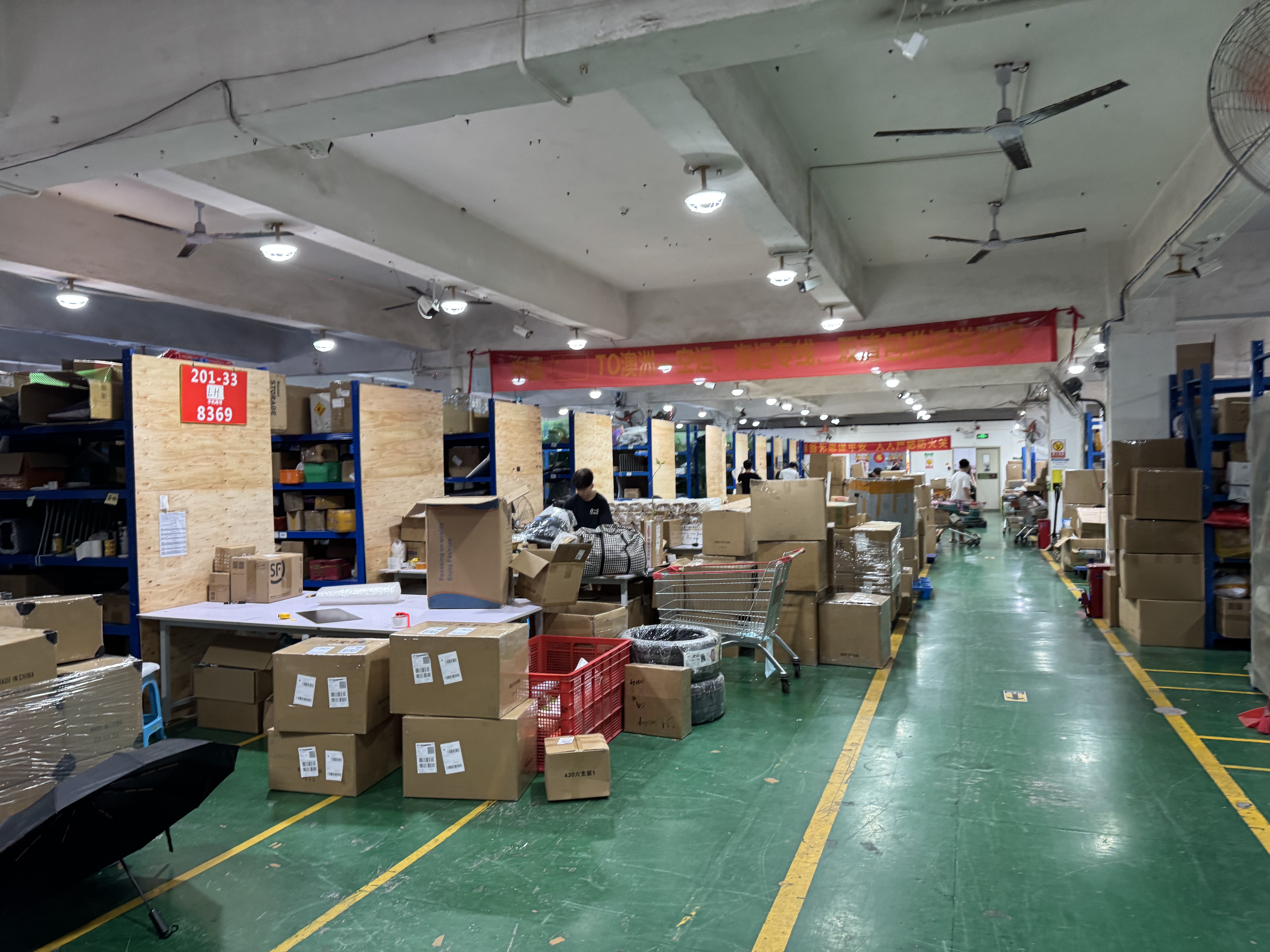
III. Specialized Equipment Moves
Medical Professionals Moving Medical Equipment Medical professionals immigrating to Canada might need to move specialized medical equipment. A dentist moving from India to Canada could have to transport dental chairs, X - ray machines, and other dental tools. These items are often heavy and require special handling. A 20 - foot container can usually accommodate such equipment, but it needs to be properly secured to prevent damage during transit.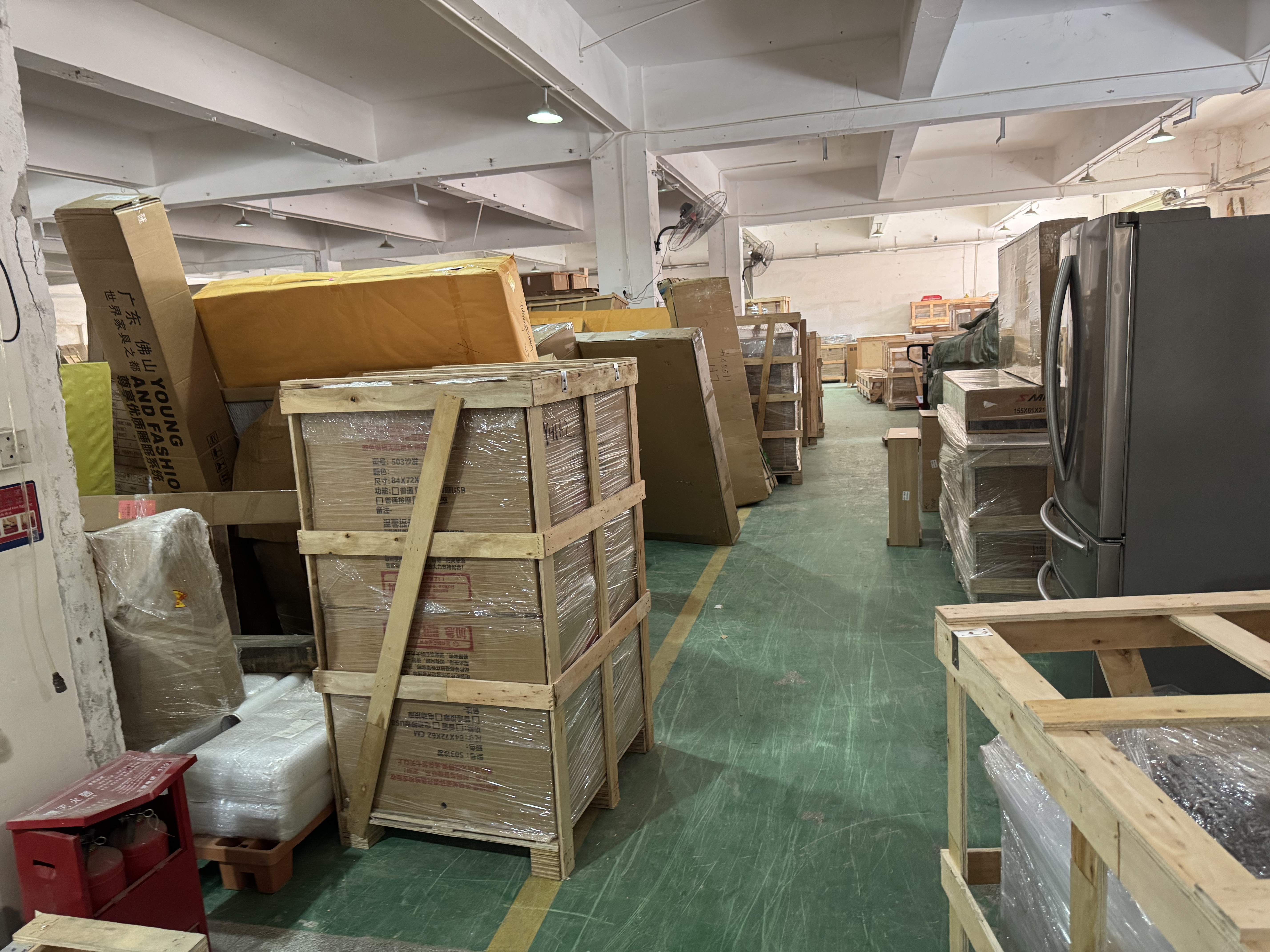
IV. Policy Considerations for China - Canada and Canada - China Routes in 2026
Customs Regulations In 2026, the customs regulations for both China - Canada and Canada - China routes are expected to remain strict but more streamlined. For example, immigrants moving full - containers from China to Canada need to provide detailed inventories of their goods, including the value, quantity, and description of each item. This helps in the customs clearance process and ensures that there are no issues with duties and taxes.Tariff Policies Tariff policies can have a significant impact on full - container moves. In some cases, certain goods may be exempt from tariffs if they are considered personal household items. However, business - related goods may be subject to different tariff rates. It's essential for immigrants to stay updated on the latest tariff policies to avoid any unexpected costs.
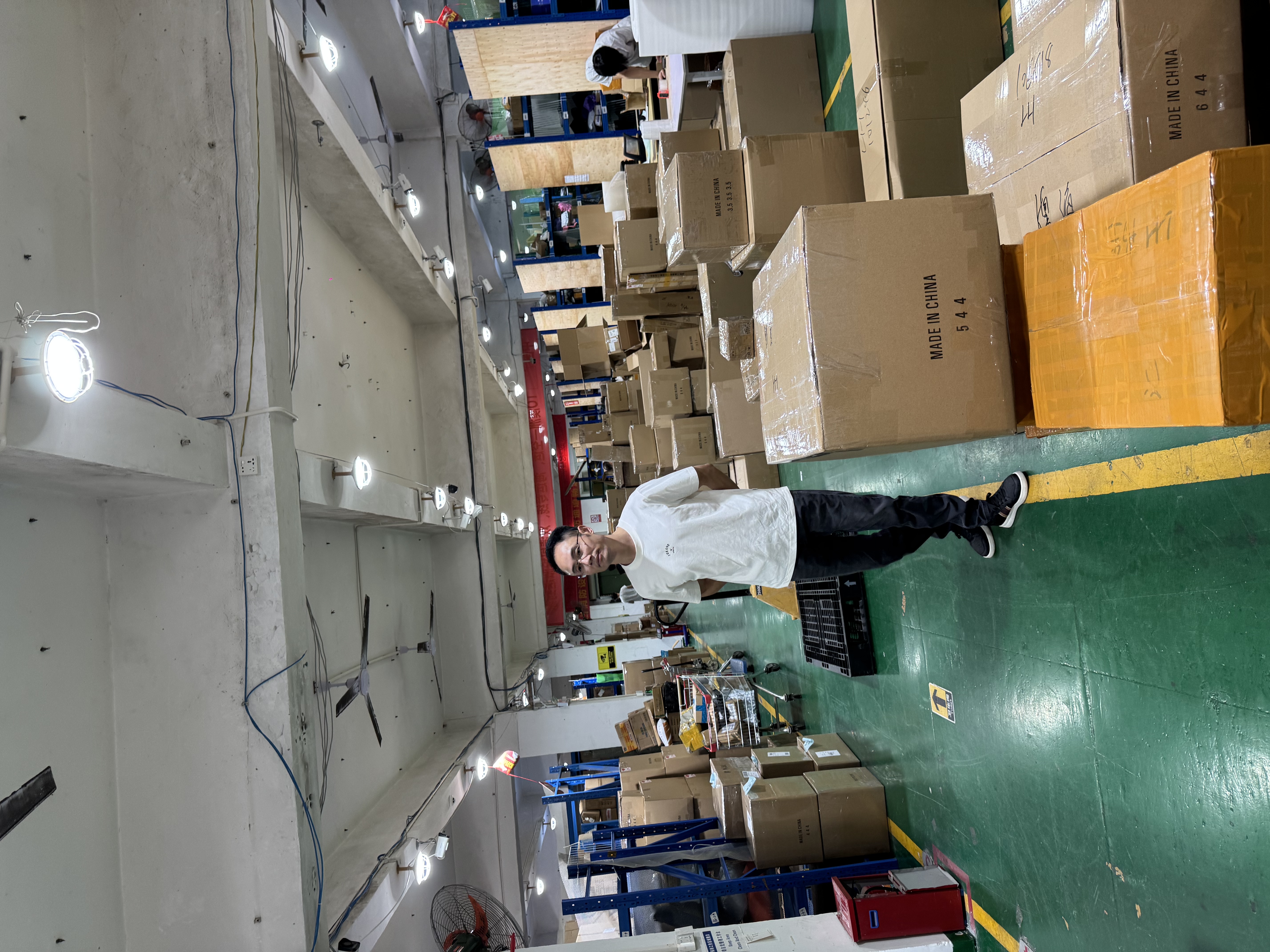
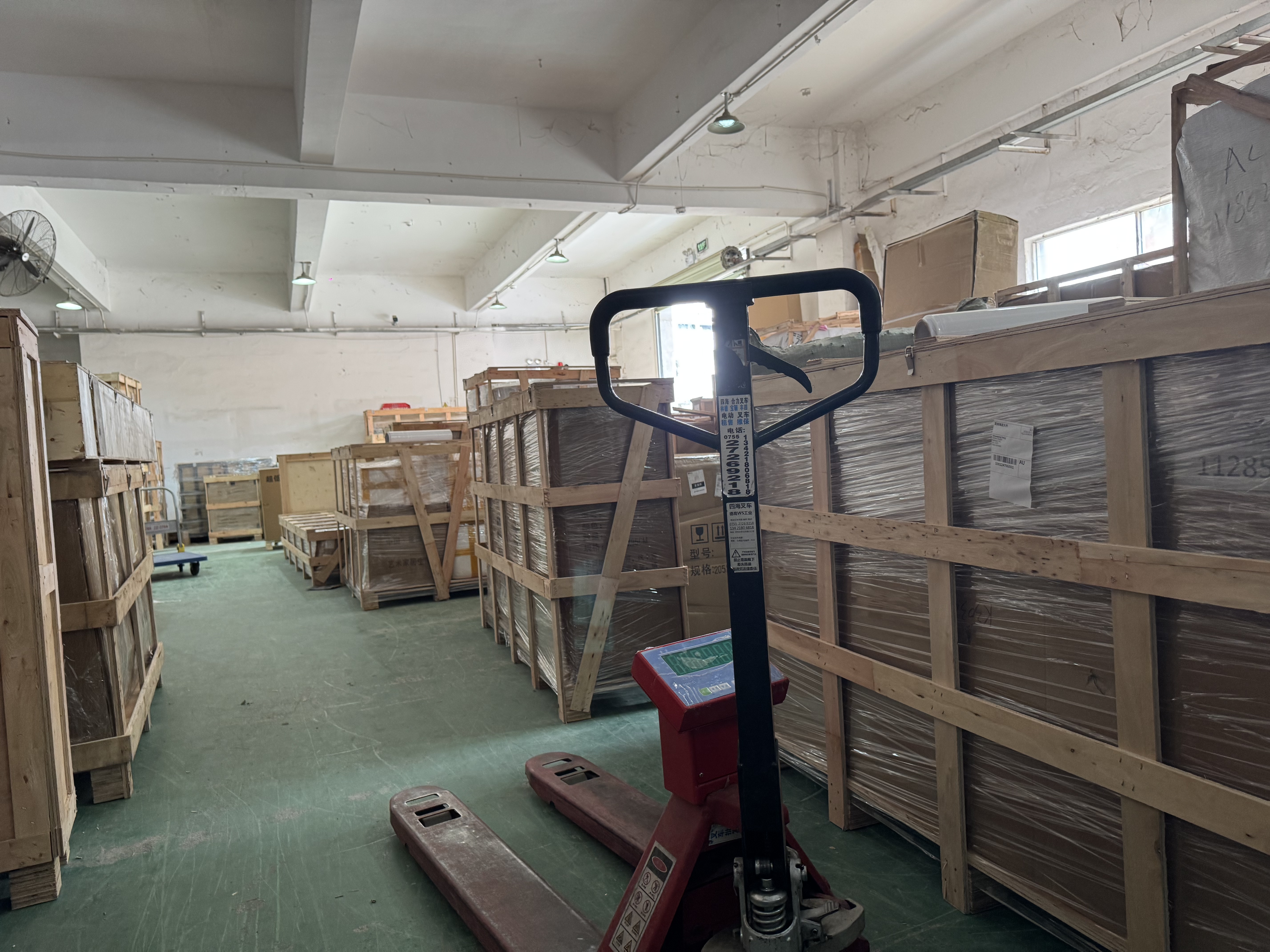
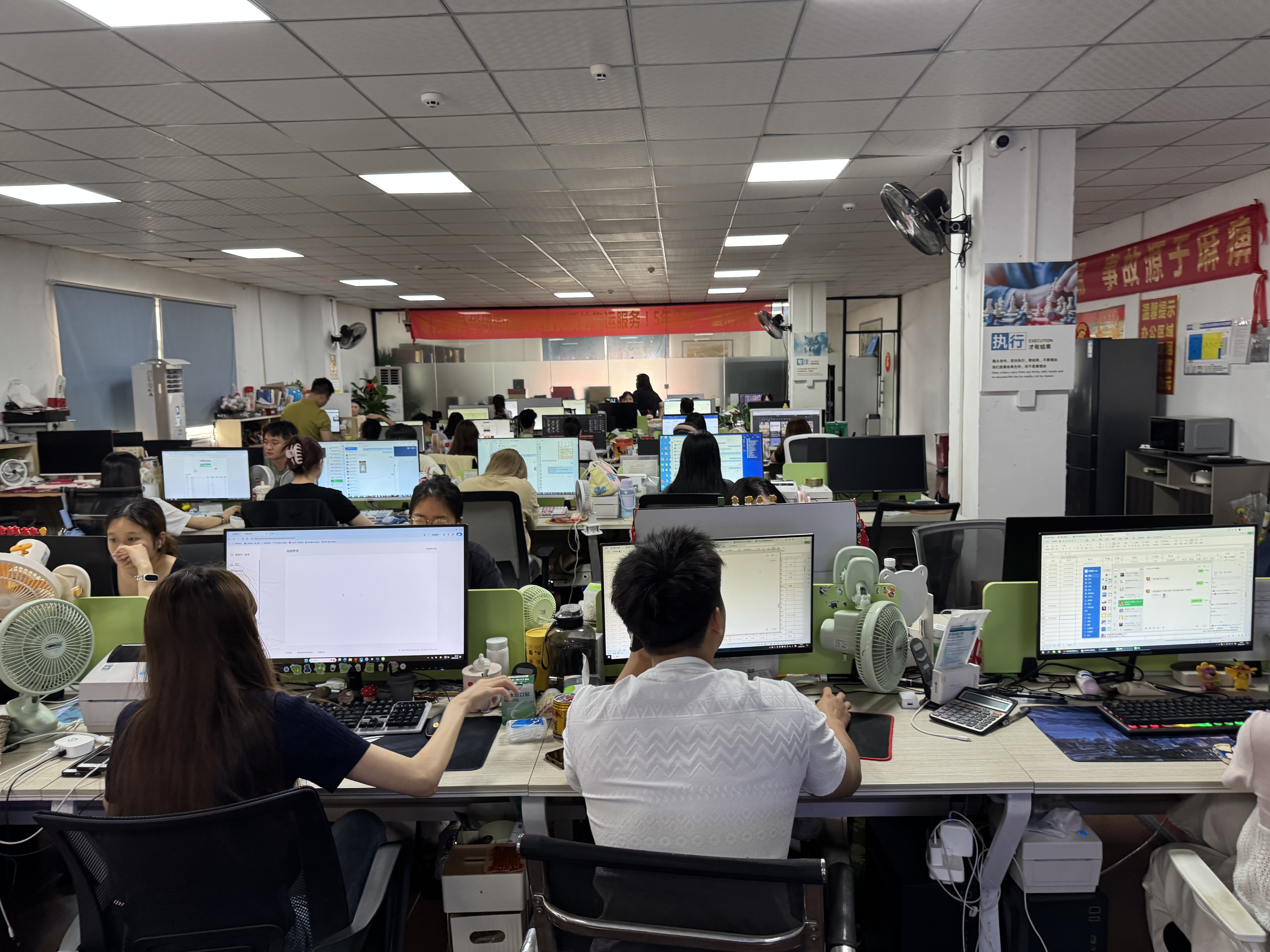
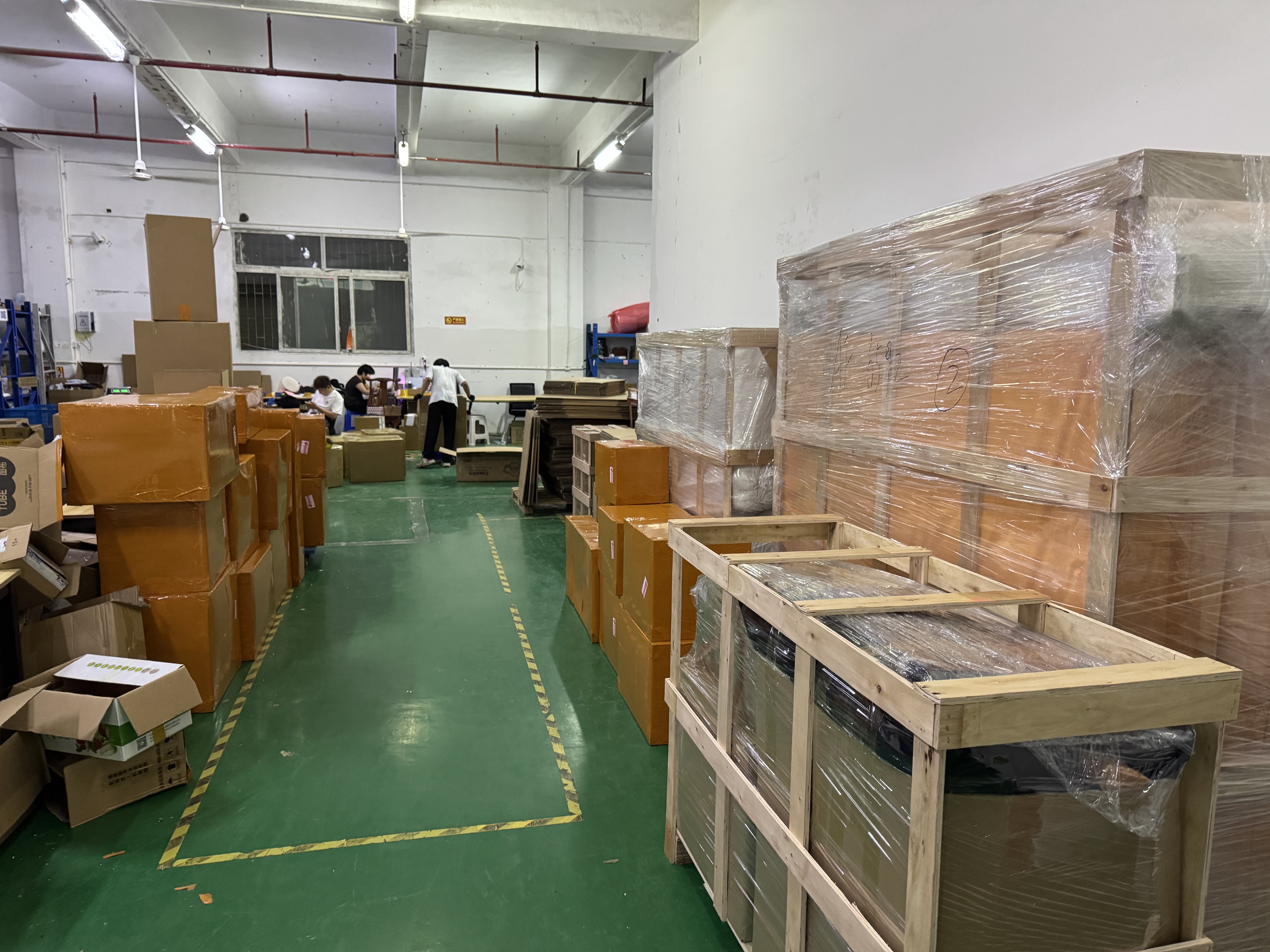
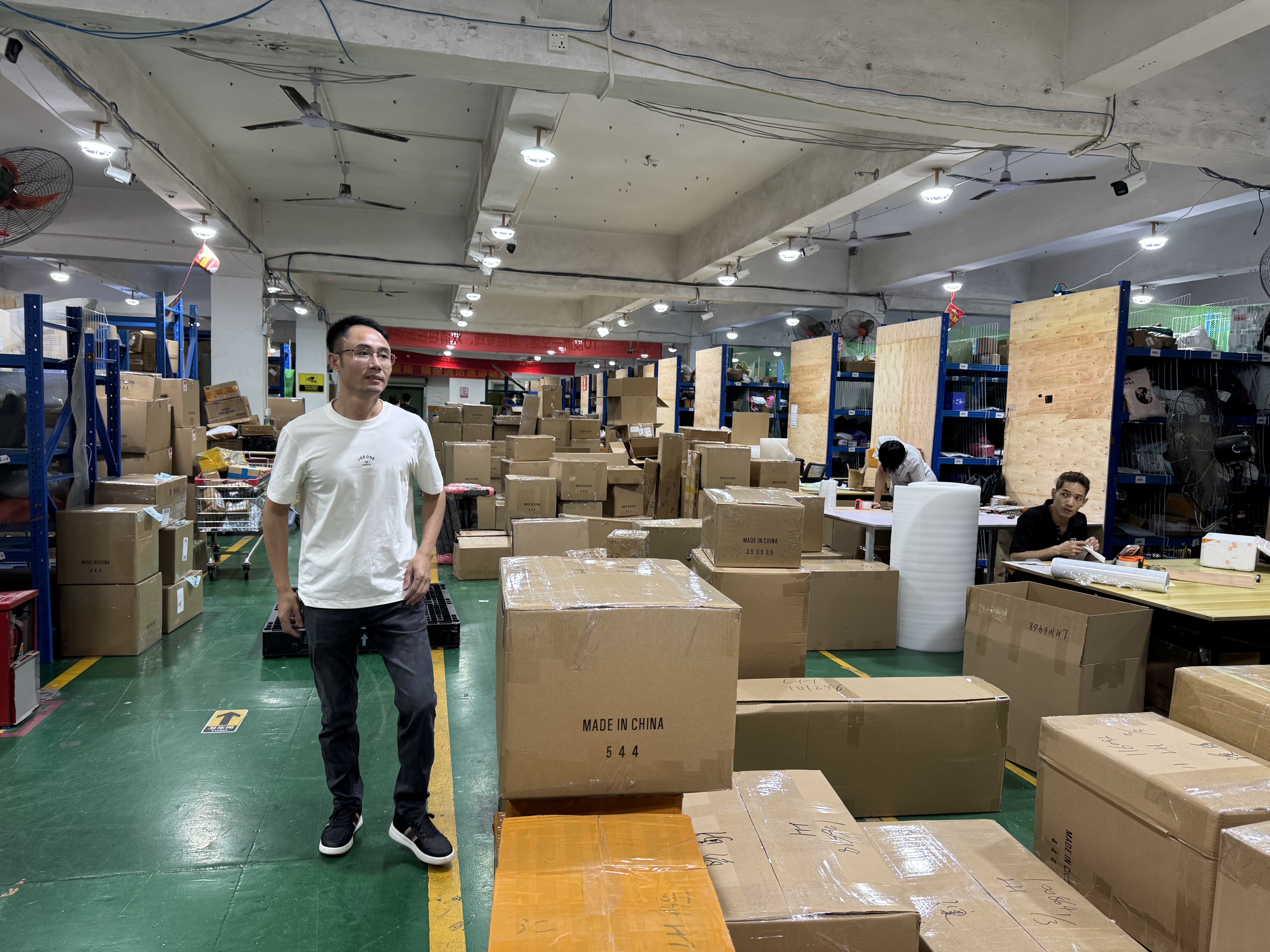
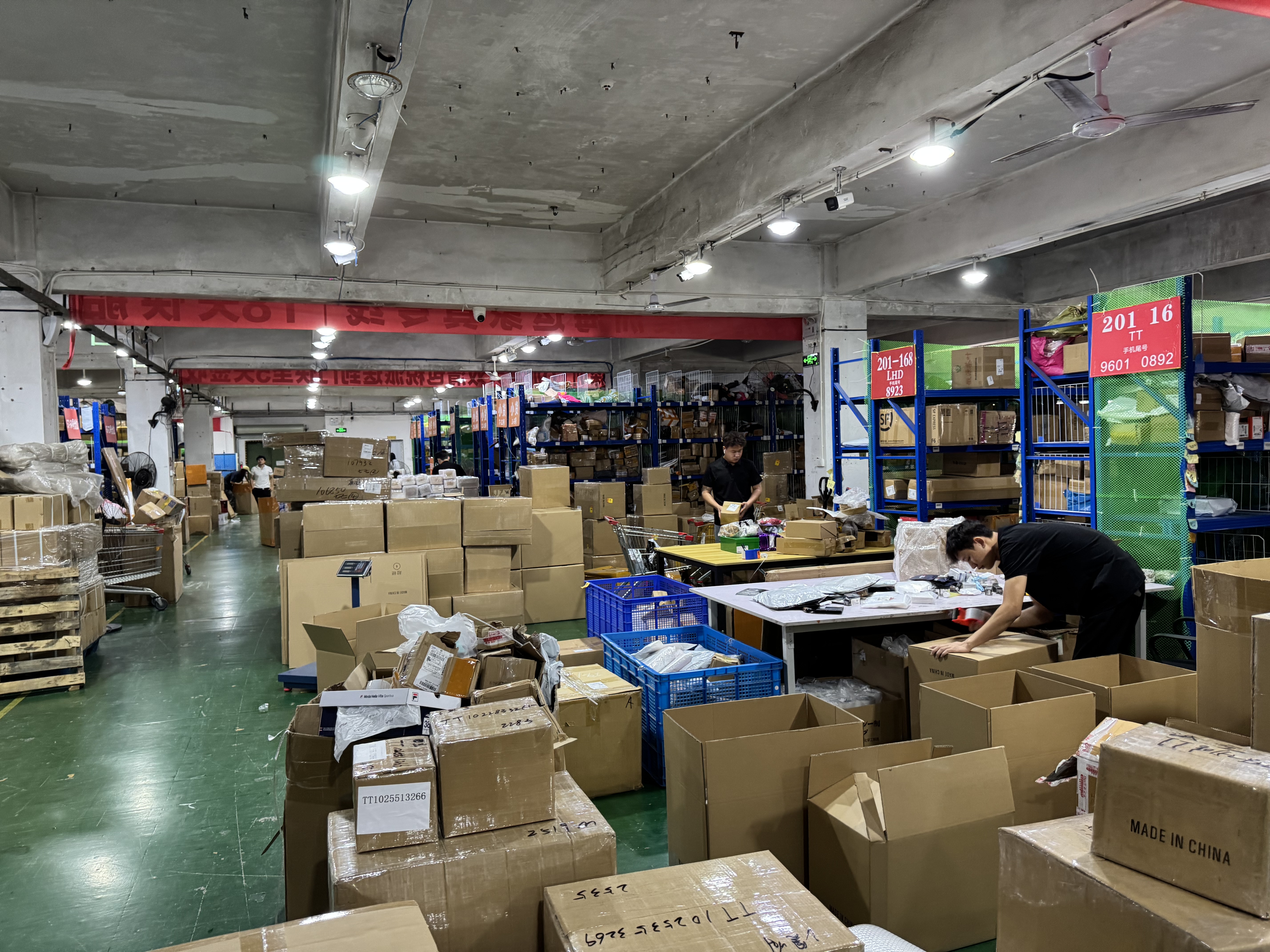
V. Choosing a Reliable Logistics Partner like Shengda International Logistics
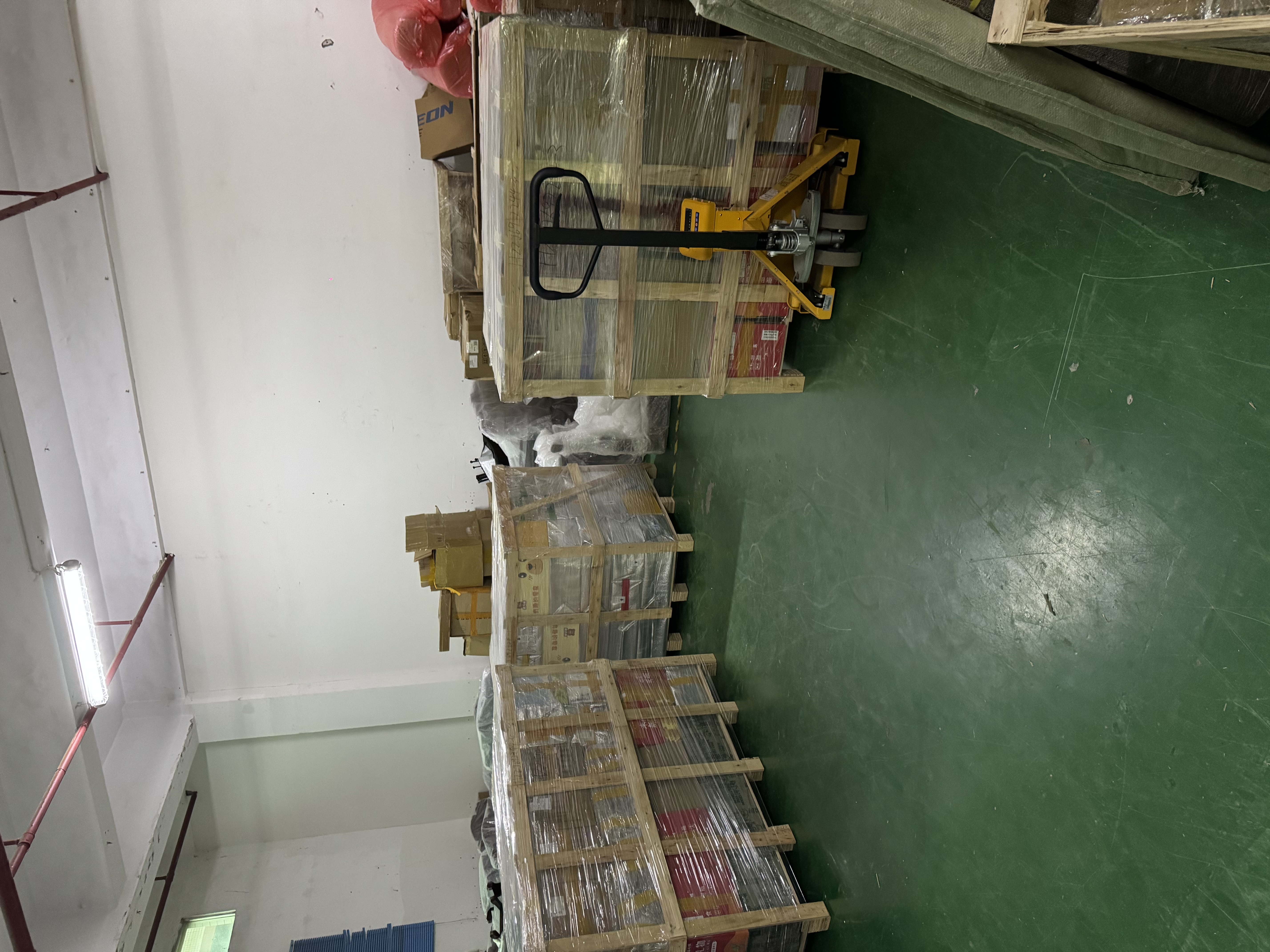
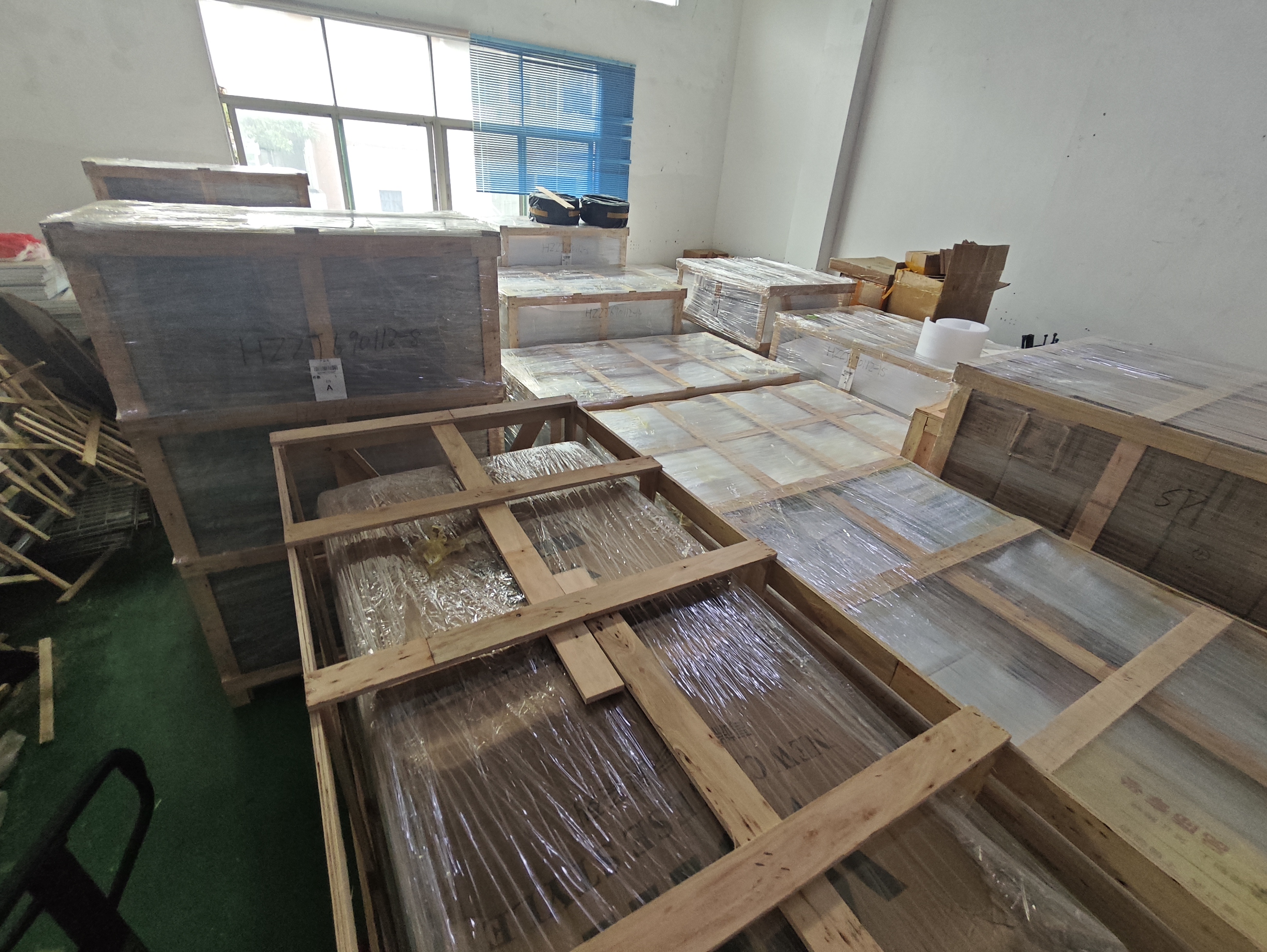
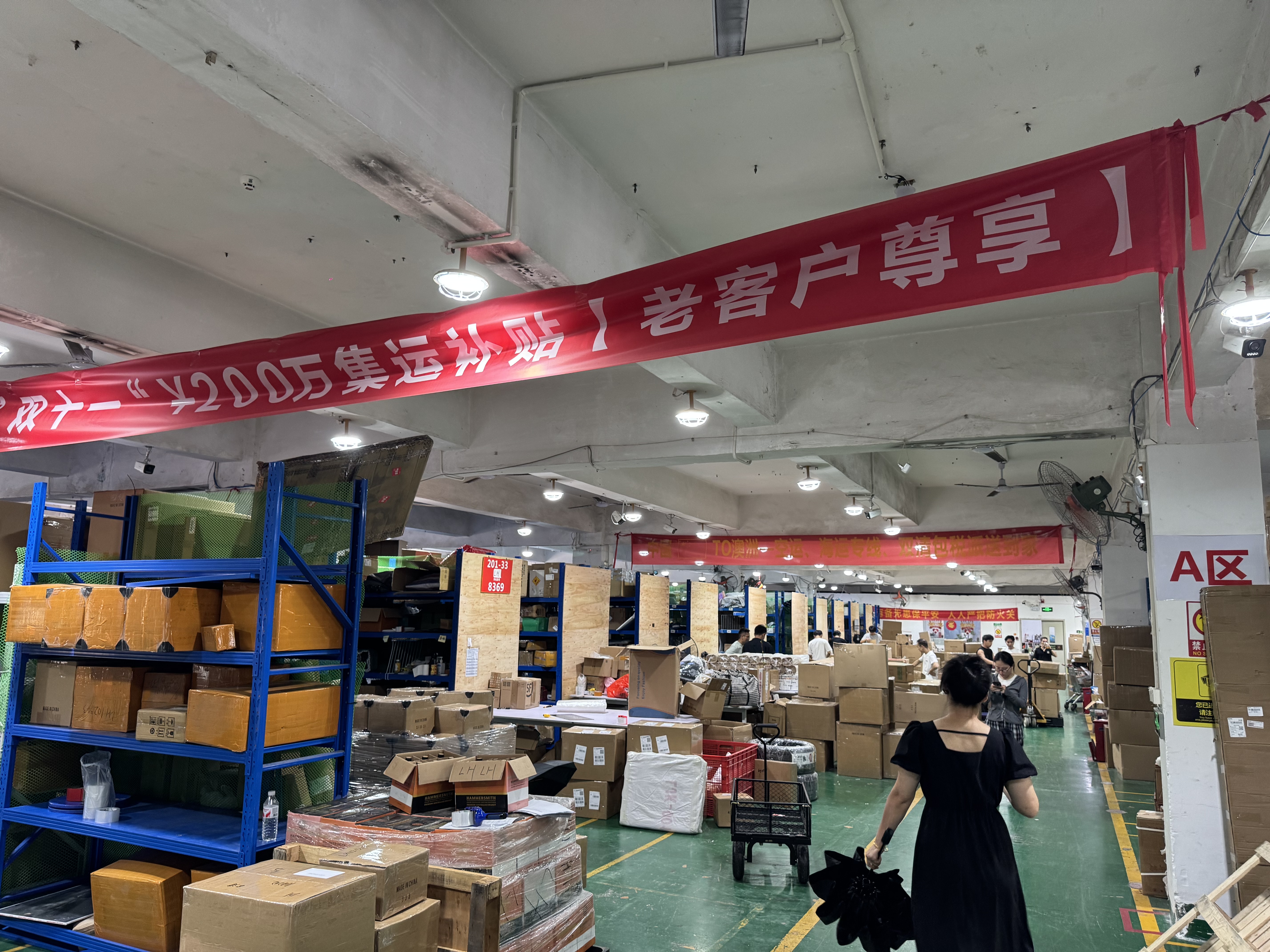
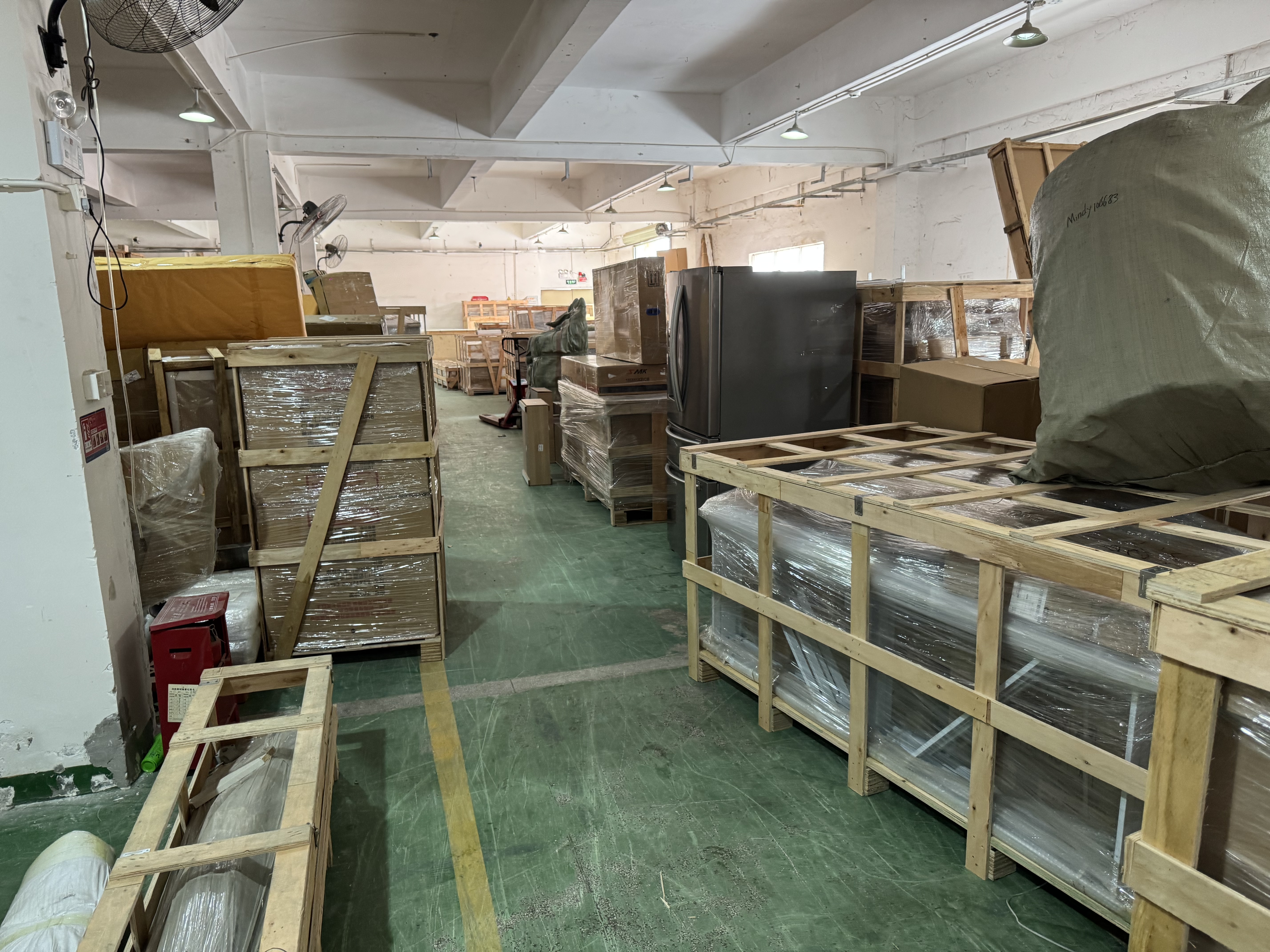
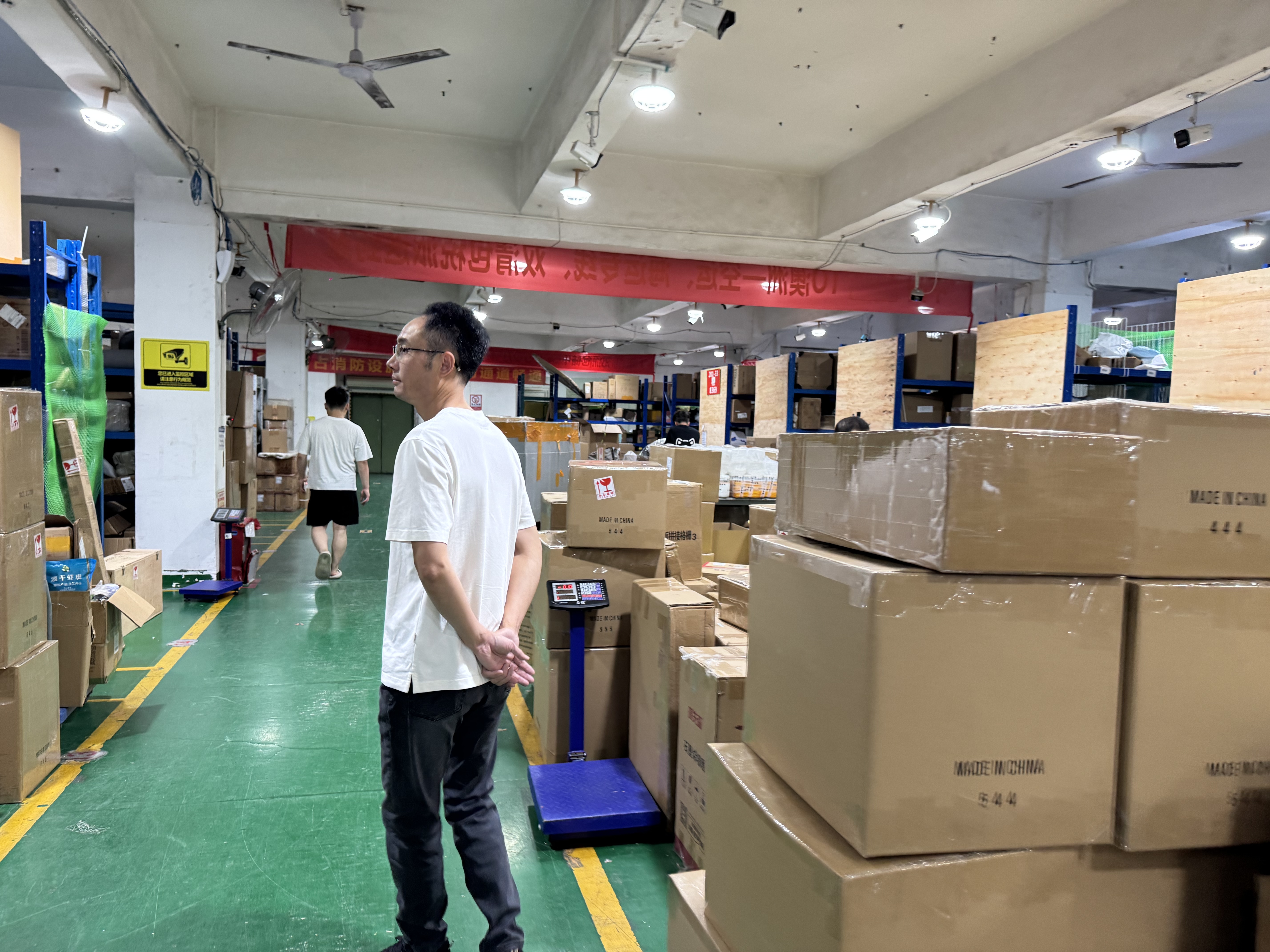
Compliance and Risk Management Shengda International Logistics is well - versed in the customs regulations and policies of both China and Canada. They can help immigrants navigate through the complex customs clearance process, reducing the risk of goods being held at customs or facing additional taxes.
FAQ
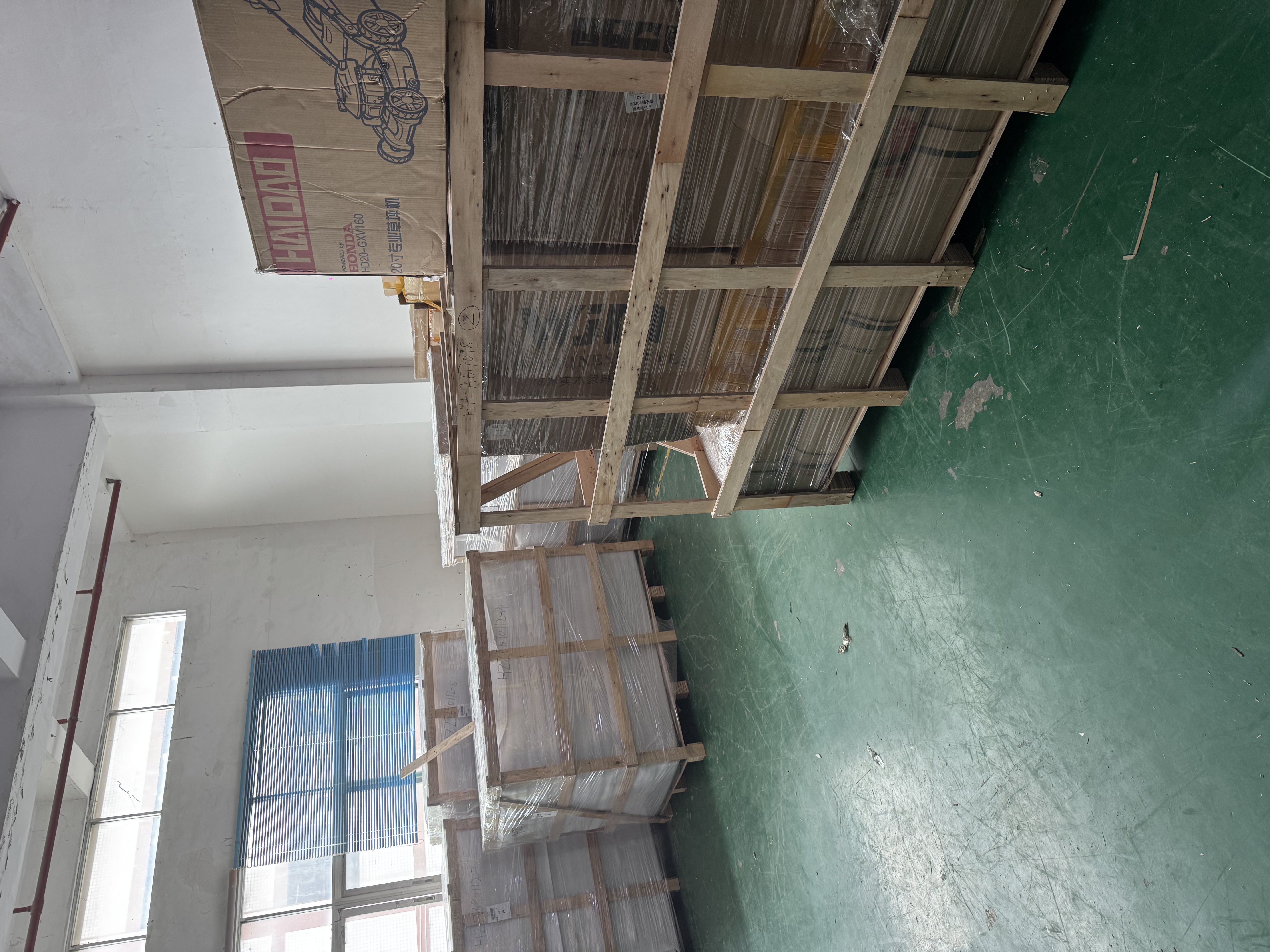
Q: Will my furniture get damaged during a full - container move from China to Canada? A: As someone with experience in these types of moves, I can tell you that the risk of damage can be minimized with a reliable logistics partner. Shengda International Logistics offers special services like wooden frame reinforcement and multi - layer shock - proof protection for furniture. They also have a standardized process for handling and transporting goods, which greatly reduces the risk of damage.Q: How long does it take for a full - container move from Canada to China in 2026? A: The transit time can vary depending on several factors, such as the shipping route, weather conditions, and customs clearance. However, with Shengda International Logistics, they have well - established shipping routes and a high - efficiency logistics system. For a full - container move from Canada to China, it usually takes around 20 - 35 days, and they can provide real - time tracking so you always know the status of your goods.
Q: Are there any hidden costs in a full - container move? A: In the logistics industry, hidden costs are a common concern. But Shengda International Logistics operates with transparency. They follow an all - inclusive pricing model, clearly listing all the costs, including freight, customs fees, taxes, and delivery charges. There are no hidden fees, so you can budget your move accurately.
Q: Can I move sensitive goods like electronics and cosmetics? A: Yes, you can. Shengda International Logistics has a dedicated compliance route for sensitive goods. They have a specialized team to handle the compliance declaration for goods like electronics and cosmetics, ensuring that they meet the customs requirements of both China and Canada. This helps to avoid the risk of your goods being seized or taxed during the customs inspection.
Q: What should I do if my goods are damaged during the move? A: If you choose Shengda International Logistics, they have a proper compensation mechanism. In case of damage or loss of goods due to operational errors, they will compensate according to the standard. Just make sure to provide relevant evidence as soon as possible, and their after - sales team will handle the claim process for you.
In conclusion, in 2026, Canadian immigrant full - container moves present a variety of scenarios, each with its own requirements and challenges. By understanding the policy environment and choosing a reliable logistics partner like Shengda International Logistics, immigrants can ensure a smooth and successful move.
