

Introduction
Shipping large household appliances from China to Australia is a common but complex task. With the year 2026 looming, there are speculations about how various scenarios could impact this shipping process. In fact, the logistics industry is constantly evolving, influenced by factors like policies, market demands, and technological advancements. Let's explore how different scenarios might bring changes to shipping large household appliances to Australia in 2026.
I. Policy - Related Changes
1. Customs Policies
By 2026, the customs policies between China and Australia may see some adjustments. Currently, customs clearance for large household appliances involves strict inspections for safety standards and quality control. There could be additional environmental - friendly regulations. For example, if Australia tightens its requirements for energy - saving ratings of appliances, shippers need to ensure that the products meet these new standards. In 2023, about 15% of shipments faced minor delays due to non - compliance with existing customs regulations. With new policies in 2026, this percentage could change, either increasing if the regulations become stricter or decreasing if the procedures are streamlined.
2. Trade Agreement Amendments
Any amendments to the China - Australia trade agreement can have a significant impact. If there are new trade incentives, such as reduced tariffs on large household appliances, it could lead to an increase in the volume of shipments. On the other hand, if new trade barriers are introduced, shipping costs may rise. For instance, if anti - dumping duties are imposed on certain types of appliances, the competitiveness of Chinese products in the Australian market will be affected.
FAQ: Q: How can I ensure my large household appliances comply with future customs policies in 2026? A: As an experienced shipping professional, I suggest working with a logistics provider like Shengda International Logistics. They have a team of experts who stay updated on the latest policies and can guide you through the compliance process.
II. Market - Driven Changes
1. Demand Fluctuations
The demand for large household appliances in Australia is subject to market trends. In 2026, if there is a housing boom in Australia, the demand for appliances like refrigerators, washing machines, and ovens will increase. This will lead to a higher volume of shipments. On the contrary, if there is an economic downturn, the demand may decline, and shipping companies may have to adjust their operations accordingly. For example, in 2020 during the COVID - 19 pandemic, the demand for some large appliances decreased by about 20% in Australia due to economic uncertainties.
2. Competition Among Suppliers
The competition among Chinese suppliers of large household appliances is fierce. By 2026, if new suppliers enter the market or existing ones improve their product offerings, there could be an increase in the variety and quality of products shipped to Australia. However, this also means that shipping companies need to handle a wider range of product specifications. For example, some new smart appliances may require special handling and packaging during transit.
FAQ: Q: What if the demand for large household appliances in Australia suddenly drops in 2026? A: If demand drops, working with a flexible logistics partner like Shengda International Logistics can be beneficial. They can adjust the shipping frequency and volume according to the market situation, helping you avoid unnecessary costs.
III. Technological Advancements
1. Packaging Innovations
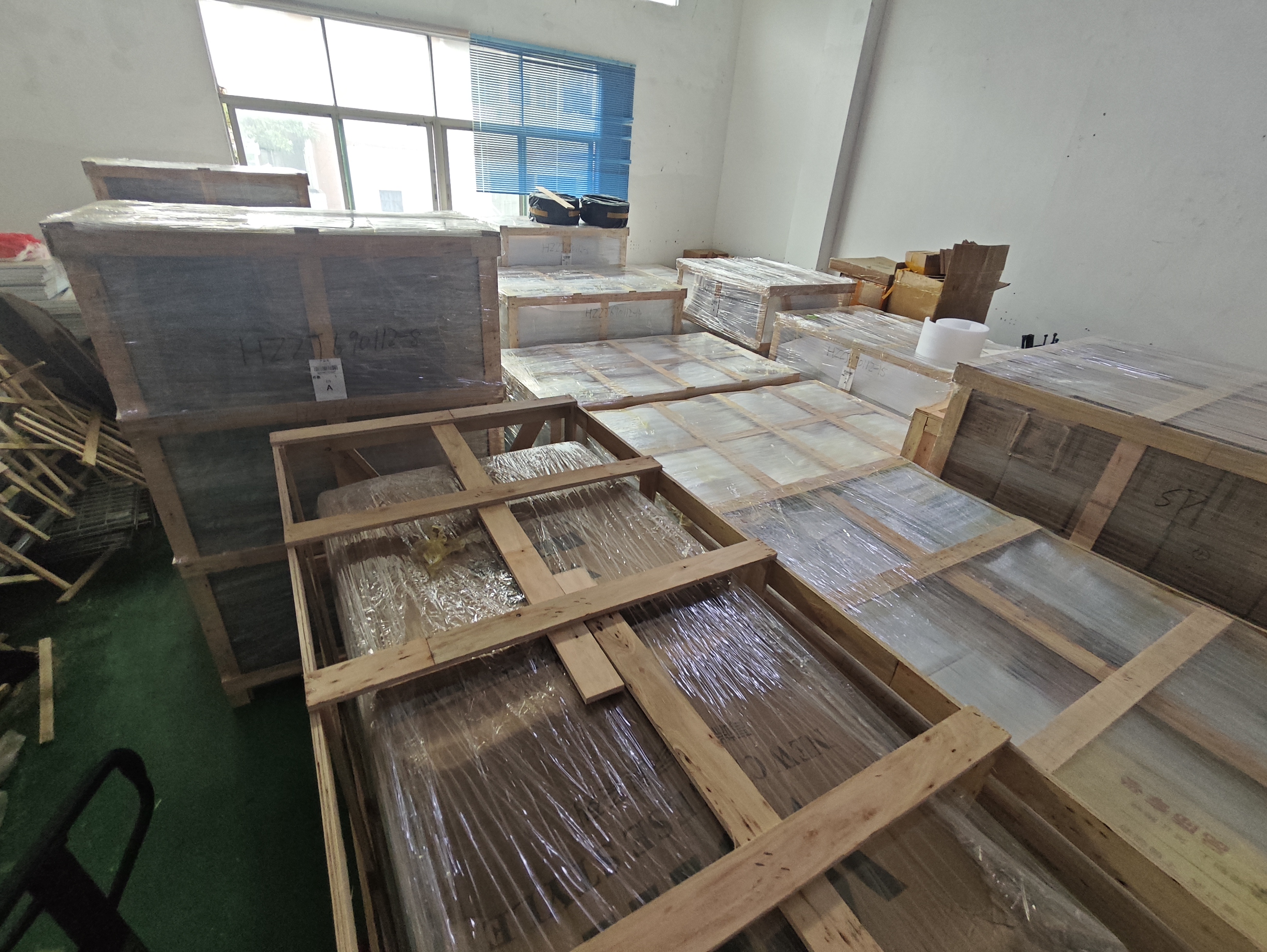
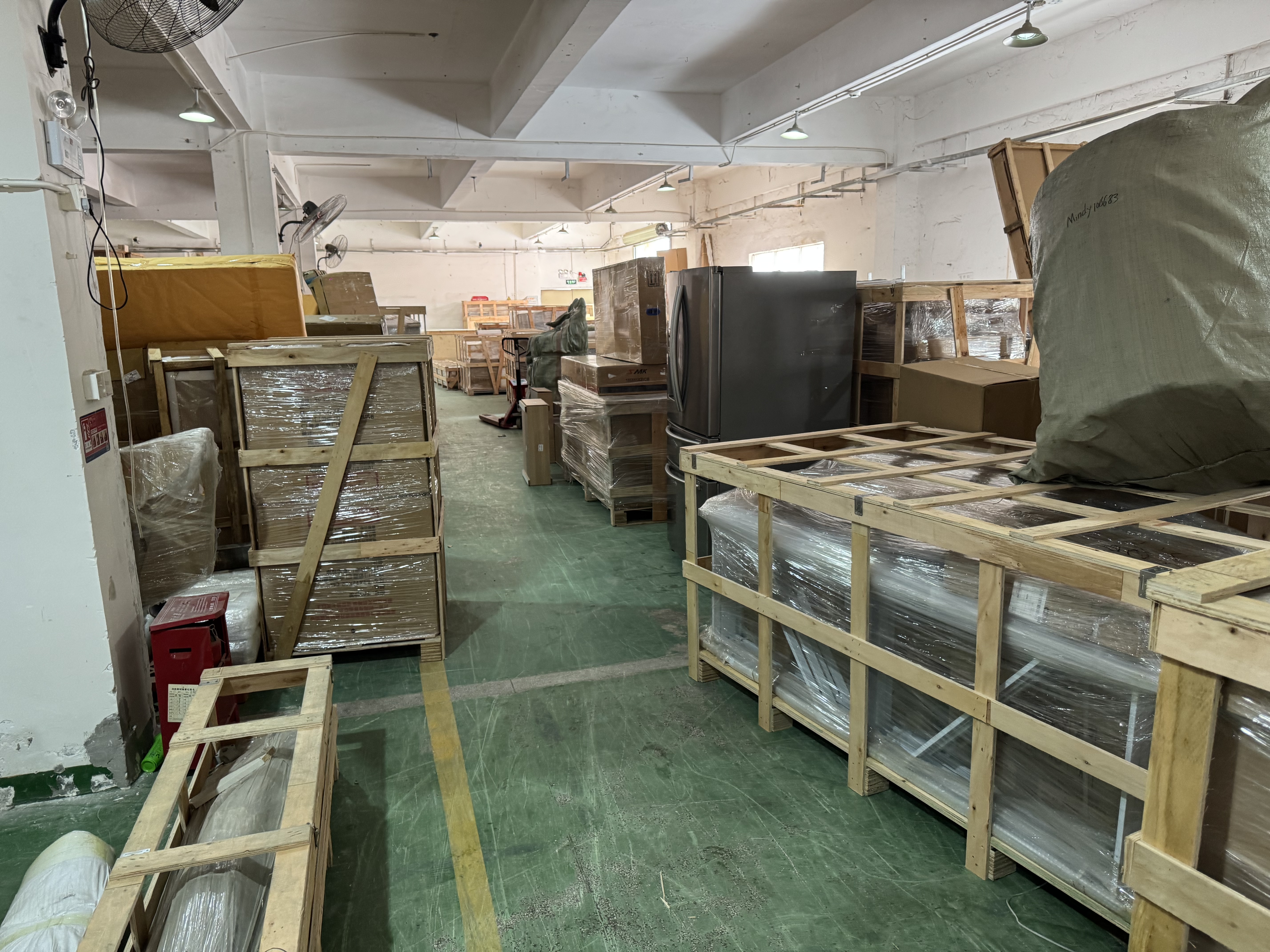
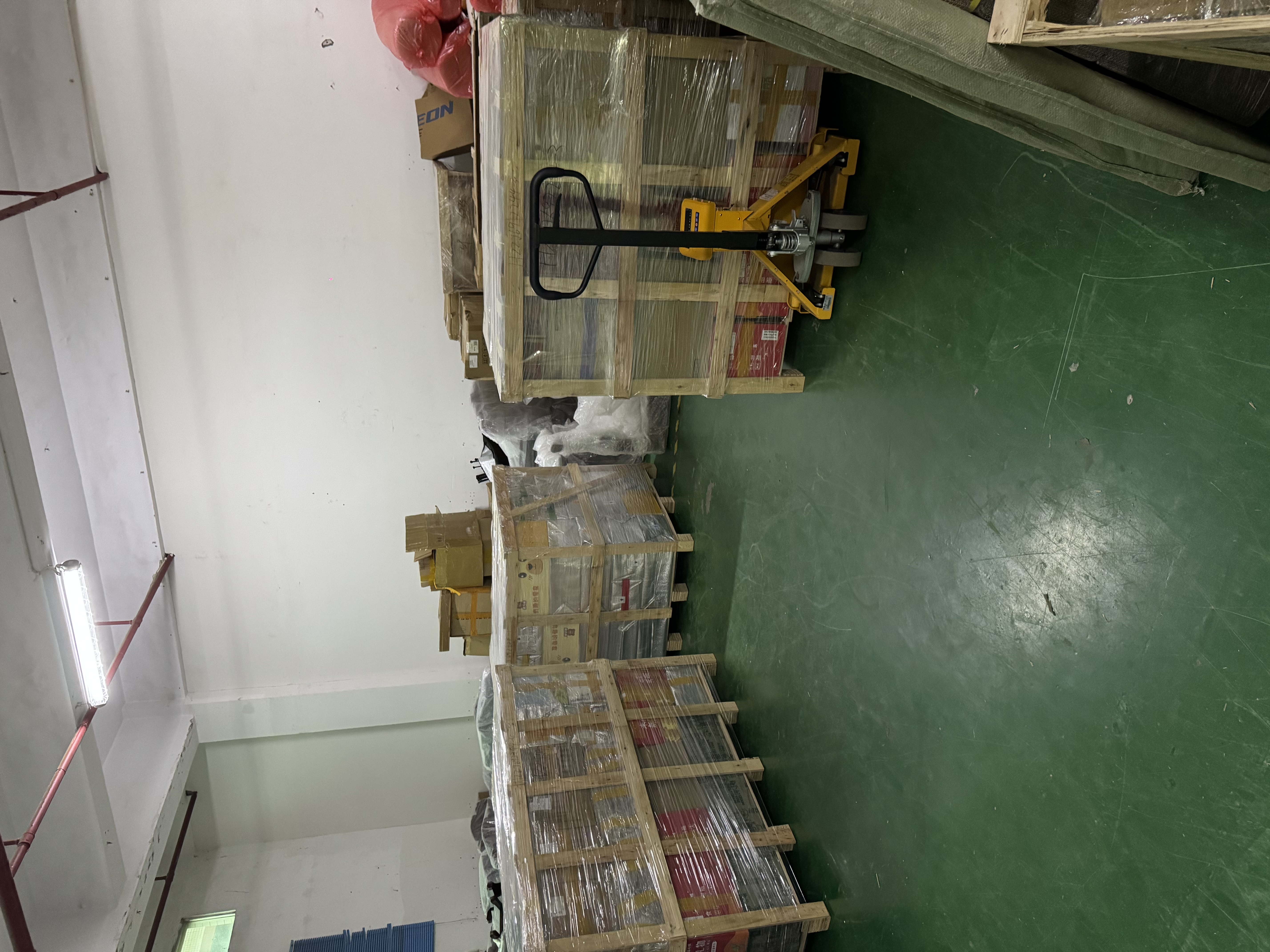
In 2026, there may be significant advancements in packaging technology for large household appliances. New materials that are more lightweight, yet provide better protection, could be developed. For example, some companies are currently researching the use of biodegradable and shock - absorbing materials. This not only reduces the environmental impact but also lowers the shipping weight, potentially reducing costs. Currently, packaging materials account for about 10% of the total shipping weight of large appliances.
2. Tracking and Monitoring Systems
The development of more advanced tracking and monitoring systems will improve the visibility of shipments. By 2026, shippers may be able to track the exact location, temperature, and humidity of large household appliances during transit. This real - time information can help prevent damage and ensure timely delivery. For example, if an appliance is being shipped in a container with improper temperature control, the shipper can be alerted immediately.
FAQ: Q: Can new packaging technologies really reduce shipping costs? A: Yes, they can. In my experience, new and more efficient packaging materials can reduce the overall weight and size of shipments. Shengda International Logistics is always on the lookout for such technological advancements to help customers save on shipping costs.
IV. Environmental Considerations
1. Emission Regulations
By 2026, stricter emission regulations may be in place for shipping vessels. This could lead to shipping companies adopting more environmentally friendly fuels or technologies, such as LNG - powered ships. However, these changes may also increase the shipping costs. For example, the initial investment in converting ships to use LNG is quite high, and these costs may be passed on to the shippers.
2. Sustainable Shipping Initiatives
There is a growing trend towards sustainable shipping. Shipping companies may be required to implement initiatives like carbon offset programs. This means that for every ton of carbon emissions generated during the shipping process, they need to invest in projects that reduce an equivalent amount of carbon. For large household appliance shippers, this could mean additional costs or a need to choose more sustainable shipping options.
FAQ: Q: How can I deal with the potential increase in shipping costs due to environmental regulations in 2026? A: Shengda International Logistics has been actively exploring sustainable shipping solutions. They can help you find the most cost - effective and environmentally friendly shipping options, balancing your budget and environmental responsibilities.
V. Impact on Shipping Routes and Modes
1. Route Optimization
With the changes in policies, market demands, and environmental considerations, shipping routes for large household appliances from China to Australia may be optimized. For example, if there are new trade agreements with certain ports in Southeast Asia, shipping companies may choose to transit through these ports to take advantage of better facilities or lower costs.
2. Mode Selection
The choice between sea freight and air freight for large household appliances may also change. Sea freight is currently the most common mode due to its lower cost for large and heavy items. However, if there are urgent market demands or new air freight technologies reduce costs significantly, air freight may become a more viable option.
FAQ: Q: Which shipping mode is the best for large household appliances in 2026? A: It depends on various factors such as time sensitivity and cost. Shengda International Logistics has a deep understanding of both sea and air freight options. They can analyze your specific situation and recommend the most suitable shipping mode for you.
VI. The Advantage of Shengda International Logistics
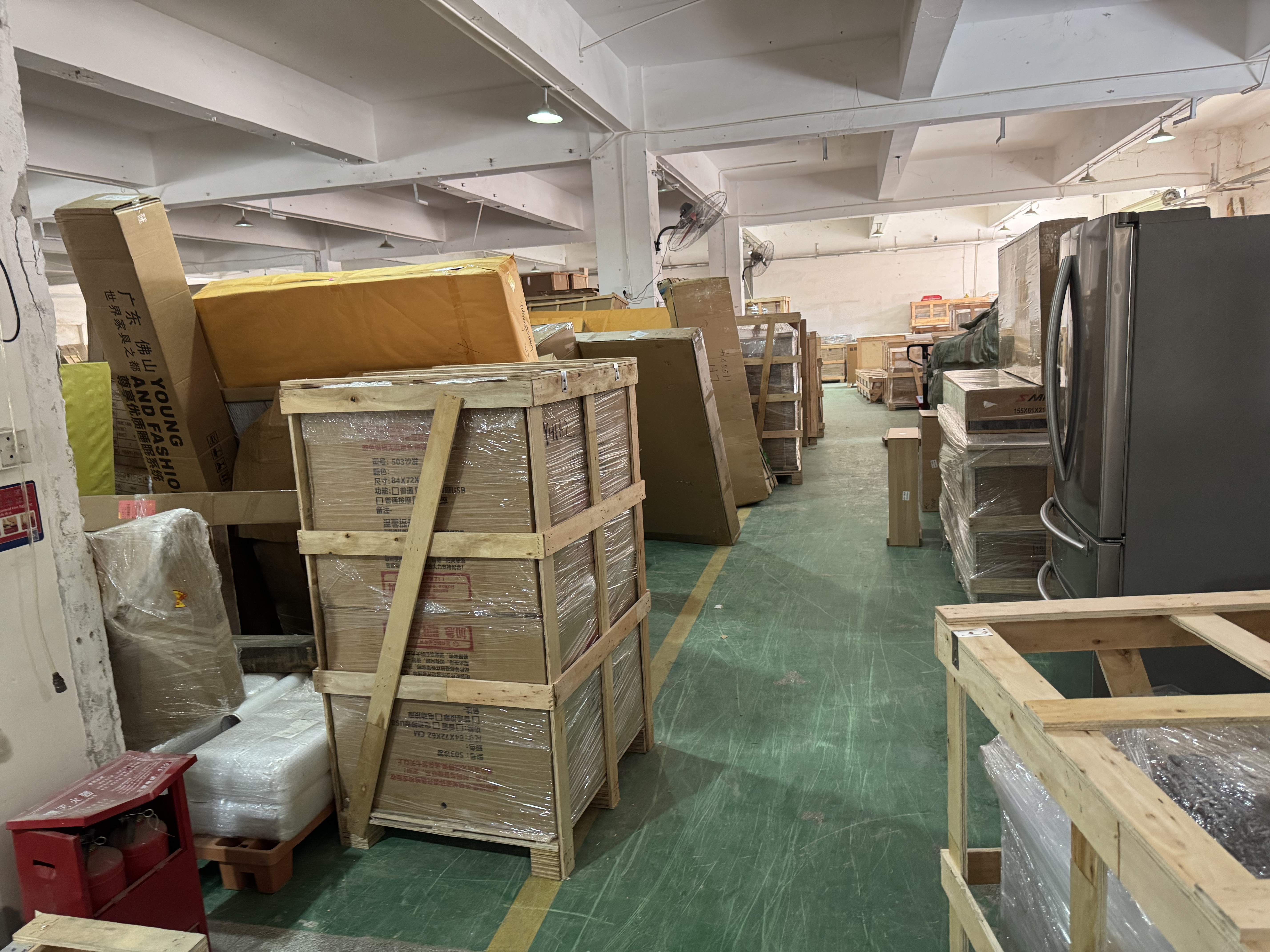
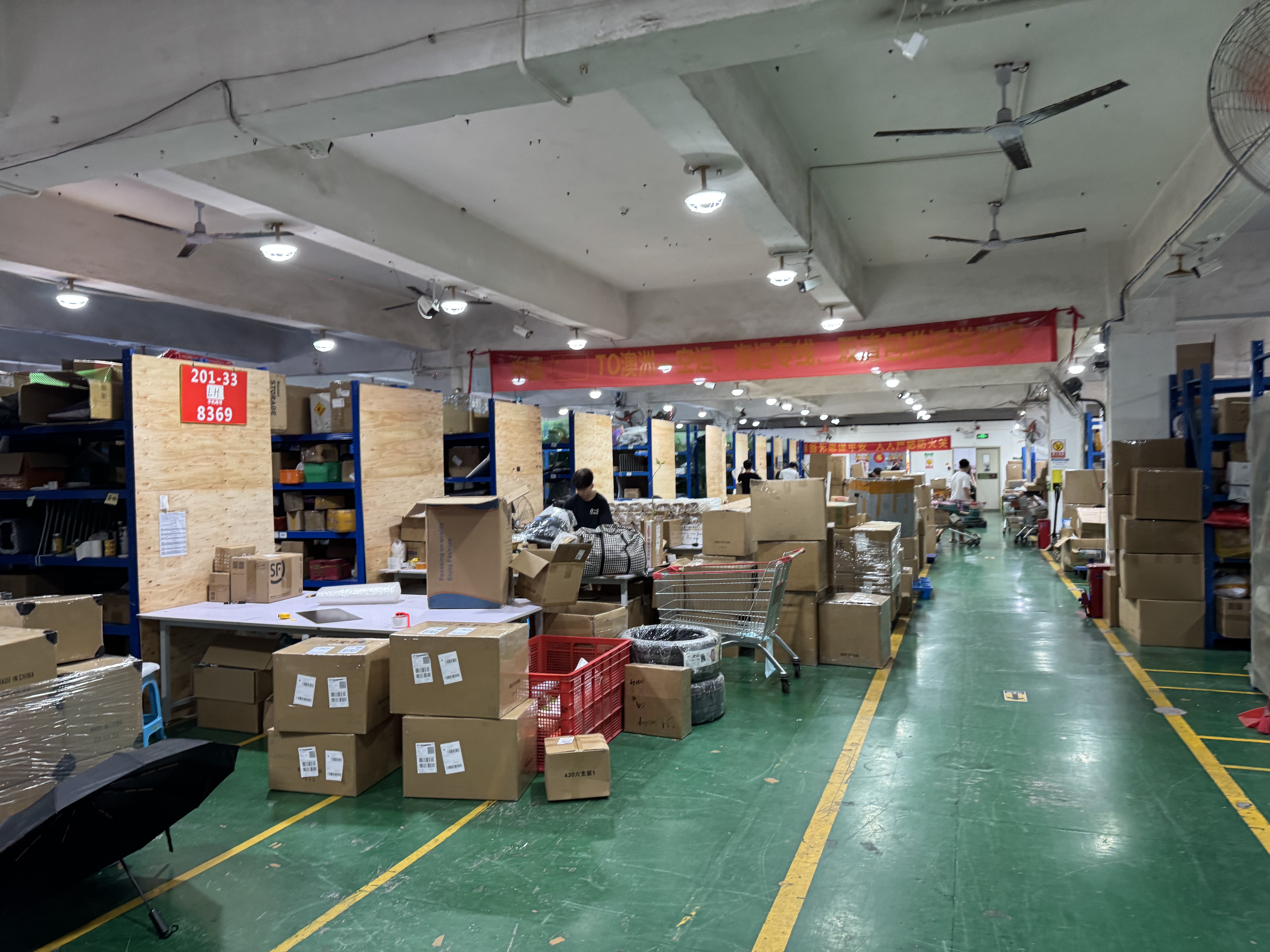
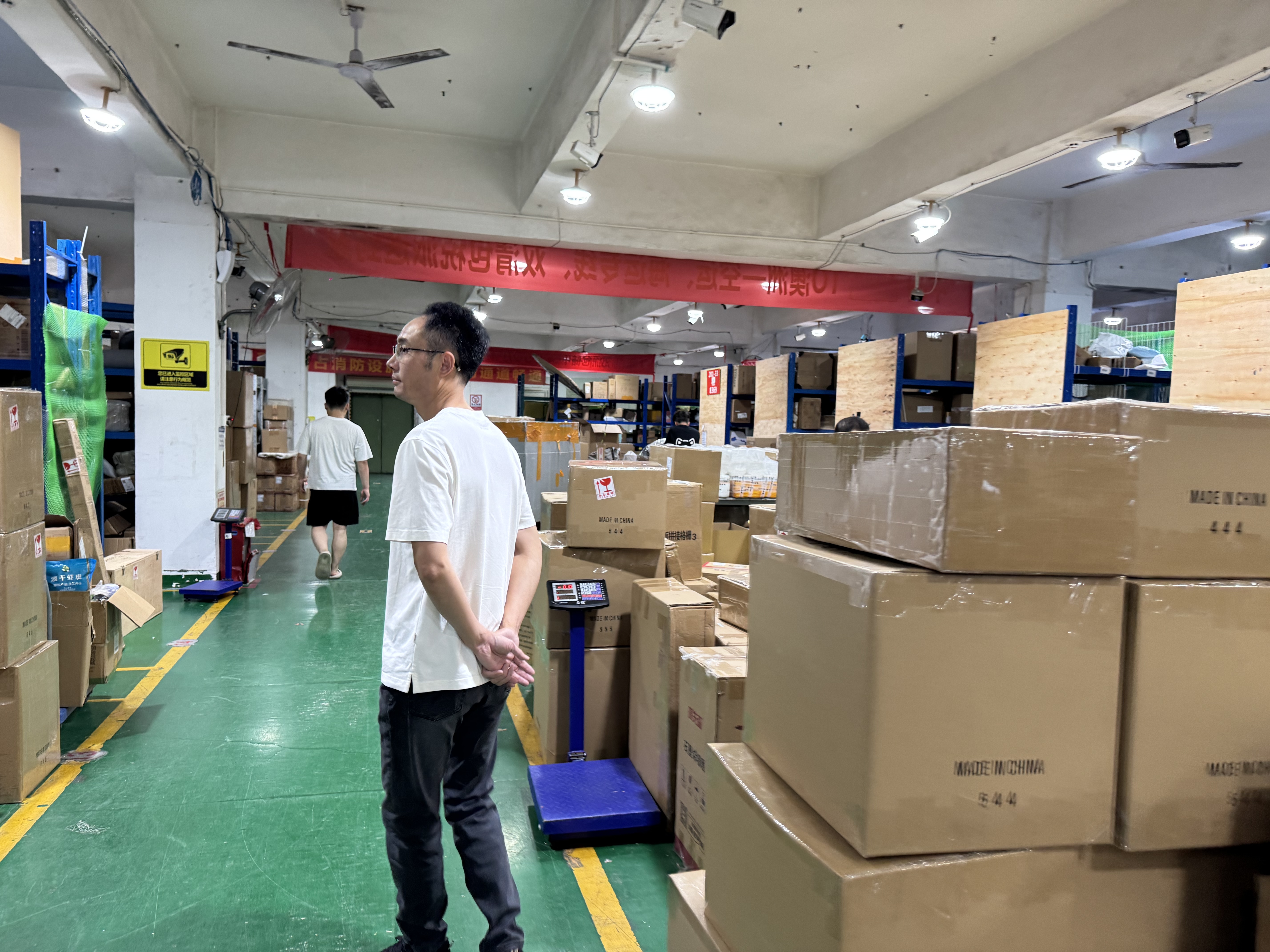
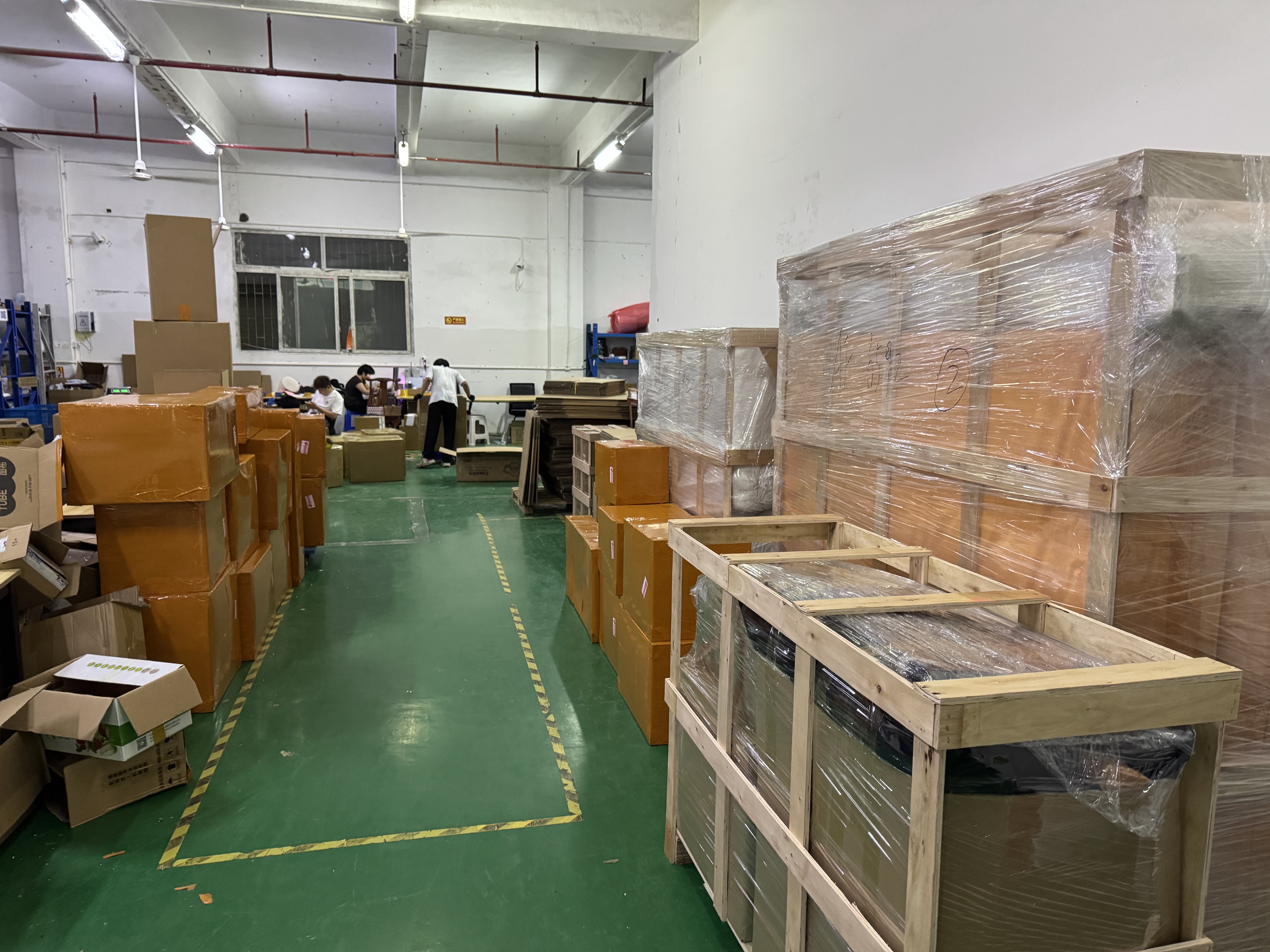
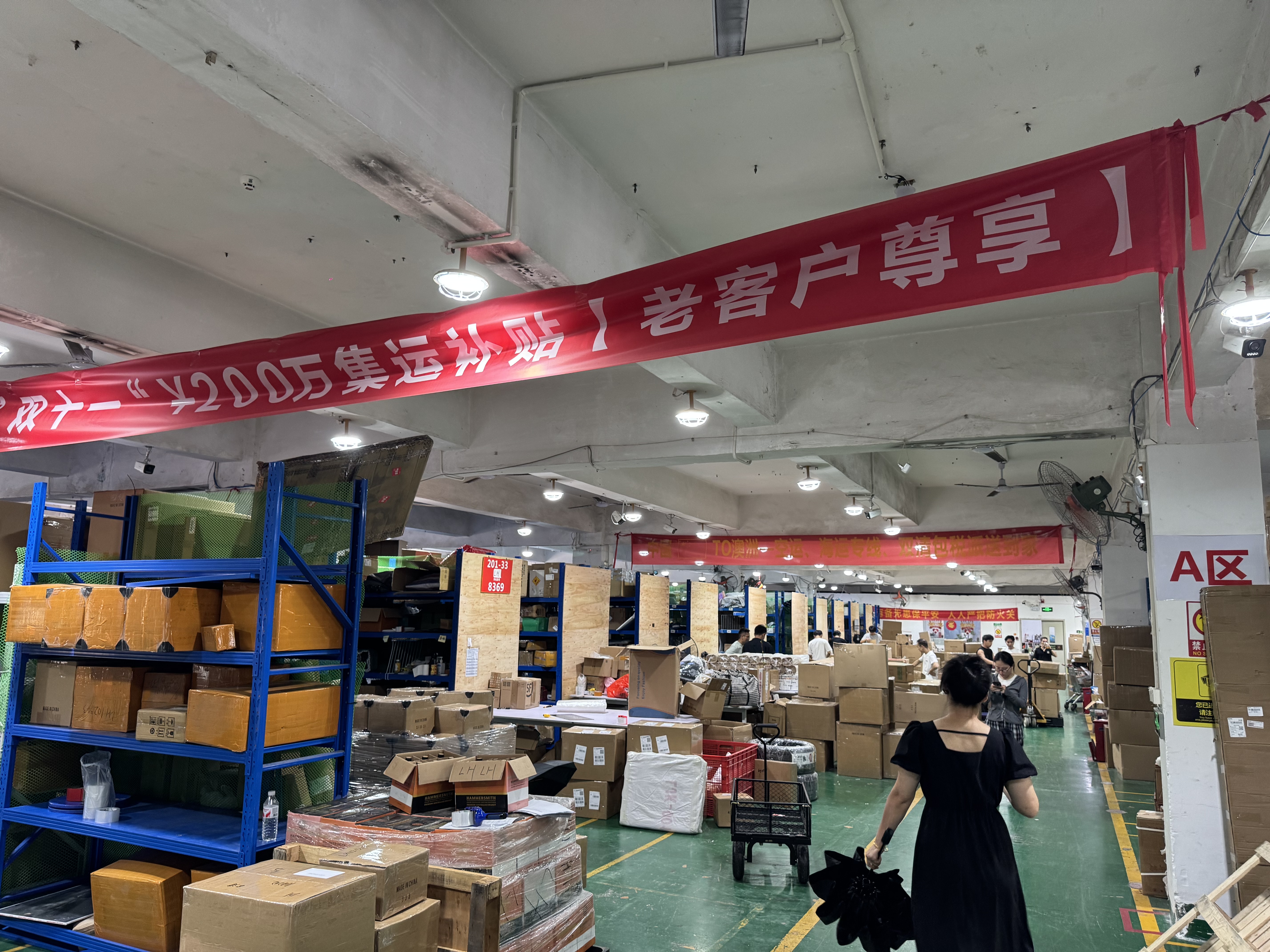
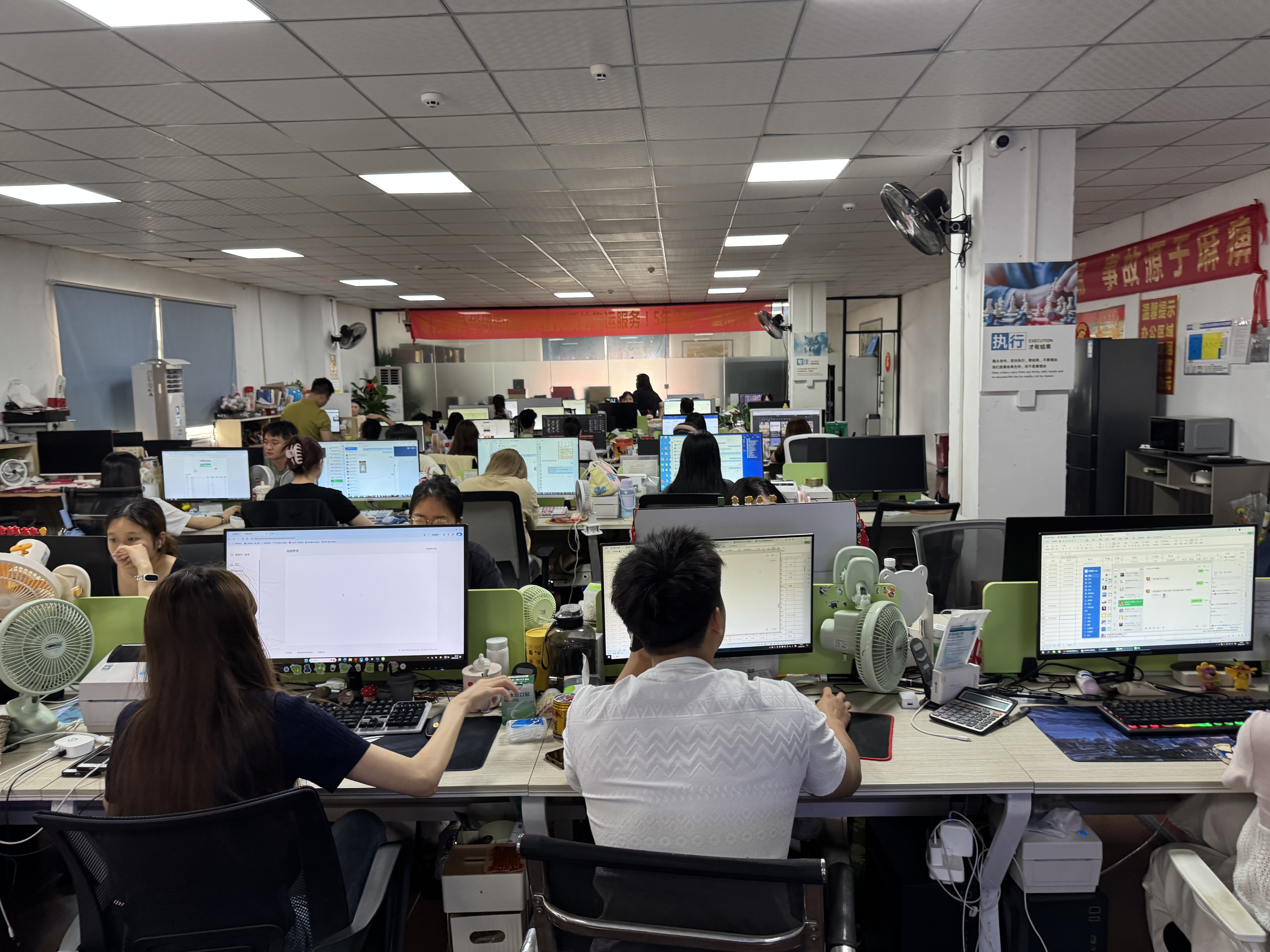
Shengda International Logistics has a lot to offer in this changing shipping landscape. Their vertical专线深耕 strategy allows them to have a deep understanding of the China - Australia shipping route. They know the local customs policies and market trends well, which helps in smooth customs clearance and efficient delivery. Moreover, their全链路自主可控 feature ensures that every step of the shipping process, from warehousing to final delivery, is under their direct management, reducing the risk of package loss or damage. Their场景化定制适配 service can provide tailored shipping solutions for different scenarios, whether it's a large - scale business shipment or a single - household appliance delivery. And with their计费透明高性价比 policy, you won't have to worry about hidden costs.
In conclusion, shipping large household appliances to Australia in 2026 will vary in different scenarios. With all these potential changes, it's crucial to choose a reliable logistics partner like Shengda International Logistics to navigate through the challenges and make the most of the opportunities.
