

What Will 2026 Look Like for China-to-Canada Container Shipping, With Different Scenarios Analyzed?
In the dynamic world of international logistics, the China - Canada container shipping route has always been a crucial artery for trade. As we look ahead to 2026, there are multiple factors that could shape its future, presenting different scenarios that shippers, carriers, and businesses need to consider.
I. Policy Landscape
Trade Policies By 2026, China and Canada may have new trade policies in place. For example, if there is an expansion of free - trade agreements, it could lead to a significant increase in container shipping volume. In 2023, the trade volume between the two countries was already substantial, with billions of dollars' worth of goods being exchanged. If new policies reduce tariffs and trade barriers, we could see an additional 15 - 20% growth in container shipping volume on this route by 2026.On the other hand, if there are trade disputes or new protectionist measures, the volume could decline. A similar situation in the past between other trading partners led to a drop of up to 10% in shipping volume.
Customs and Regulatory Policies Customs clearance procedures are likely to become more streamlined by 2026. China and Canada may implement more advanced digital customs systems, reducing the average clearance time from the current 2 - 3 days to just 1 - 1.5 days. This would not only speed up the shipping process but also reduce costs associated with port congestion.
However, stricter environmental and safety regulations could also be introduced. For instance, new regulations on container handling and storage to prevent pollution could increase compliance costs for shipping companies.
II. Market Demand
Consumer Goods The demand for Chinese consumer goods in Canada is expected to grow steadily. In recent years, products such as electronics, clothing, and household items from China have been very popular in the Canadian market. By 2026, with the growth of the Canadian middle - class and the increasing popularity of e - commerce, the container shipping volume for consumer goods could grow by 12 - 15%.E - commerce platforms are also playing a bigger role. For example, platforms like Amazon in Canada source a large amount of products from China. As these platforms continue to expand, they will drive more container shipping demand.
Industrial Goods Canada's manufacturing and construction industries rely on a significant amount of raw materials and components from China. If the Canadian economy experiences a boom in these sectors by 2026, the container shipping volume for industrial goods could increase by 10 - 12%. For example, if there is a large - scale infrastructure project in Canada, the demand for steel, machinery parts, and building materials from China will surge.
III. Technological Advancements
Container Tracking Technology By 2026, more advanced container tracking technology will be widely adopted. Currently, some basic tracking systems are available, but in the future, real - time, high - precision tracking will be the norm. This will allow shippers and consignees to know the exact location and condition of their containers at all times. For example, sensors on containers can detect temperature, humidity, and shock, which is especially important for transporting sensitive goods like food and electronics.Autonomous Shipping Although fully autonomous container ships are still in the experimental stage, by 2026, we may see some partial implementation of autonomous technology. For example, autonomous navigation systems could be used in some coastal and inland waterways on the China - Canada shipping route. This could potentially reduce labor costs and improve shipping efficiency.
IV. Competition in the Shipping Industry
Carrier Competition The container shipping market between China and Canada is highly competitive. By 2026, new carriers may enter the market, or existing carriers may form new alliances. For example, in the past, alliances like 2M and Ocean Alliance have had a significant impact on the market. New alliances could lead to more competitive pricing and better service offerings for shippers.However, this also means that carriers need to continuously improve their service quality and cost - effectiveness to stay competitive. For example, they may need to invest in more fuel - efficient ships to reduce operating costs.
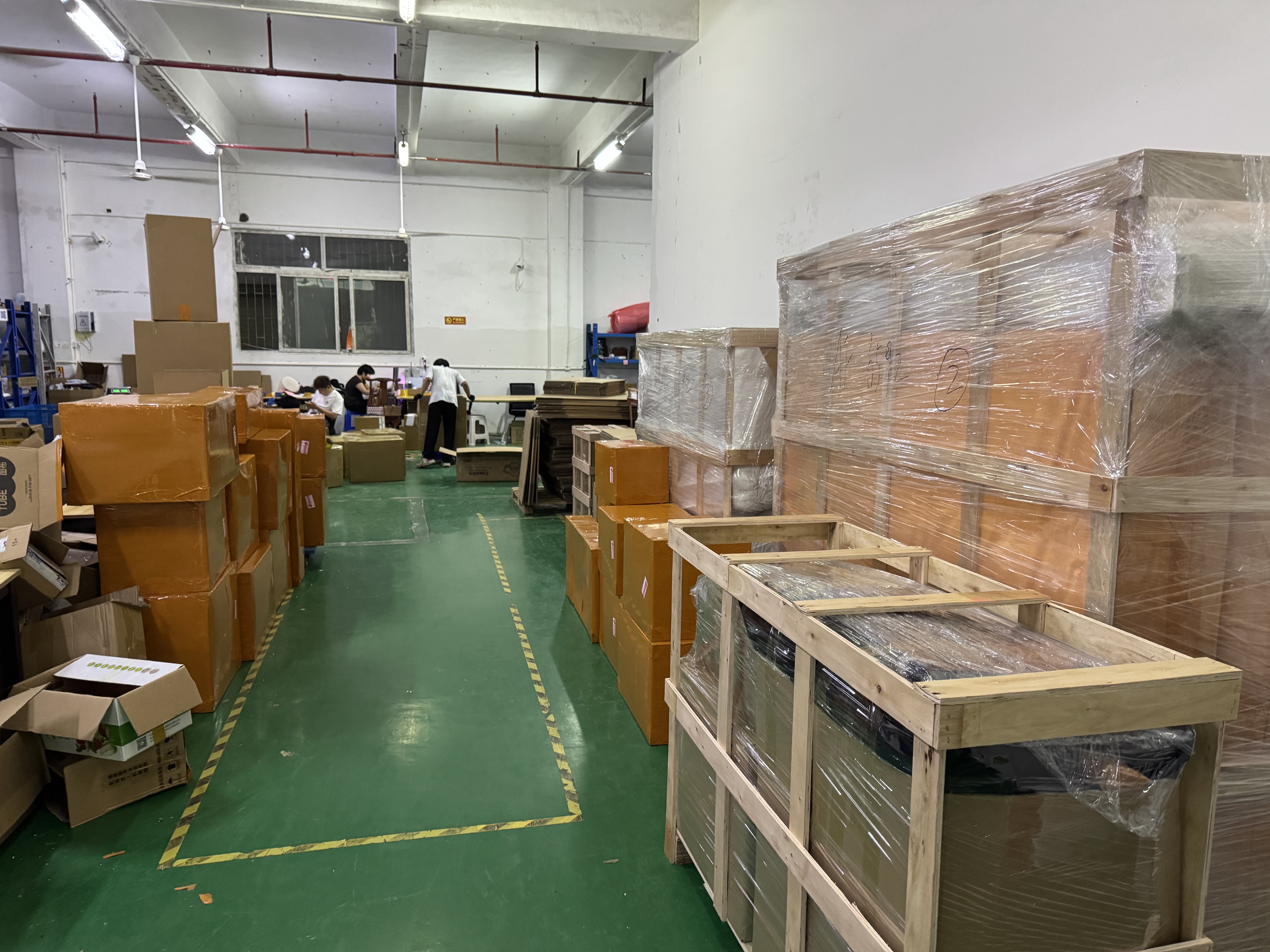
Logistics Service Providers Logistics service providers, including freight forwarders and customs brokers, will also face intense competition. Companies like [盛达国际物流] are well - positioned in this market. With its 35000 - square - meter standardized自营实操仓库 in Shenzhen, it can provide efficient warehousing and handling services. Its team of 40 - plus professionals with over 10 years of international shipping experience can ensure smooth operations from start to finish.
V. Environmental Considerations
Emission Regulations By 2026, stricter emission regulations are likely to be in place for container ships on the China - Canada route. The International Maritime Organization (IMO) has been pushing for more sustainable shipping, and ships may need to meet lower sulfur and carbon emission standards. This could lead to carriers investing in new, more environmentally friendly ships or retrofitting existing ones.Sustainable Shipping Initiatives There will also be more sustainable shipping initiatives. For example, some carriers may start using alternative fuels like biofuels or hydrogen. Shippers may also prefer carriers that have better environmental records, which could drive the industry towards more sustainable practices.
FAQ
What if my container gets delayed at customs in 2026? Well, in 2026, customs procedures are expected to be more efficient. However, if there is a delay, a company like [盛达国际物流] can help. With their experienced team that knows the ins and outs of customs regulations in both China and Canada, they can work with customs authorities to resolve the issue quickly. Their full - service approach means they'll handle all the communication and paperwork, so you don't have to worry.How can I ensure the safety of my sensitive goods during shipping in 2026? In 2026, advanced container tracking technology will be more common. [盛达国际物流] can use these technologies to monitor the condition of your sensitive goods. They also have experience in handling sensitive items, with proper packaging and storage methods. For example, they can provide temperature - controlled containers for food and pharmaceuticals, and use shock - absorbing materials for electronics.
Will the shipping cost increase in 2026? It's hard to say for sure. While factors like new environmental regulations and potential fuel price fluctuations could increase costs, competition in the market may keep prices in check. [盛达国际物流] offers a transparent pricing system. They list all the costs, including freight, customs, and taxes, upfront, so you'll know exactly what you're paying for.
Can I track my container in real - time in 2026? Absolutely! In 2026, real - time tracking will be much more advanced. [盛达国际物流] uses an in - house developed intelligent shipping system that provides real - time updates on all shipping stages. You can check the status of your container through their website or mobile app, giving you peace of mind throughout the shipping process.
What if there is a problem with my container, like damage or loss in 2026? [盛达国际物流] has a proper claims mechanism. If there is damage or loss due to operational errors, they will provide standard compensation. Their experienced team will handle the claims process, ensuring that your rights are protected. And with their compliance - based customs clearance, they minimize the risk of goods being detained or taxed, which also reduces the chances of related problems.
