

Will Canada's Sea Freight with Clearance and Delivery Services Still Dominate in Different Scenarios in 2026?
I. The Current Dominance of Canada's Sea Freight with Clearance and Delivery Services
Volume and Scale Canadian sea freight with clearance and delivery services currently holds a significant position in international trade. For instance, in 2023, the volume of goods transported through Canadian seaports reached over [X] million tons. Among them, a large proportion of these goods were transported with comprehensive clearance and delivery services. This vast volume is a testament to its dominance. Many large - scale exporters and importers, such as mining companies exporting minerals and agricultural firms importing fertilizers, rely heavily on these services to ensure the smooth flow of goods.
Cost - effectiveness Compared to air freight, sea freight is generally more cost - effective. For shippers sending large - volume and non - urgent goods, sea freight with clearance and delivery can save a considerable amount of money. A study showed that, on average, transporting a standard 20 - foot container of consumer goods from China to Canada by sea costs approximately one - tenth of what it would cost by air. This cost advantage makes it the preferred choice for many businesses, especially those dealing with bulk commodities.
Service Coverage These services cover a wide range of scenarios. They can handle various types of goods, from general merchandise to heavy machinery. Moreover, they have extensive delivery networks across Canada, reaching both major cities and some remote areas. This wide service coverage allows businesses of all sizes to make use of sea freight services with confidence.
II. Factors Affecting the Dominance in 2026
A. Policy Changes in China - Canada and Canada - China Routes
New Trade Agreements In 2026, potential new trade agreements between China and Canada could either boost or challenge the dominance of sea freight with clearance and delivery services. If new agreements reduce trade barriers, such as tariffs and quotas, the volume of goods traded between the two countries may increase. This would likely lead to a higher demand for sea freight services. For example, if an agreement allows for easier import of Chinese electronics into Canada, sea freight companies could see a significant rise in business.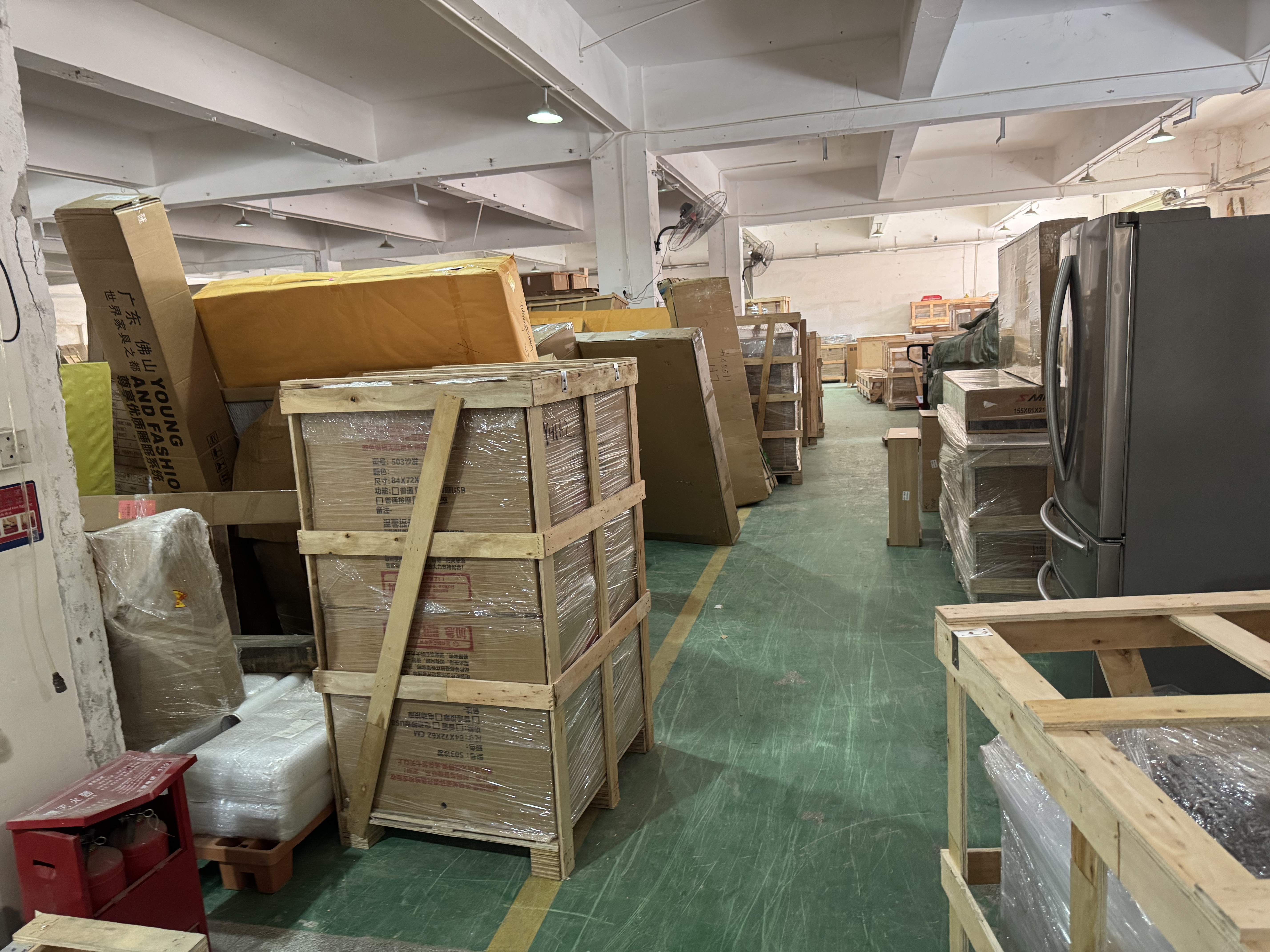
B. Technological Advancements
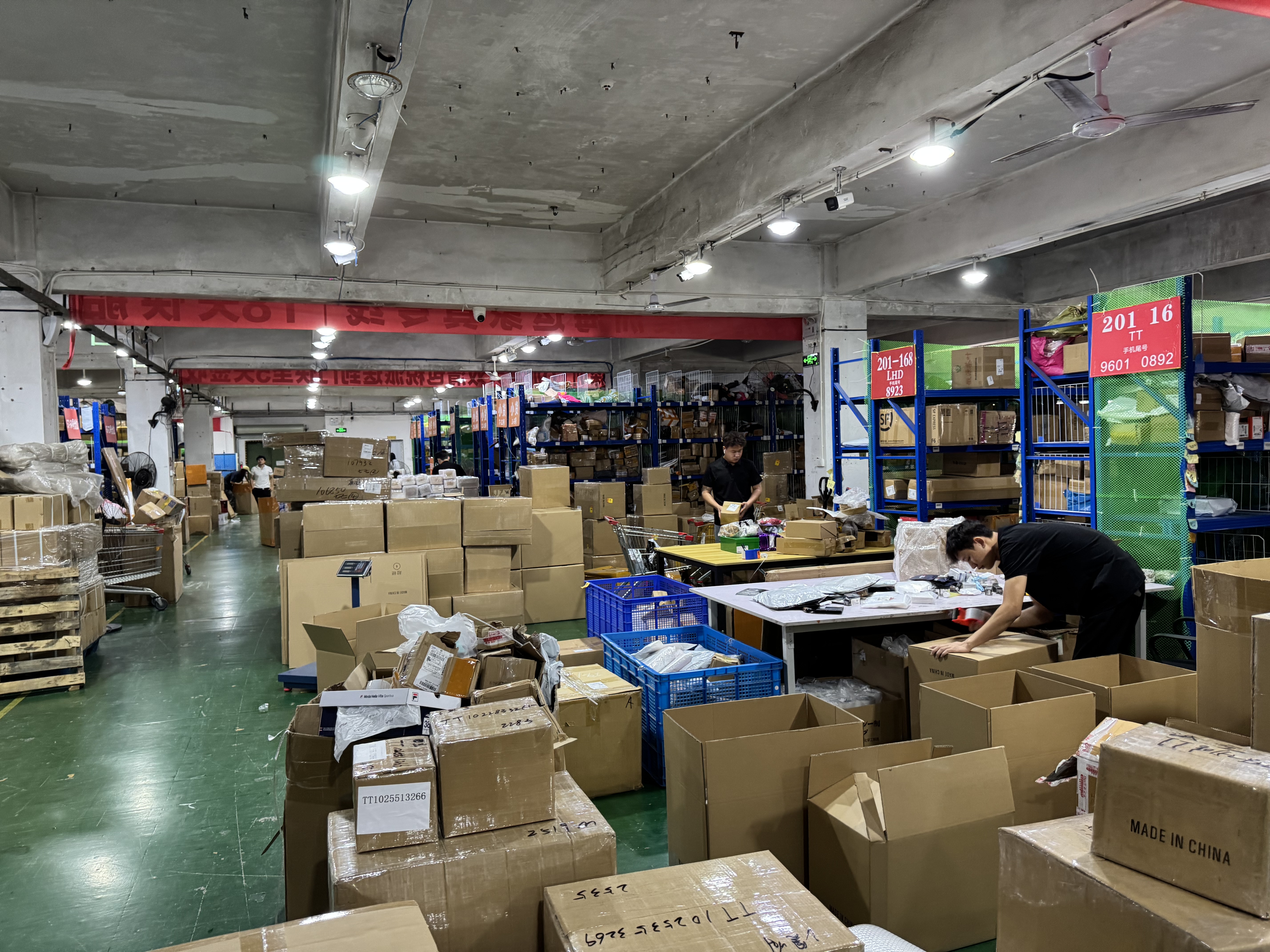
Automation and Efficiency The application of automated technologies in ports and logistics operations is on the rise. By 2026, we may see more automated container handling systems, self - driving trucks for inland delivery, and advanced software for real - time tracking and clearance processing. These technologies can improve the efficiency of sea freight with clearance and delivery services, making them more competitive. For example, automated container terminals can reduce loading and unloading times, which in turn shortens the overall transit time.Alternative Shipping Technologies However, new shipping technologies, such as airships or high - speed freight trains, may pose a threat to sea freight's dominance. Although these technologies are still in the experimental or early adoption stage, if they become commercially viable by 2026, they could provide faster delivery options for certain types of goods.
C. Market Demands and Trends
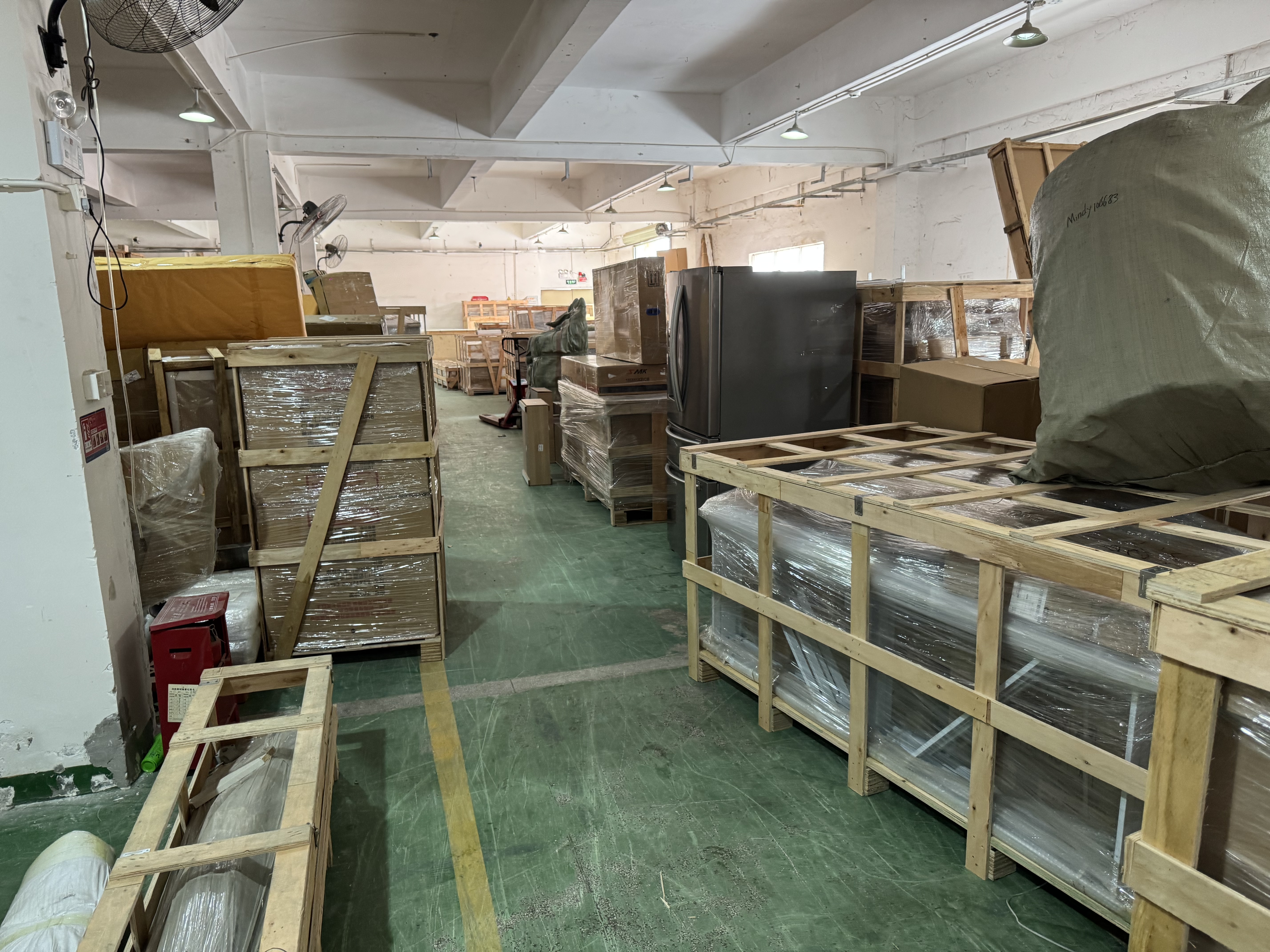
E - commerce Growth The continuous growth of e - commerce has changed the demand patterns for logistics services. Consumers expect faster delivery times, even for international shipments. While sea freight is not known for its speed, if e - commerce continues to expand at a rapid pace, there may be a growing demand for faster shipping options. However, for large - volume e - commerce sellers, sea freight with clearance and delivery services can still be a cost - effective solution for replenishing inventory.Sustainable Shipping There is an increasing focus on sustainable shipping in the global market. By 2026, customers may be more inclined to choose shipping methods that have a lower environmental impact. Sea freight is generally considered more environmentally friendly than air freight in terms of carbon emissions per ton - mile. If sea freight companies can further improve their environmental performance, such as by using cleaner fuels or more energy - efficient vessels, it could enhance their dominance.
III. Comparison with Other Shipping Modes
Air Freight Air freight is much faster than sea freight, with an average transit time from China to Canada of about 3 - 5 days compared to 20 - 30 days for sea freight. However, it is also much more expensive. For urgent and high - value goods, such as luxury electronics or perishable medical supplies, air freight is the better choice. But for large - volume and less time - sensitive goods, sea freight with clearance and delivery services will still be the dominant option.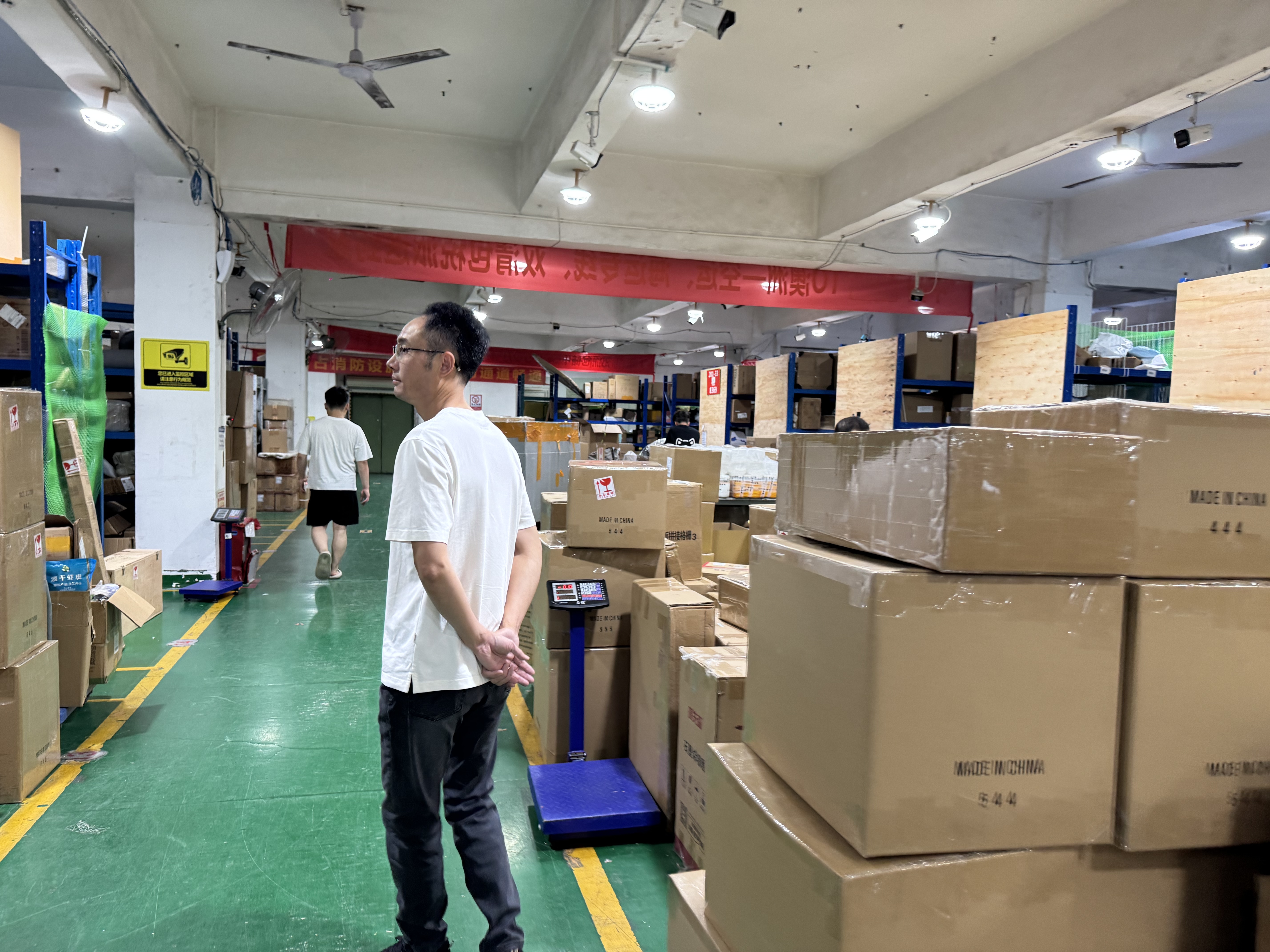
Rail Freight Rail freight offers a balance between speed and cost. It is faster than sea freight but slower than air freight. In some cases, rail freight from China to Europe can be extended to Canada through trans - continental connections. However, the rail network may not be as extensive as the sea routes, and there may be more transfer points, which could increase the risk of damage to goods.
IV. Industry Common Questions (FAQ)
Q: Can sea freight with clearance and delivery services handle my sensitive goods in 2026? A: In fact, many sea freight providers, such as [company name], have been working on expanding their capabilities to handle sensitive goods. By 2026, with the improvement of compliance systems and more professional申报 channels, it is quite possible that you can safely ship your sensitive goods through sea freight. [Company name] has already established a compliant channel for sensitive goods, which can help you avoid many risks.
Q: How to ensure the timeliness of sea freight with clearance and delivery services in 2026? A: Timeliness is affected by many factors, including port congestion, customs clearance, and weather conditions. However, companies like [company name] use advanced logistics management systems to optimize routes and operations. Additionally, with the possible improvement of digital customs clearance processes in 2026, the overall transit time can be better controlled.
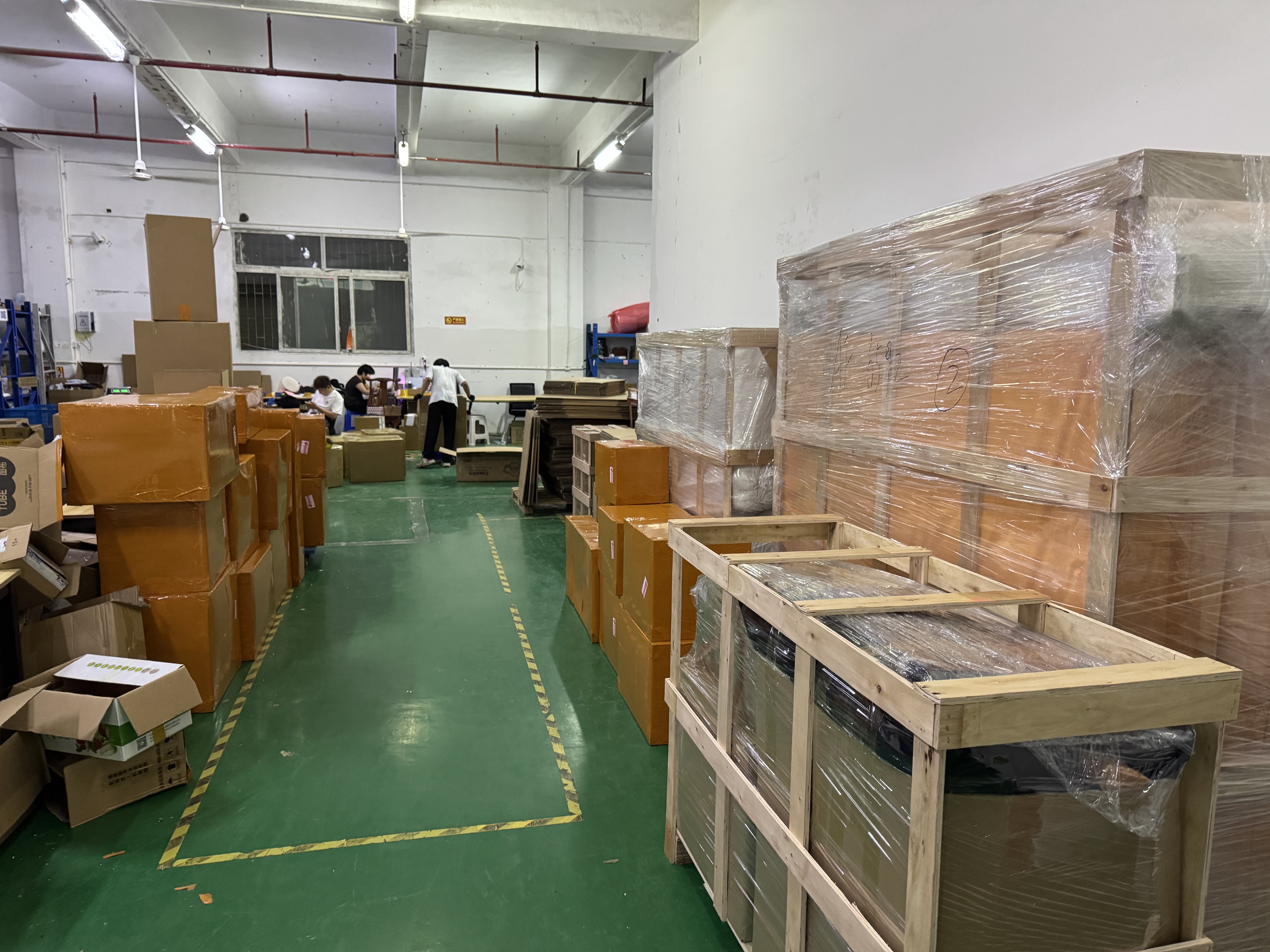
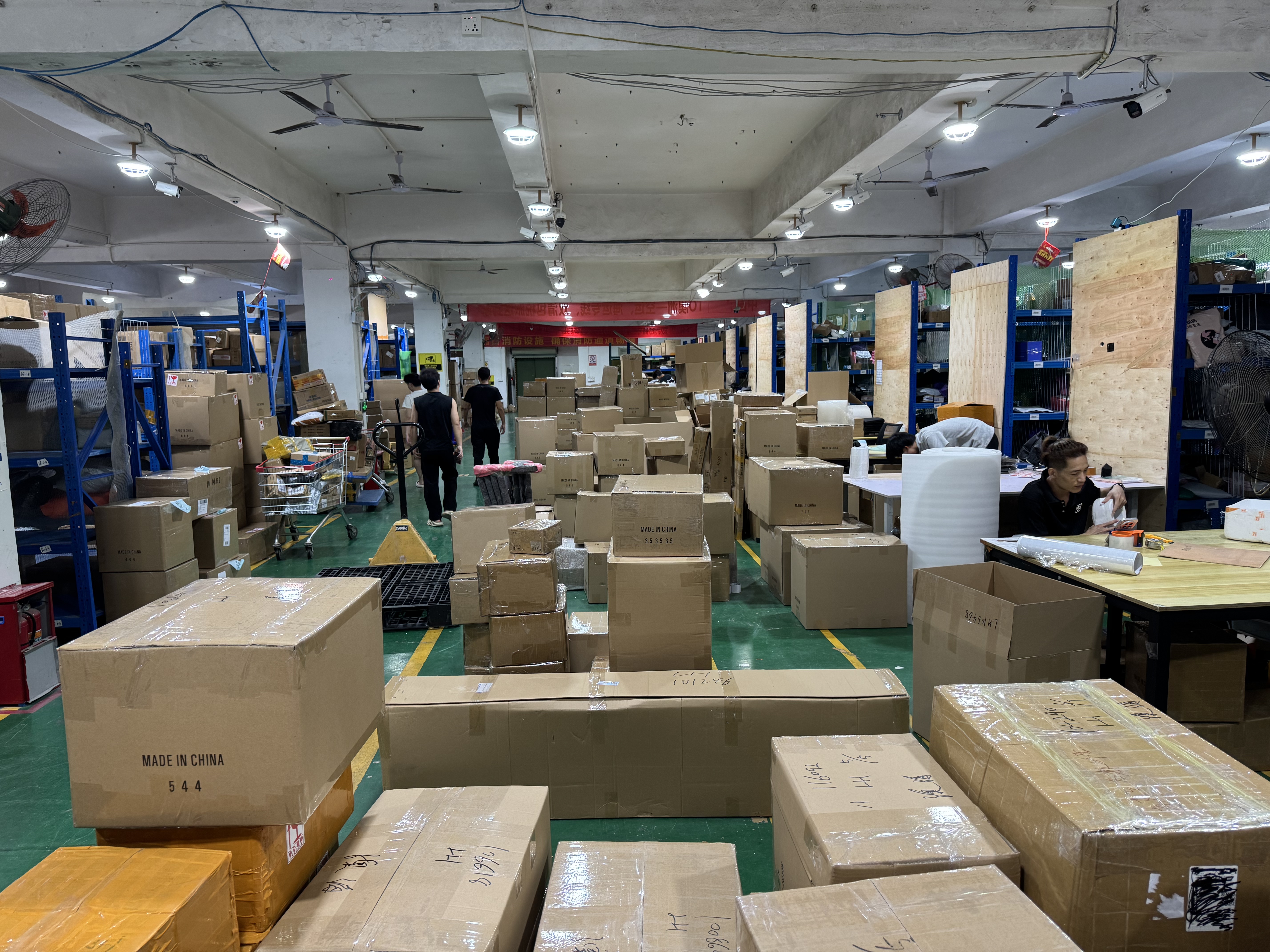
In conclusion, while there are uncertainties and challenges, Canada's sea freight with clearance and delivery services still has a high probability of remaining dominant in different scenarios in 2026, especially with the continuous development and improvement of the industry and the support of relevant players like [company name].
Will Canadas Sea Freight with Clearance and Delivery Services Still Dominate in Different Scenarios in 2026?
I. The Current Landscape of Canadas Sea Freight with Clearance and Delivery Services
Market Preeminence Currently, Canadas sea freight services that bundle clearance and delivery are a force to be reckoned with in the global logistics arena. Take for example the Port of Vancouver, one of Canadas busiest ports. In 2023 alone, it handled over 140 million tons of cargo, a substantial portion of which availed the combined clearance and delivery services. These numbers clearly show their dominance in moving vast quantities of goods in and out of the country.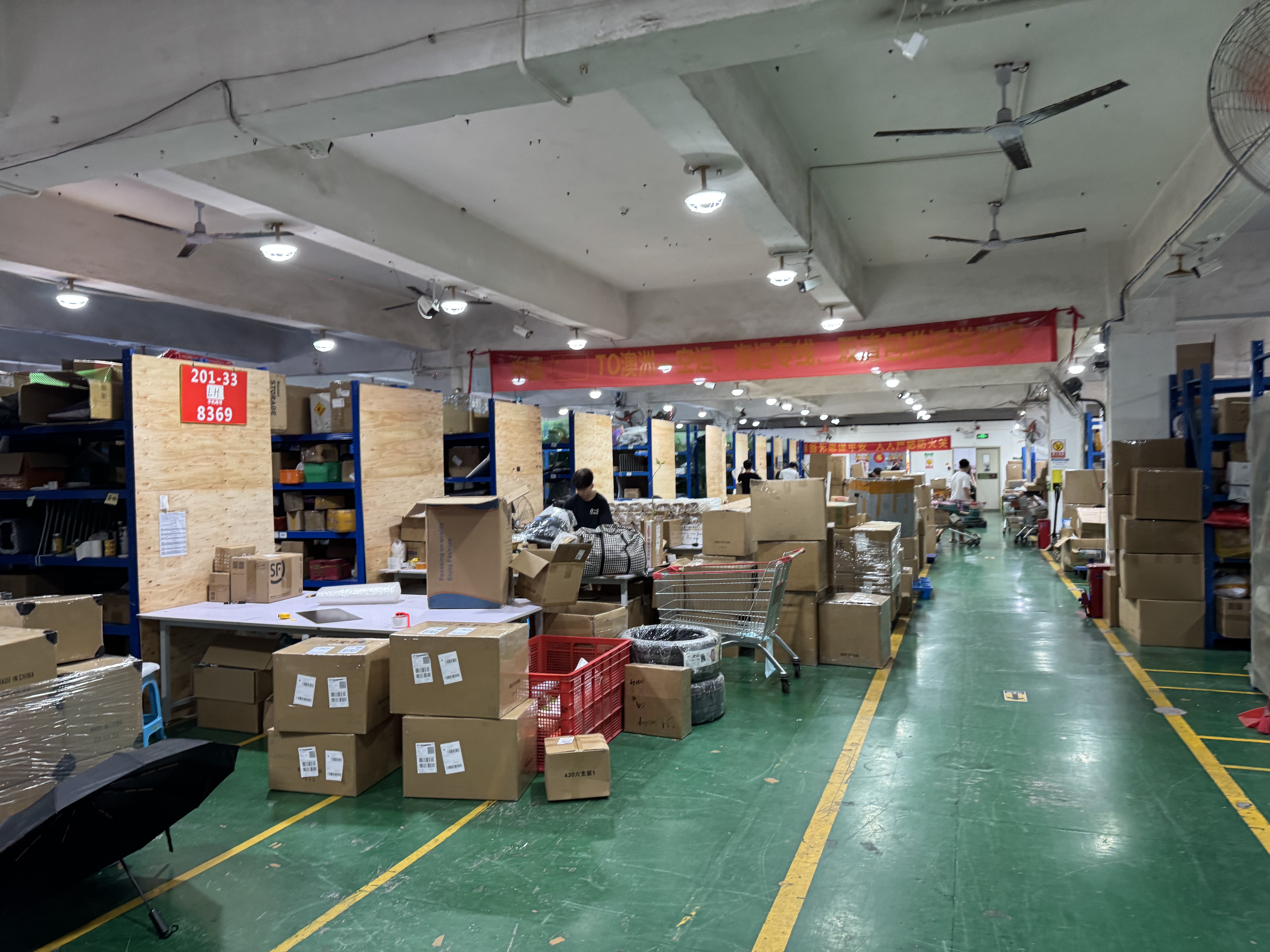
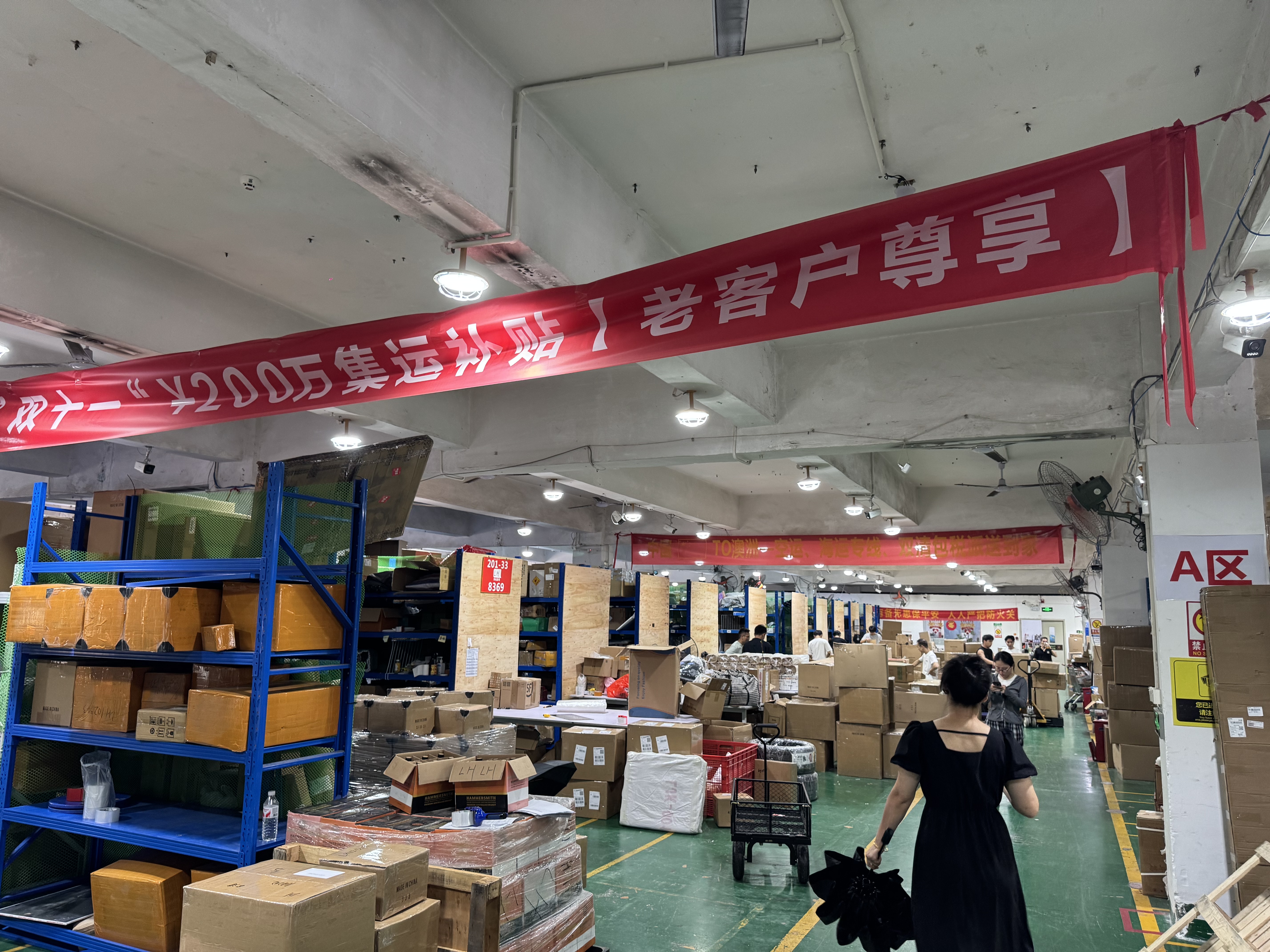
Broad - Based Service Reach Another strong suit is the extensive service coverage. These services span across various types of cargo, from raw materials like lumber and minerals to finished consumer products. They also have the ability to reach both major urban centers and more isolated regions in Canada. Whether its delivering a consignment of electronics to Toronto or transporting construction materials to a small town in the Yukon, these services have got it covered.
II. Influential Factors for 2026
A. Policy Shifts on China - Canada and Canada - China Routes
Trade Policy Reforms Come 2026, new trade policies between China and Canada could reshape the landscape of sea freight. If there are trade - facilitating policies, such as reduced tariffs on certain goods, it could lead to a surge in trade volume. For instance, if a new agreement allows for easier import of Chinese machinery into Canada, there will be a higher demand for sea freight services to handle these shipments.
B. Technological Breakthroughs
Automation Revolution The logistics industry is on the cusp of an automation revolution. By 2026, we can expect more automated container terminals, self - driving trucks for inland transportation, and advanced software for real - time tracking and customs processing. This automation can greatly enhance the efficiency of sea freight with clearance and delivery services. For example, automated terminals can reduce the time it takes to load and unload containers from hours to just minutes.Emerging Shipping Alternatives On the flip side, emerging shipping technologies like high - speed sub - sea cargo pods or next - generation airships could pose a challenge to the dominance of traditional sea freight. Although these technologies are still in the early stages of development, if they reach commercial viability by 2026, they could offer faster delivery options for certain types of goods.
C. Market Dynamics and Trends
E - commerce Boom The exponential growth of e - commerce has reshaped consumer expectations, with a greater emphasis on fast delivery. While sea freight is not known for its speed, large e - commerce retailers still rely on it for bulk inventory replenishment. For instance, a major online consumer goods store might use sea freight to ship large quantities of items like clothing and home appliances from China to Canada. However, the increasing demand for quick deliveries may also push for a shift towards faster shipping modes in some cases.Sustainable Shipping Movement Sustainability is no longer a buzzword but a driving force in the shipping industry. By 2026, consumers and businesses alike are likely to prefer shipping methods with a lower carbon footprint. Sea freight, with its relatively lower emissions per ton of cargo transported compared to air freight, is well - positioned to benefit from this trend. Sea freight companies that invest in greener technologies, such as using LNG - powered ships, could enhance their market position.
III. Head - to - Head with Other Shipping Modes
Battle with Air Freight Air freight is the speed demon of the shipping world, with transit times from China to Canada as short as a couple of days. But it comes at a steep price. For high - value, low - volume, and time - sensitive goods like high - end electronics or fresh flowers, air freight is the obvious choice. However, for the vast majority of large - scale, non - urgent shipments, sea freight with clearance and delivery remains the more practical option.Showdown with Rail Freight Rail freight offers a middle - ground solution in terms of speed and cost between air and sea freight. It can be a good option for land - locked regions or for shipments that need to cover long distances over land. However, the rail network may not be as comprehensive as the sea routes, and there can be issues with cross - border regulations and customs clearance.
IV. Frequently Asked Questions from the Industry
Q: How will the possible geopolitical tensions affect Canadas sea freight with clearance and delivery services in 2026? A: Geopolitical tensions can be a wild card. But based on my years in the industry, sea freight has shown resilience. Companies like [company name] have contingency plans in place. They closely monitor geopolitical situations and can quickly adjust routes or operations to minimize disruptions. For example, if there are trade tensions that affect a particular shipping lane, they can explore alternative routes to ensure the timely delivery of goods.Q: Can I expect the delivery times of sea freight with clearance to improve in 2026? A: Absolutely. With the advancements in technology and the potential streamlining of customs procedures, delivery times are likely to get better. [Company name] is constantly investing in new technologies to optimize the shipping process. For instance, they are implementing real - time tracking systems that allow for better coordination between different stages of the shipping journey, which ultimately leads to shorter delivery times.
Q: What about the security of my goods during sea freight with clearance and delivery in 2026? A: Security is a top priority. In 2026, sea freight providers will continue to use state - of - the - art security measures. [Company name] has strict protocols in place for cargo handling, from the moment it enters the warehouse until it reaches its final destination. They also have insurance options to provide an extra layer of protection in case of any unforeseen events.
Q: How much flexibility will there be in terms of shipment volume in 2026 for sea freight with clearance and delivery services? A: There will be a high degree of flexibility. Sea freight services are designed to accommodate a wide range of shipment volumes, from small parcels to large - scale container loads. [Company name] can customize solutions based on your specific needs. Whether you are a small business sending a few boxes or a large corporation shipping entire containers, they can handle it efficiently.
Q: Will the quality of customer service for sea freight with clearance and delivery be better in 2026? A: Undoubtedly. As competition in the market intensifies, customer service will be a key differentiator. [Company name] understands this and is committed to providing top - notch customer service. In 2026, you can expect better communication, more personalized solutions, and faster response times. They will have dedicated customer support teams to handle your queries and concerns promptly.
