

Will 2026 See Different Scenarios for Shipping Large Items to Canada?
In the dynamic world of international logistics, the year 2026 might bring significant changes to the scenarios of shipping large items to Canada. Let's explore what could potentially unfold and how shippers can navigate these changes.
I. Policy and Regulatory Changes
The policies governing the 2026 China - Canada and Canada - China shipping routes are expected to have an impact on large - item shipping.
Customs Regulations Customs authorities are constantly updating their rules. For instance, in recent years, there has been a growing emphasis on environmental and safety standards for imported goods. In 2026, it's likely that large items like furniture or construction equipment will face more stringent inspections regarding materials used, such as the use of sustainable wood or non - toxic paints.According to industry reports, around 20% of large - item shipments were subject to additional inspections last year due to non - compliance with emerging environmental regulations. With the continuous development of environmental protection concepts, this proportion may increase in 2026.
Tariff Adjustments Tariffs can fluctuate based on trade agreements and political situations. If there are changes in the China - Canada trade relationship, the tariff rates for large items could be adjusted. For example, if new trade incentives are introduced, the cost of shipping large items might decrease. On the contrary, trade frictions could lead to higher tariffs. In 2020, due to some trade disputes, the average tariff for large furniture items increased by about 15%, which significantly affected the shipping cost and market price.

FAQ Q: How can I ensure my large items comply with Canadian customs regulations in 2026? A: Based on my experience, it's crucial to stay updated on the latest regulations. You can consult with a professional logistics provider like Shengda International Logistics. They have a team of experts who are well - versed in Canadian customs rules and can guide you through the compliance process.
II. Technological Advancements
Technology will play a vital role in changing the large - item shipping scenarios to Canada in 2026.
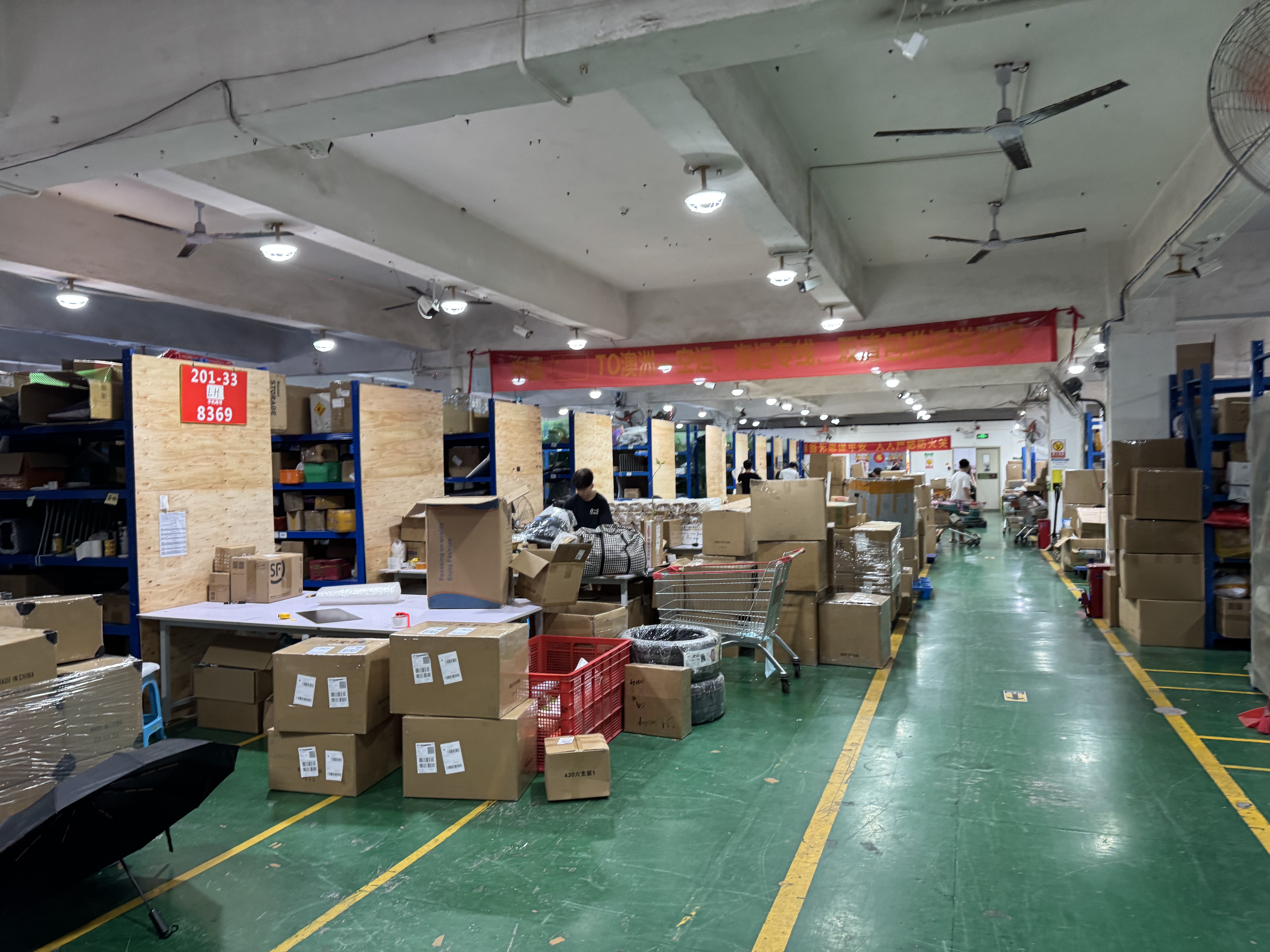
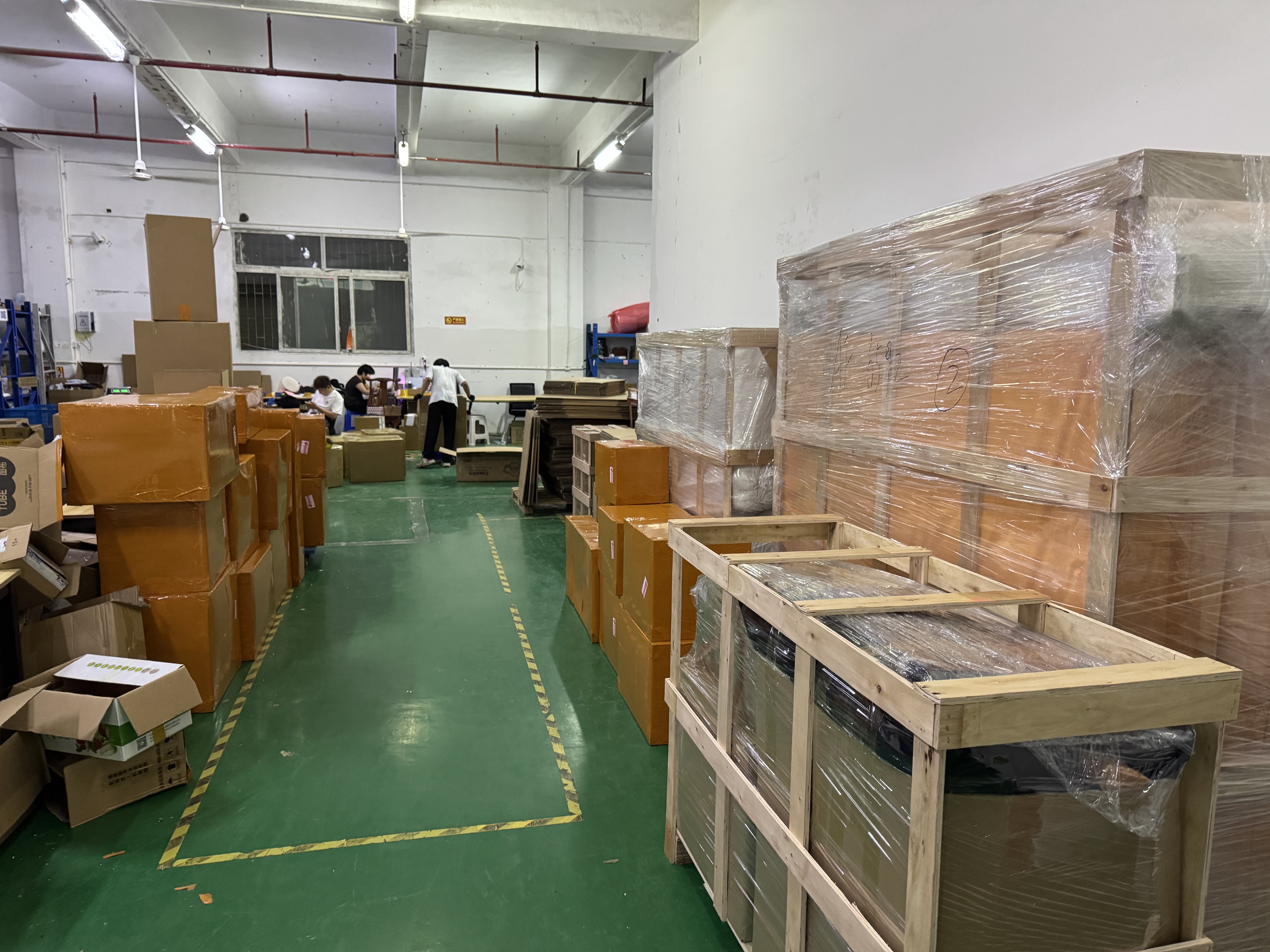
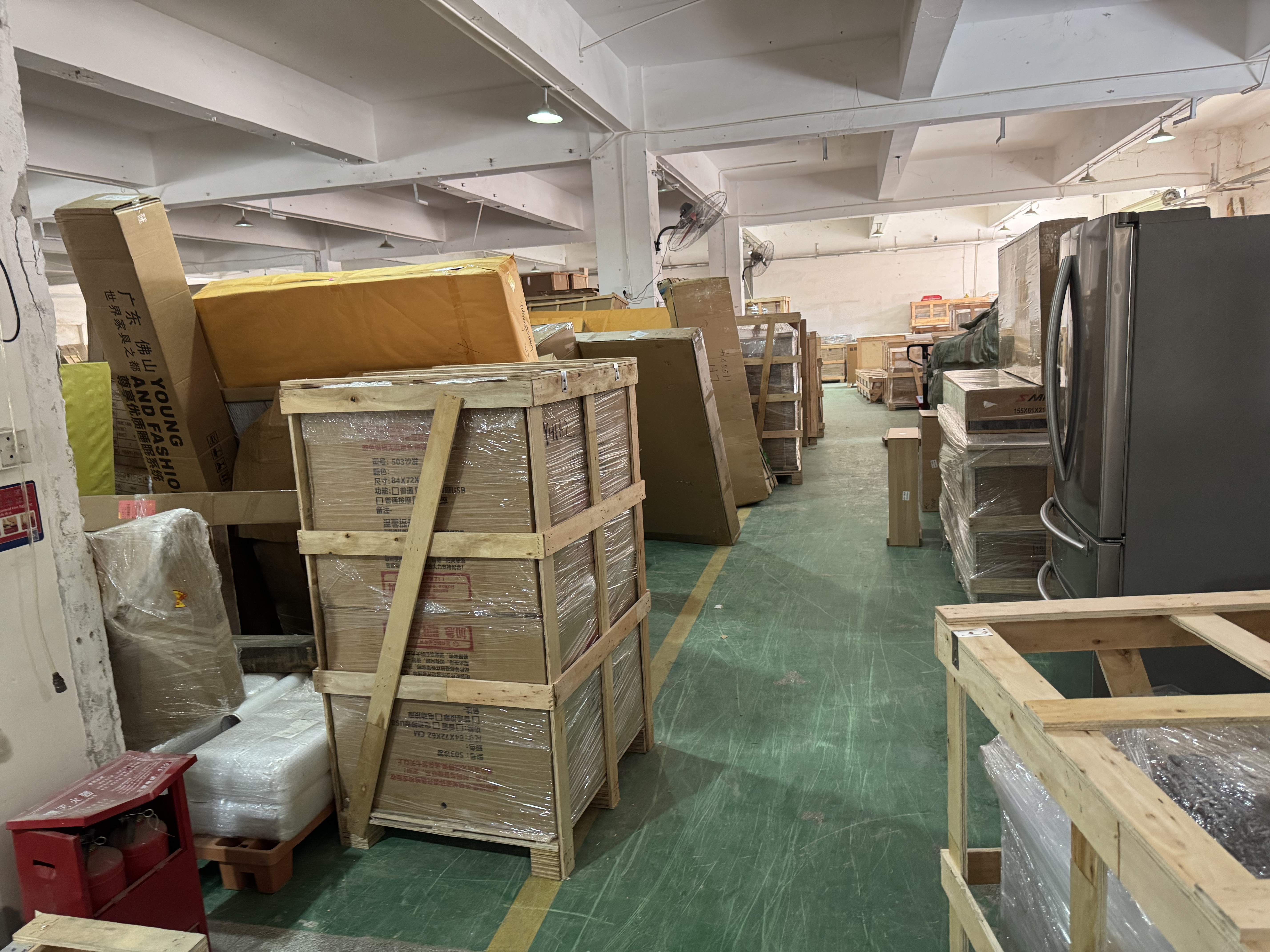
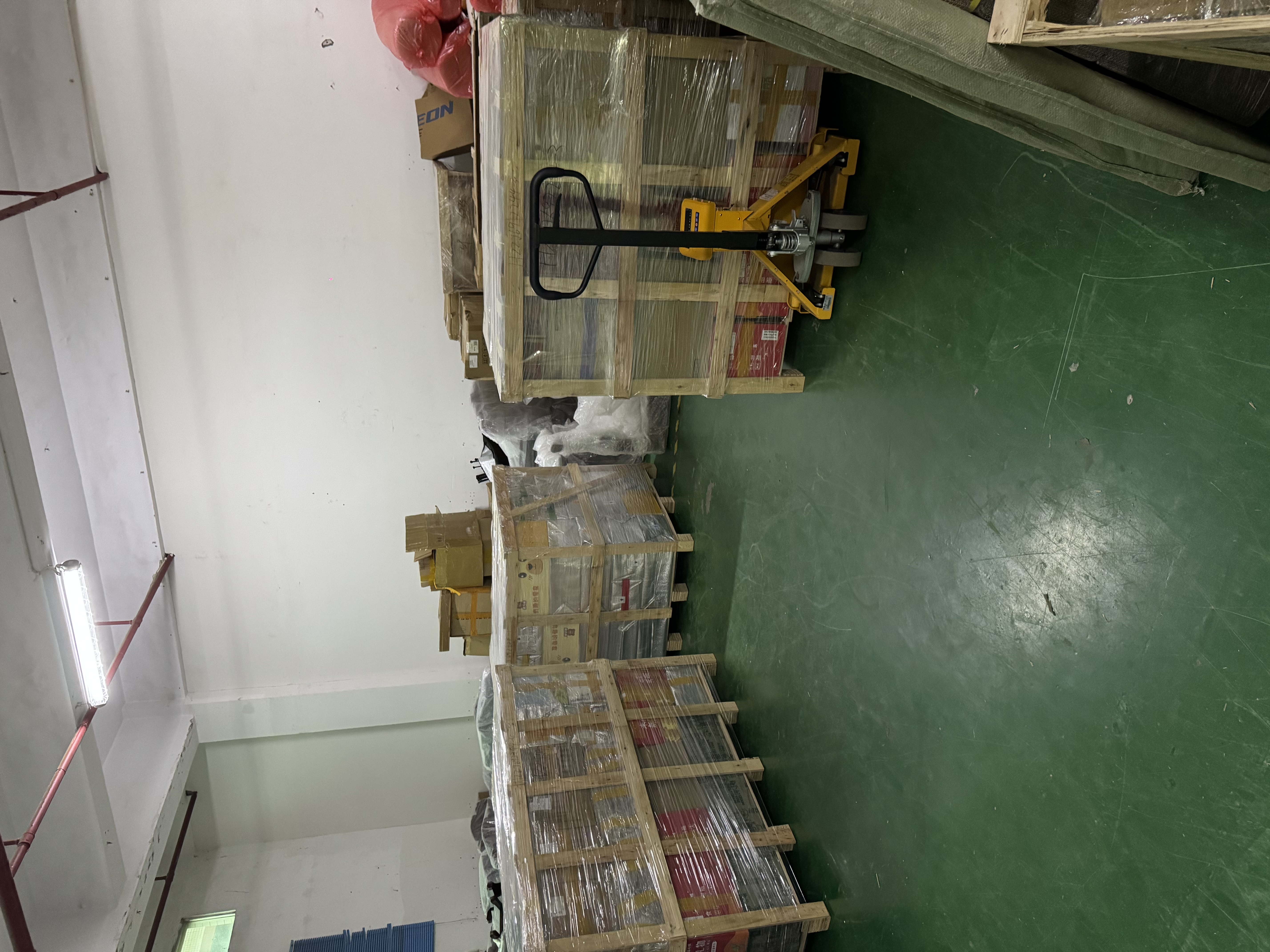
FAQ Q: Can I track my large items in real - time during the 2026 shipping process? A: Absolutely! In 2026, technology will make real - time tracking more accessible. Companies like Shengda International Logistics are constantly investing in advanced tracking systems. You'll be able to know the exact location and condition of your large items at any time.
III. Market Competition
The market for shipping large items to Canada is highly competitive, and 2026 will likely see some interesting developments.
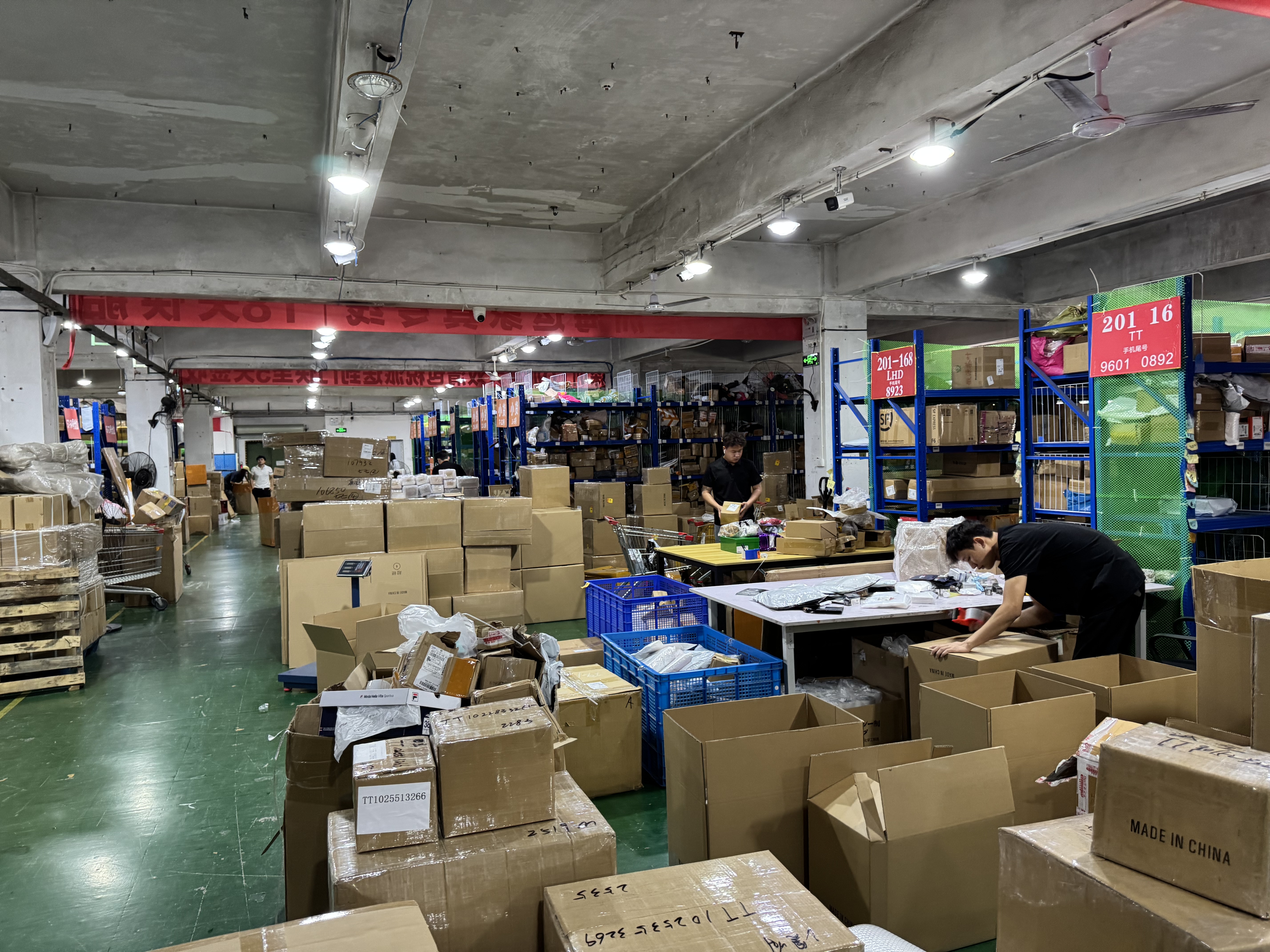
Mergers and Acquisitions On the other hand, we may also see some mergers and acquisitions in the logistics industry. Larger companies might acquire smaller ones to expand their market share and optimize their resources. This could lead to a more consolidated market with more established players offering better - coordinated services.
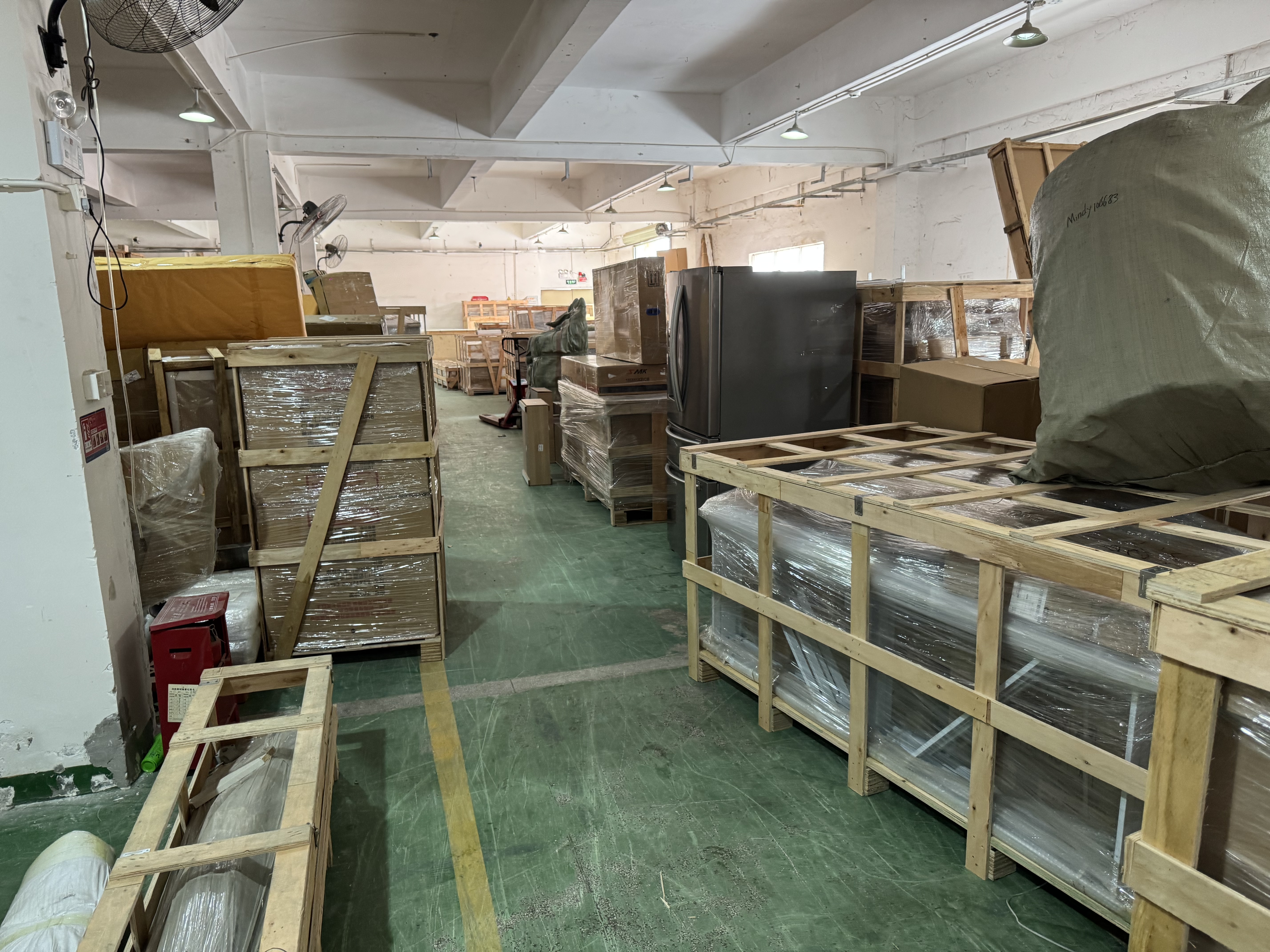
FAQ Q: How can I choose the right logistics company for shipping large items to Canada in 2026 with so much competition? A: Look for a company with a solid reputation and experience, like Shengda International Logistics. They have been in the industry for a long time and have a deep understanding of the Canada - China shipping routes. Also, consider factors such as price, service quality, and the company's ability to handle any potential issues during the shipping process.
IV. Shipping Method Availability
The availability and popularity of different shipping methods for large items may change in 2026.
Sea Freight Sea freight will still be a major option for shipping large items due to its cost - effectiveness. However, in 2026, there may be improvements in sea - freight services. For example, shipping lines may optimize their routes to reduce transit times. Currently, the average transit time for large - item sea freight from China to Canada is around 25 - 40 days. With route optimization and better vessel scheduling, this time could potentially be reduced by a few days.Air Freight Although air freight is more expensive for large items, it may become more viable in some cases in 2026. With the development of larger and more fuel - efficient cargo planes, the cost of air - freight for large items may decrease slightly. Also, for urgent large - item shipments, air freight will continue to be a preferred option.
FAQ Q: Is sea freight still the best option for shipping large items to Canada in 2026? A: Sea freight is still a very cost - effective choice for most large - item shipments. However, it depends on your specific needs. If you're in a hurry, air freight might be a better option, although it's more expensive. Shengda International Logistics can help you analyze your situation and choose the most suitable shipping method.
V. Environmental Considerations
In 2026, environmental concerns will have a greater influence on the shipping of large items to Canada.
Emission Regulations Shipping companies will face stricter emission regulations. This may lead to the adoption of more environmentally friendly fuels and technologies. For example, some shipping lines are already exploring the use of liquefied natural gas (LNG) as a fuel, which emits fewer pollutants compared to traditional fuels. In 2026, we may see a wider adoption of such technologies in the large - item shipping industry.Sustainable Packaging There will be a growing demand for sustainable packaging for large items. Shippers will need to use recyclable or biodegradable materials for packaging. This not only helps in reducing environmental impact but also meets the expectations of environmentally conscious customers.
FAQ Q: How can I ensure that my large - item shipment is environmentally friendly in 2026? A: You can work with a logistics provider like Shengda International Logistics. They are aware of the latest environmental trends and can help you choose sustainable packaging materials and shipping methods that comply with the new emission regulations.
