

What Will Happen to Australian Sea Freight Delivery in Remote Areas in 2026? Different Scenarios Analyzed!
As someone deeply entrenched in the logistics world, the landscape of sea - freight delivery, especially in the remote areas of Australia, is a topic that never fails to intrigue. Given the dynamic nature of the logistics industry, predicting what will happen in 2026 involves considering multiple scenarios, policies, and emerging trends. Let's embark on this exploration of what the future might hold for Australian sea freight delivery in remote areas.
I. Policy Impact on 2026 China - Australia and Australia - China Routes
The policies between China and Australia play a crucial role in sea freight. In 2026, it's expected that the governments of both countries will continue to promote trade facilitation. For instance, there might be a reduction in customs clearance time. Currently, on average, it takes about 3 - 5 days for sea - freight goods to clear customs between China and Australia. With new policies, this could be cut down to 2 - 3 days, which will significantly speed up the delivery process to and from remote areas.
Another aspect is tariffs. If the two countries reach more favorable trade agreements, the cost of sea freight could be reduced. This is especially beneficial for businesses and consumers in Australian remote areas, as they often face higher costs due to the long - distance and difficult logistics. For example, a small business in a remote Australian town importing furniture from China might see a 10 - 15% reduction in the overall cost of sea - freight delivery.
II. Technological Advancements and Their Effects
Autonomous Ships By 2026, we might witness the increased use of autonomous ships in Australian sea freight. These ships can operate with greater precision and efficiency, reducing the risk of human - error. For remote areas, this means more reliable delivery schedules. Currently, bad weather or human fatigue can cause delays in sea - freight delivery. With autonomous ships, the impact of these factors can be minimized. For example, a shipment of medical supplies to a remote island in Australia might have a 30% lower chance of being delayed.Advanced Tracking Systems The development of more advanced tracking systems will also revolutionize sea freight to remote areas. Customers will be able to track their goods in real - time, from the moment they leave the port in China to their final destination in a remote Australian area. This transparency builds trust and allows for better planning. Currently, some tracking systems only provide updates at major ports. In 2026, we could have systems that give minute - by - minute updates on the location and status of the cargo.
III. Environmental Regulations and Their Consequences
Emission Standards
Stricter emission standards are likely to be in place in 2026. Shipping companies will need to invest in more environmentally friendly vessels or retrofit their existing ones. This could lead to an increase in the cost of sea freight. However, it also presents an opportunity for innovation. For example, some companies might develop new types of fuel or propulsion systems that are both eco - friendly and cost - effective. In the context of remote areas, the increased cost might be passed on to the consumers to some extent, but it will also contribute to a cleaner environment.
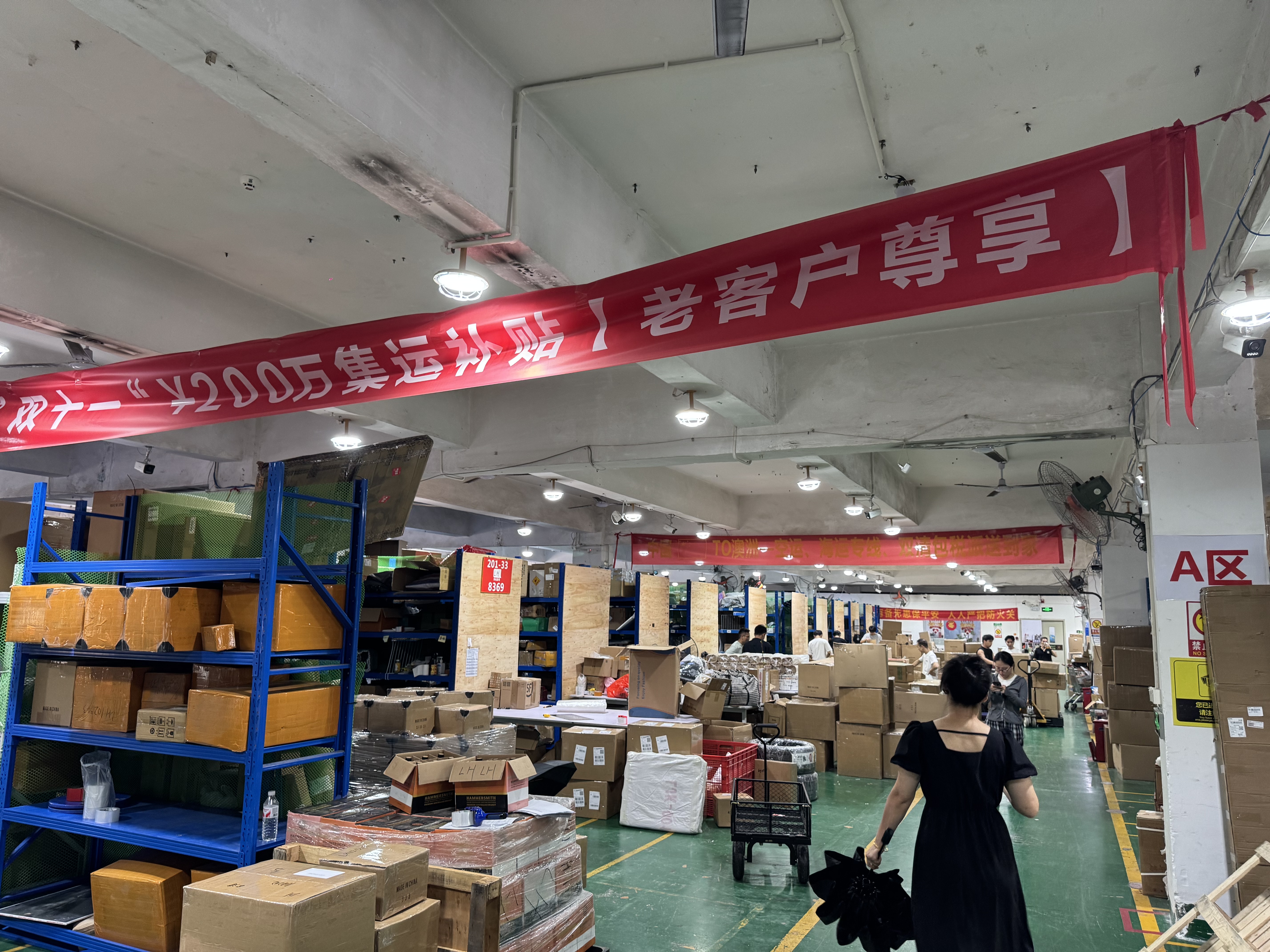
IV. Market Demand and Supply Dynamics
Increasing Demand from Remote Areas The demand for goods in Australian remote areas is expected to grow in 2026. With better connectivity and a growing population, consumers and businesses in these areas will require more products from overseas. For example, the demand for high - tech electronics in remote mining towns is likely to increase. This will put pressure on the sea - freight industry to expand its services and improve its delivery capabilities.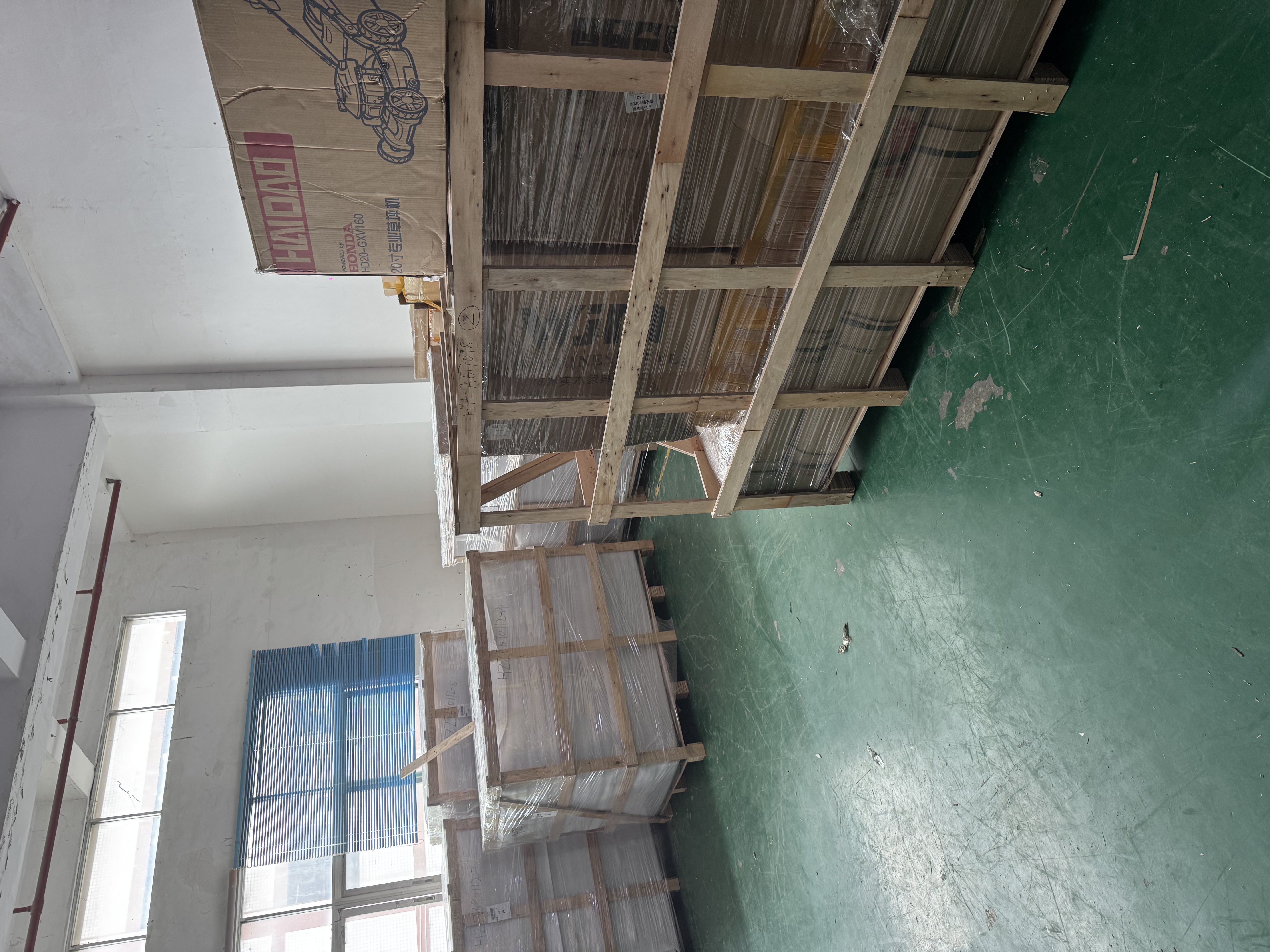
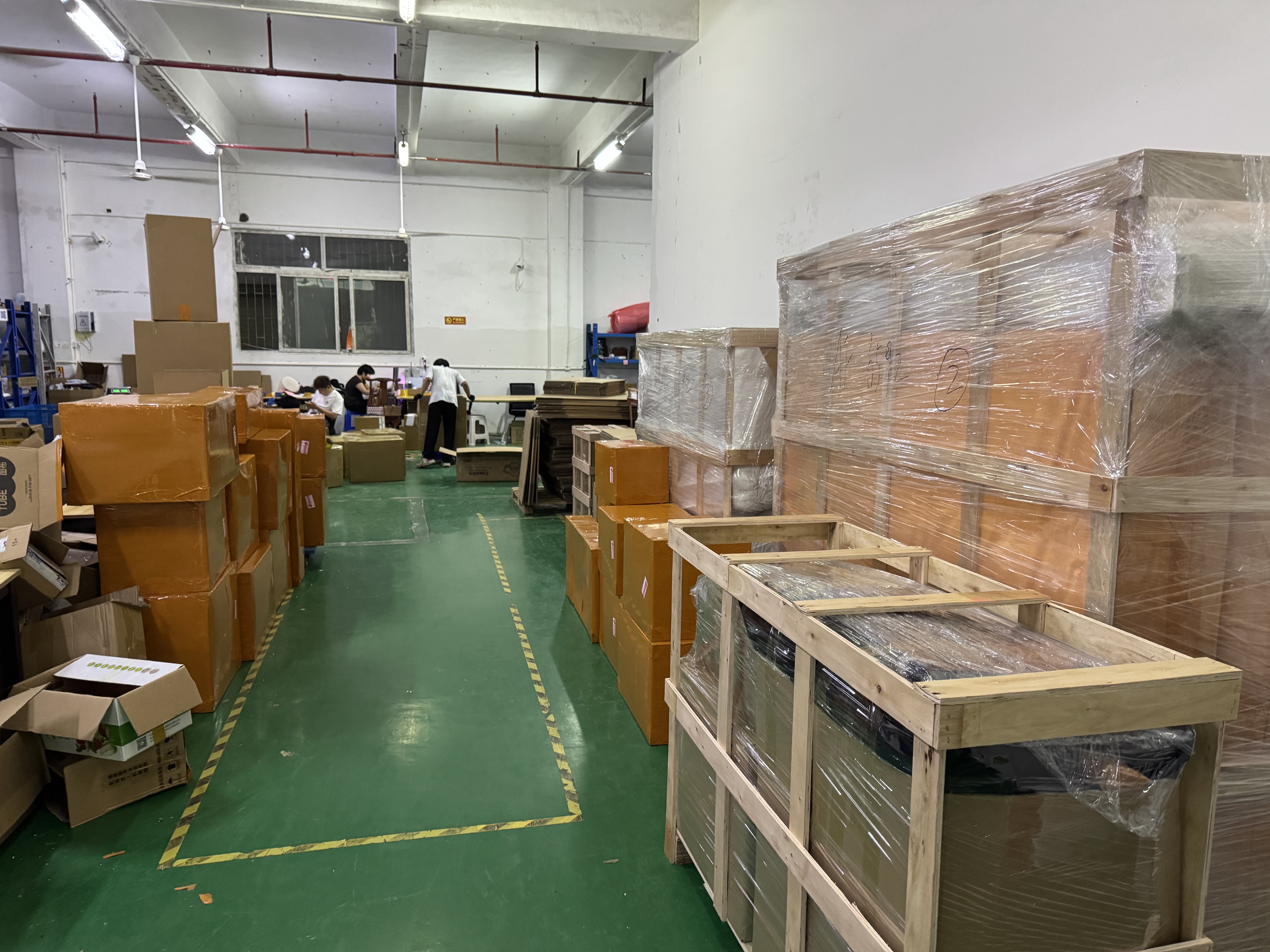
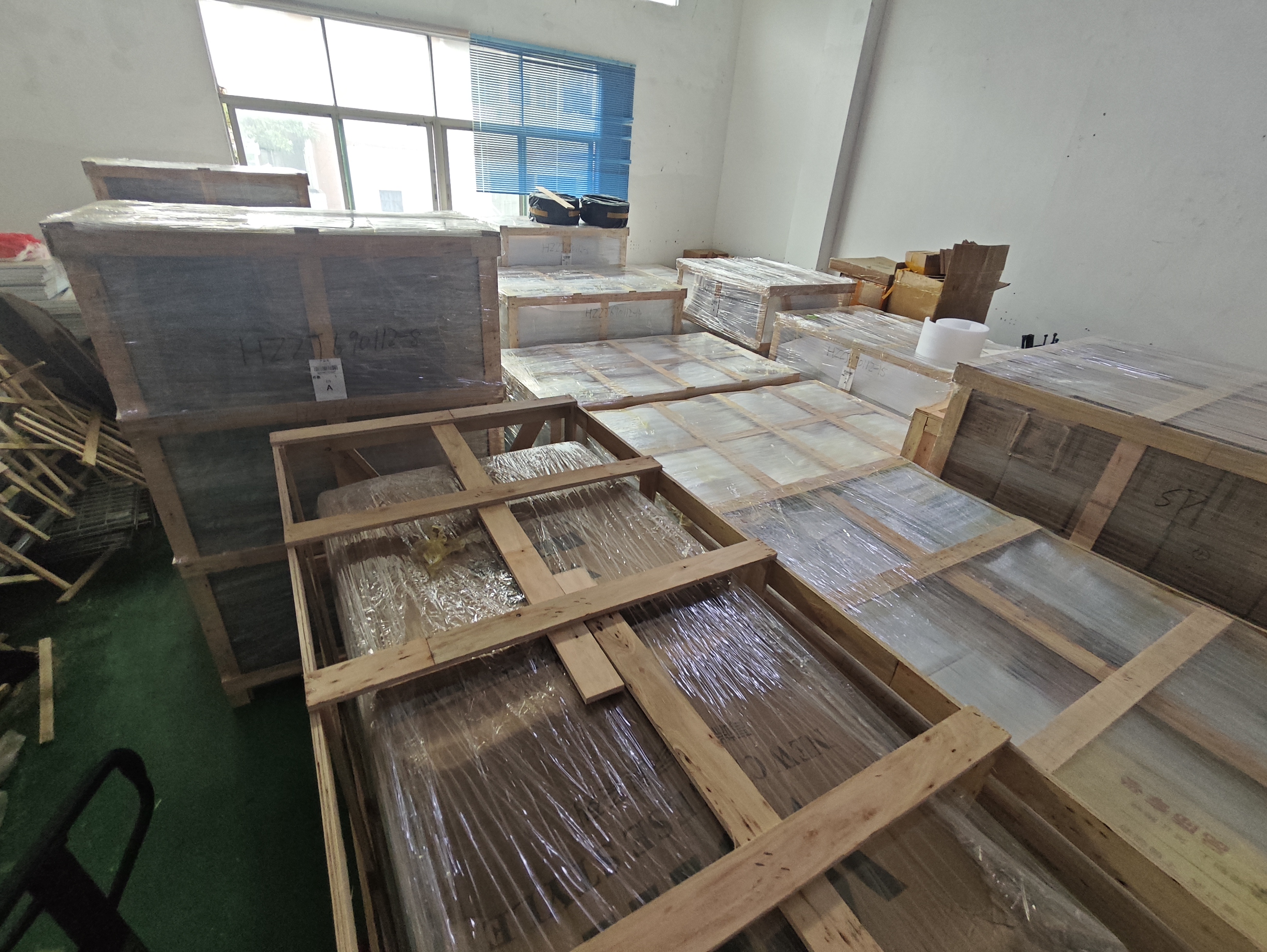
Supply Challenges However, there might also be supply challenges. The limited infrastructure in remote areas, such as poor port facilities and lack of proper storage, can pose difficulties for sea - freight delivery. Shipping companies might need to invest in improving the local infrastructure or develop alternative delivery methods, such as using smaller feeder vessels to transport goods from larger ports to remote areas.
V. Competition in the Sea - Freight Market
New Entrants By 2026, we might see new players entering the Australian sea - freight market. These could be startups with innovative business models or larger international shipping companies expanding their operations. This increased competition will likely lead to better services and lower prices for consumers in remote areas. For example, a new shipping company might offer discounted rates for small - volume shipments to remote areas.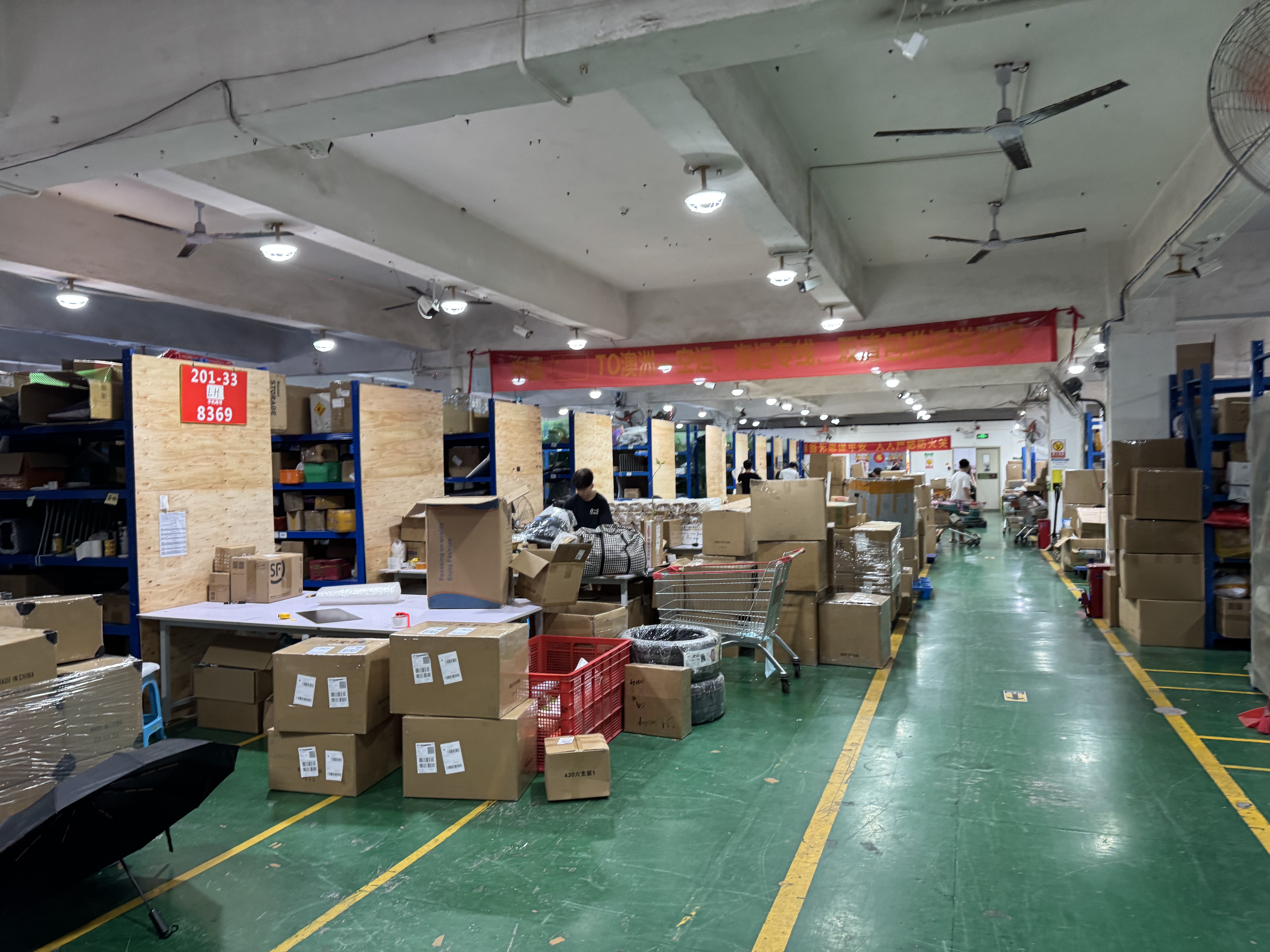
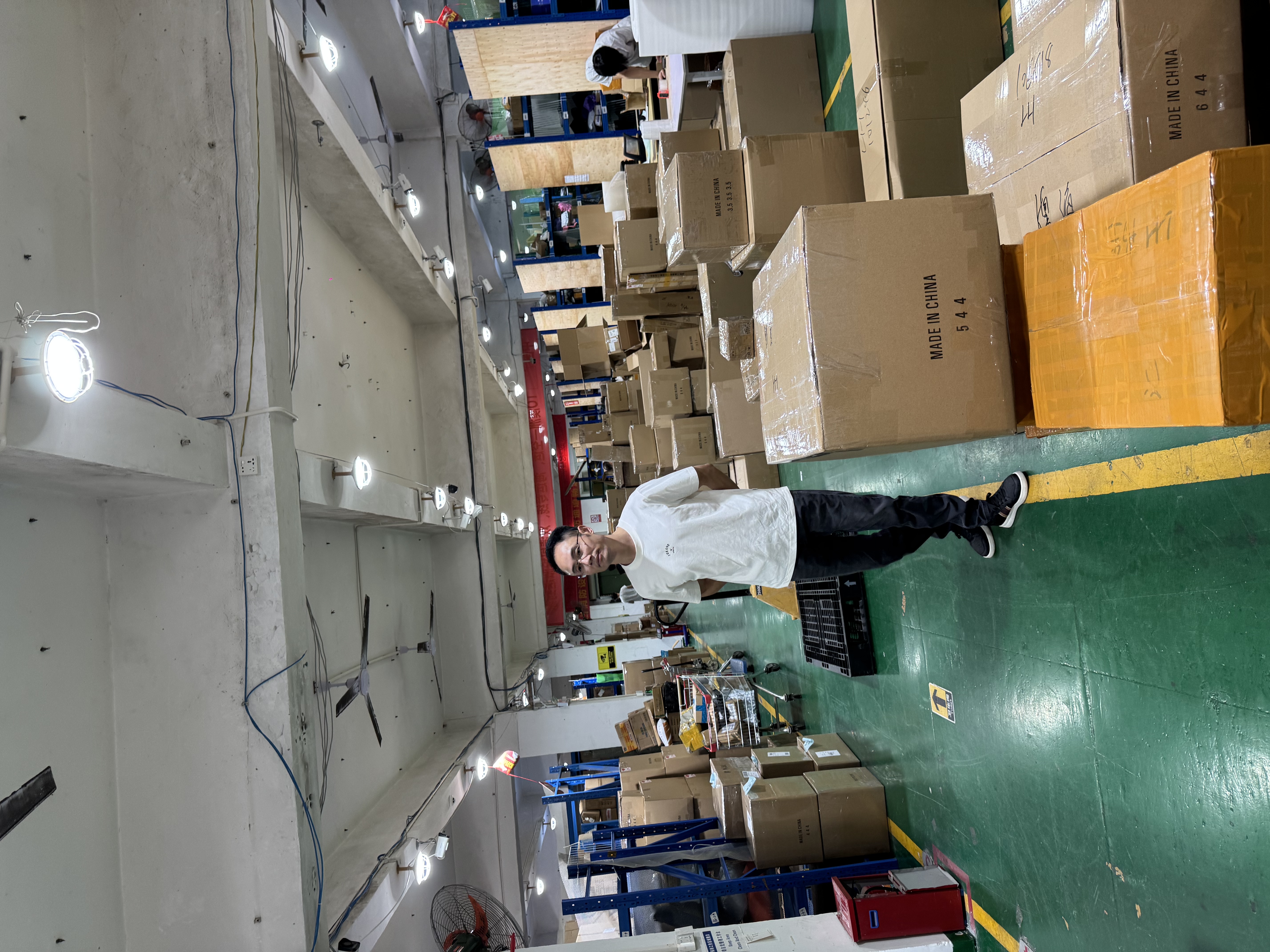
Existing Competitors Existing sea - freight companies will also need to up their game. They will have to continuously improve their service quality, expand their service areas, and optimize their costs to stay competitive. For instance, some established companies might focus on providing more customized services for businesses in remote areas.
FAQ
Q: Will the cost of sea freight to remote Australian areas increase in 2026? A: It's a complex situation. On one hand, new policies and competition might lead to cost - savings. However, environmental regulations and the need to invest in infrastructure could push costs up. But overall, as a company like盛达国际物流, we are committed to offering cost - effective solutions. Our long - term relationships with shipping partners and efficient operations help us keep the cost stable as much as possible.Q: How will the delivery time to remote areas change in 2026? A: With new policies reducing customs clearance time and technological advancements like autonomous ships and advanced tracking systems, we expect the delivery time to improve. For example, we might see a reduction of 1 - 2 days in the overall delivery time for shipments to remote areas.盛达国际物流 has always focused on optimizing the delivery process, and we will continue to do so in 2026.
Q: Can I still ship sensitive goods to remote Australian areas in 2026? A: Absolutely. In 2026, with the development of more sophisticated compliance systems, shipping sensitive goods will be more reliable.盛达国际物流 has a dedicated sensitive goods compliance专线, which means we have the expertise and resources to handle sensitive goods such as food, cosmetics, and带电产品. We will continue to work closely with customs to ensure smooth delivery.
Q: What if the sea - freight service to a remote area in Australia is disrupted in 2026? A: In such a situation, it's important to have a reliable logistics partner.盛达国际物流 has a well - established contingency plan. We have multiple shipping routes and partnerships, so we can quickly find alternative solutions. Also, we have a professional customer service team that will keep you informed throughout the process.
Q: How can I track my sea - freight shipment to a remote Australian area in 2026? A: In 2026, tracking will be even more advanced.盛达国际物流 uses a自研智能集运系统. You can access it through our website or mobile app to get real - time updates on your shipment's location, status, and expected delivery time. It's a convenient and transparent way to stay in touch with your cargo.
In conclusion, the future of Australian sea - freight delivery in remote areas in 2026 is full of both opportunities and challenges. By understanding these different scenarios and being prepared, we can ensure that the sea - freight industry continues to serve the needs of consumers and businesses in these areas effectively.
