

Furniture shipping to Canada is a complex process, and it's highly likely that in 2026, different scenarios will lead to significant variations. Let's explore this in detail.
I. Impact of Shipping Volume
1. Small - volume Furniture Shipping
For individuals shipping a small number of furniture pieces, like a single chair or a small table, the shipping mode might lean towards air freight. Air freight offers speed, with an average transit time of about 7 - 12 days. However, it's also relatively expensive. In 2026, if the volume is small, you can expect to pay around $5 - $10 per kilogram, depending on the specific item and route. For example, a person shipping a small wooden chair weighing 10 kilograms from China to Canada might pay total freight in the range of $50 - $100.
2. Large - volume Furniture Shipping
When it comes to large - scale furniture shipping, such as for a furniture store or a large company relocating to Canada, ocean freight is the go - to option. In 2026, ocean freight will still be the most cost - effective way for large volumes. A 20 - foot container can hold a significant amount of furniture and might cost around $2,000 - $3,000 for shipping from major Chinese ports to Canadian ports. Ocean freight has a longer transit time, usually around 30 - 45 days, but it can handle large quantities much more efficiently.
II. Types of Furniture
1. Regular Furniture
Regular furniture like sofas, beds made of common materials such as wood, fabric, and foam usually have a relatively straightforward shipping process. In 2026, they can be shipped via both air and sea. The customs clearance for regular furniture is generally smooth, as long as they meet the basic quality and safety standards of Canada. For example, a set of wooden bedroom furniture can be easily shipped, and the customs duty might range from 0% - 5% depending on the origin of the wood and other factors.
2. Antique or High - value Furniture
Antique furniture or high - value pieces require special handling. In 2026, they will likely need more detailed documentation, including provenance certificates and appraisal reports. Shipping such furniture often involves more expensive insurance. For example, if you're shipping an antique Chinese rosewood cabinet worth $50,000 to Canada, the insurance cost might be around 1% - 3% of the item's value, which means you'd pay an additional $500 - $1,500 just for insurance. Moreover, the customs inspection for these items could be more rigorous to prevent cultural heritage smuggling.
III. Shipping Timing
1. Peak Season Shipping
The peak shipping season usually falls around the holiday seasons and the back - to - school period. In 2026, during peak seasons, the demand for shipping space will be high. For ocean freight, the container prices can increase by 20% - 30%. For example, a 40 - foot container that usually costs $4,000 might cost $4,800 - $5,200 during peak season. Also, the waiting time for booking a container can be longer, sometimes up to a week or more.
2. Off - Peak Season Shipping
During off - peak seasons, shipping companies often offer discounts to attract more customers. In 2026, you can expect to save 15% - 20% on ocean freight costs. For instance, a 20 - foot container that costs $2,000 during peak season might be available for $1,600 - $1,700 in the off - peak period.
IV. Policy Changes
1. China - Canada Shipping Policies in 2026
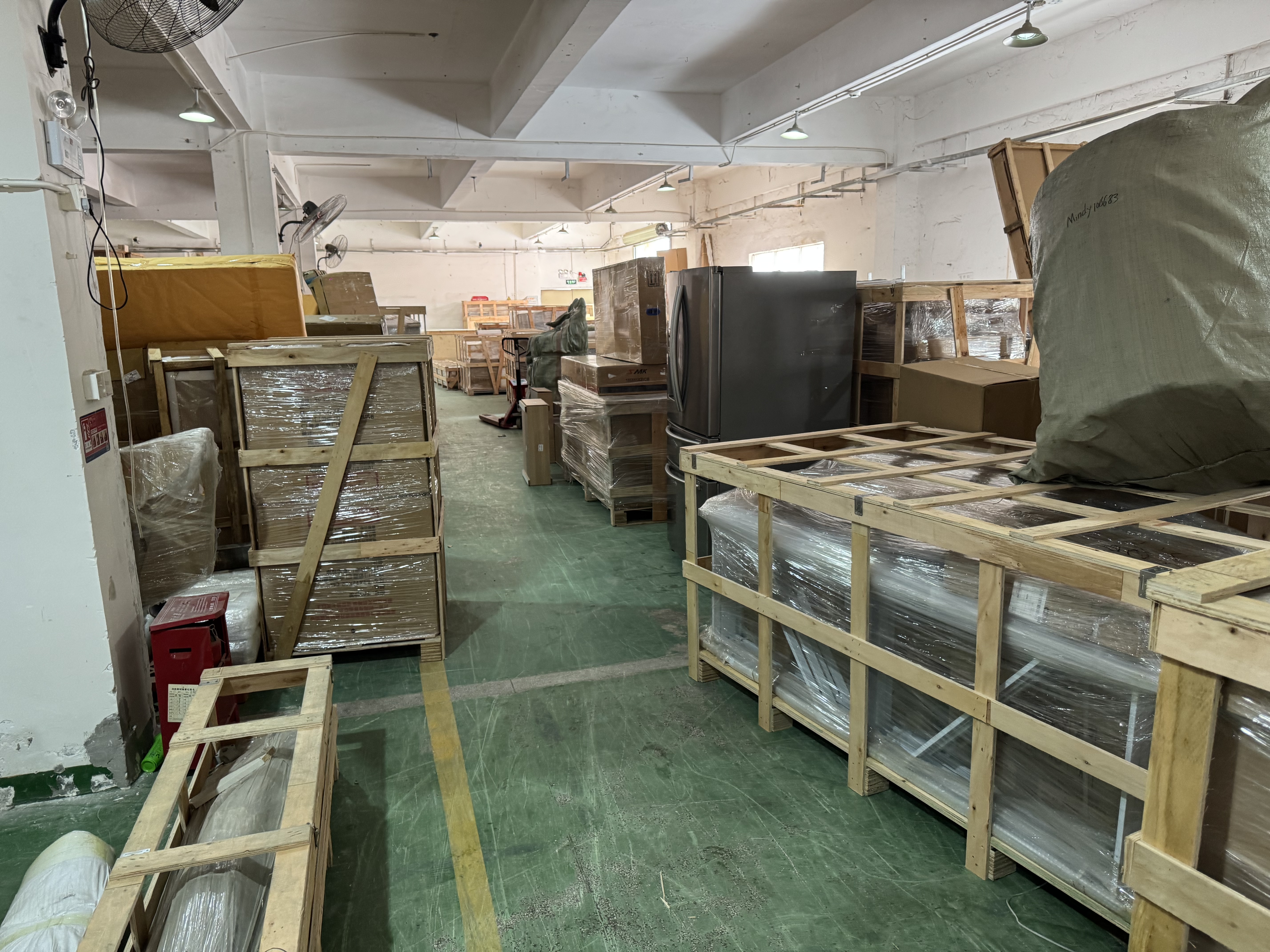
In 2026, the China - Canada shipping policies might have some changes. For example, there could be stricter environmental regulations for ships. This might lead to shipping companies incurring additional costs, which could be passed on to the customers to some extent. On the bright side, the two countries might also strengthen cooperation in trade facilitation, which could simplify the customs clearance process and reduce the time for furniture to enter the Canadian market.
2. Impact on Different Scenarios
These policy changes will affect different shipping scenarios. For large - scale shippers, the additional costs from environmental regulations might be a significant burden, but they could also benefit from simplified customs procedures. Small - scale shippers might find the overall process more convenient, but any cost increase could be a relatively large proportion of their shipping budget.
V. Service Providers Matter
1. Advantages of Professional Logistics Companies
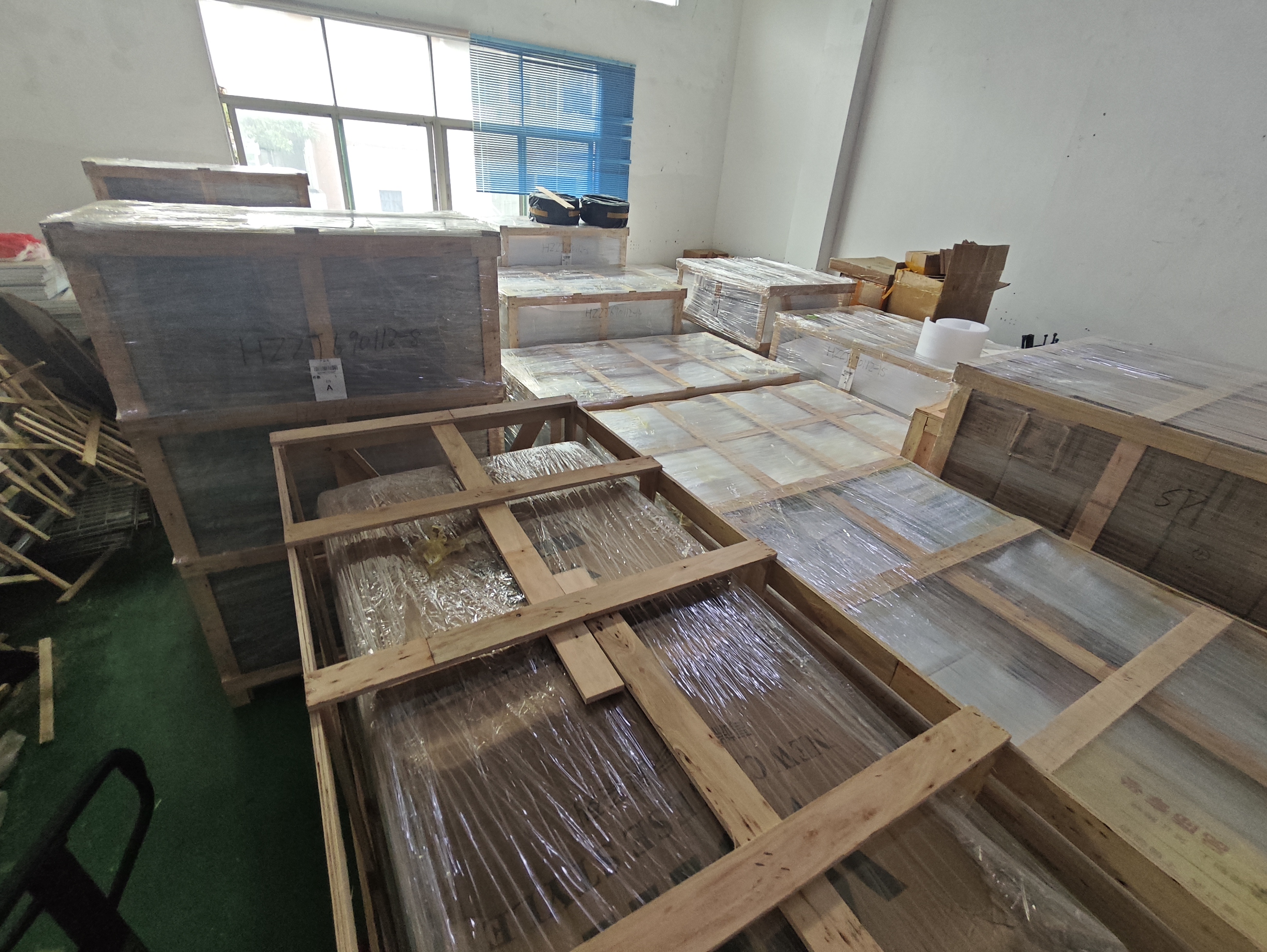
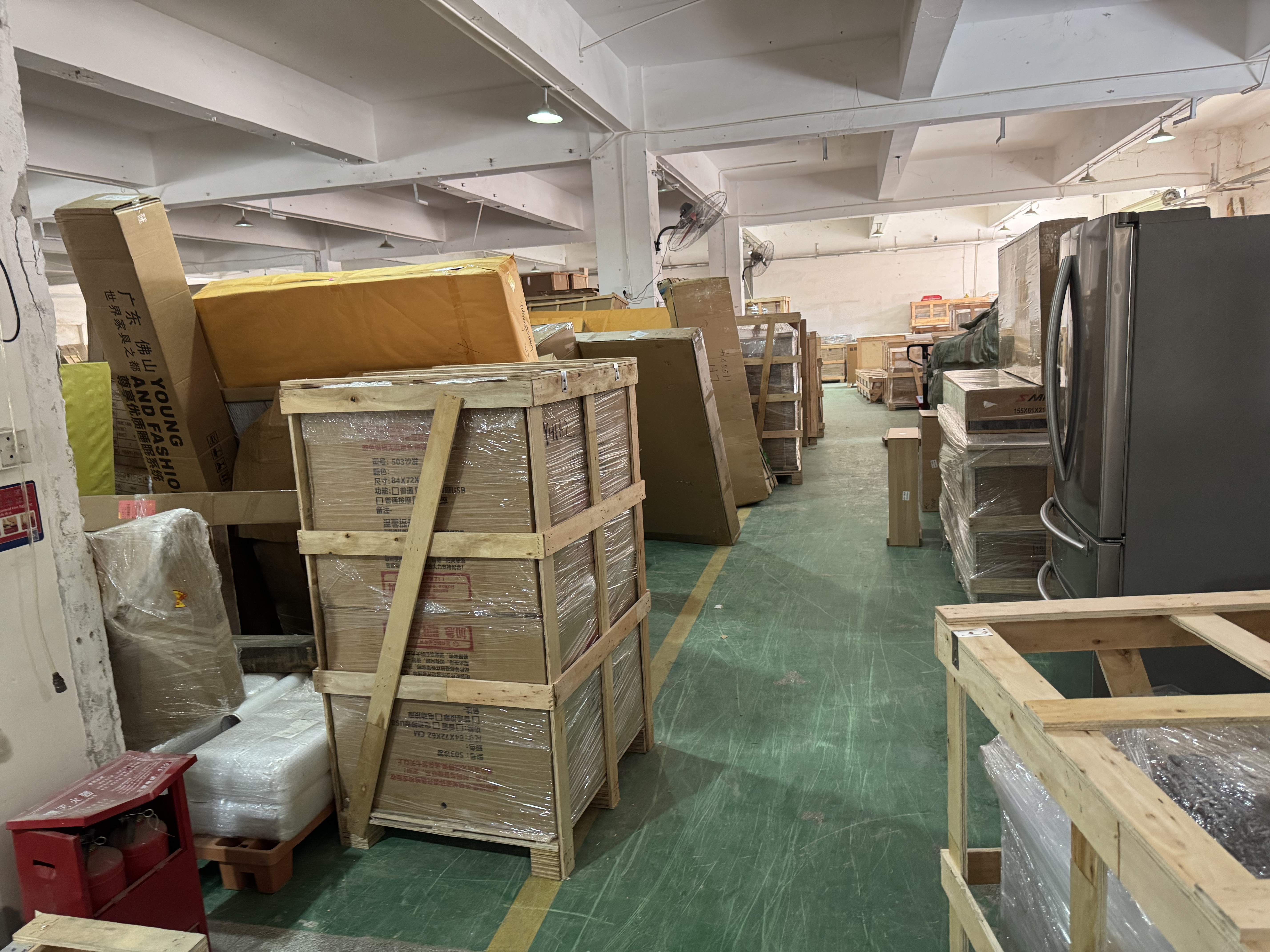
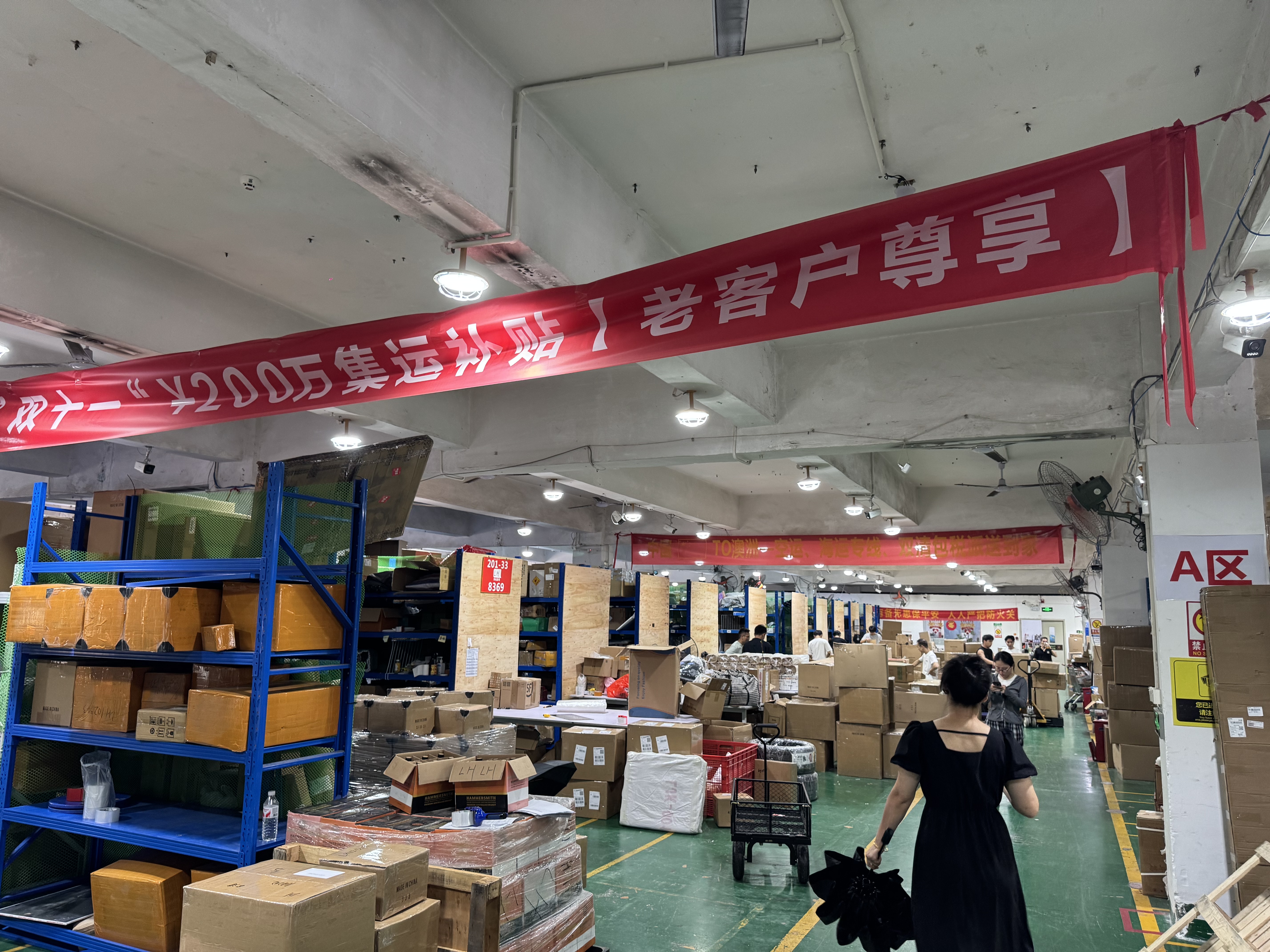
Companies like Shengda International Logistics have a lot to offer. They have a professional team with over 10 years of experience in international shipping. For furniture shipping to Canada, they can provide customized solutions. For large - volume shipments, they can negotiate better container rates with shipping lines based on their long - term partnerships. They also offer value - added services like furniture packing and insurance arrangements.
2. Comparison with Other Providers
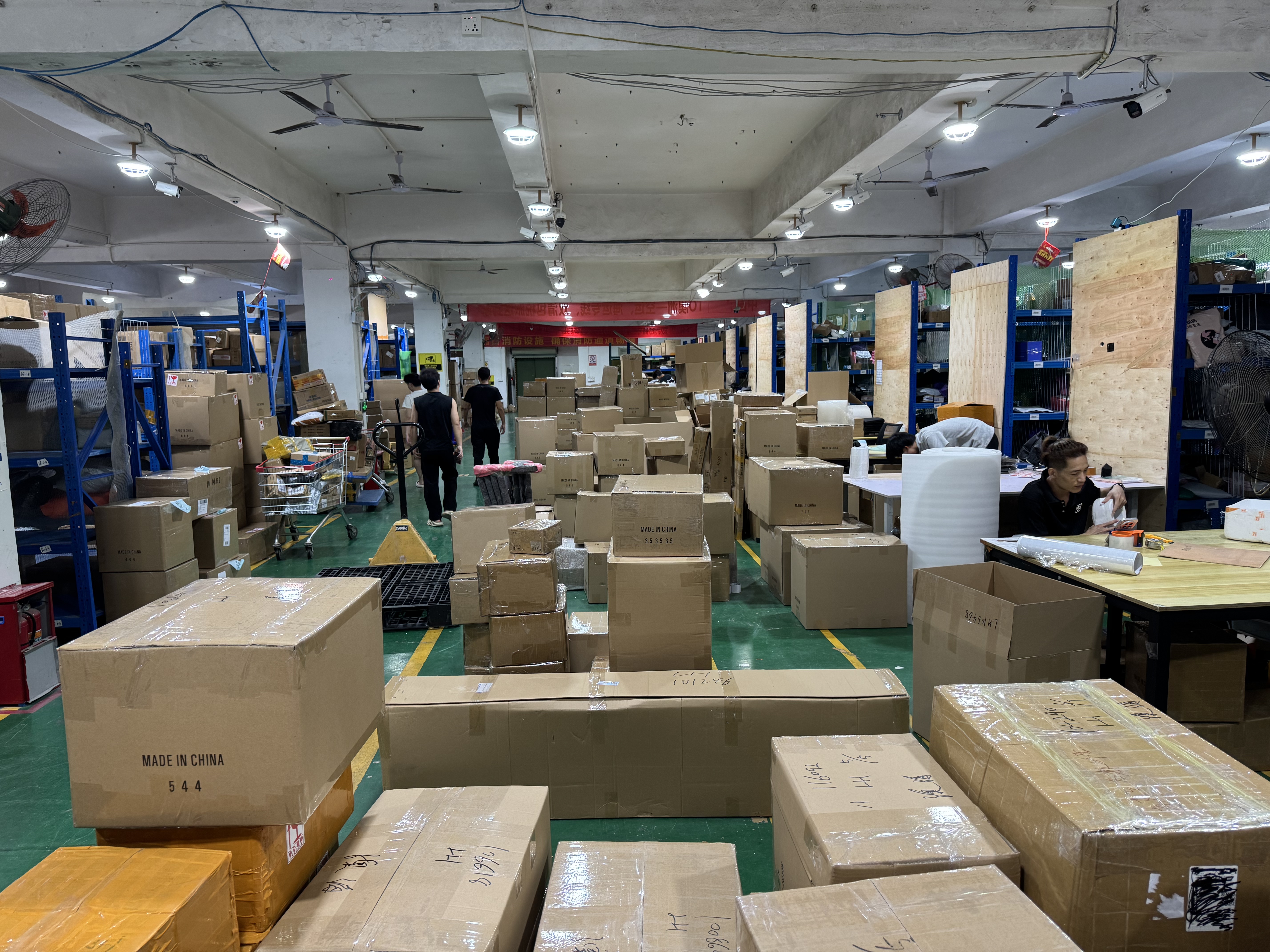
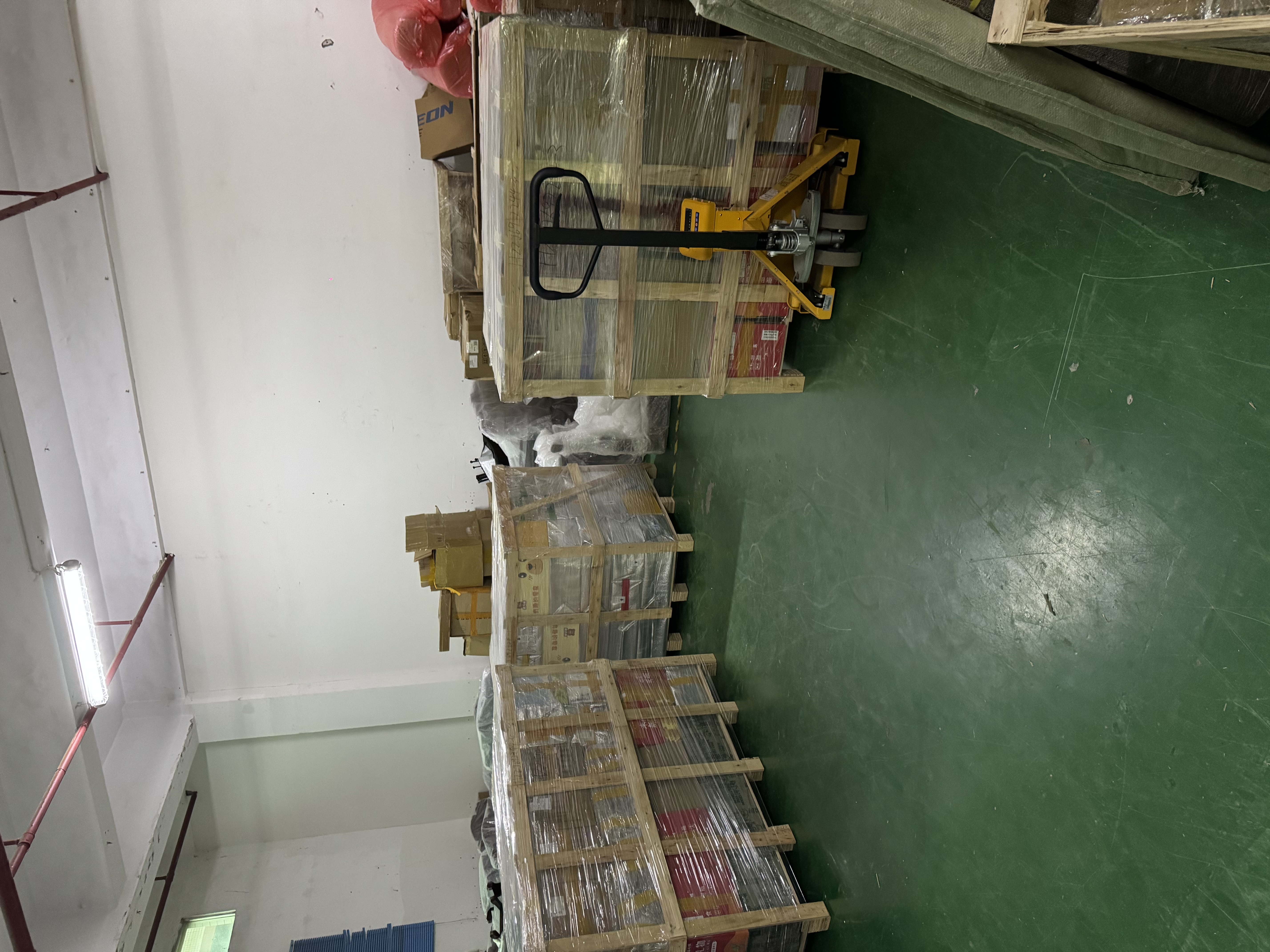
Compared with some small - scale or less - experienced logistics providers, professional companies like Shengda can ensure better safety and timeliness for your furniture. Smaller providers might be more likely to have problems like package damage or delivery delays. For example, an inexperienced provider might use improper packing materials for fragile furniture, leading to a higher risk of breakage during transit.
FAQ
1. How can I ensure my furniture arrives safely in Canada?

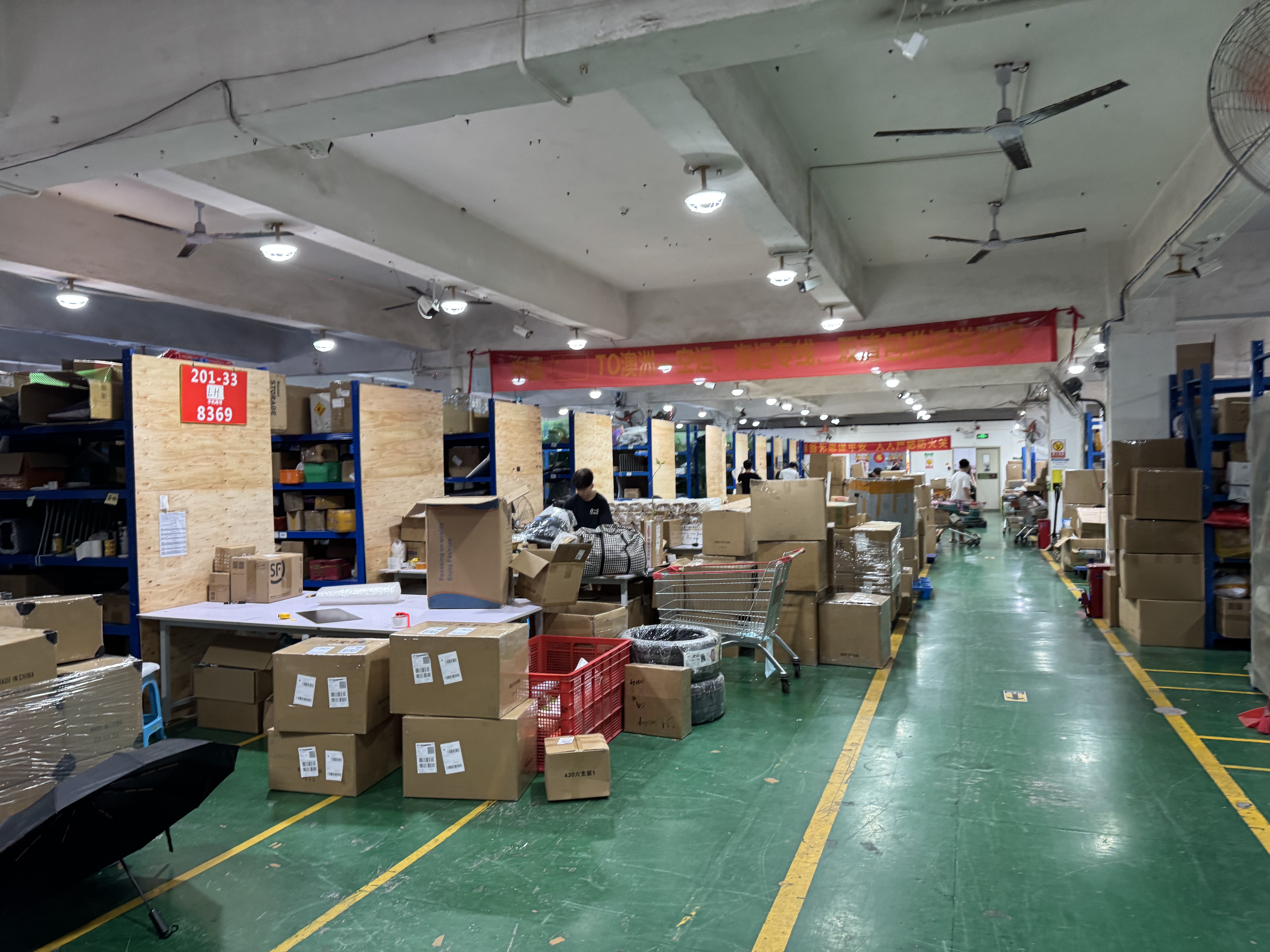
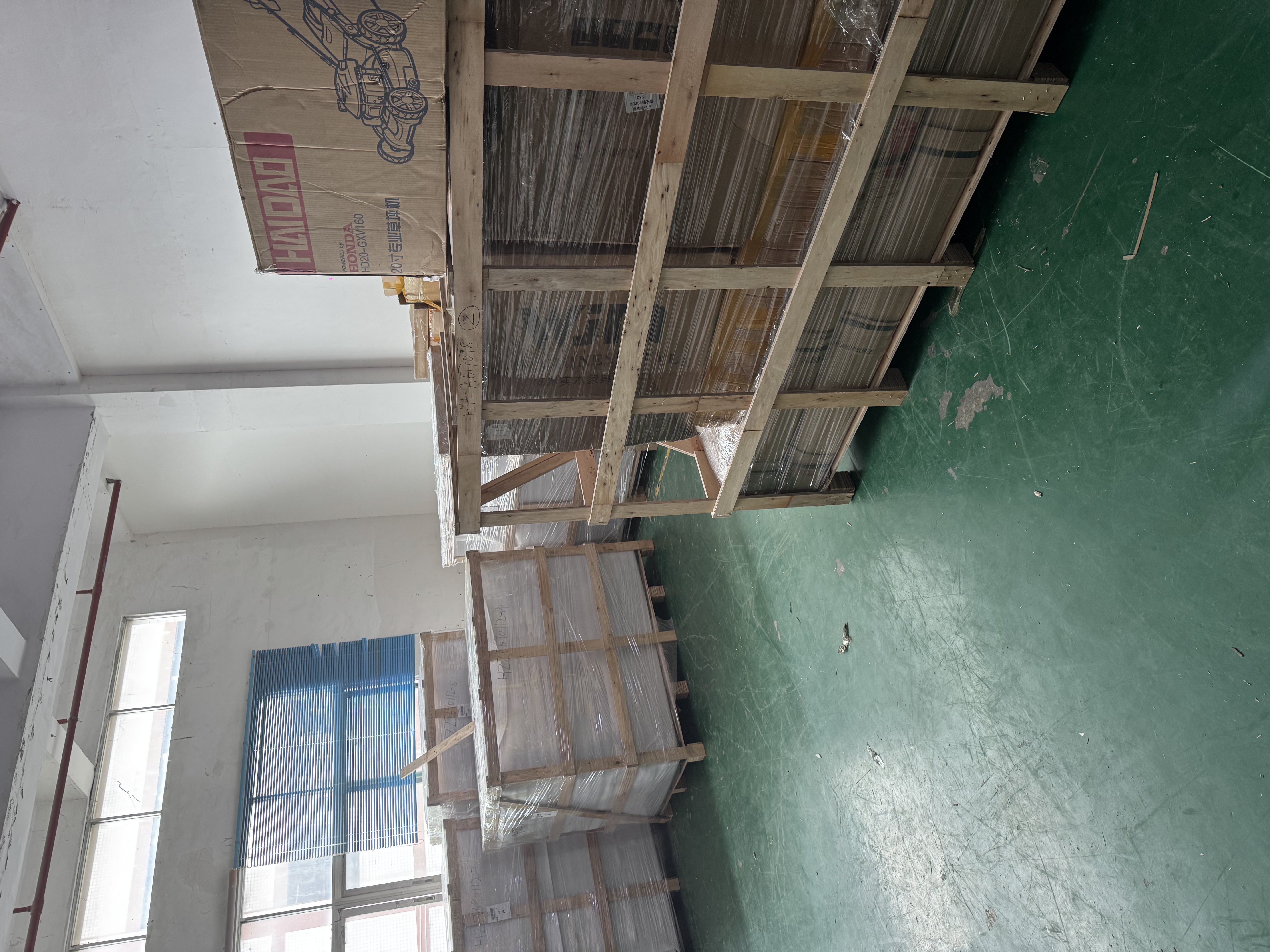
From my experience, choosing a reliable logistics partner like Shengda International Logistics is crucial. They have expertise in packing and handling furniture. They use proper packing materials such as bubble wrap, wooden frames for extra protection, and multi - layer cushioning for fragile items. Their team has years of experience in shipping furniture, which ensures that your items are well - taken care of throughout the journey.
2. What if my furniture gets damaged during shipping?

With a company like Shengda, you don't have to worry too much. They have a standardized damage claim mechanism. If your furniture gets damaged due to improper handling during shipping, you can file a claim. They will assess the damage and provide compensation according to the declared value of the item.
3. How do I choose between air and sea freight for furniture shipping?
It depends on your specific needs. If you need your furniture quickly, like for a new store opening or an urgent move, air freight is a better option despite the higher cost. However, if time is not a critical factor and you're shipping a large volume of furniture, sea freight is much more cost - effective. Shengda can help you make this decision based on your budget and timeline.
4. What documents do I need for custom clearance?
Common documents include a commercial invoice, packing list, bill of lading, and certificate of origin. For certain types of furniture, such as those made of wood, you might also need a phytosanitary certificate. Shengda can guide you through the entire process and help you prepare all the necessary documents to ensure smooth customs clearance.

5. Are there any restrictions on the types of furniture I can ship to Canada?
Yes, there are some restrictions. For example, furniture made from endangered wood species is strictly prohibited. Also, furniture with certain toxic materials or excessive chemical content may not be allowed to enter Canada. Before shipping, it's best to consult with a professional logistics company like Shengda to ensure your furniture complies with Canadian regulations.
In conclusion, in 2026, furniture shipping to Canada will vary significantly in different scenarios. Factors such as shipping volume, type of furniture, shipping timing, policies, and the choice of service provider will all play important roles in determining the shipping process, cost, and outcome.
Shipping furniture to Canada can be likened to a complex dance, with numerous variables pirouetting to create different scenarios. In 2026, these scenarios are expected to bring about significant variations in the furniture shipping process. Let's embark on a detailed exploration of how these factors will play out.
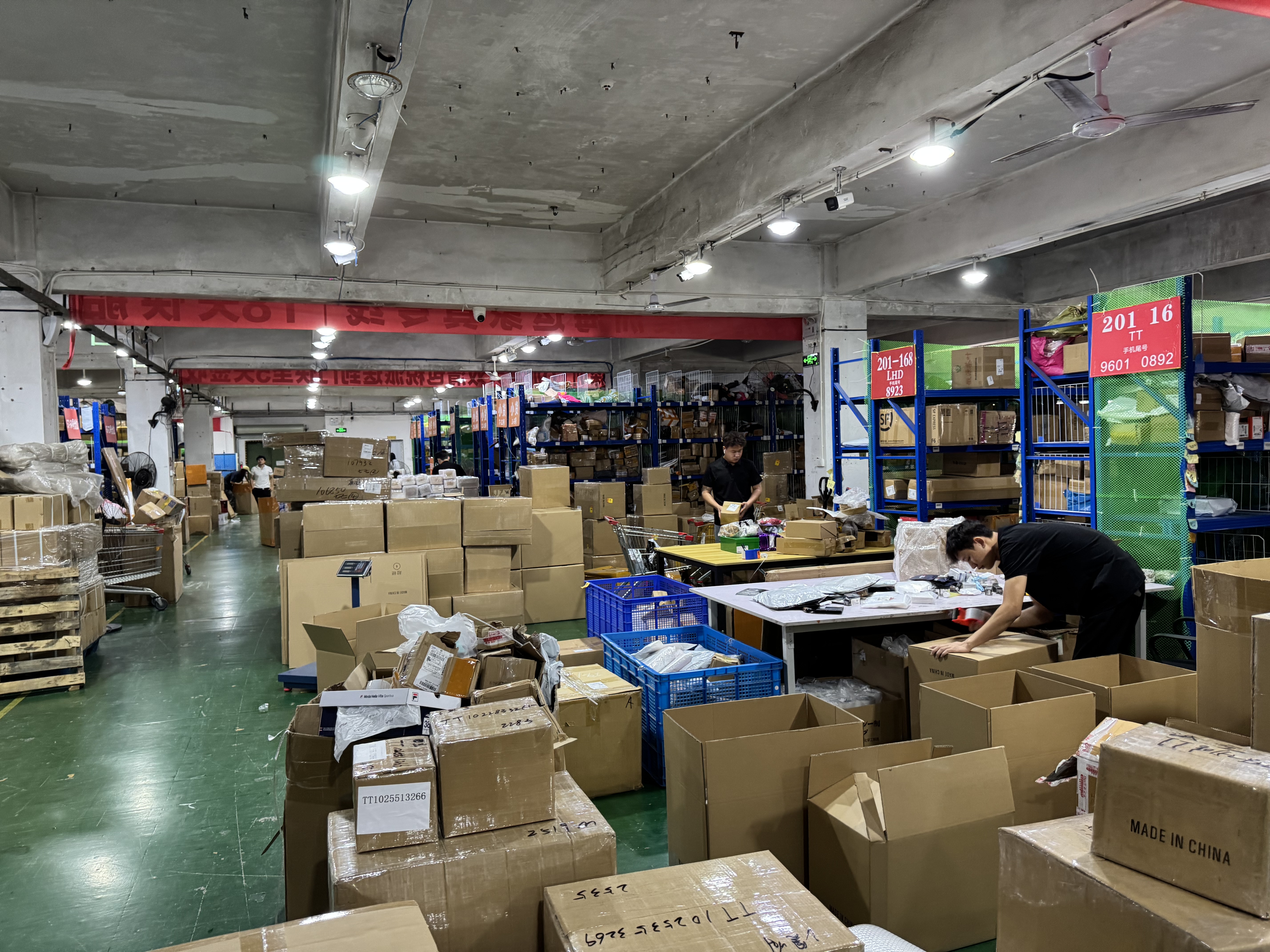
I. Shipping Volume's Influence
1. Small - scale Furniture Shipments
When it comes to individuals sending just a few pieces of furniture to Canada, such as a single nightstand or a small bookshelf, air freight often emerges as the preferred option. It's like a sprinter in the shipping world, offering speed. In 2026, the average transit time for air - shipped furniture is around 7 - 12 days. However, this speed comes at a cost. You're looking at paying approximately $5 - $10 per kilogram. For instance, if you're sending a 15 - kilogram coffee table from China to Canada, your freight charges could land in the ballpark of $75 - $150.
2. Large - scale Furniture Shipments
Conversely, for businesses transporting large quantities of furniture, say a furniture manufacturer shipping hundreds of chairs or a retailer restocking inventory, ocean freight is the heavyweight champion. In 2026, it remains the most economical choice for large volumes. A standard 20 - foot container, which can swallow a substantial amount of furniture, might set you back around $2,000 - $3,000 for a shipment from major Chinese ports to Canadian ones. Although it's more of a marathon runner with a transit time of about 30 - 45 days, it can handle large loads with ease.
II. Furniture Types and Their Impact
1. Common Furniture Items
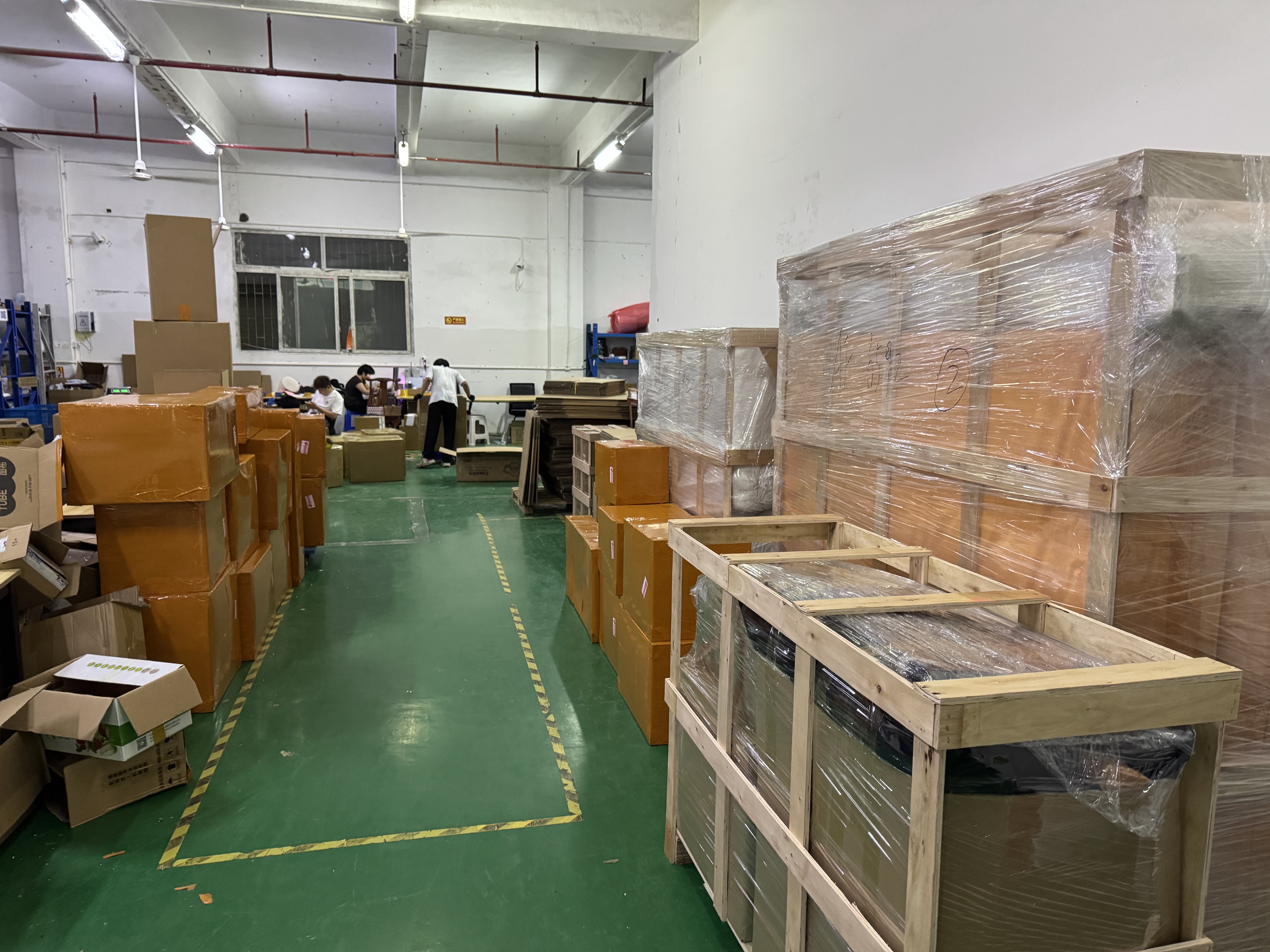
Regular furniture, such as fabric - covered sofas, simple wooden beds, and plastic stools, has a relatively straightforward shipping journey. In 2026, they can be sent via both air and sea. Customs clearance for these items is usually a smooth sail, as long as they meet the basic safety and quality criteria of Canada. For example, a set of mass - produced wooden dining chairs could face a customs duty of 0% - 5%, depending largely on the origin of the wood and other trade - related factors.
2. High - end and Antique Furniture
High - value or antique furniture is a different beast altogether. In 2026, these pieces demand special treatment. You'll need to provide detailed documentation, including certificates of authenticity, appraisals, and provenance records. Shipping insurance for such items is non - negotiable and can be quite pricey. For example, if you're shipping an antique Chinese carved - wood cabinet valued at $80,000 to Canada, insurance costs could range from $800 - $2,400, depending on the insurance company's terms. Additionally, customs inspection for these items is more thorough to prevent illegal trading of cultural artifacts.
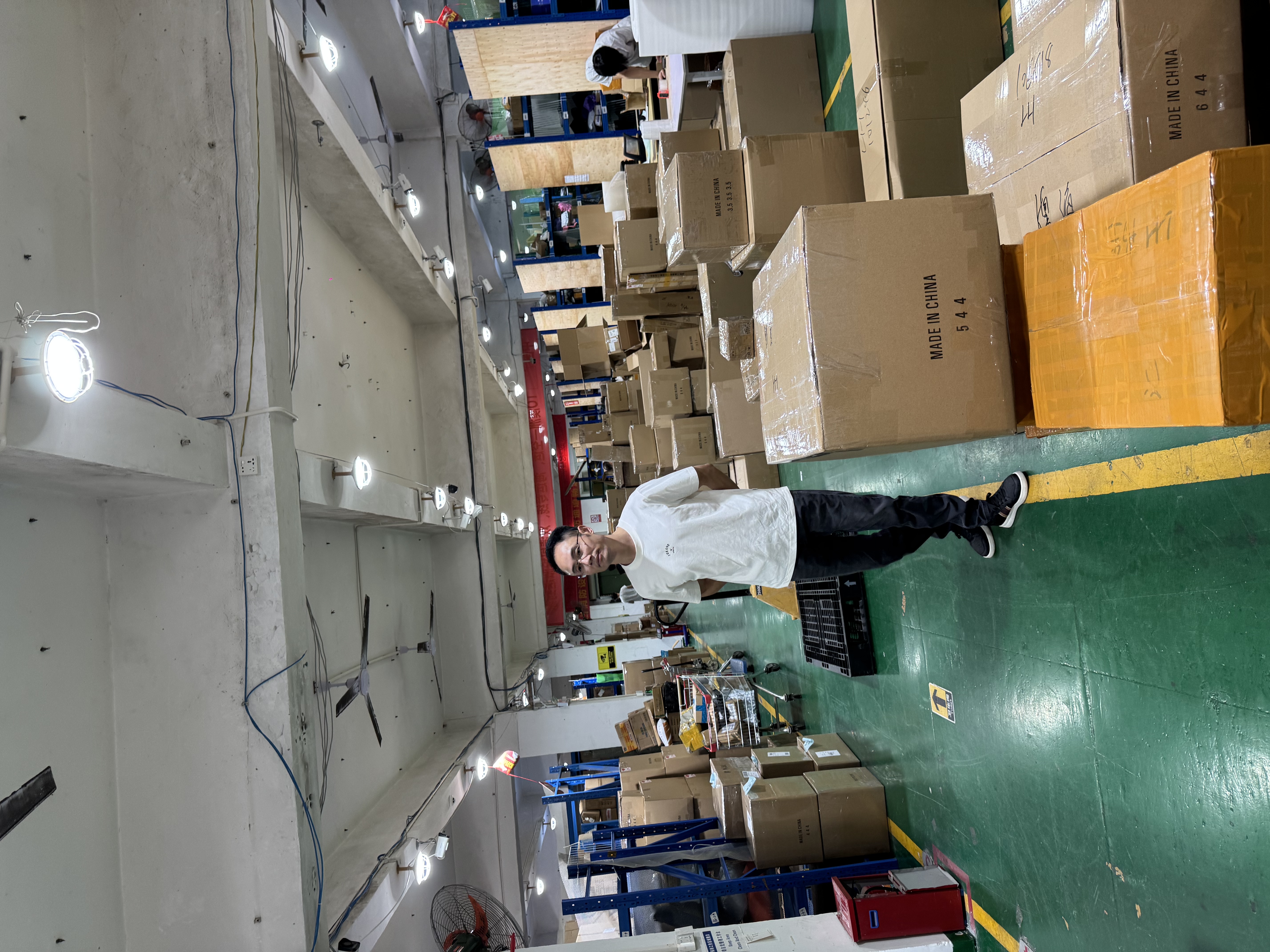
III. The Role of Shipping Timing
1. Peak Shipping Periods
The peak shipping seasons in the shipping industry are typically during holiday shopping sprees and the back - to - school periods. In 2026, during these high - demand times, the shipping market gets a bit like a crowded dance floor. For ocean freight, container prices can spike by 20% - 30%. For example, a 40 - foot container that usually costs $4,500 outside of peak seasons might jump to $5,400 - $5,850. On top of that, getting a container booking can be a hassle, with waiting times stretching up to a week or more.
2. Off - peak Shipping Windows
During off - peak seasons, shipping companies are looking for business like a thirsty traveler looking for a water fountain. They often offer significant discounts to entice customers. In 2026, you can expect to shave off 15% - 20% from your ocean freight costs. So, a 20 - foot container that costs $2,200 during peak times could be yours for around $1,760 - $1,870 during the slow periods.
IV. Policy Landscape in 2026
1. China - Canada Shipping Policies
In 2026, the China - Canada shipping policies are likely to see some shifts. Stricter environmental regulations for shipping vessels might be introduced. This means shipping companies may have to invest in cleaner technologies or fuel, and these costs could trickle down to the shippers. However, there's also a silver lining. The two countries might enhance their trade facilitation efforts, streamlining customs procedures and reducing the time it takes for furniture to reach Canadian consumers.
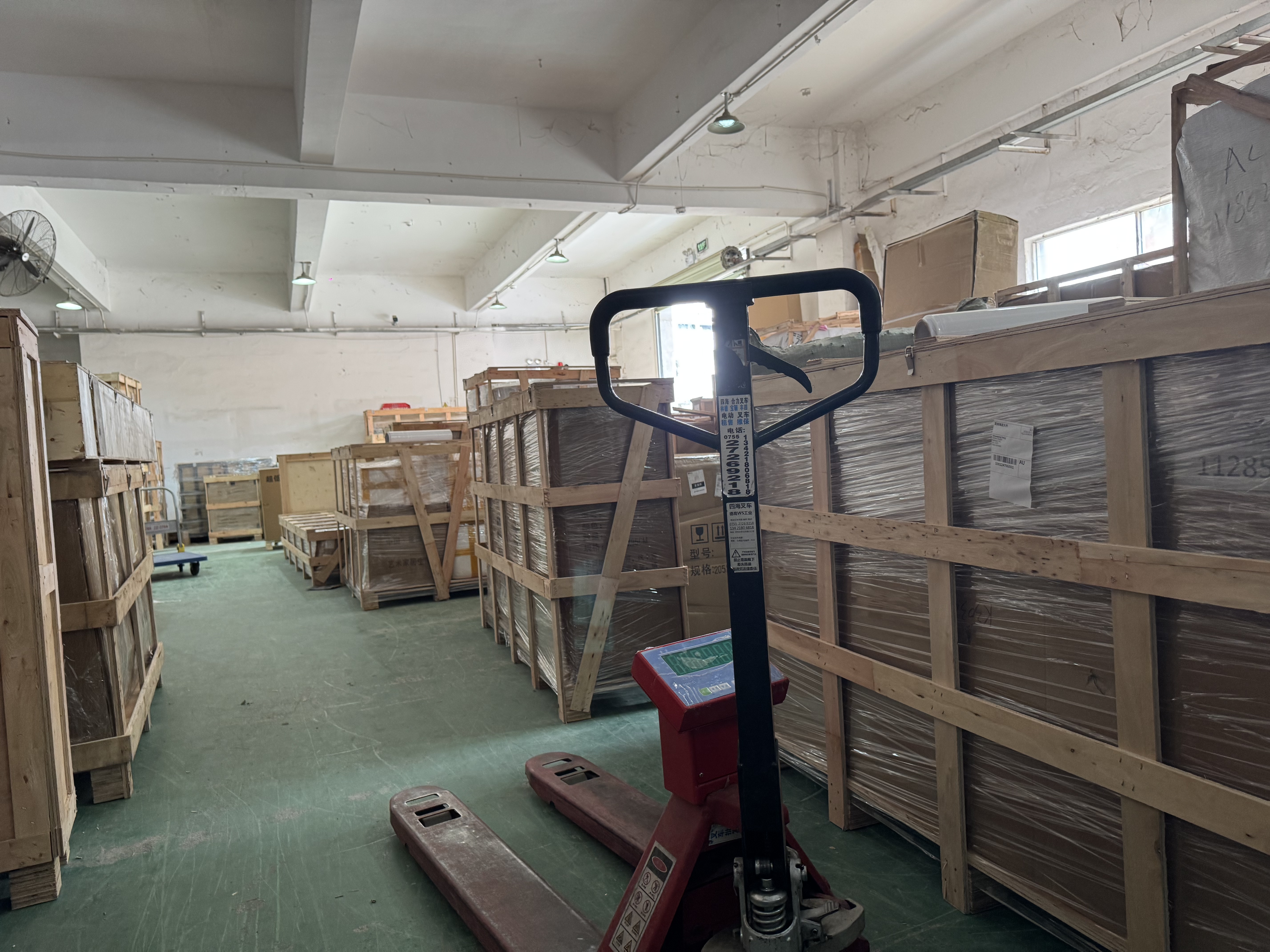
2. Policy Impact on Different Shipping Scenarios
These policy changes won't affect all shippers equally. Large - scale shippers might be better equipped to absorb the additional costs from environmental regulations but will likely benefit more from simplified customs processes. Small - scale shippers, on the other hand, may find any cost increase a significant burden, but they too will appreciate a more efficient customs clearance process.
V. The Significance of Service Providers
1. Benefits of Choosing a Professional Logistics Company
Companies like Shengda International Logistics are like the expert choreographers in the shipping dance. They have a team of pros with over a decade of international shipping experience. For furniture shipping to Canada, they can craft customized shipping strategies. In the case of large - volume shipments, they can leverage their long - standing relationships with shipping lines to secure better container rates. Additionally, they offer a suite of value - added services, from proper furniture packing to arranging comprehensive insurance.
2. Comparison with Other Providers
When pitted against smaller or less - experienced logistics providers, companies like Shengda stand out like a star on a dark stage. Smaller providers may be more prone to issues such as damaged packages or delayed deliveries. For example, they might not use the right packing materials for fragile furniture, increasing the risk of breakage during transit. Shengda, with its expertise and resources, can minimize these risks.
FAQ
1. How can I make sure my furniture arrives in one piece in Canada?
Based on my long - standing experience in the shipping industry, partnering with a reliable logistics firm like Shengda International Logistics is key. They know the ins and outs of furniture shipping. Their staff is well - versed in using appropriate packing materials such as thick bubble wrap, sturdy wooden crates for extra support, and shock - absorbing materials for delicate items. This ensures that your furniture is well - protected throughout the journey.
2. What happens if my furniture gets damaged during shipping?
If you choose a company like Shengda, you're in good hands. They have a well - established damage claim process. In the unfortunate event that your furniture gets damaged due to improper handling during shipping, you can file a claim. They'll assess the damage and compensate you according to the declared value of the item, providing you with peace of mind.
3. How do I decide between air and sea freight for my furniture shipment?
It all comes down to your specific needs. If you're short on time, like if you're opening a new furniture store in Canada and need your inventory right away, air freight is the way to go, despite the higher cost. But if you're not in a rush and are shipping a large quantity of furniture, sea freight is much more cost - effective. Shengda can analyze your situation and help you make an informed decision.
4. What documents do I need for customs clearance in Canada?
Typically, you'll need a commercial invoice, which details the value and description of the furniture. A packing list that outlines what's inside each package is also essential. The bill of lading serves as proof of shipment, and a certificate of origin indicates where the furniture was made. For wooden furniture, a phytosanitary certificate may be required to ensure it's free from pests and diseases. Shengda can guide you through the process and help you gather all the necessary documents.
5. Are there any restrictions on the furniture I can ship to Canada?
Yes, there are certain restrictions. Furniture made from endangered wood species is a no - go. Also, furniture with excessive levels of harmful chemicals or toxic materials is prohibited. Before shipping, it's wise to consult with a professional logistics company like Shengda. They can help you understand and comply with Canadian regulations to avoid any issues at the border.
In summary, in 2026, furniture shipping to Canada will present a diverse range of scenarios influenced by factors such as shipping volume, furniture type, shipping timing, policies, and the choice of service provider. Each of these elements will play a crucial role in determining the shipping process, cost, and overall outcome.
