

What Will the China - Australia Air Freight Look Like in Different Scenarios in 2026?
The landscape of China - Australia air freight in 2026 will be shaped by a multitude of factors, creating different scenarios that businesses and individuals involved in this sector should be aware of. Let's explore these scenarios and understand what the future might hold.
I. Positive Trade - Growth Scenario
Increased Trade Volume In a positive scenario, we could see a significant uptick in the trade volume between China and Australia. For example, if the current free - trade agreement between the two countries continues to evolve favorably, with fewer trade barriers and more streamlined customs procedures, we might witness an increase in the export of Australian agricultural products like beef, wine, and dairy to China. According to industry forecasts, this could lead to a potential 20 - 30% increase in the overall air freight volume by 2026.On the Chinese side, high - tech products such as consumer electronics and advanced machinery could see a boost in exports to Australia. Companies like Huawei (before the trade restrictions) and Xiaomi could potentially increase their market share in Australia, driving up the demand for air freight.
New Routes and Frequent Flights With the growth in trade, airlines are likely to introduce new direct routes between major Chinese and Australian cities. Currently, there are well - established routes between Beijing, Shanghai, Guangzhou, and Sydney, Melbourne. But in 2026, we might see new connections to secondary cities like Chengdu to Brisbane or Nanjing to Perth.
Airlines may also increase the frequency of flights on existing routes. For instance, instead of 3 - 4 flights per week, some routes could see daily flights, ensuring faster and more reliable transportation of goods.
Policy Support The Chinese and Australian governments are expected to introduce policies that support the growth of air freight. In China, the government might offer incentives to airlines to operate more flights to Australia, such as tax breaks or subsidies for new route development. In Australia, policies could be in place to simplify the customs clearance process for Chinese goods, reducing the time and cost associated with air freight.
II. Geopolitical Tension Scenario
Reduced Trade and Freight Volume Geopolitical tensions can have a significant impact on China - Australia air freight. If there are ongoing disputes between the two countries, trade could be adversely affected. For example, in the past, disputes over issues like tariffs and trade regulations have led to a decline in the export of Australian coal and barley to China. A continuation or worsening of such tensions in 2026 could result in a 15 - 20% reduction in air freight volume.Companies may also be more cautious about doing business across the two countries, leading to a slowdown in new business ventures and a resulting decrease in the demand for air freight services.
Route Cuts and Flight Reductions Airlines would likely respond to the reduced demand by cutting routes or reducing the frequency of flights. Some less - profitable routes may be completely axed, and airlines may focus on maintaining only the most essential connections. This could lead to longer transit times for goods and higher transportation costs.
Tightening of Regulations Geopolitical tensions often result in tighter regulations and more rigorous customs inspections. This means that goods traveling between China and Australia by air could face longer clearance times, which could further increase the cost and complexity of air freight operations.
III. Technological Advancements Scenario
Improved Efficiency and Lower Costs Technological advancements in the air freight industry could revolutionize the China - Australia air freight market in 2026. For example, the use of more fuel - efficient aircraft could reduce the operating costs for airlines. Newer models of aircraft are capable of consuming up to 20 - 30% less fuel compared to older models, which could translate into lower freight rates for customers.Automation in cargo handling at airports could also lead to increased efficiency. Automated sorting systems can process cargo much faster than manual labor, reducing the time it takes for goods to be loaded and unloaded from aircraft.
Enhanced Tracking and Visibility Improved digital technologies will provide real - time tracking of air freight shipments. Customers will be able to monitor the location and status of their goods from the moment they leave the warehouse in China to the moment they reach their destination in Australia. This enhanced visibility will give businesses greater control over their supply chains and reduce the risk of lost or delayed shipments.
New Business Models Technology could also enable new business models in the air freight sector. For example, blockchain technology could be used to create more secure and transparent supply chains. Smart contracts could automate payment processing and ensure that all parties involved in the air freight process fulfill their obligations.
IV. COVID - 19 Resurgence Scenario
Disruptions to Air Freight Operations A resurgence of the COVID - 19 pandemic could lead to disruptions in air freight operations similar to what was experienced in 2020 - 2021. Airlines might have to reduce the number of flights due to travel restrictions and quarantine measures. For example, if Australia re - introduces strict border controls, airlines may have to cancel a significant number of flights to and from China.
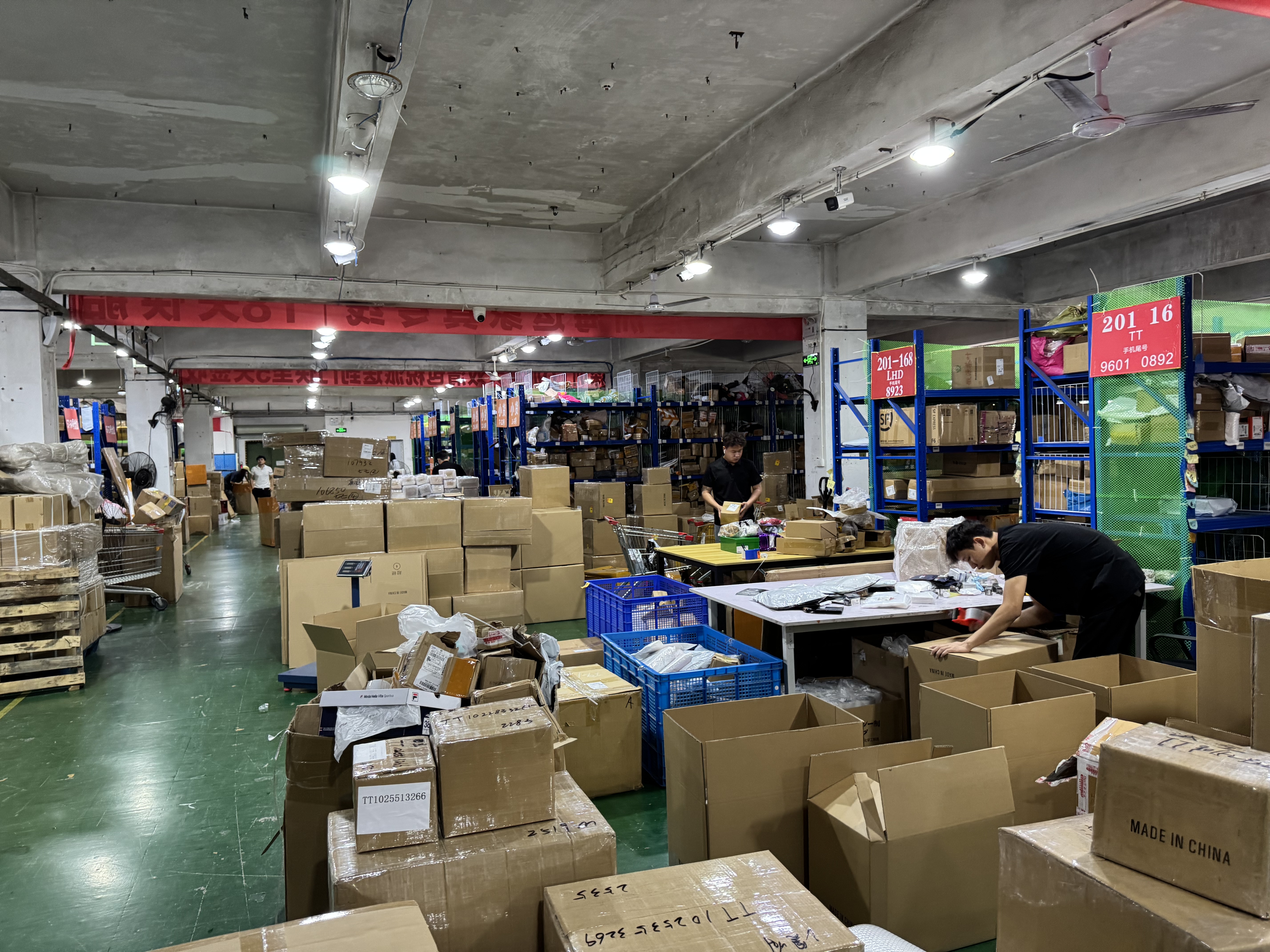
Airport closures or reduced capacity at airports could also cause delays in cargo handling. Shippers may face longer wait times for their goods to be cleared and transported, resulting in higher inventory costs and potential lost sales.
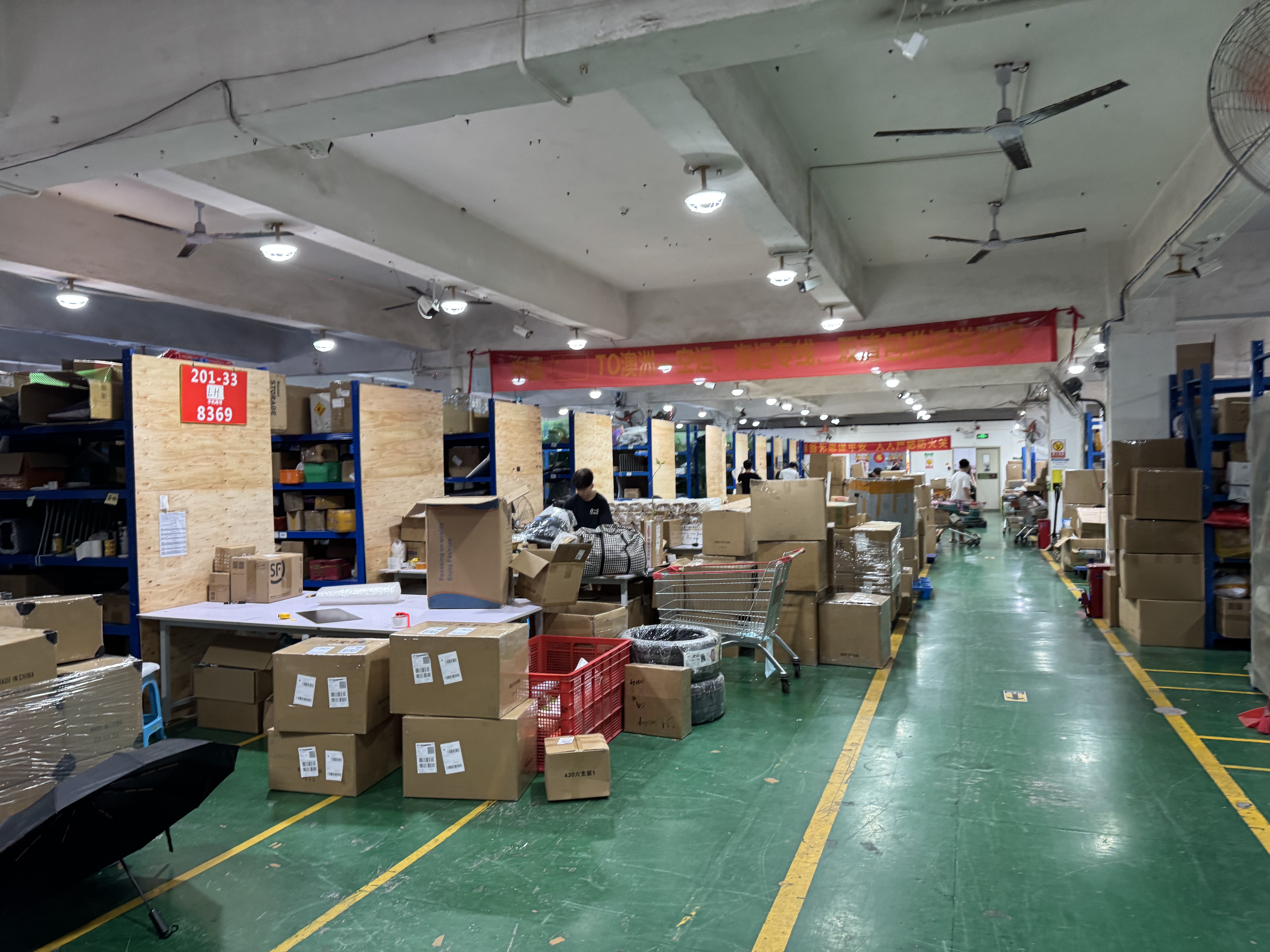
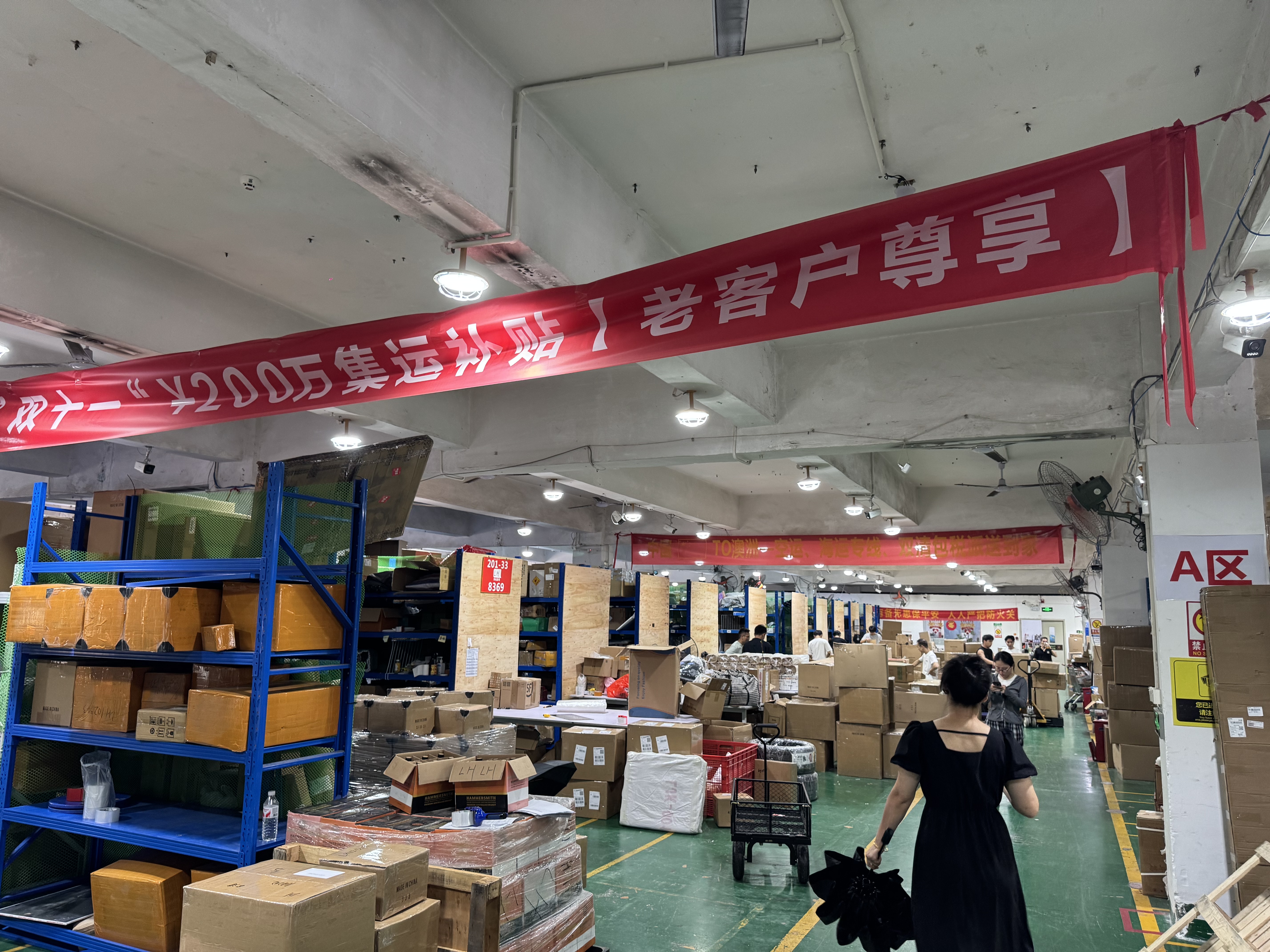
Increased Demand for Essential Goods On the other hand, a resurgence of the pandemic could also lead to an increased demand for essential goods transported by air. This could include medical supplies, vaccines, and food items. Airlines may prioritize the transportation of these essential goods, which could lead to capacity shortages for other types of cargo.
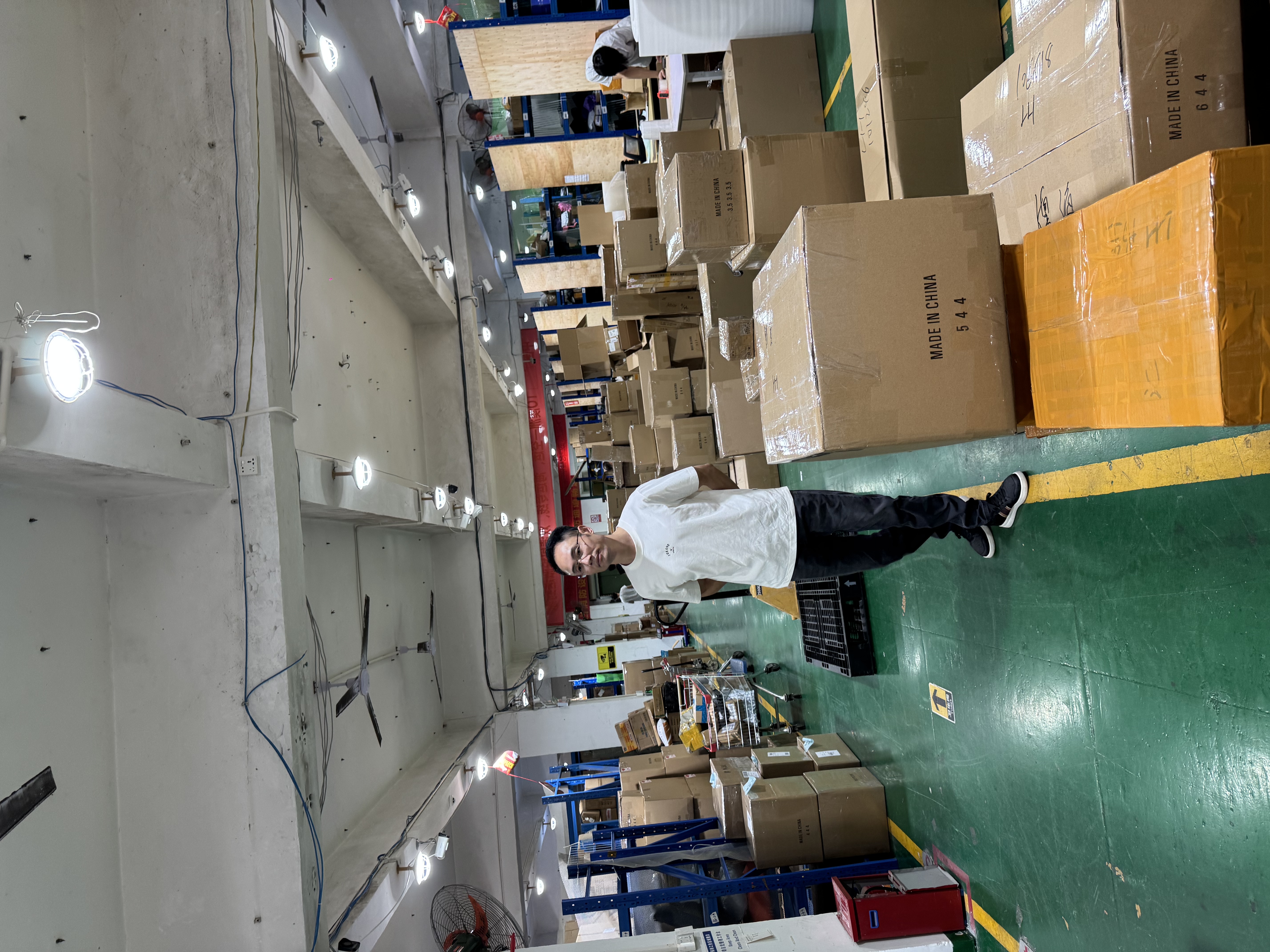
Higher Costs and Uncertainty The disruptions caused by a COVID - 19 resurgence would likely result in higher costs for air freight. Airlines may increase their rates to cover the additional costs associated with safety measures and reduced capacity. Shippers would also face greater uncertainty in terms of delivery times and reliability, which could make it more difficult to plan their supply chains.
Frequently Asked Questions (FAQ)
How does the current situation of China - Australia air freight compare to these scenarios for 2026?
Currently, the China - Australia air freight market is recovering from the impacts of the COVID - 19 pandemic and geopolitical tensions. Compared to the scenarios for 2026, we are in a relatively more volatile state. For example, there are still some trade disputes affecting certain sectors, and the air freight volume has not fully reached its pre - pandemic levels. In contrast, the scenarios for 2026 paint a picture of more distinct trends, either positive growth, further decline due to geopolitics, or significant transformation through technology. At companies like盛达国际物流, we are closely monitoring these current trends to better prepare for the future and offer stable services to our customers.
In case of a geopolitical tension scenario in 2026, how can shippers protect their interests?
Shippers can take several steps to protect their interests. First, they can diversify their supply chains. Instead of relying solely on China - Australia trade, they can explore other markets. Second, they can work with a reliable logistics provider like盛达国际物流. We have extensive experience in navigating complex trade situations. We can offer alternative shipping routes, help with customs clearance in a more efficient way, and provide accurate information about changing regulations. Additionally, shippers can consider hedging strategies for freight costs to reduce the impact of potential price hikes.If there are technological advancements in the China - Australia air freight by 2026, how can small and medium - sized enterprises (SMEs) benefit?
SMEs can benefit in multiple ways. With improved efficiency and lower costs, SMEs can afford to use air freight more frequently. For example, the use of fuel - efficient aircraft leading to lower freight rates and automation in cargo handling reducing costs can make air freight a more viable option for shipping their products. Enhanced tracking and visibility also allow SMEs to have better control over their shipments, just like larger companies. They can monitor their goods in real - time and plan their business operations more effectively. At盛达国际物流, we can help SMEs access these technological benefits by providing them with our advanced logistics systems and expertise in using new digital tools.In the event of a COVID - 19 resurgence in 2026, will air freight become too expensive for most businesses?
While it's true that a resurgence of COVID - 19 could lead to higher costs in air freight, it doesn't necessarily mean it will be unaffordable for most businesses. Many airlines and logistics providers will try to balance the need to cover additional costs with the demand from customers. For example,盛达国际物流 aims to offer cost - effective solutions even in challenging times. We can work with businesses to find the most suitable shipping options, such as consolidating cargo to share costs. Also, some businesses that rely on air freight for essential goods may be willing to pay a premium to ensure timely delivery.What role will the 2026 China - Australia transport route policies play in these scenarios?
The 2026 China - Australia transport route policies will have a crucial role. In the positive trade - growth scenario, favorable policies such as simplified customs procedures, incentives for airlines, and support for new routes can further boost the air freight market. On the contrary, in a geopolitical tension scenario, stricter regulations and policies could exacerbate the decline in air freight volume. In the technological advancements scenario, policies that encourage the adoption of new technologies in air freight, like tax incentives for airlines using fuel - efficient aircraft or initiatives to promote digitalization in cargo handling, can accelerate the transformation. In a COVID - 19 resurgence scenario, policies related to border controls and safety measures at airports will directly impact the operations of air freight. At盛达国际物流, we keep a close eye on these policies to ensure our customers can navigate the market smoothly.