

Introduction
Shipping large furniture to Canada in 2026 can be a daunting task, especially when it comes to deciding between Less-than-Container Load (LCL) and Full-Container Load (FCL). Each option has its own pros and cons, and the choice depends on a variety of factors. As someone deeply involved in the logistics industry, I've seen firsthand how the decision can significantly impact the cost, time, and overall experience of shipping. Let's dive into the details and understand when to choose LCL and when FCL is the better option.
I. Understanding LCL and FCL
1. LCL (Less-than-Container Load)
LCL is a shipping method where multiple shippers' goods are combined in one container. This is a great option for those who don't have enough furniture to fill an entire container. For example, if you're a small business shipping a few pieces of furniture or an individual moving to Canada with a limited amount of household items, LCL can be cost - effective as you only pay for the space your furniture occupies in the container.
2. FCL (Full-Container Load)
On the other hand, FCL involves renting an entire container for your shipment. This is ideal when you have a large quantity of furniture. Suppose you're a furniture manufacturer exporting a bulk order to Canada. In such a case, FCL ensures that your goods are the only ones in the container, reducing the risk of damage from other shippers' items.
II. Cost Comparison
1. LCL Costs
LCL is generally priced based on the volume or weight of your furniture. It's suitable for smaller shipments as it doesn't require you to pay for an entire container. However, there are additional costs involved, such as consolidation fees, which cover the cost of combining multiple shippers' goods. According to industry data, the cost per cubic meter for LCL can range from $100 - $300, depending on the origin and destination.
2. FCL Costs
FCL costs are determined by the type of container (20GP, 40GP, or 40HQ) you choose. For a 20 - foot container (20GP), the shipping cost from China to Canada in 2026 could range from $1500 - $3000, while a 40 - foot container (40GP) might cost between $2500 - $4500. Although the upfront cost might seem high, it can be more economical for large shipments when you consider the per - unit cost.
3. When to Choose Based on Cost
If you have a small amount of furniture (less than 10 cubic meters), LCL is likely the more cost - effective option. But if your furniture volume exceeds 10 - 15 cubic meters, FCL will generally offer a better price per unit.
III. Shipping Time
1. LCL Shipping Time
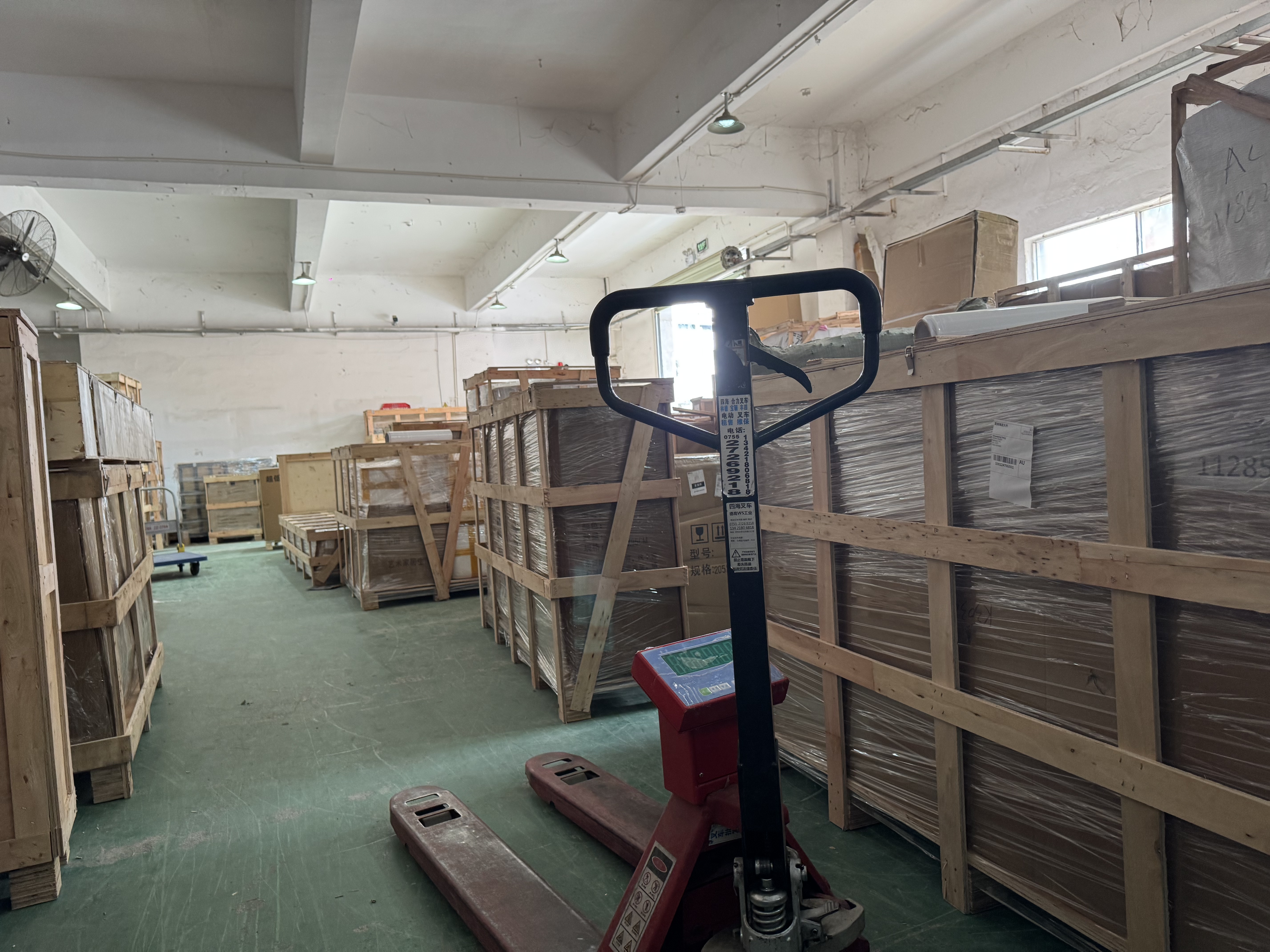
LCL shipments usually take longer due to the consolidation process. First, your furniture needs to be collected and combined with other shippers' goods at the departure port. Then, at the destination port, it has to be de - consolidated before delivery. On average, LCL shipping from China to Canada can take 20 - 35 days.
2. FCL Shipping Time
FCL shipments are generally faster as there's no need for consolidation and de - consolidation. The container is loaded directly onto the ship and transported to the destination. The shipping time for FCL from China to Canada can be around 15 - 25 days, which is a significant advantage if you need your furniture urgently.
3. When to Choose Based on Shipping Time
If you have a tight deadline and need your furniture to arrive quickly, FCL is the better choice. However, if time is not a critical factor, LCL can be a viable option to save on costs.

IV. Risk of Damage
1. LCL and Damage Risk
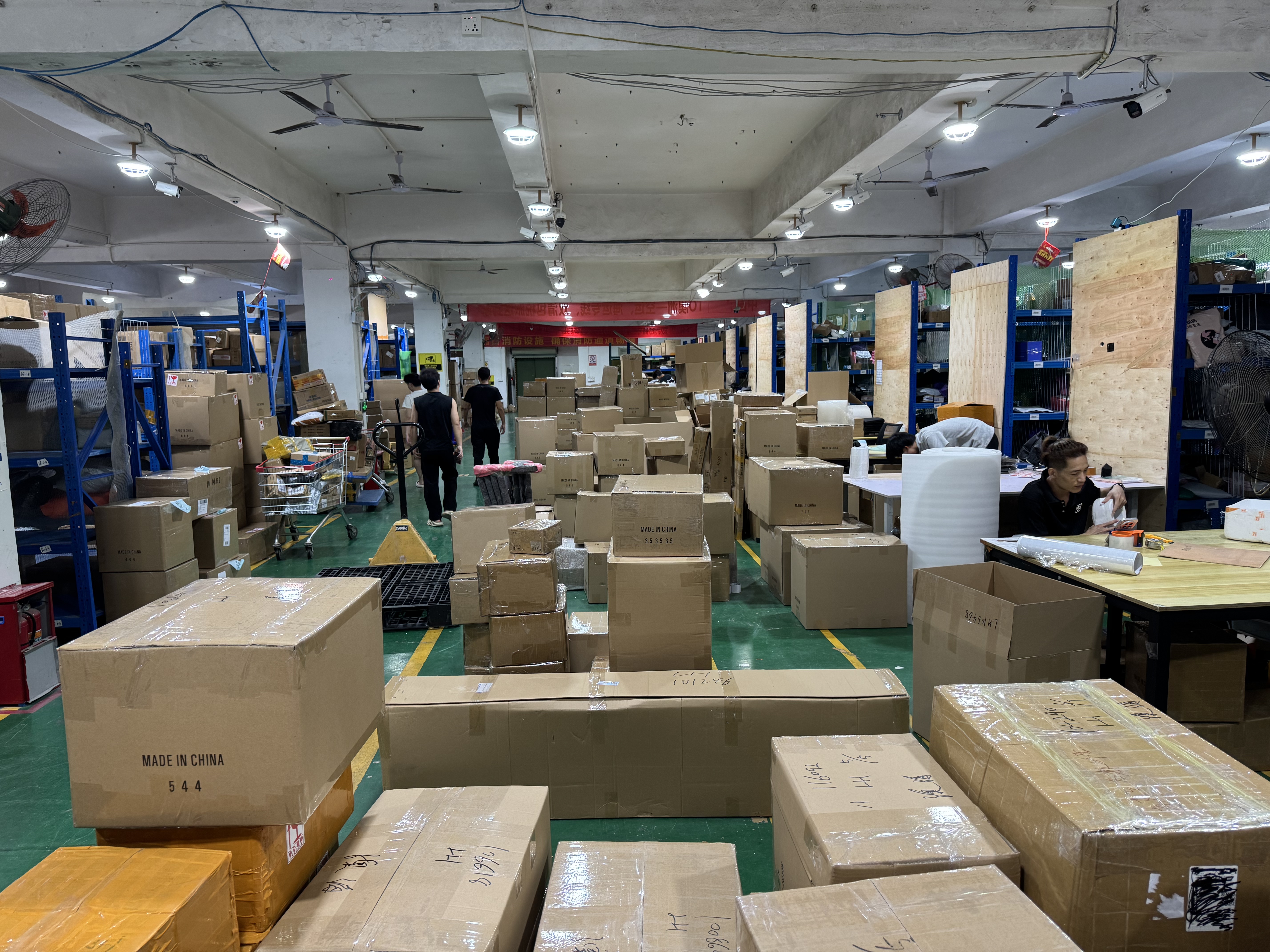
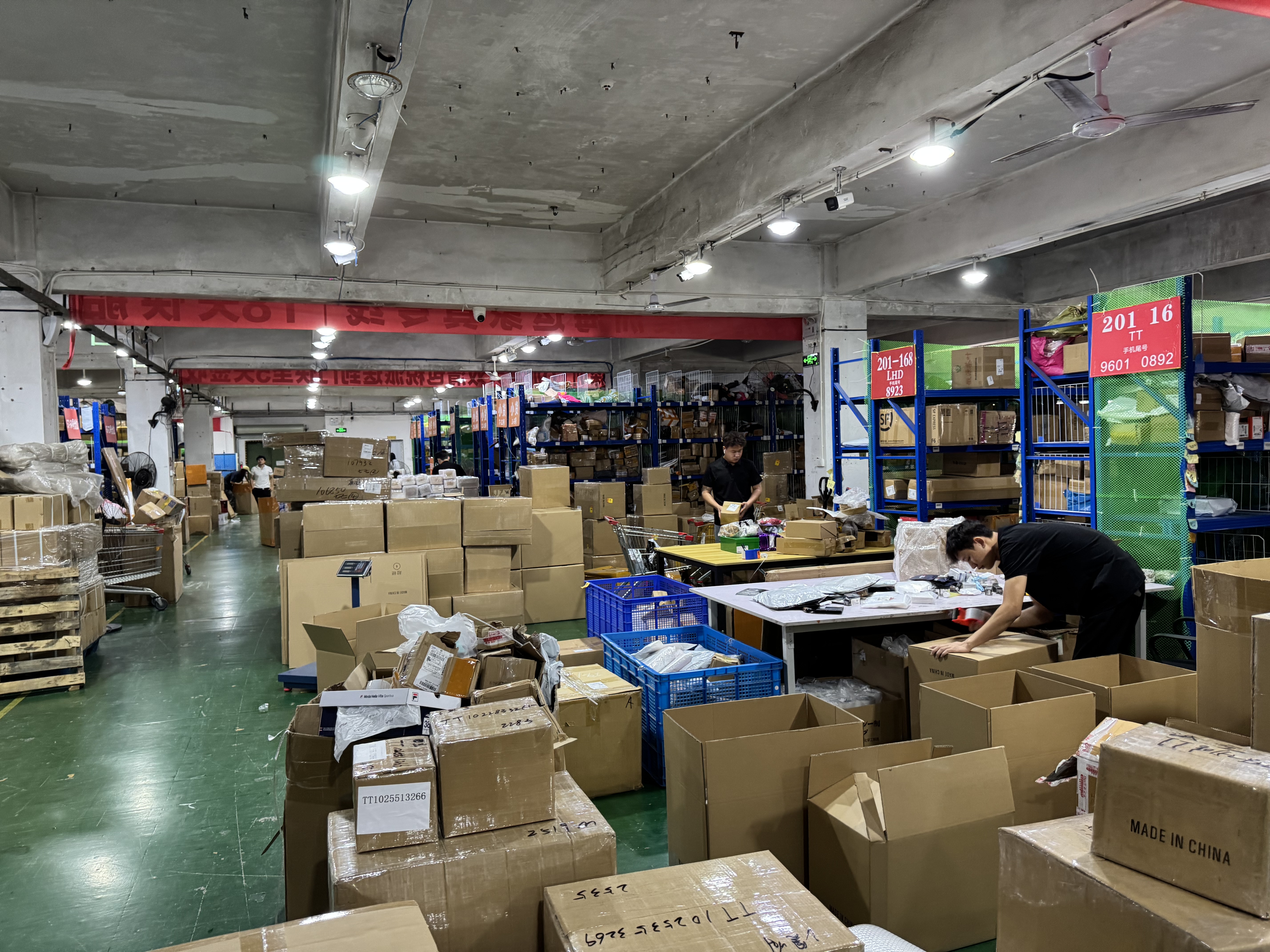
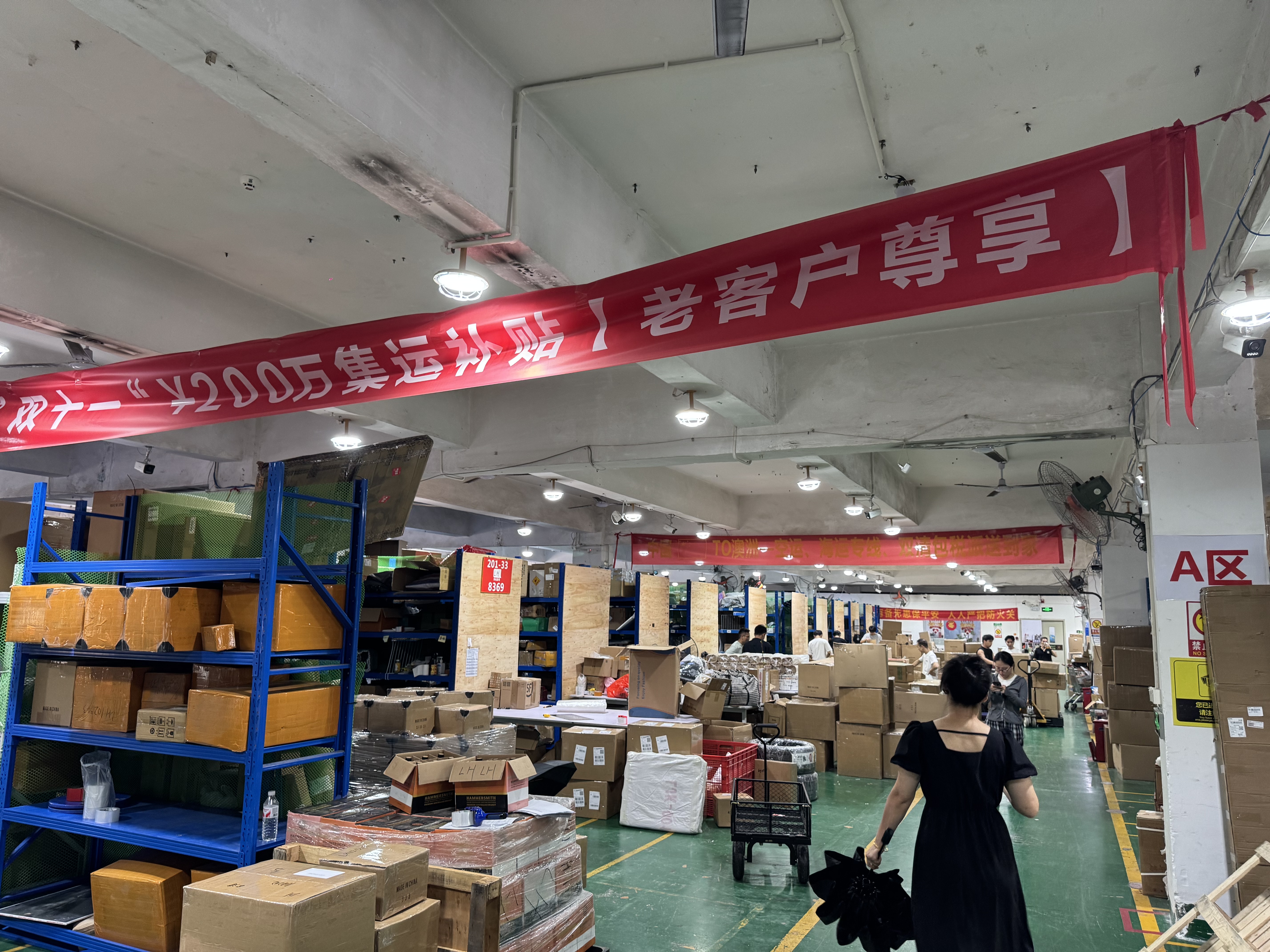
In LCL shipments, your furniture is in close contact with other shippers' goods. There's a higher risk of damage during the loading and unloading process as well as during transportation. For example, if another shipper's items are not properly packed, they could cause damage to your furniture.
2. FCL and Damage Risk
With FCL, your furniture is the only cargo in the container, which significantly reduces the risk of damage. The container can be directly loaded and unloaded without the interference of other goods. This is especially important for large, fragile furniture pieces.
3. When to Choose Based on Damage Risk

If your furniture is valuable, fragile, or has intricate designs, FCL is a safer option. On the other hand, if your furniture is durable and less likely to be damaged, LCL might be acceptable.
V. Customs Clearance
1. LCL Customs Clearance
Customs clearance for LCL can be more complex as each shipper's goods need to be inspected separately. There could be delays if one of the shippers in the container has issues with their customs documentation. In 2026, Canada might have stricter regulations for inspecting incoming goods, which could further complicate LCL customs clearance.
2. FCL Customs Clearance
FCL customs clearance is generally more straightforward as it involves only your goods. Once your documentation is in order, the process can be completed relatively quickly. This is especially beneficial considering the new customs policies that Canada might implement in 2026.
3. When to Choose Based on Customs Clearance
If you want to avoid potential customs - related delays, FCL is the better option. But if you're willing to take the risk and can handle potential delays, LCL can still work for you.
VI. Applicable Scenarios for Different Types of Shippers
1. Individual Shippers

LCL: If you're an individual moving to Canada with a small amount of furniture, like a student or a young professional, LCL can be a great option. It's cost - effective, and even though the shipping time might be longer, it's manageable if you're not in a hurry.
FCL: If you're an individual with a large amount of furniture, such as a family moving with a full house of items, FCL is more suitable. It offers faster shipping times and less risk of damage.
2. Small Business Owners
LCL: Small business owners with limited furniture orders for their stores in Canada can opt for LCL. It allows them to save on shipping costs while still getting their products to the market.FCL: When a small business experiences growth and has larger orders to ship, FCL becomes the better choice. It ensures a more efficient and secure shipping process.
3. Large Furniture Manufacturers
FCL: FCL is the standard choice for furniture manufacturers. It offers cost - efficiency for large - scale shipments, faster delivery times, and better protection for their products.
FAQ
Q1: How can I ensure my furniture is well - protected during shipping?
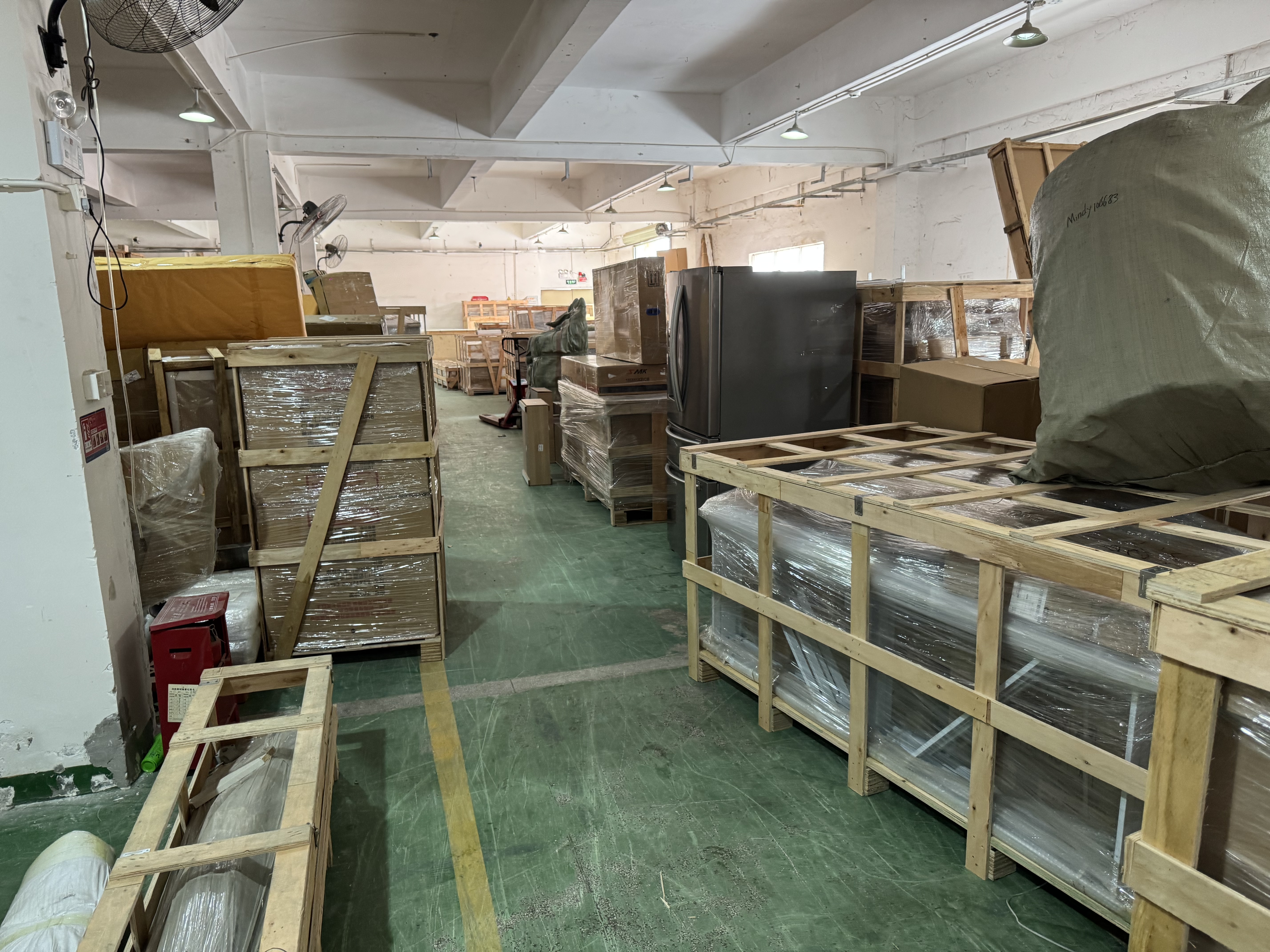
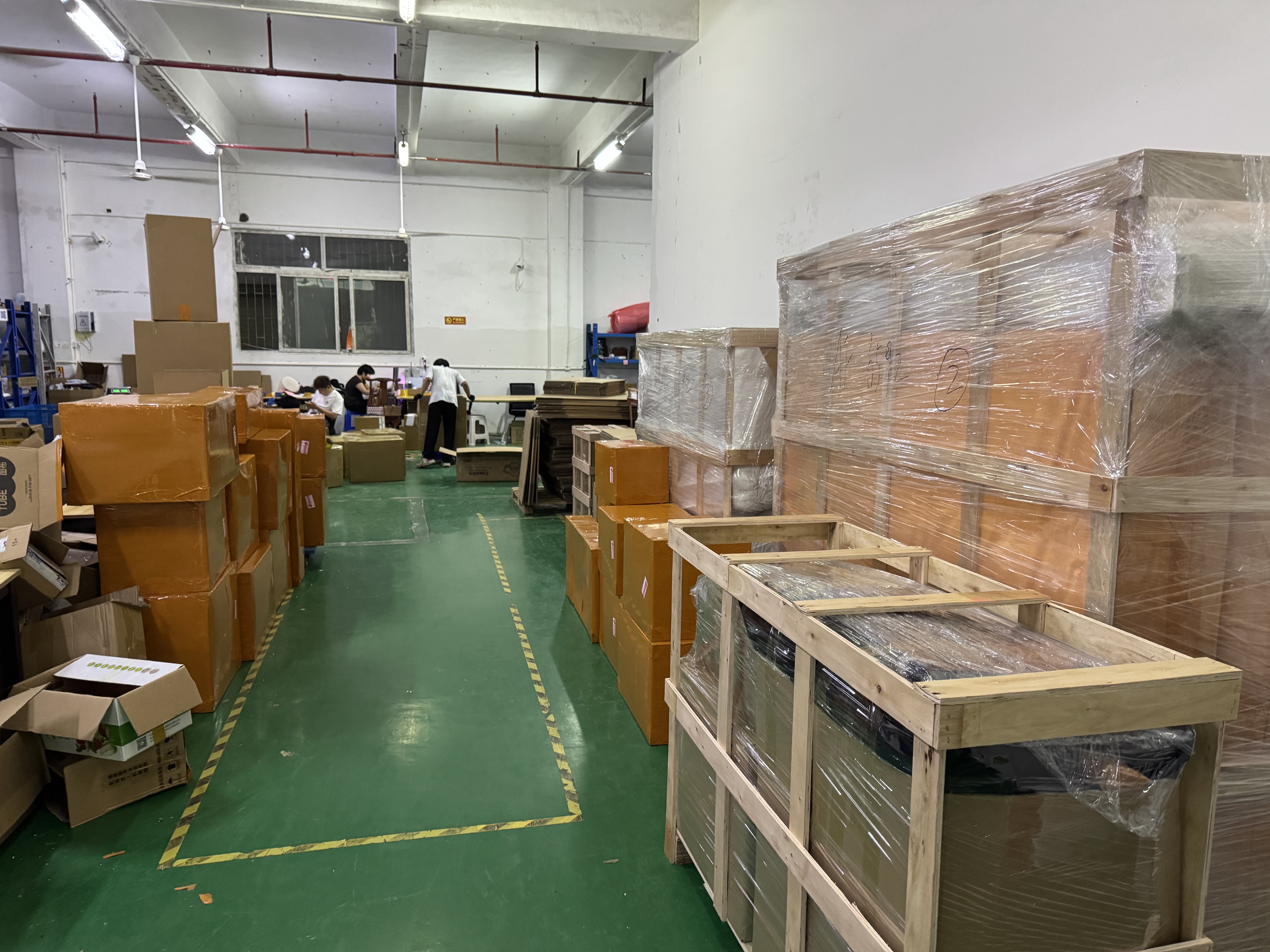
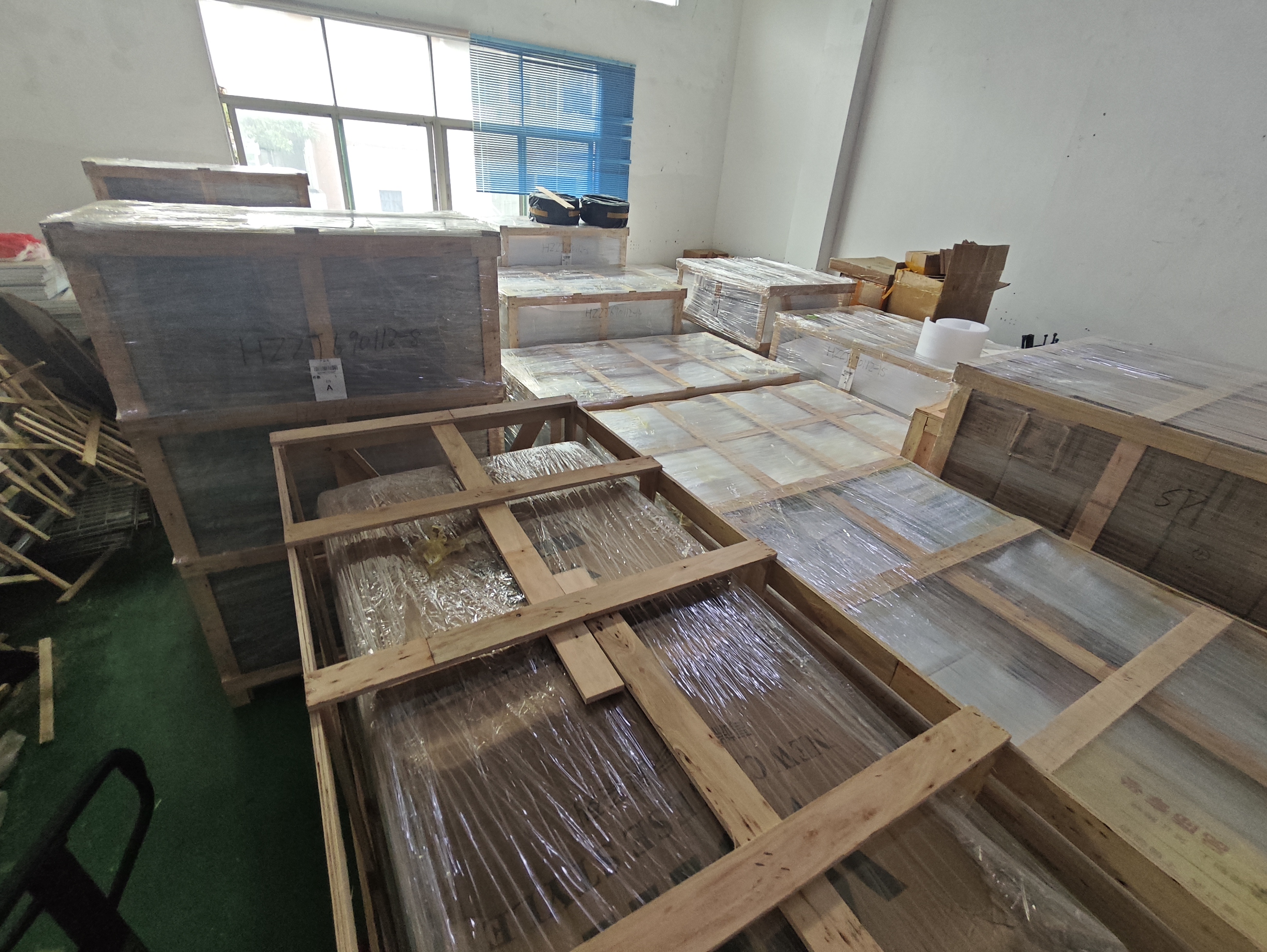
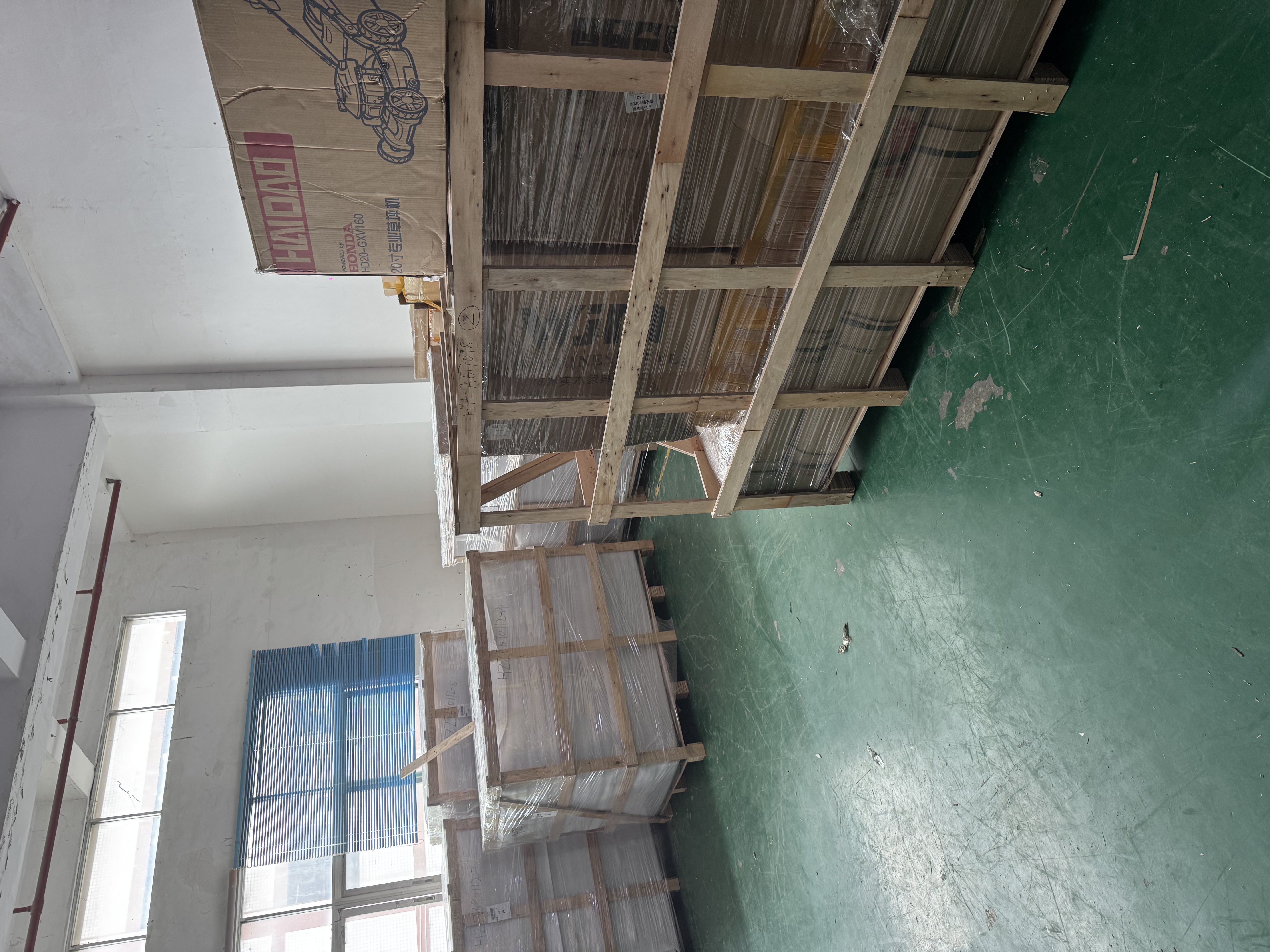
A: Whether you choose LCL or FCL, proper packing is crucial. For LCL, make sure your furniture is wrapped in protective materials like bubble wrap and cardboard. If you choose FCL, you can also add extra layers of protection. At [Company Name], we offer our customers professional packing services with materials like bubble wrap, cartons, and wooden frames to protect furniture, reducing the risk of damage during shipping.
Q2: Are there any restrictions on shipping furniture to Canada?
A: There are some regulations in Canada regarding the import of furniture, especially if it's made of certain woods or contains any animal products. It's important to check these regulations before shipping. Our company has a professional team that keeps up - to - date with all the relevant regulations in Canada, so we can help you navigate through the customs clearance process smoothly.
Q3: What are the advantages of using [Company Name] for shipping furniture to Canada?
A: [Company Name] offers a range of services tailored to different shipping needs. We have both LCL and FCL options, and our experienced team can help you choose the most suitable method for your furniture. We also provide comprehensive services such as packing, customs clearance, and door - to - door delivery. Our transparent pricing ensures that you know exactly what you're paying for, without any hidden fees.
Q4: Can I track my furniture shipment?
A: Yes, with our advanced tracking system, you can track the status of your furniture shipment in real - time. Whether it's in transit, at a port, or out for delivery, you'll be able to stay informed every step of the way.
Q5: What if my furniture gets damaged during shipping?
A: We have a reliable insurance and compensation policy. If your furniture is damaged during shipping due to our negligence, we'll assess the damage and provide appropriate compensation according to the value of your goods.
In conclusion, the decision between LCL and FCL when shipping large furniture to Canada in 2026 depends on various factors such as cost, shipping time, risk of damage, and customs clearance. By carefully evaluating these factors and understanding your specific needs, you can make an informed decision to ensure a smooth and successful shipping process. And remember, companies like [Company Name] can provide the expertise and support you need along the way.
