

How Will China-Canada Cross-Border Consolidated Shipping Evolve in Different Scenarios in 2026?
In the dynamic world of cross - border logistics, the China - Canada shipping route has always been a hot topic. As we approach 2026, it's essential to explore how cross - border consolidated shipping between the two countries will develop under different circumstances. Let's take a closer look.
I. Policy - driven Scenario
New Trade Policies By 2026, if new free - trade policies are introduced between China and Canada, it will significantly boost cross - border consolidated shipping. For example, a reduction in tariffs can lead to an increase in the volume of goods being shipped. According to industry forecasts, a 10% reduction in tariffs could potentially increase the shipping volume by 15 - 20% within the first year.In terms of customs clearance, more streamlined policies can speed up the entire shipping process. Currently, a significant amount of time is spent on customs procedures. With new policies, the average customs clearance time for consolidated shipments could be reduced from the current 3 - 5 days to just 1 - 2 days.
FAQ: "What if new trade policies lead to more competition in the shipping market?" Well, as an experienced player like Shengda International Logistics, we have the advantage of a well - established network and long - term partnerships. We can negotiate better rates with carriers and offer more stable services, ensuring that our customers still get the best value for their money.
Environmental Regulations Stricter environmental regulations in both countries are likely to impact shipping. Shipping companies will be required to use more eco - friendly fuels and vessels. This might increase the cost of shipping in the short term, but it will also drive innovation. For instance, some companies are already exploring the use of LNG - powered vessels, which can reduce carbon emissions by up to 20 - 30%.
Shengda International Logistics is committed to environmental protection. We are constantly looking for ways to optimize our shipping routes and use more sustainable shipping methods to meet the requirements of environmental regulations.
FAQ: "How will environmental regulations affect the shipping cost?" While there might be a slight increase in cost due to the adoption of eco - friendly measures, we believe in long - term benefits. Moreover, we can help our customers find the most cost - effective solutions by optimizing the shipping process and consolidating more shipments.
II. Economic - driven Scenario
Economic Growth in China and Canada If both China and Canada experience robust economic growth in 2026, the demand for cross - border consolidated shipping will soar. For example, an increase in consumer purchasing power will lead to more imports and exports. In China, the e - commerce market has been growing rapidly, and more Chinese consumers are interested in Canadian products such as health supplements and agricultural goods. On the other hand, Canadian businesses are also eyeing the huge Chinese market for their high - end products.According to market research, a 5% increase in GDP in both countries can potentially lead to a 7 - 10% increase in cross - border shipping volume.
FAQ: "How can I ensure my shipments are not delayed during the peak shipping season caused by economic growth?" With our advanced logistics system and strong partnerships with carriers, Shengda International Logistics can predict peak seasons in advance and reserve sufficient shipping space. We also have a real - time monitoring system to ensure that your shipments are on schedule.
Exchange Rate Fluctuations Exchange rate fluctuations between the Chinese Yuan and the Canadian Dollar can have a significant impact on cross - border trade and shipping. A favorable exchange rate can make products more competitive in the market, thus increasing the shipping volume. For example, if the Chinese Yuan appreciates against the Canadian Dollar, it will be cheaper for Chinese businesses to import goods from Canada, leading to an increase in shipping demand.
However, exchange rate fluctuations can also bring risks. To mitigate these risks, Shengda International Logistics can offer flexible payment and pricing options to our customers.
FAQ: "How do you handle the risks associated with exchange rate fluctuations?" We have a team of financial experts who closely monitor exchange rate movements. We can work with our customers to develop strategies such as fixed - rate contracts for a certain period to minimize the impact of exchange rate changes.
III. Technological - driven Scenario
Digital Transformation in Logistics In 2026, the application of digital technologies in the logistics industry will be more widespread. For example, blockchain technology can be used to improve the transparency and security of shipping information. With blockchain, all parties involved in the shipping process, including shippers, carriers, and customs officials, can access real - time and immutable information.Artificial intelligence can be used for route optimization and demand forecasting. By analyzing large amounts of data, AI can help shipping companies choose the most efficient routes, reducing shipping time and cost. For instance, Shengda International Logistics' own AI - powered system can predict shipping demand with an accuracy rate of up to 80%, allowing us to better plan our resources.
FAQ: "How does digital transformation benefit my shipping experience?" Digital transformation means more transparency, better efficiency, and higher security. You can track your shipments in real - time, and we can provide you with more accurate delivery times. This also reduces the chances of miscommunication and errors in the shipping process.
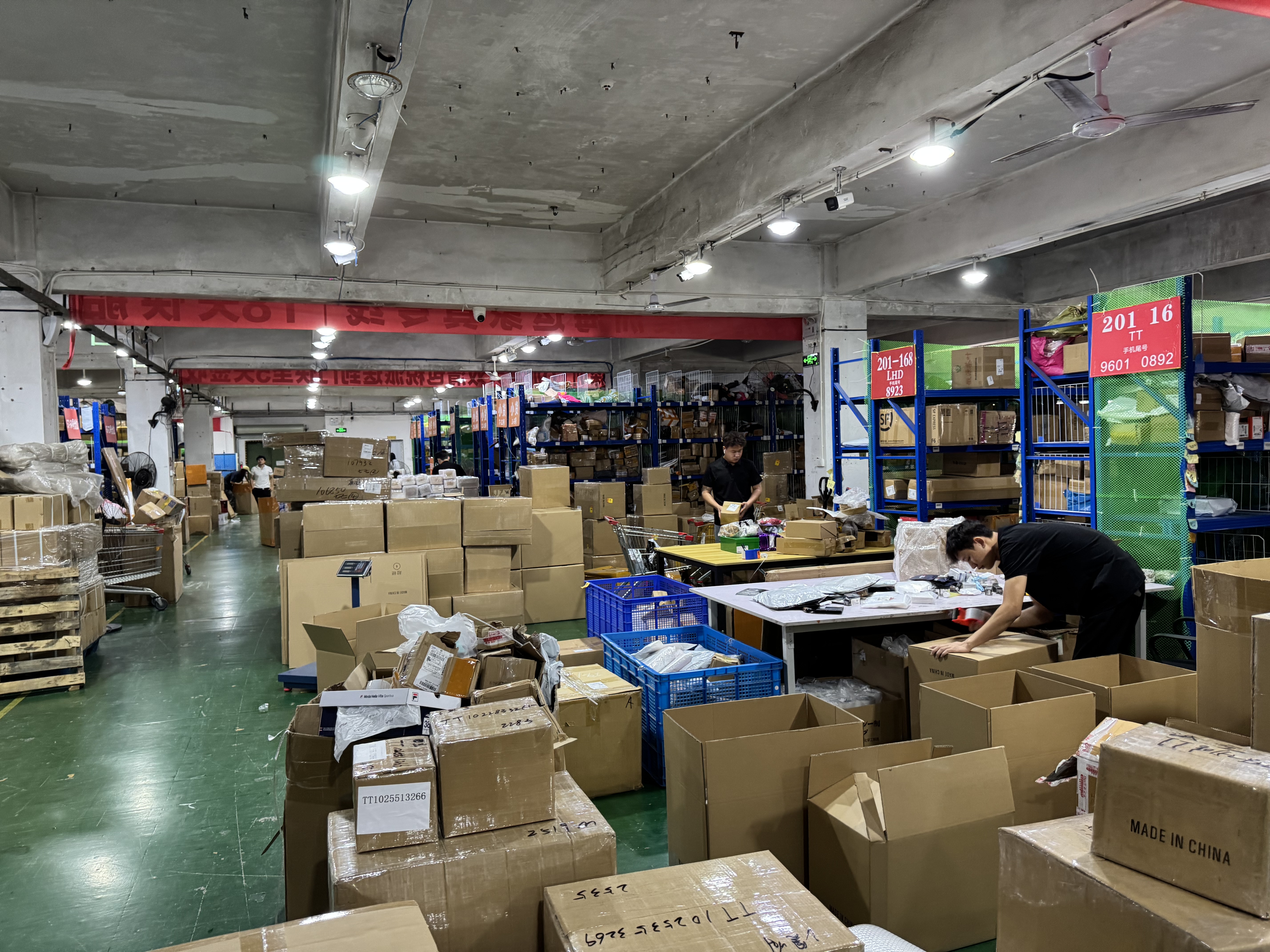
Automation in Warehousing Automation in warehousing will become more common by 2026. Automated storage and retrieval systems (AS/RS) can significantly increase the storage capacity and handling efficiency of warehouses. For example, a fully automated warehouse can handle up to 50% more goods compared to a traditional warehouse.
In addition, automated sorting systems can sort packages faster and more accurately. This will reduce the processing time of consolidated shipments, especially during peak seasons.
FAQ: "Will automation in warehousing lead to higher shipping costs?" On the contrary, automation can reduce labor costs and improve efficiency in the long run. This allows us to offer more competitive shipping rates to our customers.
IV. Social and Cultural - driven Scenario
Cultural Exchange and Market Demand The increasing cultural exchange between China and Canada will fuel the demand for cross - border consolidated shipping. For example, Chinese cultural products such as traditional Chinese clothing, martial arts equipment, and Chinese cuisine ingredients are becoming more popular in Canada. At the same time, Canadian cultural products like maple syrup - related products and ice hockey equipment are in high demand in China.This cultural - driven market demand will lead to a more diverse range of goods being shipped between the two countries. Shengda International Logistics, with its wide range of shipping options, can meet the needs of different cultural product shipments.
FAQ: "Can you handle the shipping of unique cultural products?" Absolutely! We have experience in shipping all kinds of cultural products. Our team understands the special requirements for shipping these products, such as proper packaging and handling, to ensure they arrive at their destination in good condition.
Consumer Behavior Changes In 2026, consumer behavior is likely to change further. E - commerce has made consumers more accustomed to fast and reliable delivery. They expect shorter shipping times and more convenient tracking services.
Shengda International Logistics is constantly adapting to these changes. We are improving our delivery speed and enhancing our tracking systems to meet the evolving consumer demands.
FAQ: "How can you keep up with the changing consumer behavior?" We closely monitor consumer trends and feedback. Based on this information, we continuously optimize our services, such as offering more express shipping options and improving our customer service channels.
In conclusion, the future of China - Canada cross - border consolidated shipping in 2026 is full of possibilities under different scenarios. Whether it's policy, economic, technological, or social and cultural factors, Shengda International Logistics is well - prepared to face these challenges and opportunities, providing high - quality and reliable shipping services for our customers.
