

Will There Be Tax - Free Sea Shipping for Australian Immigrants Personal Items in Different Scenarios by 2026?
In the world of international shipping, especially for Australian immigrants shipping their personal items, the question of tax - free sea shipping is both crucial and timely. As we look forward to 2026, various scenarios will come into play, and understanding the tax - free policies can save a significant amount of money.
I. Current Policy Landscape
Before delving into the future, let's first understand the current situation. Currently, Australian customs has specific rules regarding tax - free import of personal items for immigrants. Generally, immigrants are allowed to bring in a certain amount of personal and household goods duty - free. However, there are limitations and exemptions apply only to items that are used and not for commercial purposes. For example, if an immigrant is shipping a used couch and some clothes, these items are likely to be tax - free under normal circumstances. But if the immigrant is shipping a large quantity of brand - new electronics, customs may impose taxes.
According to recent data from the Australian Border Force, in the past year, about 70% of immigrants who shipped personal items via sea were able to claim tax - free status for at least a portion of their goods. This shows that the current policy does provide some leeway for tax - free shipping.
II. Predictions for 2026
Economic and Trade Relations By 2026, the economic and trade relations between China and Australia will play a significant role in determining tax - free sea shipping policies. If the two countries continue to strengthen their trade ties, it is possible that more favorable policies for immigrants' personal item shipping may be introduced. For example, if there are new free - trade agreements or enhanced cooperation in the logistics field, the scope of tax - free items may be expanded.In the past, when there were positive developments in trade relations, we have seen an increase in the duty - free allowance for certain goods. For example, during a period of improved trade, the duty - free limit for imported wine for personal use was raised.
Customs Regulations Updates Australian customs is likely to update its regulations by 2026. These updates could be in response to changes in global trade patterns, security concerns, or environmental factors. For instance, if there is a growing concern about the import of certain pests or diseases, customs may tighten regulations on wooden furniture or plant - based items. On the other hand, if there is a push to simplify customs procedures for immigrants, the tax - free shipping process may become more streamlined.
In the past decade, Australian customs has made several adjustments to its regulations, such as introducing new security screening procedures and expanding the list of prohibited items. These changes had a direct impact on the shipping process and tax - free status of personal items.
III. Different Scenarios and Tax - Free Possibilities
Short - Term Immigrants
Short - term immigrants, those planning to stay in Australia for less than a year, may have different tax - free policies compared to long - term immigrants. In some cases, short - term immigrants may be limited to a smaller duty - free allowance or may be required to pay taxes on certain items that are considered luxury goods.For example, if a short - term immigrant is shipping a high - end camera for personal use, they may have to pay a tax on it, while a long - term immigrant might be able to claim it tax - free.
Long - Term Immigrants and Permanent Residents
Long - term immigrants and permanent residents are more likely to receive favorable tax - free policies. They are usually allowed to bring in a wider range of personal and household goods duty - free. This includes items such as furniture, clothing, and appliances that are used in their previous country of residence.However, if these items are brand - new or in large quantities, customs may still impose taxes. For instance, if a permanent resident is shipping 10 brand - new mattresses, they may be subject to taxation.
Business - Related Immigrants
Immigrants who are coming to Australia for business purposes may have a different set of rules for tax - free sea shipping. If they are shipping items that are related to their business, such as office equipment or inventory, they may not be eligible for tax - free status.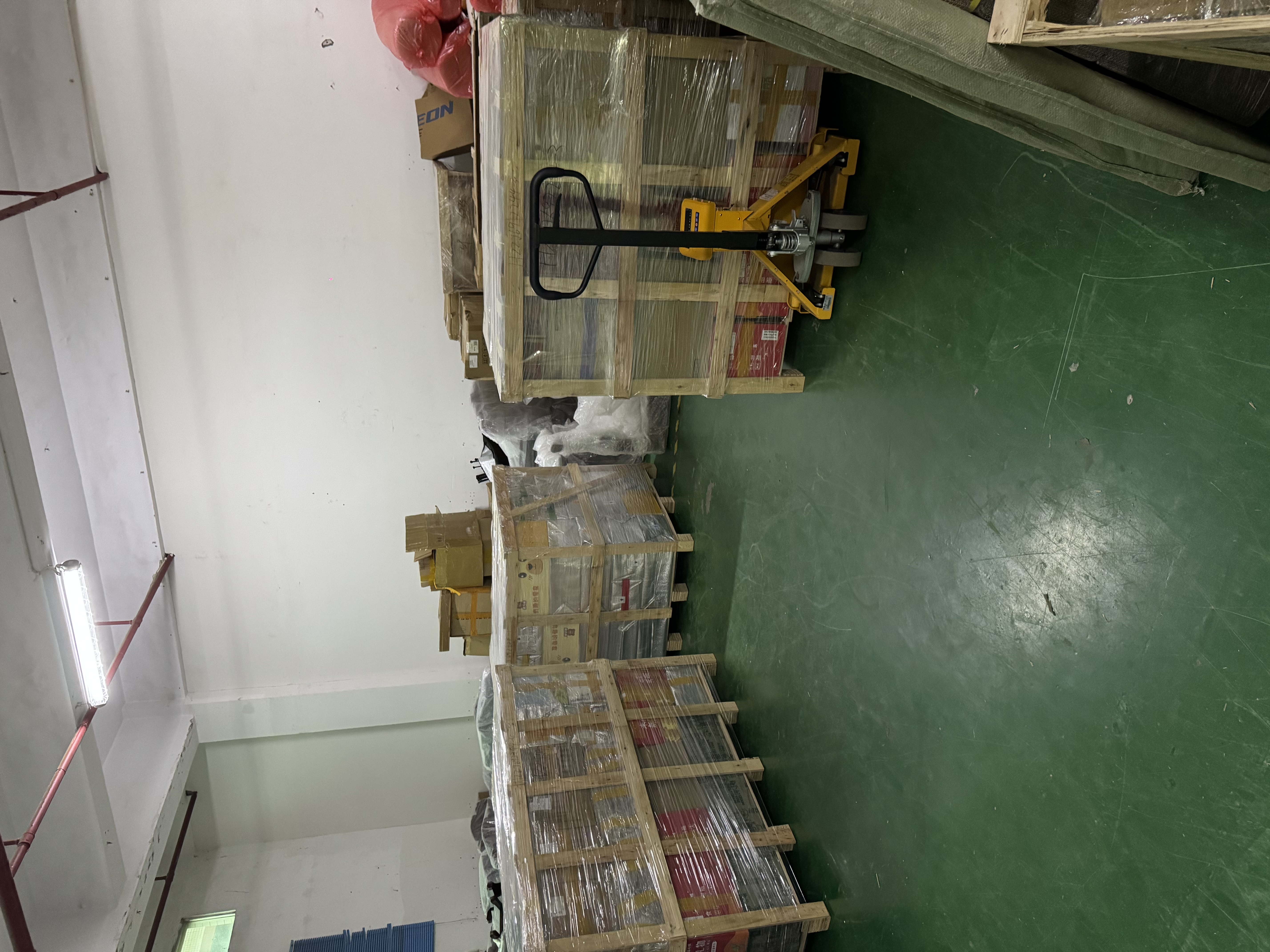
IV. The Role of Shipping Companies
Compliance and Guidance Shipping companies like Shengda International Logistics play a crucial role in ensuring that immigrants comply with Australian customs regulations. They have a team of experts who understand the current and predicted policies for 2026. These experts can guide immigrants on what items are likely to be tax - free and how to properly package and declare their goods.For example, Shengda International Logistics has a dedicated customs clearance department that can help immigrants fill out the necessary forms accurately, reducing the risk of customs issues and ensuring tax - free shipping where possible.
Logistics Optimization Shipping companies can also optimize the logistics process to take advantage of tax - free policies. For example, by combining shipments or using specific shipping routes, they can help immigrants save on shipping costs and potentially avoid some taxes.
Shengda International Logistics has a wide range of shipping options, including sea freight, which can be tailored to the needs of immigrants. Their expertise in the China - Australia shipping route allows them to find the most cost - effective and tax - efficient solutions for their customers.
V. FAQ
Q: I'm an Australian immigrant planning to ship personal items by sea in 2026. How can I be sure my items are tax - free? A: Consult with a professional shipping company like Shengda International Logistics. They have experts who are well - versed in Australian customs regulations. Provide them with a detailed list of your items, and they can guide you on what is likely to be tax - free based on the current and predicted policies.Q: I'm a short - term immigrant. Will I be able to ship my personal items tax - free? A: It depends on the nature and quantity of your items. Short - term immigrants may have more restrictions compared to long - term ones. Shengda International Logistics can help you assess your situation and determine which items may qualify for tax - free status.
Q: I'm bringing in some brand - new furniture. Will I have to pay taxes on it? A: Brand - new items are more likely to be subject to taxation. However, the final decision depends on Australian customs regulations in 2026. Shengda International Logistics can help you with proper documentation and declaration to minimize the tax risk.
Q: Can I ship business - related items tax - free if I'm immigrating for business purposes? A: Generally, business - related items are less likely to be tax - free. Shengda International Logistics can help you understand the specific rules for business - related shipments and find the most cost - effective way to ship them.
Q: How can Shengda International Logistics help me with tax - free sea shipping in 2026? A: Shengda International Logistics has a team of experts who understand the ever - changing Australian customs regulations. They can provide you with accurate guidance on what items are tax - free, help you with proper documentation, and optimize your shipping process to take advantage of any available tax - free policies.
In conclusion, while it's difficult to predict with absolute certainty whether there will be tax - free sea shipping for Australian immigrants' personal items in different scenarios by 2026, understanding the current policies, future trends, and the role of shipping companies like Shengda International Logistics can help immigrants make informed decisions and potentially save on shipping costs.
