

Will 2026 See a New Era for Air Freight to Adelaide? Exploring Different Scenarios!
In the dynamic world of international logistics, the year 2026 holds the promise of significant changes, especially for air freight routes to Adelaide. As someone deeply entrenched in the logistics industry, I've witnessed firsthand the various factors that shape the future of air cargo operations. Let's delve into different scenarios and see what 2026 might have in store for air freight to this vibrant Australian city.
I. Policy Changes between China and Australia
The policies governing the China - Australia and Australia - China transport routes are like the wind beneath the wings of the air freight industry. In 2026, we might see new regulations that either boost or put a damper on air freight.
Tariff and Tax Policies
Currently, tariffs and taxes can take a big bite out of the profit margins for air freight companies. For example, a shipment worth $100,000 might face a 10% tariff, which is a substantial cost. If in 2026, the Chinese and Australian governments decide to reduce these tariffs, it could lead to a surge in air freight volume. A reduction of just 5% could save companies thousands of dollars, making it more cost - effective to ship goods via air.On the other hand, if new taxes are introduced, it could make air freight less attractive. For instance, an environmental tax on carbon emissions from aircraft could increase the overall cost of air freight, forcing some companies to look for alternative shipping methods.
Customs Clearance Policies
Efficient customs clearance is crucial for air freight. In 2026, if the customs procedures between the two countries become more streamlined, it could significantly reduce the transit time. Currently, a shipment might take 2 - 3 days for customs clearance. But if new policies are implemented to speed up the process, it could be reduced to just 1 day. This would be a game - changer for time - sensitive goods like fresh produce, electronics, and high - end fashion items.However, stricter customs inspections could also be on the horizon. If the authorities decide to tighten the rules to prevent the entry of illegal or sub - standard goods, it could lead to longer clearance times and potential delays in air freight deliveries.
II. Technological Advancements
Aircraft Technology The development of more fuel - efficient and larger - capacity aircraft could revolutionize air freight to Adelaide. For example, the new generation of cargo planes might be able to carry 20% more cargo than the current models. This means that fewer flights would be needed to transport the same amount of goods, reducing costs and carbon emissions.Additionally, advancements in aircraft navigation systems could lead to more direct routes, saving time and fuel. Currently, some flights to Adelaide might have to take detours due to air traffic control or weather conditions. But with better technology, these detours could be minimized, resulting in faster deliveries.
Logistics Management Technology In 2026, we might see the widespread use of artificial intelligence (AI) and blockchain in air freight logistics. AI can be used to optimize flight schedules, predict demand, and manage inventory more efficiently. For example, an AI - powered system can analyze historical data to determine the best time to schedule a flight to Adelaide based on factors like demand, weather, and fuel prices.
Blockchain technology can enhance the transparency and security of air freight operations. It can be used to track the movement of goods from the moment they leave the warehouse in China to their final destination in Adelaide. This would reduce the risk of fraud and theft, and also provide real - time information to all parties involved in the supply chain.
III. Market Demand
Consumer Goods The demand for Chinese consumer goods in Australia, and vice versa, is likely to play a significant role in the future of air freight to Adelaide. In recent years, there has been a growing demand for Chinese electronics, clothing, and home appliances in Australia. If this trend continues in 2026, it could lead to an increase in air freight volume.For example, a popular Chinese smartphone brand might see a surge in sales in Australia, and air freight would be the fastest way to replenish the stock. On the other hand, Australian products like wine, dairy, and meat are also in high demand in China. If the market for these products expands in 2026, it could further boost air freight traffic between the two countries.
E - commerce The growth of e - commerce has been a major driver of air freight in recent years. In 2026, this trend is likely to continue, especially with the increasing popularity of cross - border e - commerce platforms. For example, a Chinese e - commerce seller might use air freight to ship small - value, high - volume items to Australian customers.
However, the competition in the e - commerce market could also lead to price wars, which might affect the profitability of air freight companies. If sellers are looking for the cheapest shipping option, they might choose sea freight or other alternatives instead of air freight.
IV. Competition in the Air Freight Market
Existing Airlines
Established airlines that operate air freight services to Adelaide are likely to face stiff competition in 2026. For example, airlines like Qantas and China Southern Airlines have been major players in the China - Australia air freight market. But in 2026, they might face competition from new entrants or low - cost carriers.
New airlines might offer more competitive prices or better service, which could attract customers away from the established players. Additionally, low - cost carriers could disrupt the market by offering no - frills air freight services at a lower cost.
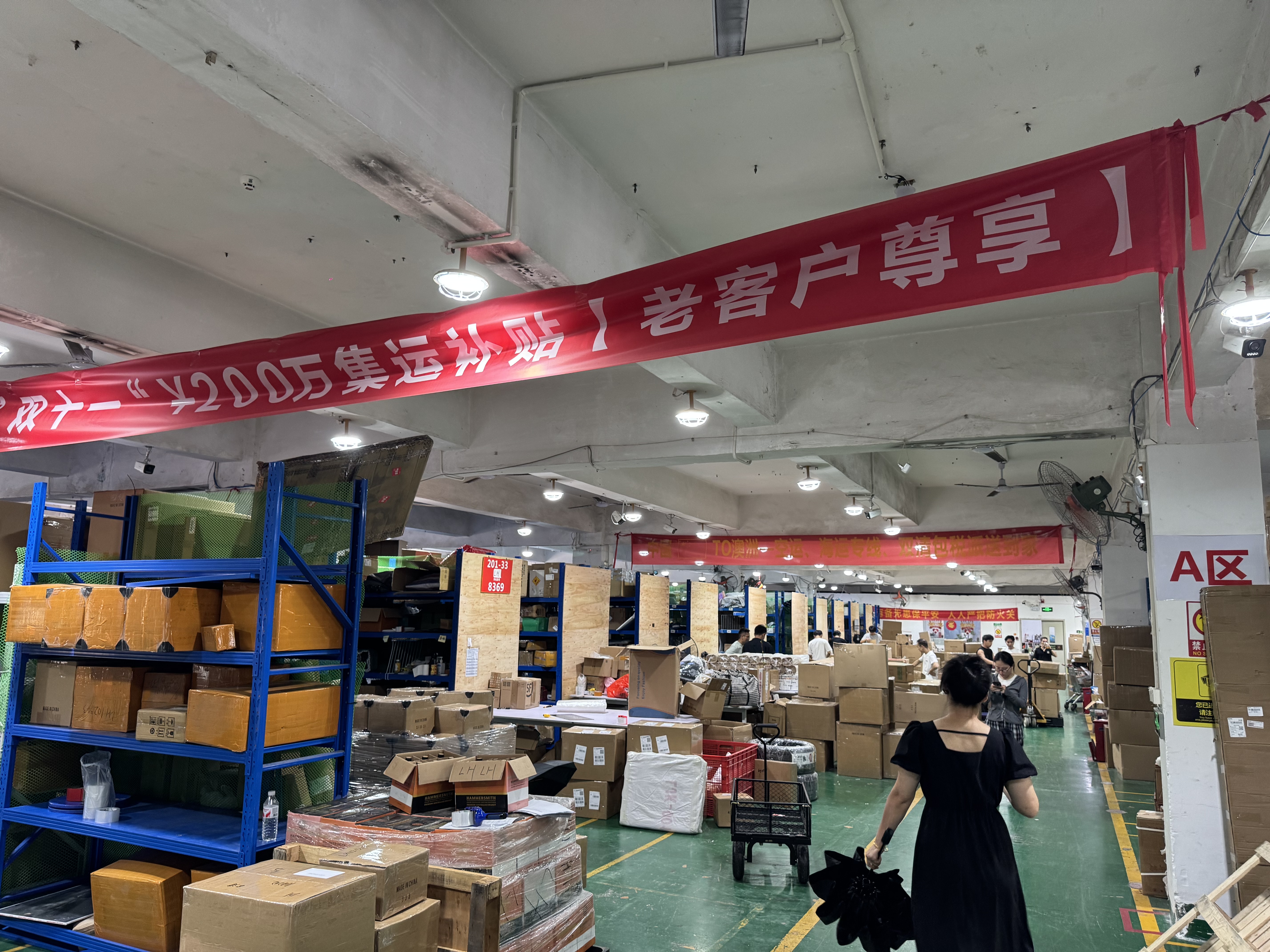
Alternative Shipping Methods Air freight also competes with other shipping methods like sea freight and road transport. In 2026, if the cost of sea freight decreases or the transit time improves, some customers might choose to switch from air freight. For example, a large - scale furniture manufacturer might decide to use sea freight to ship its products to Adelaide instead of air freight if the cost savings are significant.
V. FAQs
Q: How can I ensure that my air freight shipment to Adelaide is compliant with customs regulations? A: Our team at [Company Name] has extensive experience in dealing with customs clearance. We stay updated on the latest customs policies between China and Australia, and we will handle all the necessary paperwork and declarations for you. We also have a dedicated compliance team to ensure that your goods meet all the requirements.
Q: What if my air freight shipment is delayed? A: While we strive to ensure on - time deliveries, unforeseen circumstances like weather conditions or air traffic control issues can cause delays. In such cases, we have a proactive communication system in place. We will keep you informed about the status of your shipment and work with the airlines to minimize the delay. Additionally, we have a standard compensation policy in case of significant delays caused by our operations.
Q: Can I track my air freight shipment to Adelaide? A: Yes, you can. We use a state - of - the - art logistics tracking system that allows you to monitor the progress of your shipment in real - time. You can access this information on our website or through our mobile app, so you always know where your goods are.
Q: How does [Company Name] compare to other air freight providers? A: Unlike many other logistic companies, we focus on specific cross - border routes, including the China - Australia route. This allows us to understand the local logistics policies and customs standards better, providing more targeted services. We also offer a full set of free value - added services such as package collection, inspection, and repackaging, which can save you money and time.
In conclusion, 2026 could be a year of both opportunities and challenges for air freight to Adelaide. Policy changes, technological advancements, market demand, and competition will all play their parts in shaping the future of this important air freight route. As a logistics professional, I'm excited to see how these factors will interact and what new developments will emerge in the coming years.
