

In the dynamic world of e - commerce, first - mile ocean freight to Australia is a crucial link in the supply chain. As we look ahead to 2026, it's essential to examine whether different scenarios will bring about differences in this aspect of logistics.
I. E - commerce Market Growth Scenarios
1. High Growth Scenario
If the e - commerce market between China and Australia experiences high growth in 2026, the demand for first - mile ocean freight will likely surge. According to market research, in recent years, the e - commerce trade volume between the two countries has been growing at an average annual rate of about 15%. In a high - growth scenario, this rate could potentially reach 25% or more.
For example, a Chinese electronics e - commerce seller who currently ships 100 containers of smartphones to Australia per year may increase this volume to 200 containers. This increase in volume will put pressure on the existing freight capacity. Shipping lines may need to add more sailings, and ports will need to handle larger volumes of cargo.
2. Moderate Growth Scenario
In a moderate - growth situation, where the e - commerce trade growth rate hovers around 10 - 15%, the first - mile ocean freight may see more stable development. Shipping lines can plan their capacity more effectively, and there will be less chaos at the ports. For instance, a small - scale e - commerce seller of clothing may only increase their shipment volume by 10 - 15%, which is more manageable for the current logistics infrastructure.
3. Low Growth or Stagnant Scenario
If the e - commerce market stagnates or has low growth, say below 5%, the first - mile ocean freight may face challenges. Shipping lines may reduce the number of sailings, and there could be more competition among freight forwarders for the limited cargo. A furniture e - commerce business may find it harder to secure favorable freight rates and may even have to cut back on their shipment volume.
II. Policy and Regulatory Scenarios
1. Favorable Policies
In 2026, if the Chinese and Australian governments introduce favorable policies for e - commerce first - mile ocean freight, it will have a significant impact. For example, if there are tax incentives for shipping e - commerce goods, or if the customs clearance process is streamlined, it will make the freight process more efficient.
Currently, the average customs clearance time for e - commerce goods between China and Australia is about 3 - 5 days. With favorable policies, this time could be reduced to 1 - 2 days. A food e - commerce seller will benefit greatly from this as it can ensure the freshness of their products when they reach the Australian market.
2. Stringent Regulations
On the other hand, if there are more stringent regulations, such as stricter environmental regulations on shipping vessels or more complex customs requirements for e - commerce goods, it will increase the cost and complexity of first - mile ocean freight. For example, new environmental regulations may require shipping lines to use more expensive fuel, which will be passed on to the e - commerce sellers in the form of higher freight rates.
III. Technological Innovation Scenarios
1. High - Tech Adoption
If there is a high level of technological innovation in 2026, such as the widespread use of blockchain in supply chain management and the application of autonomous ships in ocean freight, the first - mile ocean freight process will be revolutionized. Blockchain can provide more transparent and secure information sharing among all parties involved in the freight process. For example, e - commerce sellers can easily track the origin and movement of their goods, and shipping companies can manage their operations more efficiently.
Autonomous ships can potentially reduce labor costs and improve safety. However, there are also challenges in terms of infrastructure and regulatory acceptance. If these challenges can be overcome, the efficiency of first - mile ocean freight to Australia will be significantly improved.
2. Slow Tech Adoption
If the adoption of new technologies is slow, the first - mile ocean freight may continue to rely on traditional methods. This will lead to inefficiencies, such as longer processing times at ports and a higher risk of human errors. For example, manual document handling can lead to delays and mistakes in customs clearance.
IV. Competition Scenarios
1. Intense Competition
In a scenario of intense competition among e - commerce players and freight forwarders, prices for first - mile ocean freight may be driven down. Freight forwarders may offer more competitive rates and additional services to attract e - commerce sellers. For example, they may provide free insurance or faster delivery options.
However, intense competition may also lead to a race to the bottom in terms of quality. Some unethical freight forwarders may cut corners on service to reduce costs, which can cause problems for e - commerce sellers, such as lost or damaged goods.
2. Less Competition
If there is less competition in the market, freight forwarders may have more control over prices. They may be able to charge higher rates, and e - commerce sellers may have fewer options to choose from. For example, in a monopolistic or oligopolistic situation, e - commerce sellers may have to accept the terms set by the freight forwarders, which can increase their logistics costs.
V. Natural Disasters and Global Events Scenarios
1. Major Natural Disasters
In 2026, if there are major natural disasters such as typhoons, earthquakes, or floods in the shipping routes or at the ports, it will disrupt the first - mile ocean freight. For example, a severe typhoon in the South China Sea can cause shipping delays, and damaged ports may need time to repair. E - commerce sellers may face inventory shortages and miss their delivery deadlines.
2. Global Health Pandemics or Geopolitical Tensions
Similar to what happened during the COVID - 19 pandemic, global health pandemics or geopolitical tensions can also have a great impact on first - mile ocean freight. Border closures, trade restrictions, and labor shortages at ports can cause significant disruptions. For example, if there are trade disputes between China and Australia, there may be additional tariffs or non - tariff barriers, which will affect the cost and volume of e - commerce ocean freight.
FAQ
1. How can I ensure that my e - commerce goods are shipped smoothly to Australia in 2026?
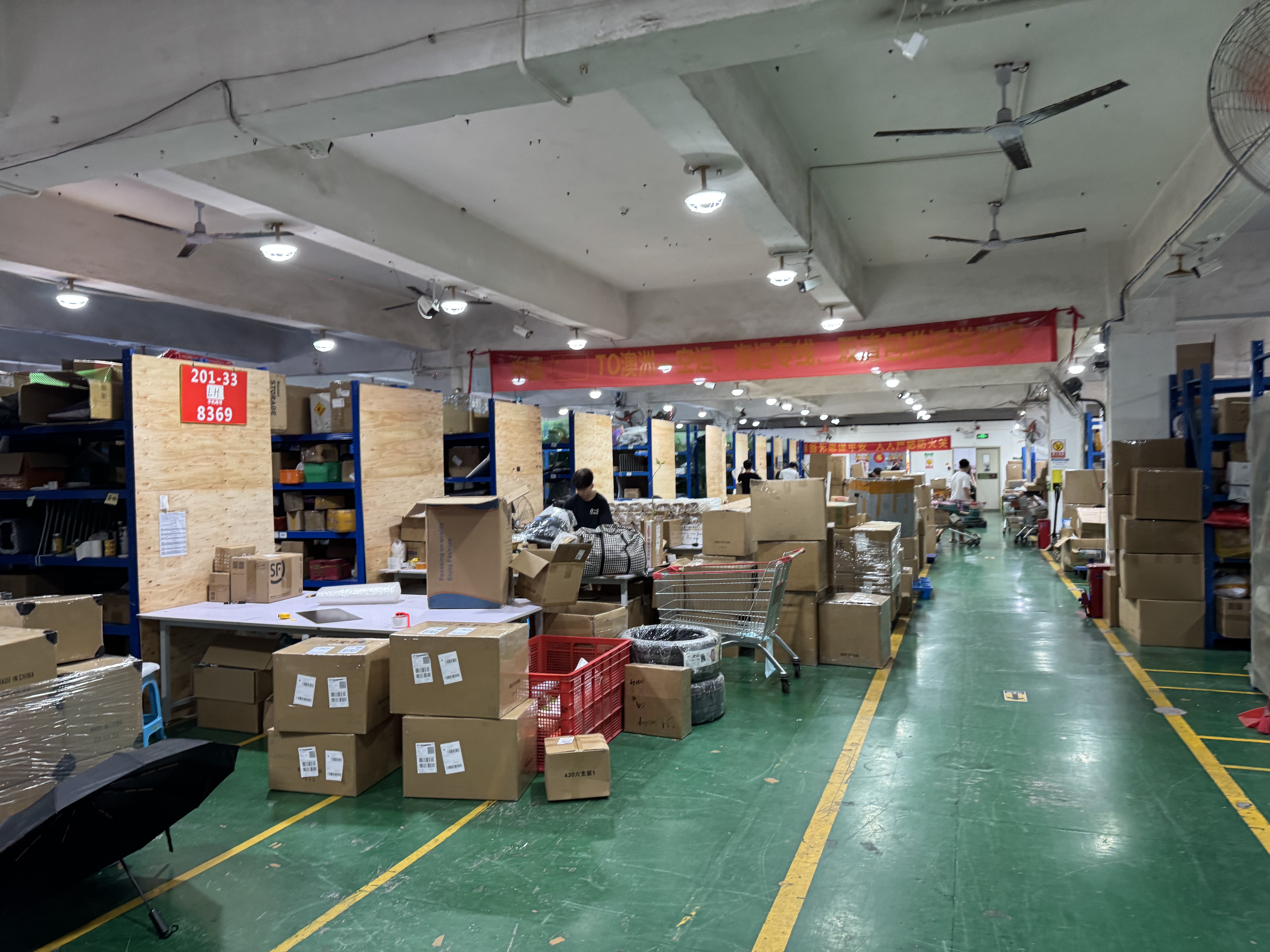
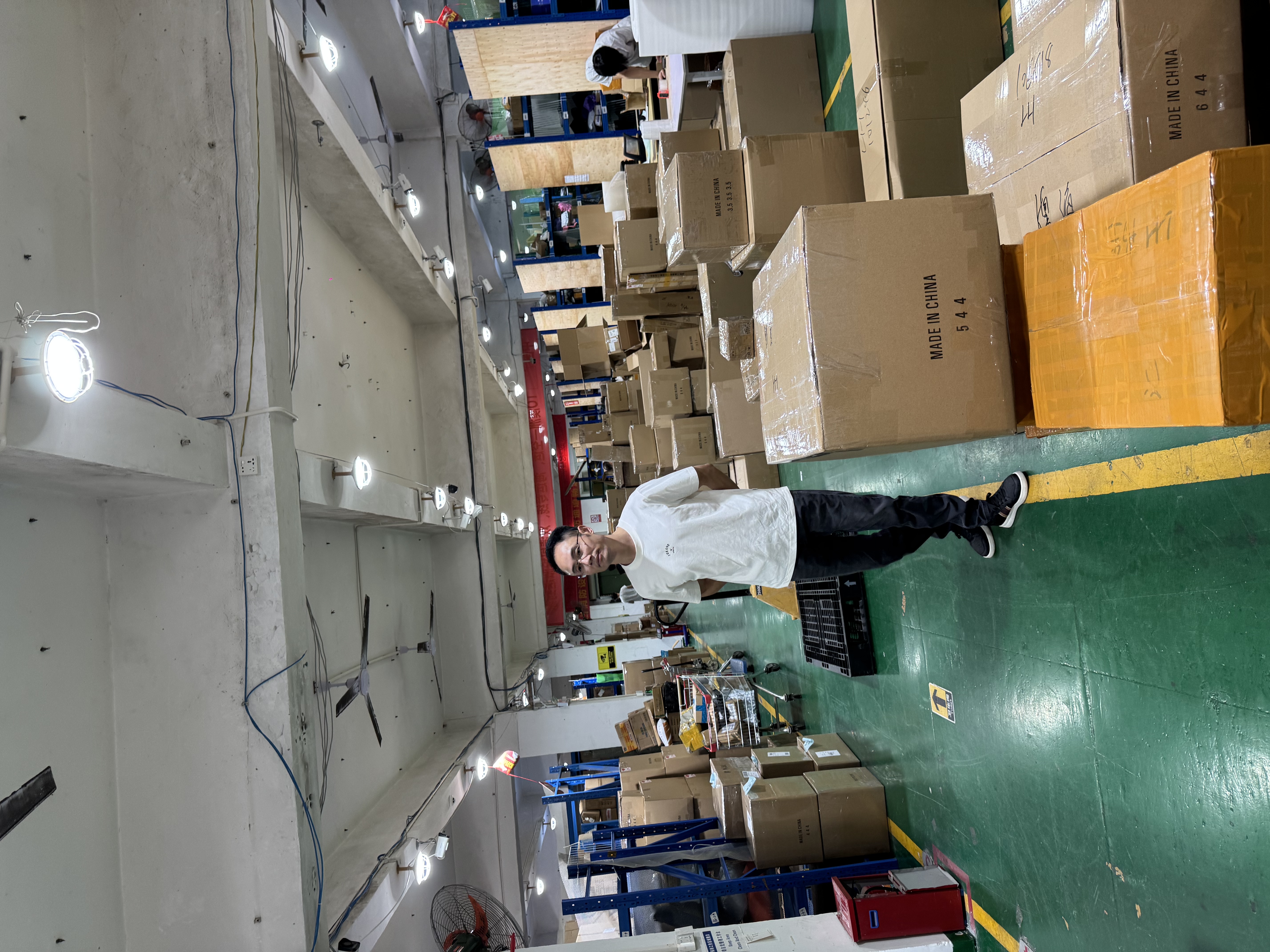
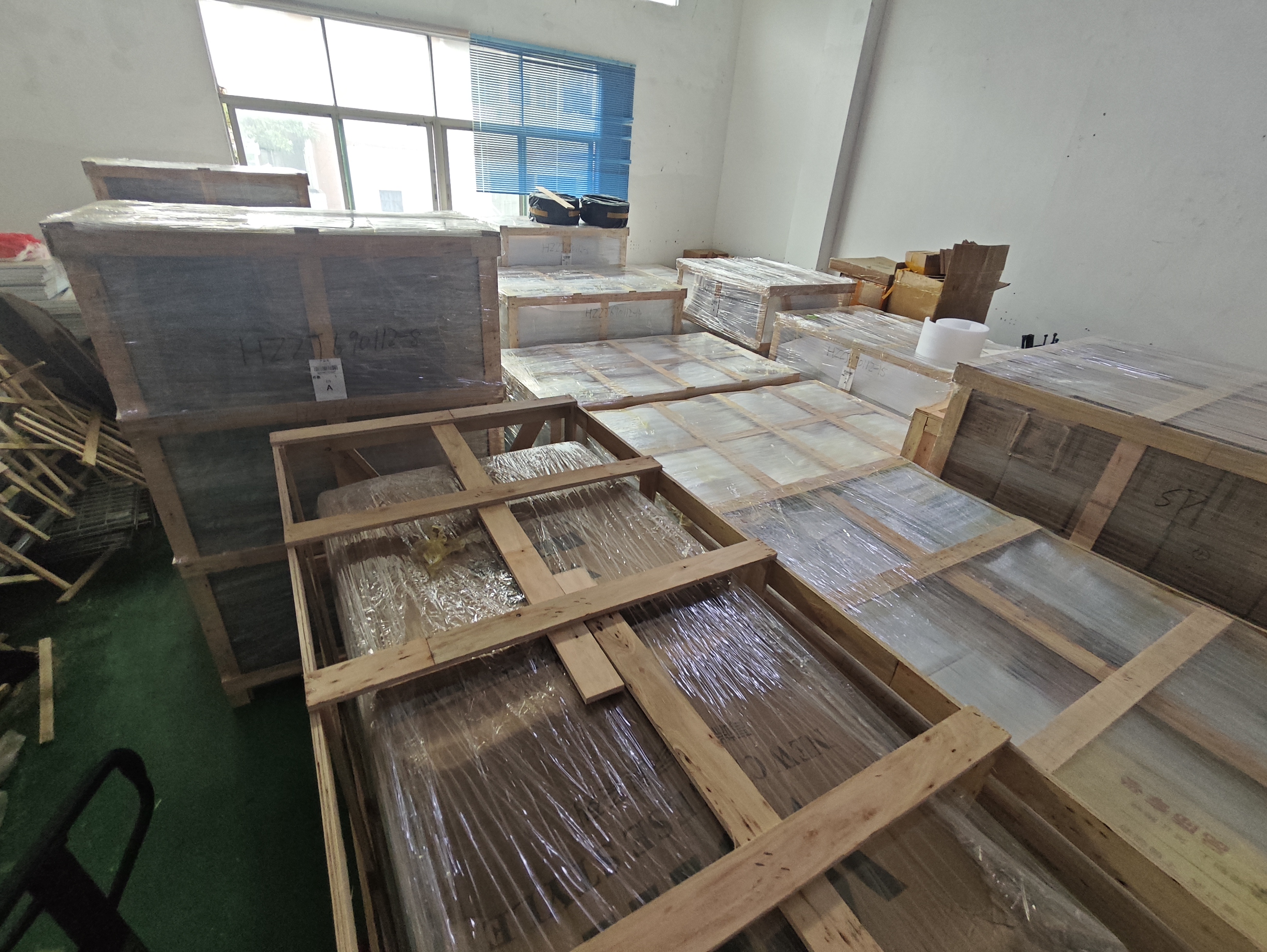
Based on my experience, choosing a reliable logistics partner is crucial. For instance, [Shengda International Logistics] focuses on the cross - border e - commerce logistics between China and Australia. They have a professional team that is well - versed in the local customs regulations and can handle various scenarios. Their full - link self - control system ensures that your goods are handled from the first - mile to the final destination with high efficiency and safety.
2. What if there are sudden policy changes in 2026 that affect my e - commerce ocean freight to Australia?
With a company like [Shengda International Logistics], you don't have to worry too much. Their team keeps a close eye on the policy changes in both China and Australia. They can quickly adjust the shipping plan and help you comply with the new policies. For example, if there are new customs requirements, they can provide accurate guidance on document preparation and declaration.
3. Can I get a good freight rate in 2026 considering the different scenarios?
It depends on the market situation. However, [Shengda International Logistics] offers a transparent pricing system. They will help you find the most cost - effective shipping solution based on the volume of your goods, the shipping time, and the current market conditions. Their long - term cooperation with shipping lines also allows them to negotiate better rates for you.
4. How can I track my e - commerce goods during the first - mile ocean freight to Australia in 2026?
[Shengda International Logistics] has a self - developed intelligent shipping system. You can easily track the status of your goods at every stage of the logistics process, including the storage, packaging, transportation, and delivery. This real - time tracking ensures that you are always informed about the whereabouts of your goods.
5. What if my e - commerce goods are damaged or lost during the first - mile ocean freight to Australia in 2026?
[Shengda International Logistics] has a standardized compensation mechanism. In case of damage or loss of goods due to operational errors, they will compensate you according to the relevant standards. Moreover, their compliance with customs regulations minimizes the risk of goods being seized or delayed, which helps protect your interests.
