

What Will the Cross - border Logistics in Australia Look Like in Different Scenarios in 2026?
In the dynamic world of cross - border logistics, the year 2026 holds a lot of potential, especially when it comes to the Australia - China and China - Australia routes. Let's explore what the cross - border logistics in Australia might look like in different scenarios in 2026.
I. Policy Landscape
In 2026, the policies governing the China - Australia and Australia - China transport routes are likely to play a crucial role. The Australian government has been gradually streamlining customs procedures to boost trade. For instance, it is expected that the time taken for goods to clear customs will be reduced by up to 20%. This is a significant improvement as currently, customs clearance can sometimes take several days, causing delays in the supply chain.
On the other hand, China has also been implementing policies to promote cross - border e - commerce. In 2026, it is anticipated that more incentives will be provided for small and medium - sized enterprises (SMEs) to engage in cross - border trade with Australia. This will lead to an increase in the volume of goods being shipped between the two countries.
II. E - commerce Boom
The e - commerce industry has been growing at an unprecedented rate, and this trend is expected to continue in 2026. With more Australian consumers shopping online from Chinese retailers, the demand for cross - border logistics services will skyrocket.

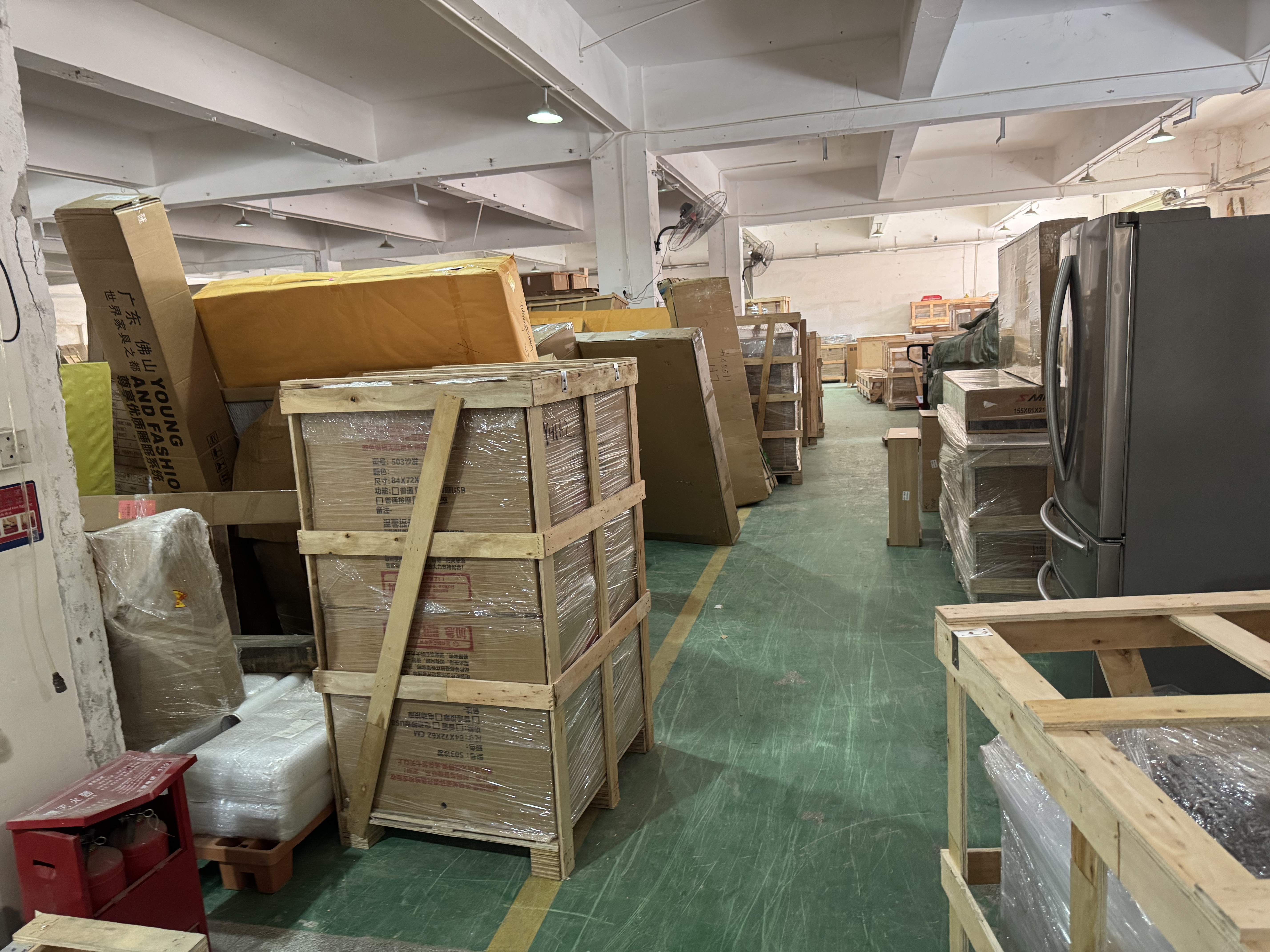
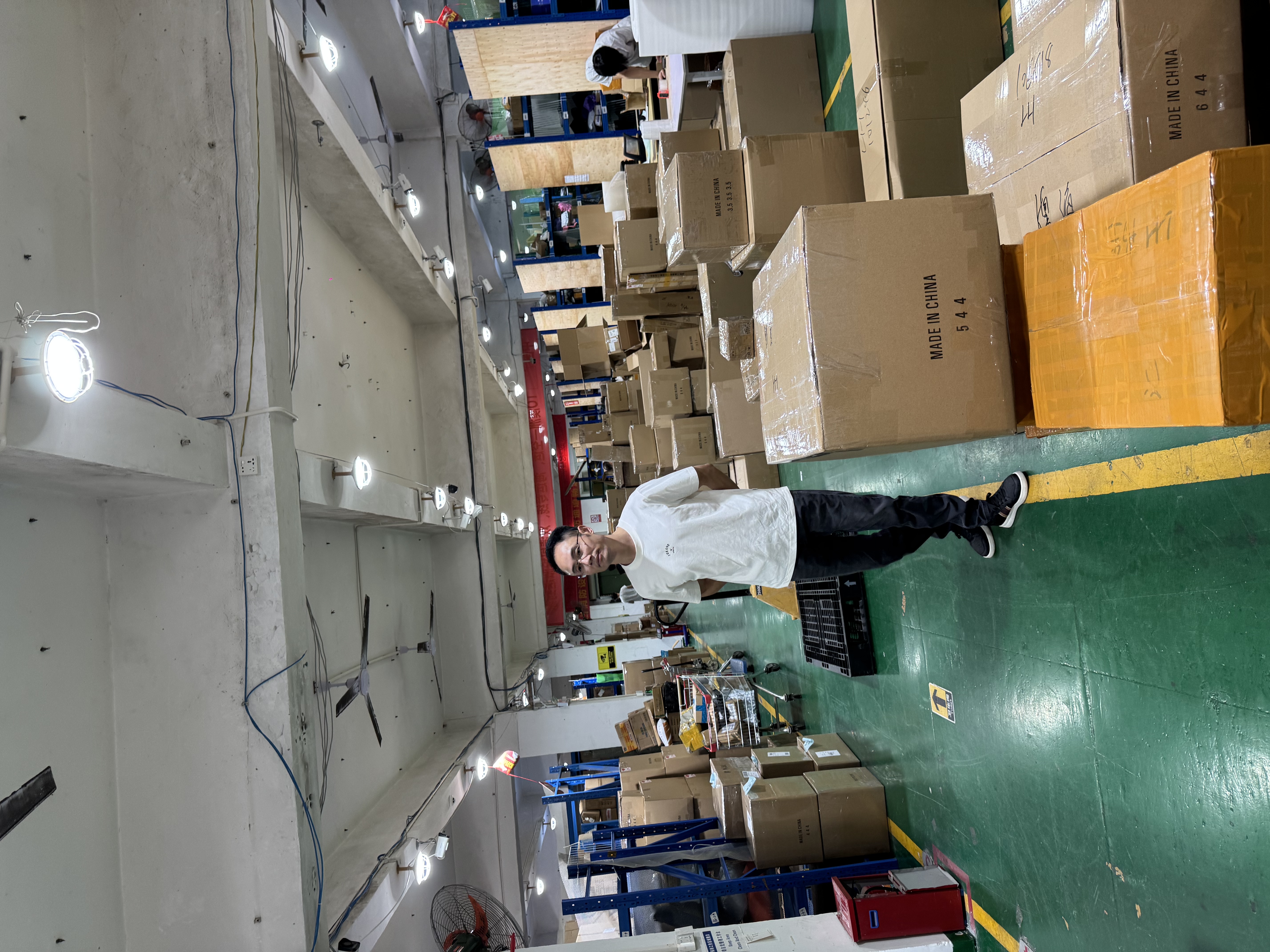
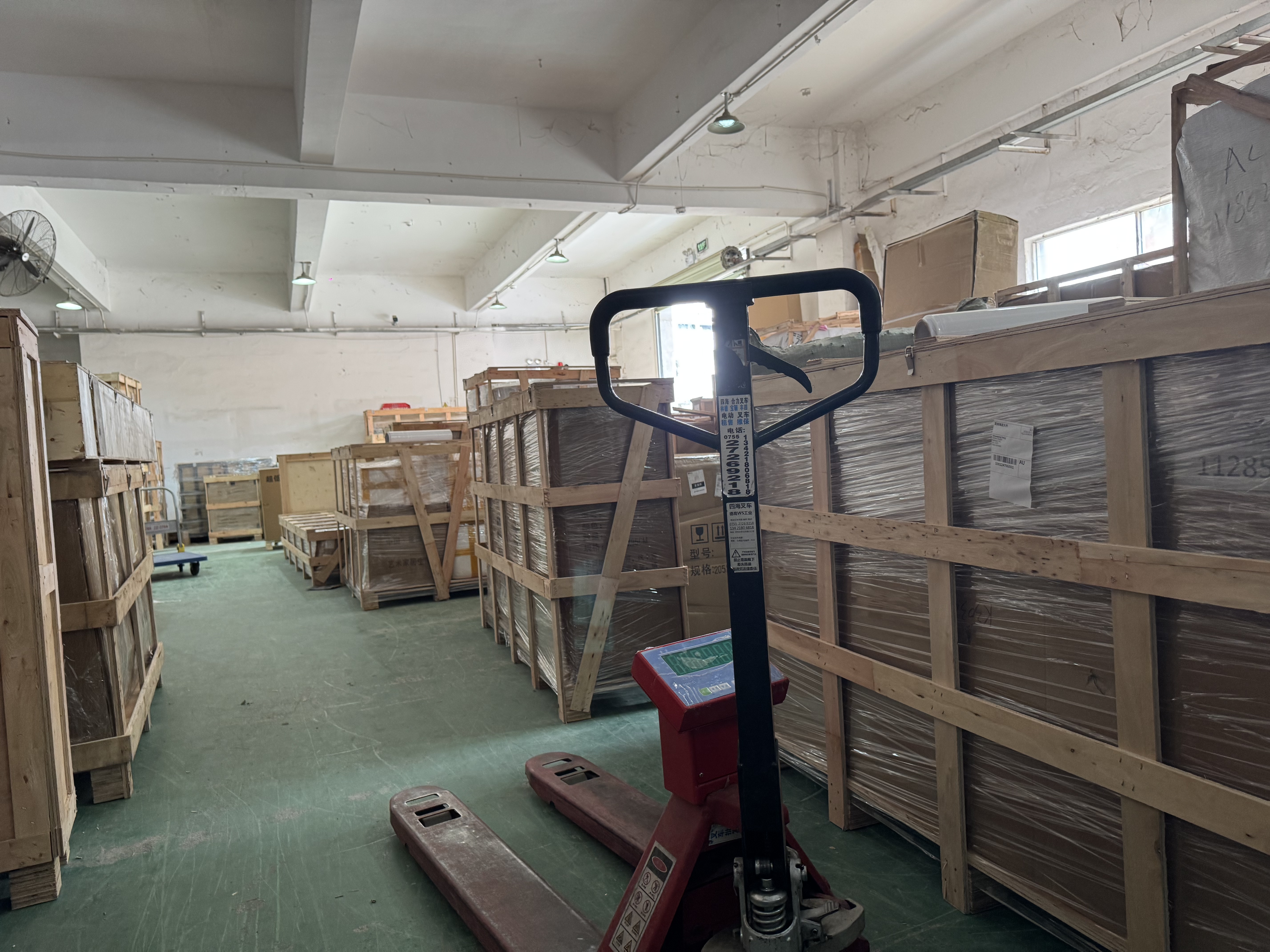
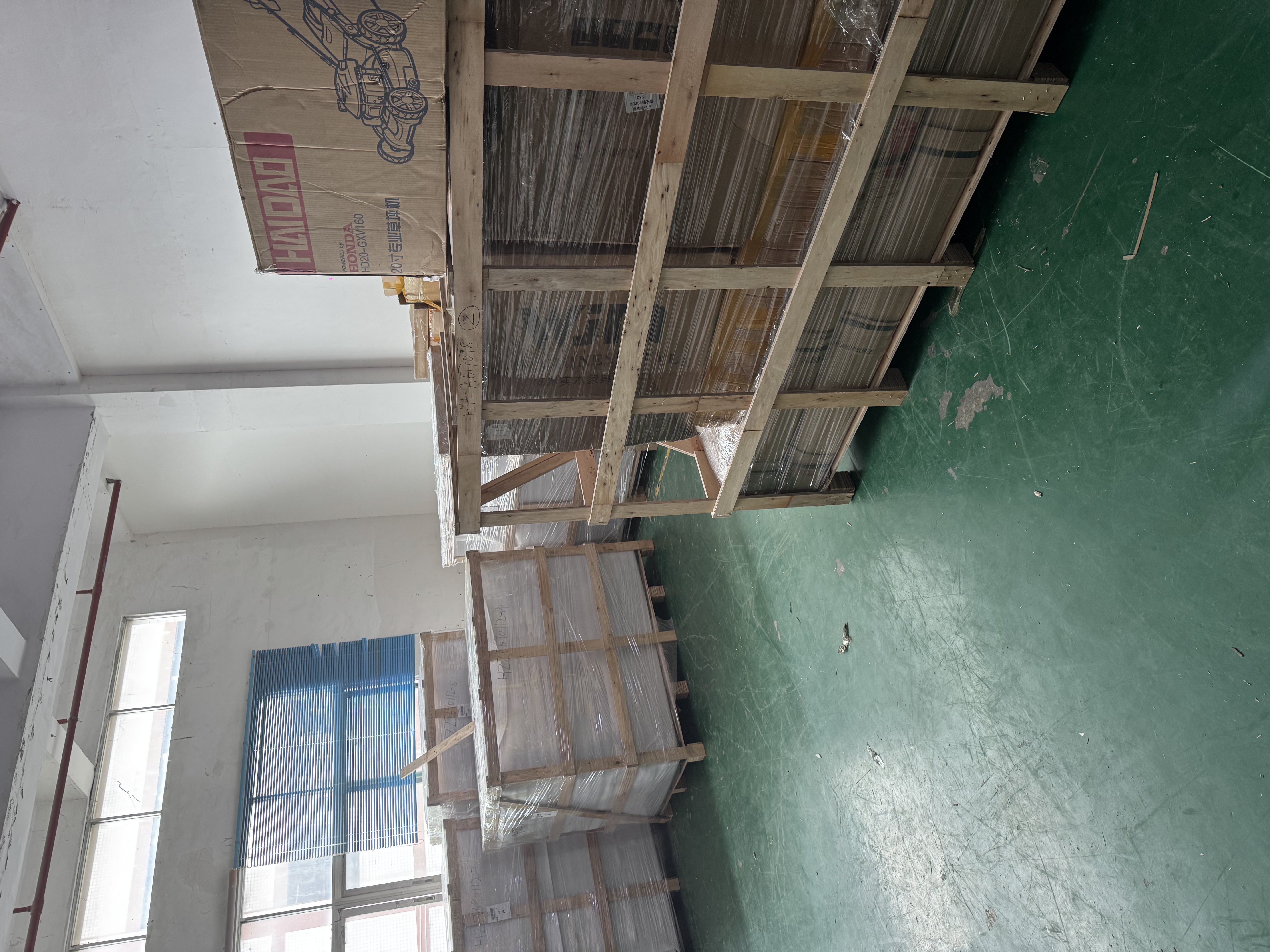
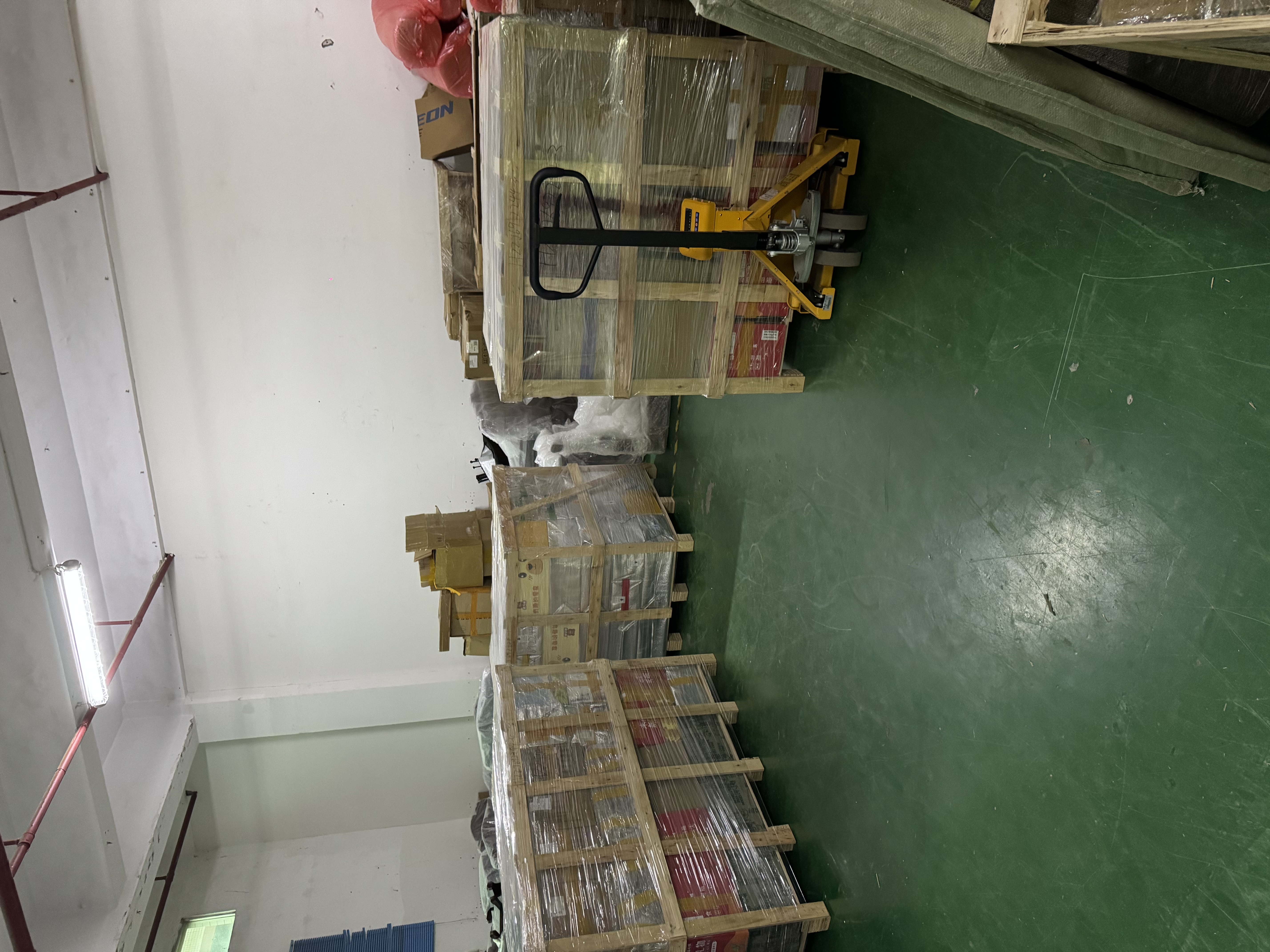
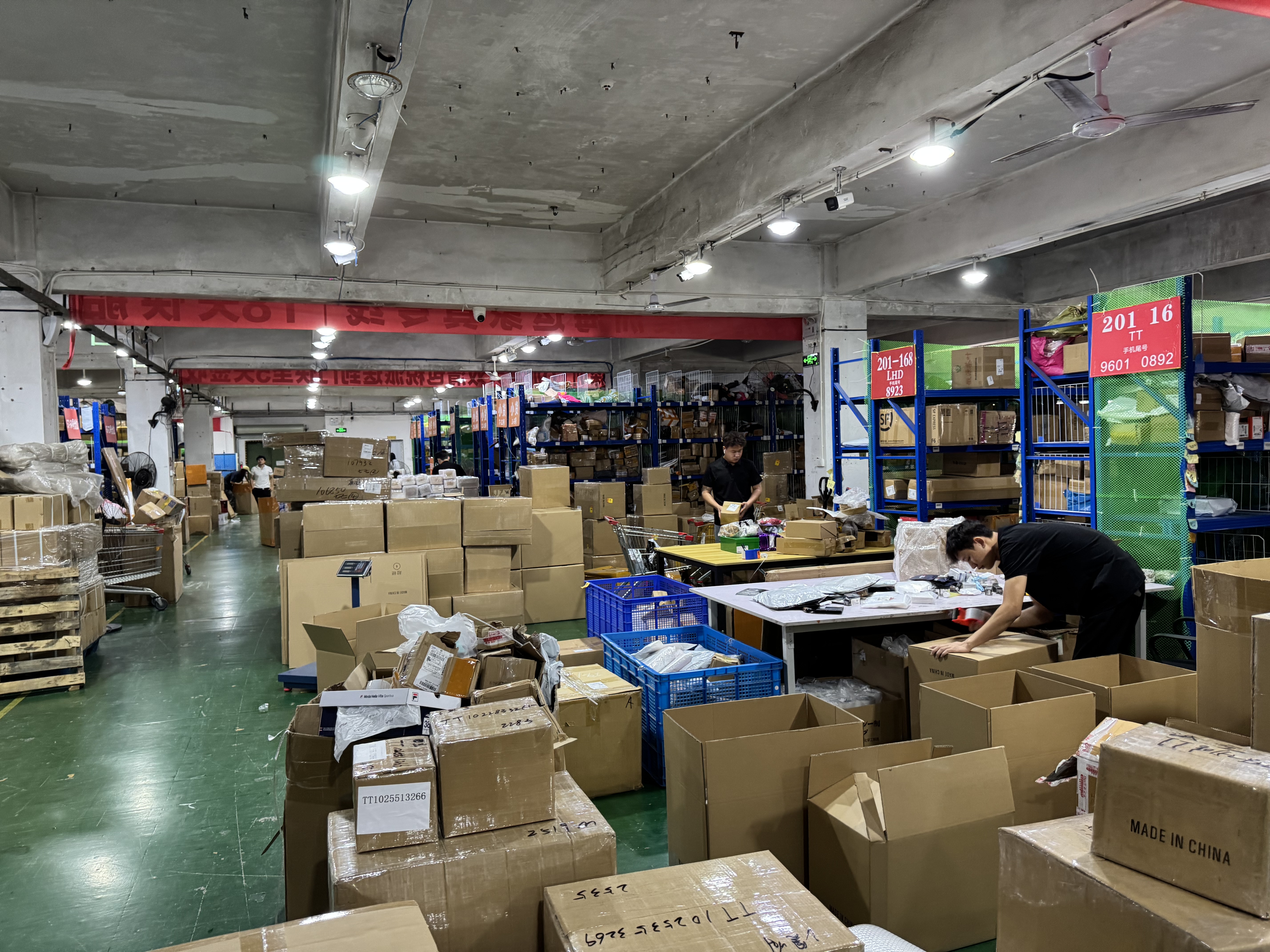
Warehousing Requirements: As the volume of e - commerce orders increases, the need for warehousing space in both China and Australia will also grow. In 2026, we can expect to see more large - scale warehouses being built near major ports and distribution centers. These warehouses will be equipped with advanced inventory management systems to ensure efficient storage and retrieval of goods.
III. Sustainability Initiatives
Sustainability has become a hot topic in the logistics industry, and 2026 will be no exception. Both Australia and China are likely to implement more stringent environmental regulations for cross - border logistics.
Green Shipping: Shipping companies will be under pressure to reduce their carbon emissions. In 2026, we might see an increase in the use of alternative fuels such as liquefied natural gas (LNG) and biofuels. For example, Maersk, one of the world's largest shipping companies, has already started testing LNG - powered vessels. This trend is likely to spread to the Australia - China shipping routes as well.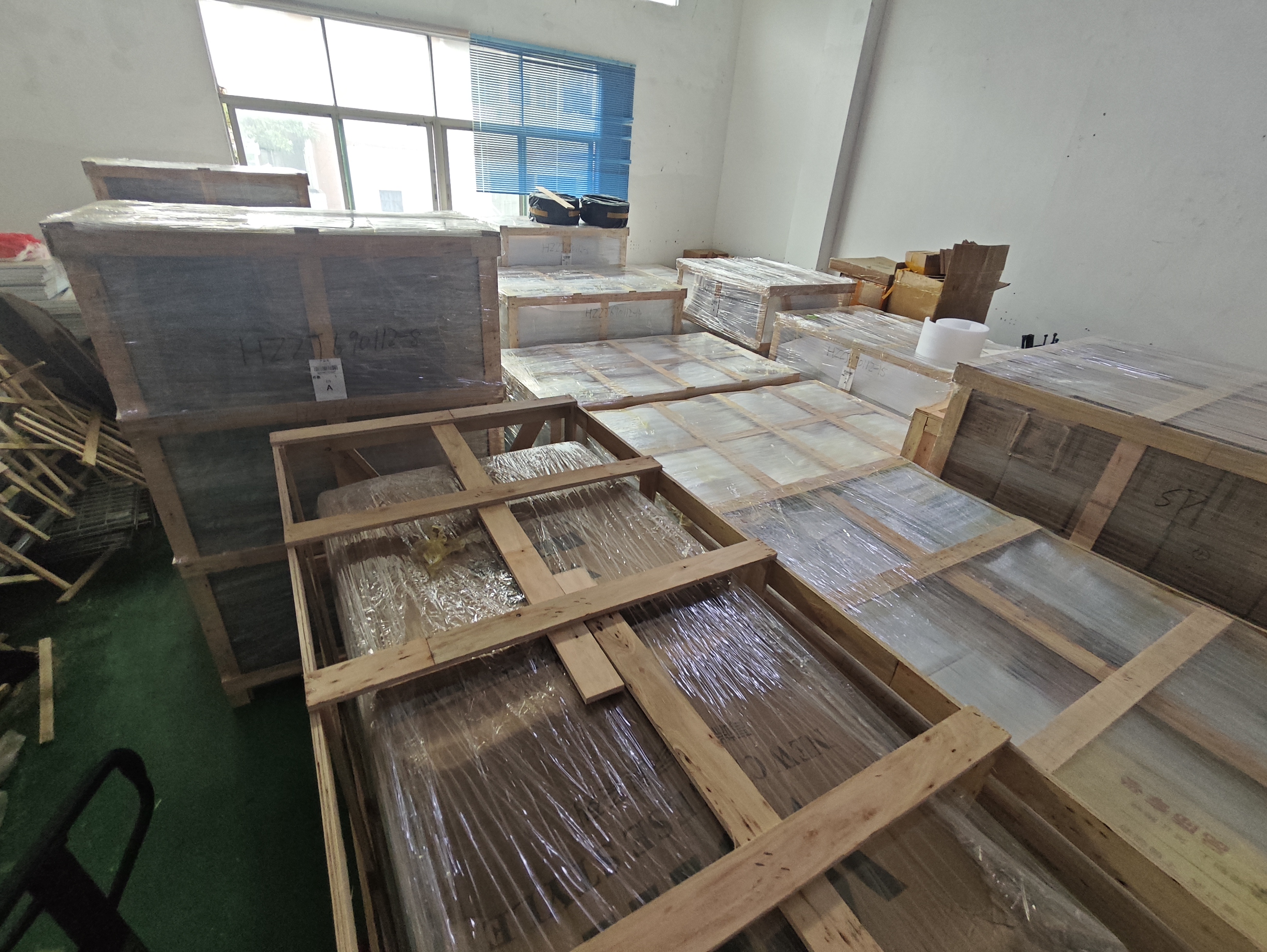
Packaging Reduction: There will also be a greater emphasis on reducing packaging waste. Logistics companies will be encouraged to use more sustainable packaging materials and to optimize packaging sizes to reduce the overall volume of waste.
IV. Technological Advancements
Technology will continue to transform the cross - border logistics industry in 2026.
Blockchain for Transparency: Blockchain technology will be widely used to improve transparency and traceability in the supply chain. For example, it can be used to track the origin of goods, their movement through the supply chain, and the payment process. This will help to reduce fraud and improve the efficiency of the logistics process.Artificial Intelligence for Logistics Planning: Artificial intelligence (AI) will be used for more accurate demand forecasting and logistics planning. AI algorithms can analyze historical data, market trends, and other factors to predict the demand for goods and optimize the shipping routes. This will help to reduce costs and improve the overall efficiency of the logistics operations.
V. Industry Players and Competition
In 2026, the cross - border logistics market in Australia will be highly competitive. There will be both large multinational logistics companies and local players vying for market share.
Local Competitors: Local logistics companies will have an advantage in terms of understanding the local market and customs regulations. They will be able to offer more personalized services and better pricing for local businesses.
VI. FAQ
Q: What are the main challenges in cross - border logistics between China and Australia in 2026? A: The main challenges include customs procedures, last - mile delivery in Australia's vast areas, sustainability requirements, and increasing competition. At Shengda International Logistics, we are well - versed in the relevant policies and have a professional team to deal with customs issues. Our last - mile delivery solutions are designed to overcome the geographical challenges in Australia.
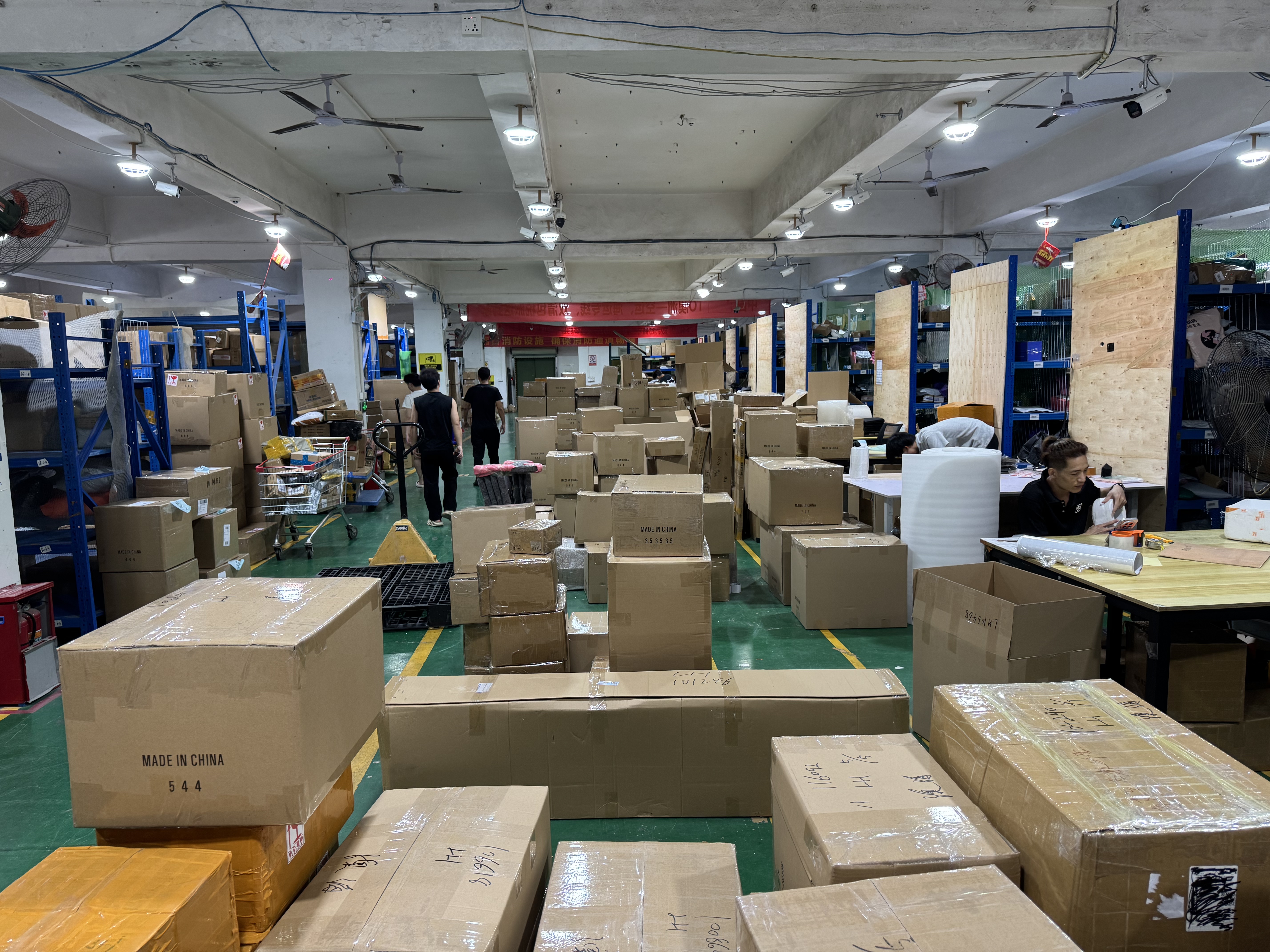
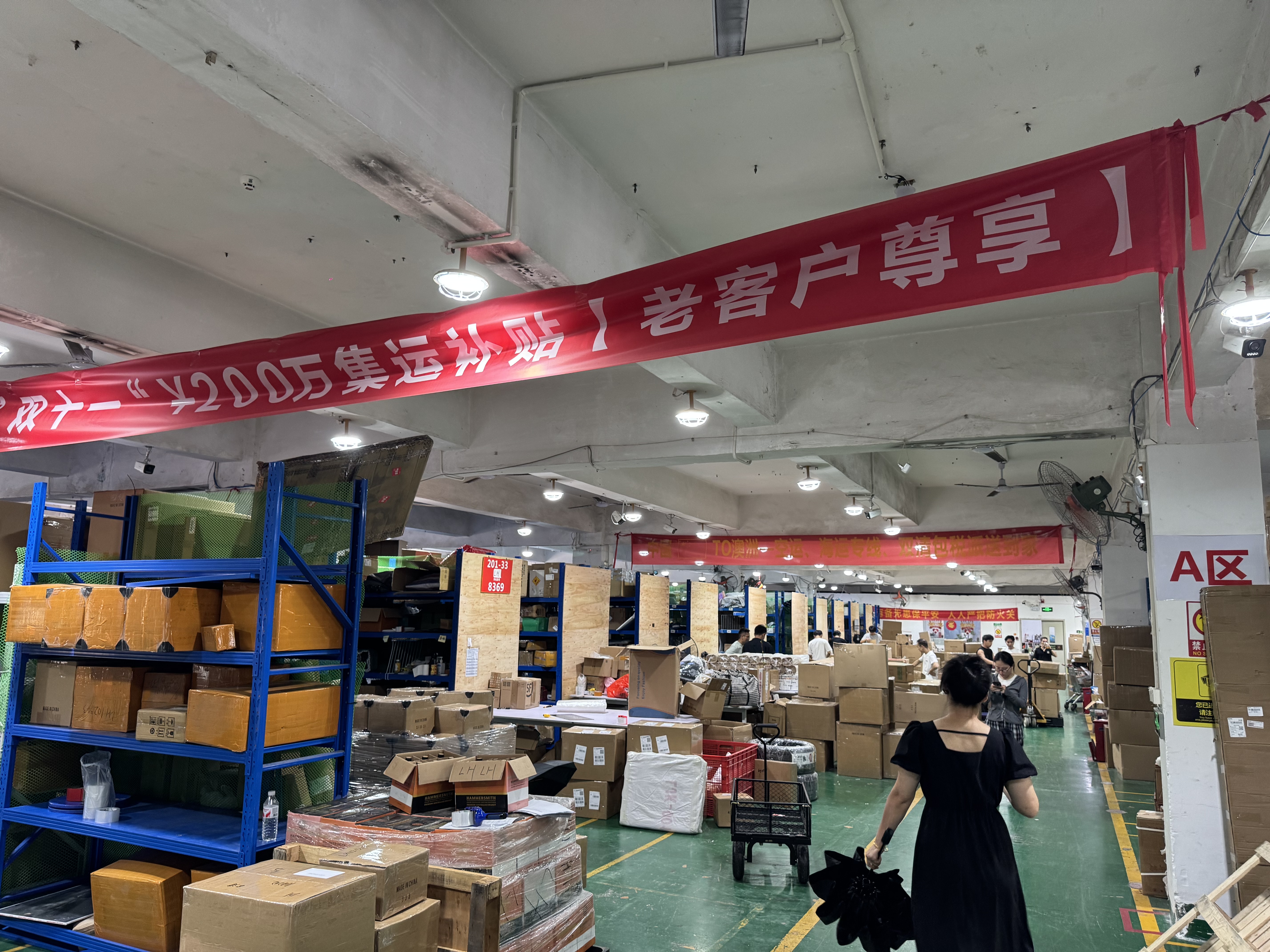
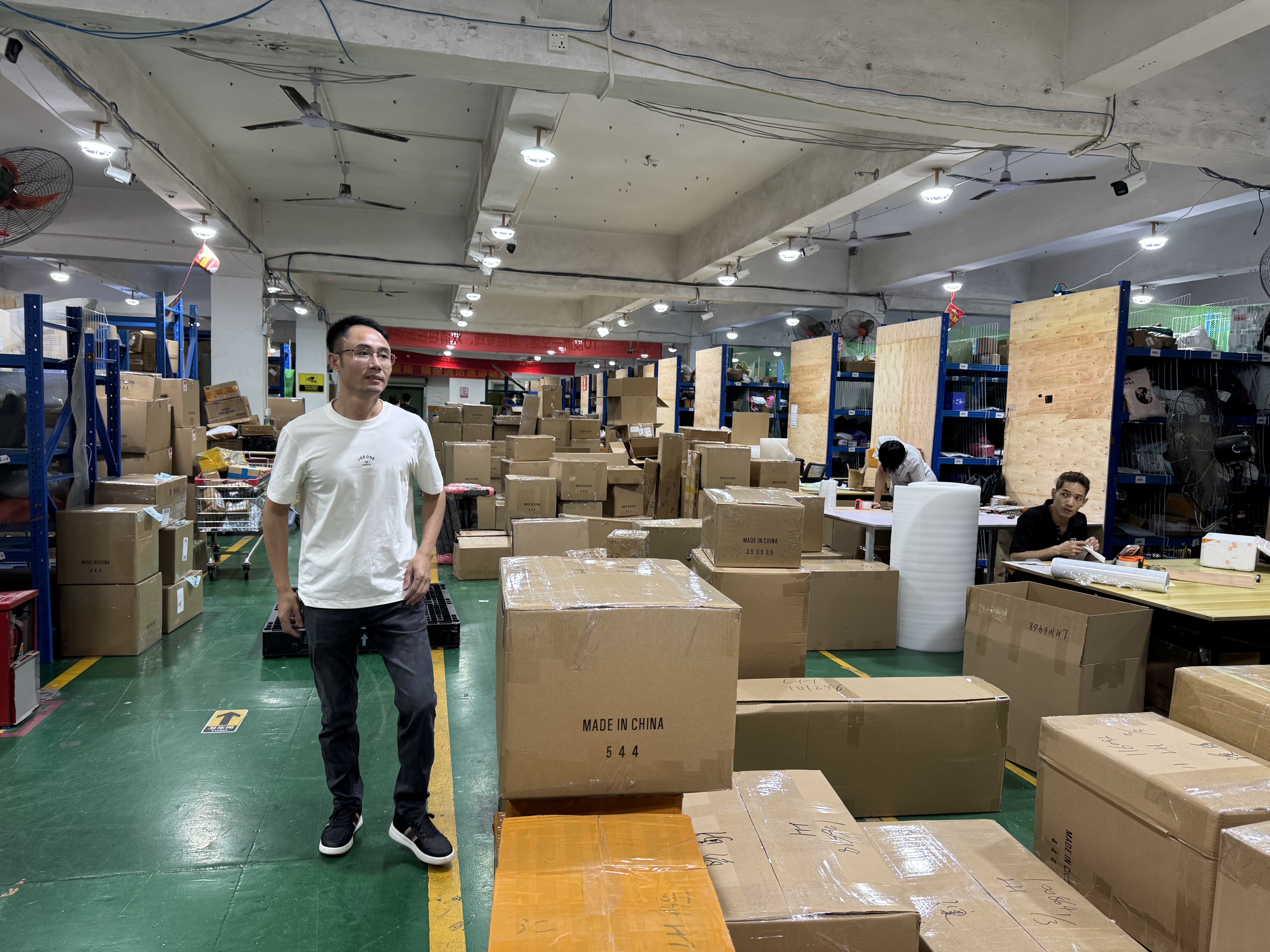
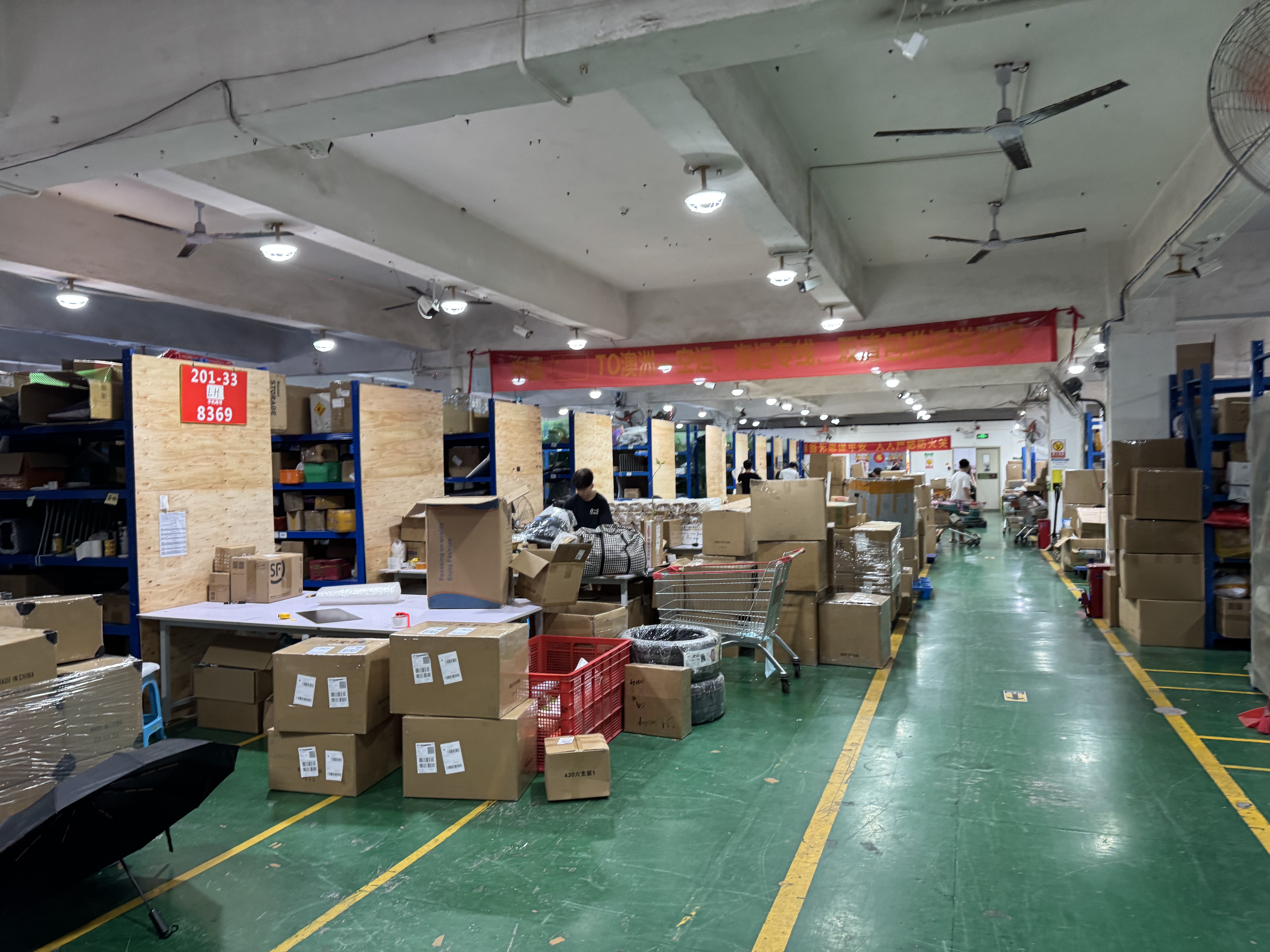
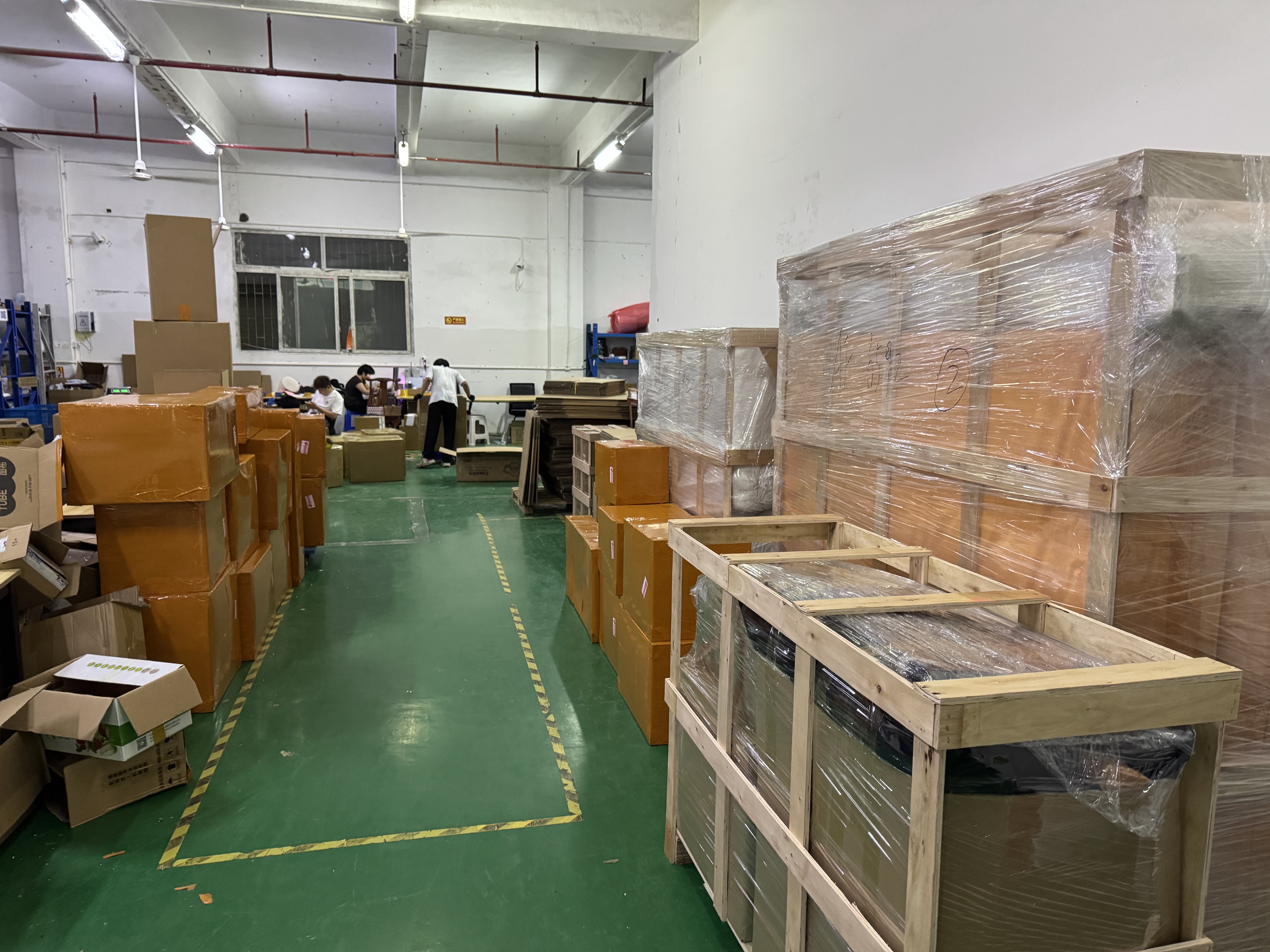
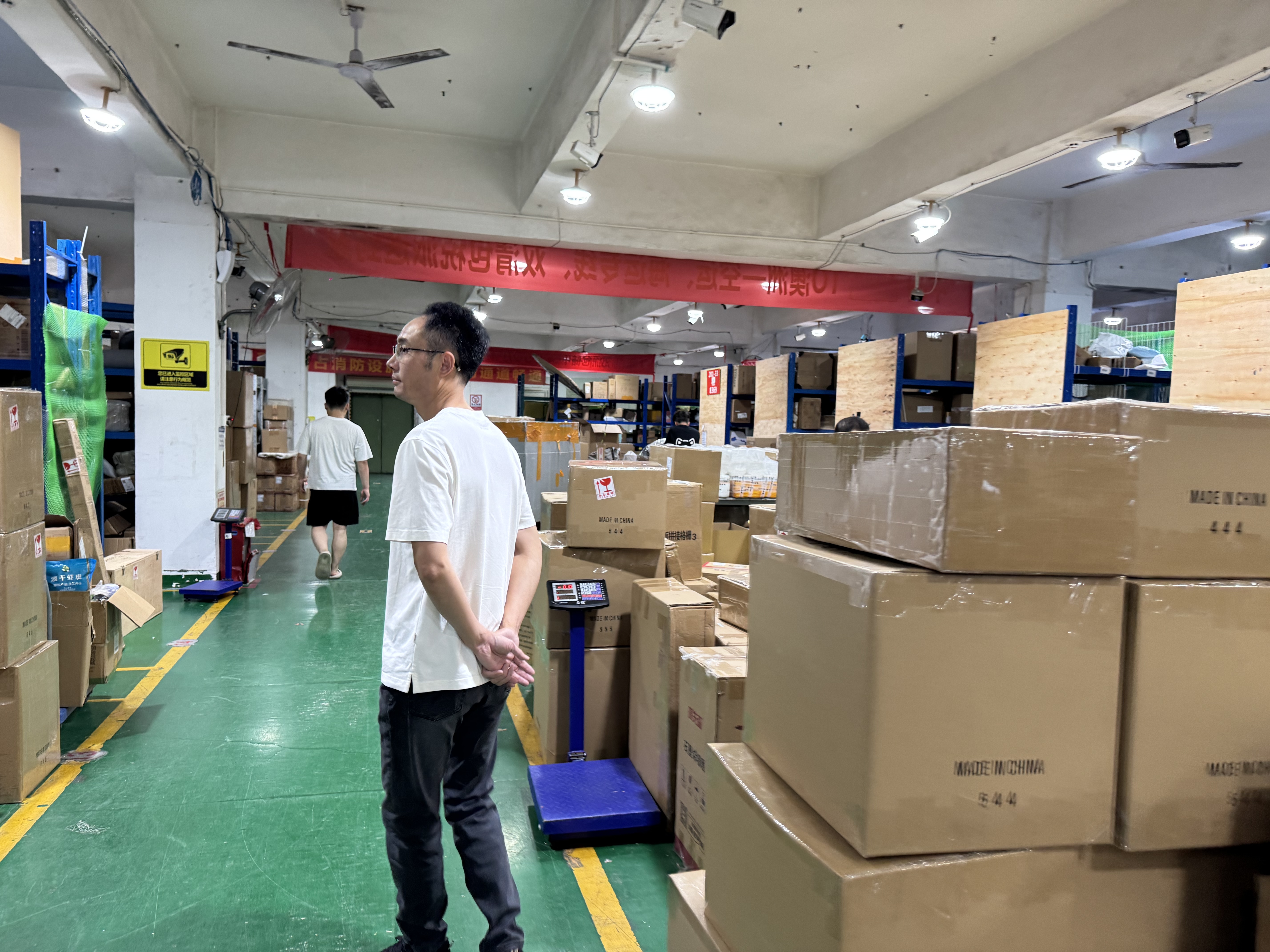
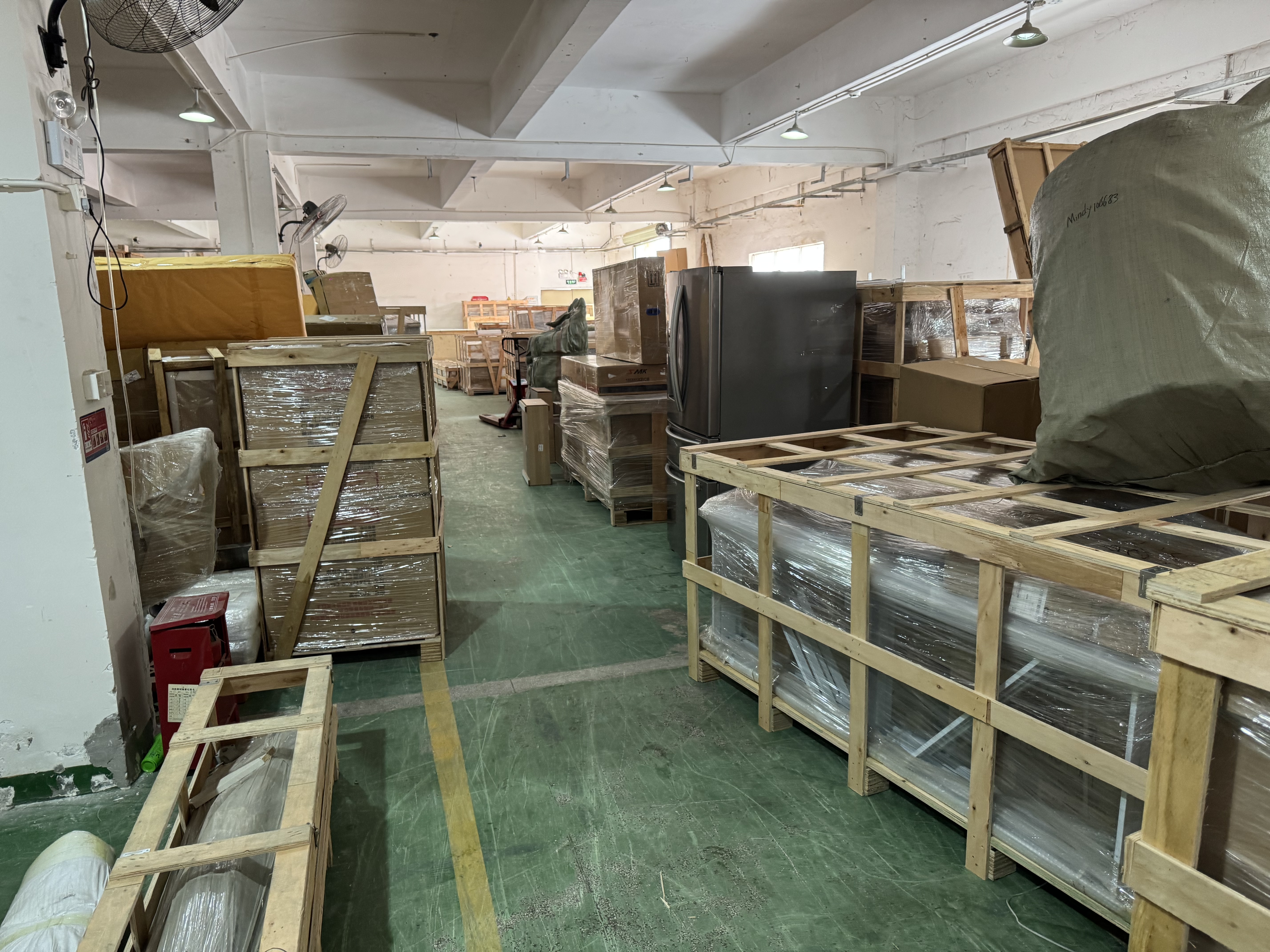
Q: How can I ensure the safety of my goods during cross - border transportation in 2026? A: You can choose a reliable logistics provider. Shengda International Logistics has a 35,000 - square - meter standardized自营实操 warehouse in Shenzhen, ensuring the safety of your goods. We also have a mature service system and a compliance - based customs clearance process to minimize the risk of goods being damaged or detained.
Q: Will the cost of cross - border logistics between China and Australia increase in 2026? A: It depends on various factors such as fuel prices, policy changes, and market competition. However, Shengda International Logistics offers a transparent pricing system. We use a cubic - based billing model for large - scale items, which can significantly reduce the cost of transporting large goods.
Q: Can I ship sensitive goods from China to Australia in 2026? A: Yes, you can. Shengda International Logistics has a dedicated compliance - based declaration channel for sensitive goods. We can transport items such as food, cosmetics, and electronic products with built - in batteries, while minimizing the risk of customs inspection and detention.
Q: How can I track my goods during cross - border transportation in 2026? A: Shengda International Logistics uses a self - developed intelligent logistics system. You can track the status of your goods at every stage, including warehousing, packaging, transportation, and delivery. You'll receive real - time updates on the status of your shipment, ensuring peace of mind.
In conclusion, the cross - border logistics in Australia in 2026 will be shaped by policies, e - commerce growth, sustainability initiatives, technological advancements, and competition. Companies need to adapt to these changes to stay competitive in the market. Shengda International Logistics, with its professional team, advanced technology, and customer - centric approach, is well - positioned to meet the challenges and opportunities of the cross - border logistics market between China and Australia in 2026.
