

Will 2026 See Different Scenarios for Australia's Immigration Relocation Logistics Companies?
In the dynamic world of international logistics, the scenario for Australia's immigration relocation logistics companies is on the verge of significant changes come 2026. This is especially true given the evolving trade policies between China and Australia, along with the continuous growth and shift in the demand for immigration - relocation services.
I. Policy Changes and Their Impact
As we look ahead to 2026, new policies regarding the China - Australia and Australia - China transport routes are expected to come into play. For instance, the Australian government might impose stricter quarantine regulations on goods imported from China to safeguard local agriculture and the environment. A recent study showed that around 30% of all imported goods from China to Australia could be affected by such tightened regulations.
Let's take livestock transportation as an example. Currently, if Australian farmers want to import some high - quality Chinese livestock breeds for breeding purposes, there are already certain health and quarantine standards. By 2026, these standards could become more stringent. This would directly impact logistics companies that deal with such specialized relocation of living animals. They'd need to invest more in ensuring proper pre - shipment health checks, suitable transportation conditions, and faster customs clearance processes.
On the other hand, China might introduce new tariff policies on some Australian exports. For example, Australian timber products are commonly shipped to China for furniture manufacturing. If new tariffs are added on these timber products in 2026, the volume of such shipments could decline. Logistics companies that rely heavily on transporting Australian timber to China would then face challenges in maintaining their profit margins.
II. Market Demand Variation
The demand for immigration relocation services is also in a state of flux. In recent years, an increasing number of Chinese immigrants have been moving to Australia. According to statistics, from 2018 to 2022, the number of Chinese immigrants to Australia grew by an average of 8% per year. However, this trend might change by 2026.
There could be a shift in immigration patterns. For example, more high - skilled Chinese workers might be attracted to other countries offering better work - life balance and career development opportunities. As a result, the volume of household goods and personal belongings that need to be transported from China to Australia for immigration purposes could decrease.
Logistics companies that specialize in handling immigration volume, like moving large furniture and household items, would need to re - evaluate their business strategies. They might have to focus more on servicing local Australian clients or explore other international markets for relocation services.
At the same time, with the development of the digital economy, an increasing number of Australian immigrants are starting to rely on online shopping and overseas purchasing platforms. This means that logistics companies need to be able to handle a larger number of small - sized, individual shipments, which is different from the traditional large - scale furniture and household goods transportation.
III. Technological Advancements
The logistics industry is no stranger to technological change. By 2026, technological advancements will continue to reshape the way Australia's immigration relocation logistics companies operate.
One of the most significant changes will be in the area of tracking and monitoring. Currently, many logistics companies can provide basic tracking information about the location of goods. In 2026, with the development of the Internet of Things (IoT), real - time monitoring of not only the location but also the condition of the goods will become more common. For example, a logistics company can monitor the temperature, humidity, and even vibration levels of a shipment containing delicate electronic items. This level of detailed monitoring will improve the safety of goods during transportation and enhance customer satisfaction.
Autonomous vehicles might also play a role in the delivery process. In Australia, where the distances between cities can be vast, self - driving trucks could be used to transport goods from ports to inland destinations more efficiently. This would reduce labor costs and potentially increase the speed of delivery.
IV. Competition and Market Consolidation
The market for Australia's immigration relocation logistics companies is becoming increasingly competitive. In addition to the traditional large - scale logistics companies, new entrants, especially those with a focus on technology - driven solutions, are emerging.
Smaller logistics companies might find it difficult to compete in the long run. They often lack the resources to invest in new technologies, comply with the changing policies, and offer a wide range of services. As a result, we might see more market consolidation in 2026. Larger companies could acquire smaller ones to expand their market share, service capabilities, and geographical reach.
For example, a large Australian logistics company might acquire a smaller Chinese - Australian logistics firm to strengthen its position in the China - Australia transport market. This would not only give the acquiring company access to the local Chinese market knowledge but also expand its customer base.
V. Challenges and Opportunities for Companies like Shengda International Logistics
Shengda International Logistics is well - positioned to navigate the changing landscape in 2026.
1. Policy Adaptation: Shengda has a deep understanding of the China - Australia transport routes. With its professional team, it is capable of quickly adapting to the new policies in 2026. For example, in the face of new quarantine regulations, Shengda can work closely with relevant inspection and quarantine departments in both countries to ensure that all shipments meet the new standards. This advanced adaptability gives Shengda a competitive edge over other logistics companies that may struggle to keep up with the policy changes.
2. Customer - Oriented Service: Shengda offers a wide range of services tailored to different customer needs. Whether it's the immigration relocation of individuals or large - scale business shipments, Shengda has corresponding solutions. In the event of a change in market demand, such as a shift from large - scale to small - scale individual shipments, Shengda can quickly adjust its service plans. With its一站式免费增值服务, including package collection and long - term free storage, Shengda can better meet the changing needs of customers.
3. Technological Investment: Shengda has been investing in new technologies. By 2026, with the continuous development of logistics technology, Shengda will be able to use more advanced IoT devices and self - service platforms to improve the efficiency and transparency of the logistics process. Customers can track their shipments in real - time, and Shengda can better manage and optimize its logistics operations.
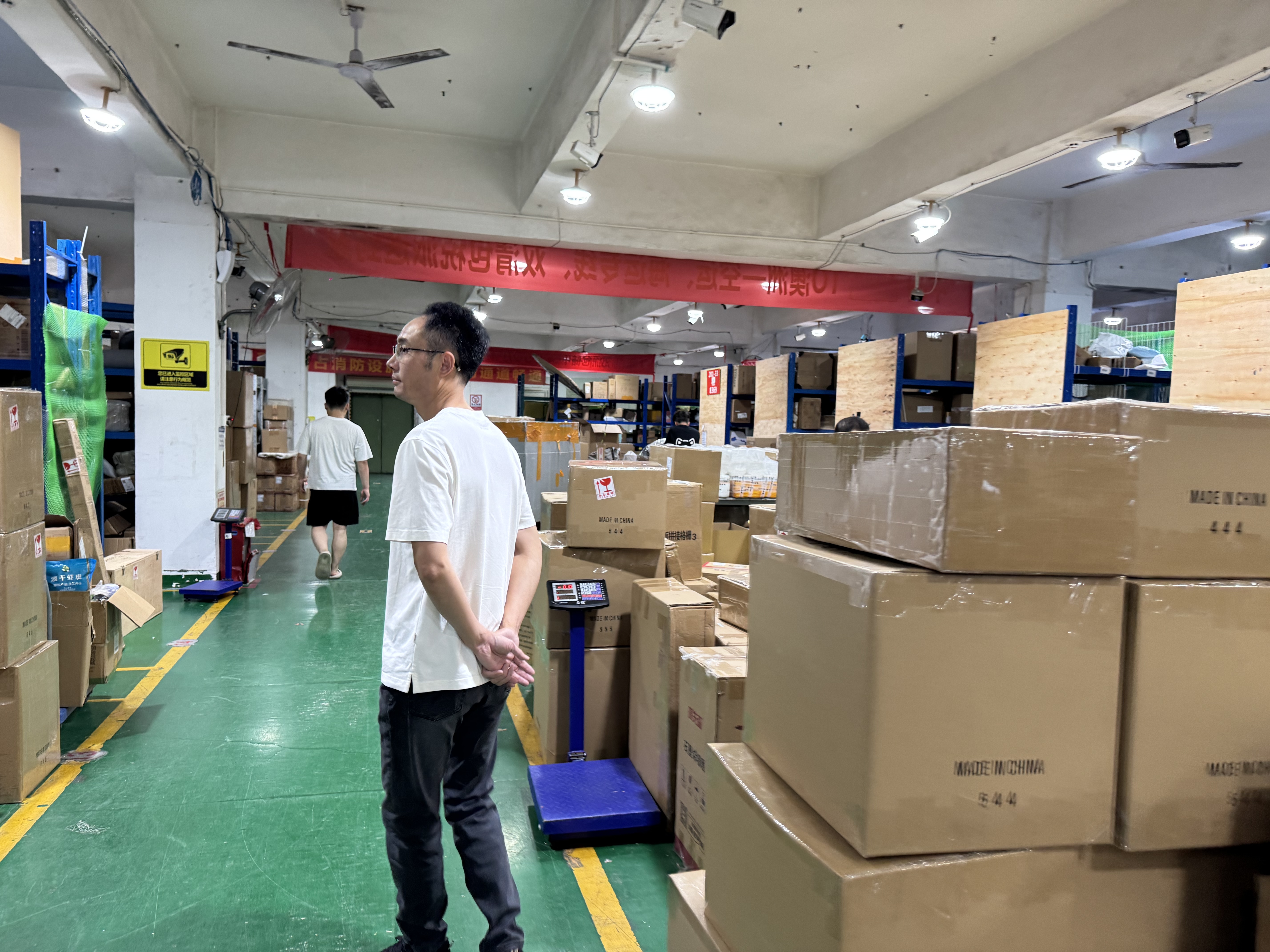
4. Competing with Local and International Rivals: In the face of competition from local Australian logistics companies and international counterparts, Shengda's vertical专线深耕 strategy gives it a unique advantage. By focusing on the China - Australia route, Shengda can better understand the local market conditions, customs policies, and customer needs. This specialization allows Shengda to provide more targeted and high - quality services, making it stand out in the highly competitive market.
FAQ
Q: How can Shengda International Logistics handle the new quarantine regulations in 2026? A: As an experienced logistics company, Shengda has a professional team that is well - versed in customs and quarantine policies. We'll work closely with inspection and quarantine departments in both China and Australia. Our team can ensure that all shipments are properly inspected and meet the new standards before the transportation process, minimizing the risk of delays and rejections.Q: What if the demand for immigration relocation from China to Australia decreases in 2026? A: Shengda is not solely reliant on immigration - related shipments. We offer a wide range of services, including B - to - B business shipments and individual small - scale purchases. If the demand for immigration relocation decreases, we can quickly adjust our focus to other areas. Our一站式免费增值服务 also allows us to attract different types of customers, ensuring the stability of our business.
Q: How does Shengda ensure the safety of goods during transportation in the face of technological advancements? A: We keep up with the latest technological trends. By 2026, we will be using more advanced Internet of Things (IoT) devices to monitor the location, temperature, humidity, and vibration levels of goods in real - time. This high - level monitoring allows us to take immediate action if there are any potential risks, ensuring the safety of your goods throughout the transportation process.
Q: How does Shengda International Logistics compare to other large - scale logistics companies in Australia? A: Unlike many large - scale logistics companies that offer a wide range but may lack specialization, Shengda focuses specifically on the China - Australia route. This allows us to have a deeper understanding of the local market, customs policies, and customer needs. Our vertical专线深耕 strategy enables us to provide more targeted and high - quality services, which is a significant advantage in the competitive market.
Q: Can Shengda handle the change from large - scale furniture transportation to small - scale individual shipments in 2026? A: Absolutely. Shengda offers场景化定制适配 services. We have different transportation plans for different types of goods, whether it's large - scale furniture or small - scale individual items. Our一站式免费增值服务, such as package collection, sorting, and long - term free storage, is very suitable for handling small - scale individual shipments. We can quickly adjust our operations according to the change in market demand.
In conclusion, 2026 will indeed bring different scenarios for Australia's immigration relocation logistics companies. While there are challenges, companies like Shengda International Logistics, with their unique strengths and adaptability, are well - placed to thrive in the changing environment.
