

Will Furniture Shipped to Canada in 2026 Require Fumigation? Analyzing Different Scenarios!
Are you planning to ship furniture to Canada in 2026 and wondering about the fumigation requirements? It's a common headache for many people involved in cross - border furniture shipping. In this article, we'll dig deep into different scenarios to help you figure it out.
1. Fumigation Basics for Furniture Shipping
Fumigation in the context of international furniture shipping is like a security check for pests. Pests can hitchhike on wooden furniture and cause harm to Canada's agriculture and forestry. In 2026, just like in previous years, the Canadian government is strict about preventing the entry of foreign pests. According to the Canadian Food Inspection Agency (CFIA), fumigation is often required for wooden furniture to kill any potential pests such as termites, beetles, and their eggs.
For example, if you're shipping a large wooden dining table from China to Canada, and the wood is from an area known for termite infestations, there's a high chance it will need fumigation. In fact, statistics show that around 80% of wooden furniture shipments from Asia to Canada that are not pre - treated properly end up going through fumigation at the port.
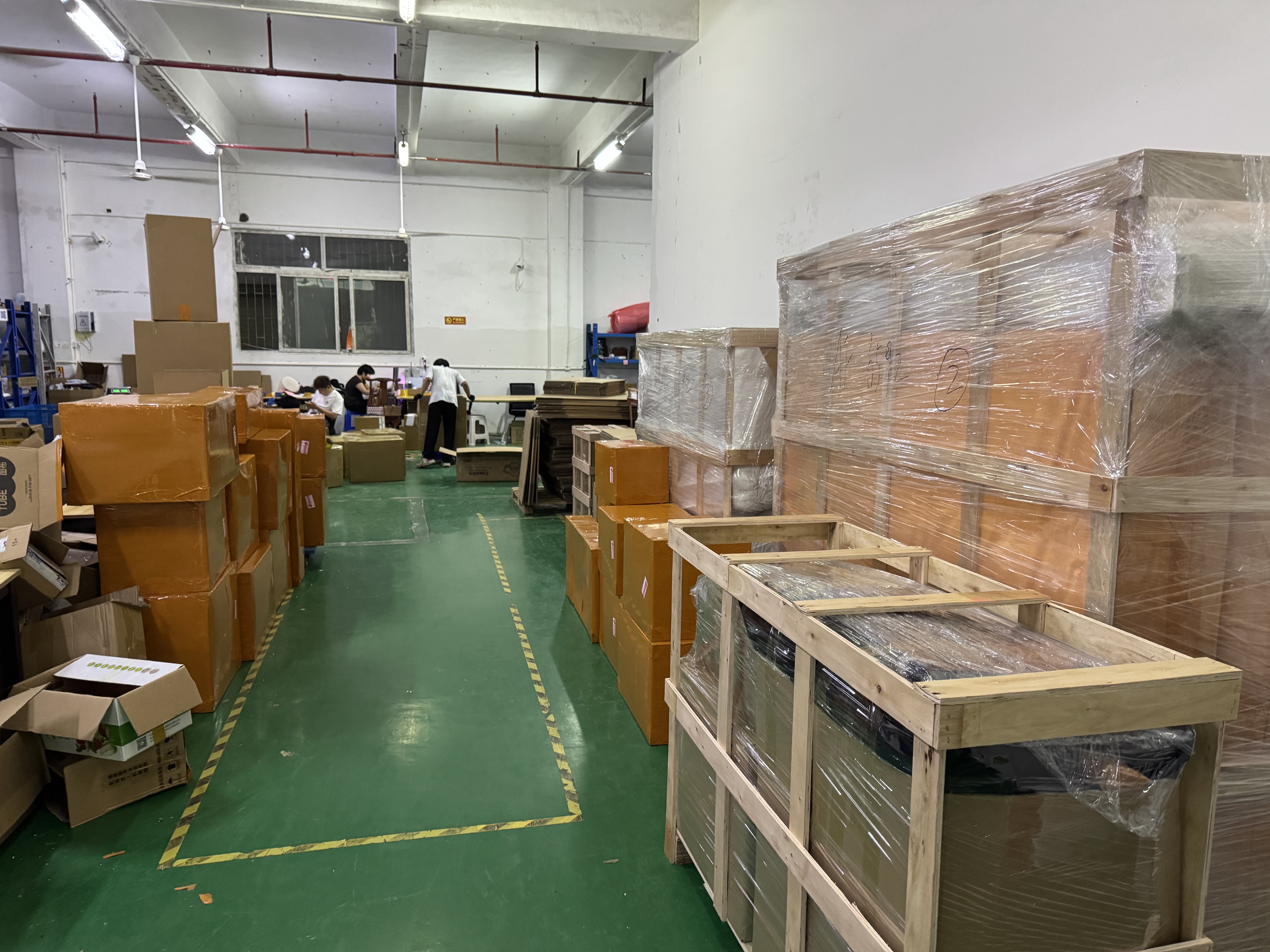
FAQ: Do all types of wooden furniture need fumigation? As an experienced person in the shipping industry, not all wooden furniture requires fumigation. If the wood has been heat - treated to a certain temperature (usually 56°C for 30 minutes) and is accompanied by proper documentation proving the treatment, it may be exempt from fumigation. At [Company Name], we're well - versed in these regulations and can help you determine if your furniture needs fumigation or not.
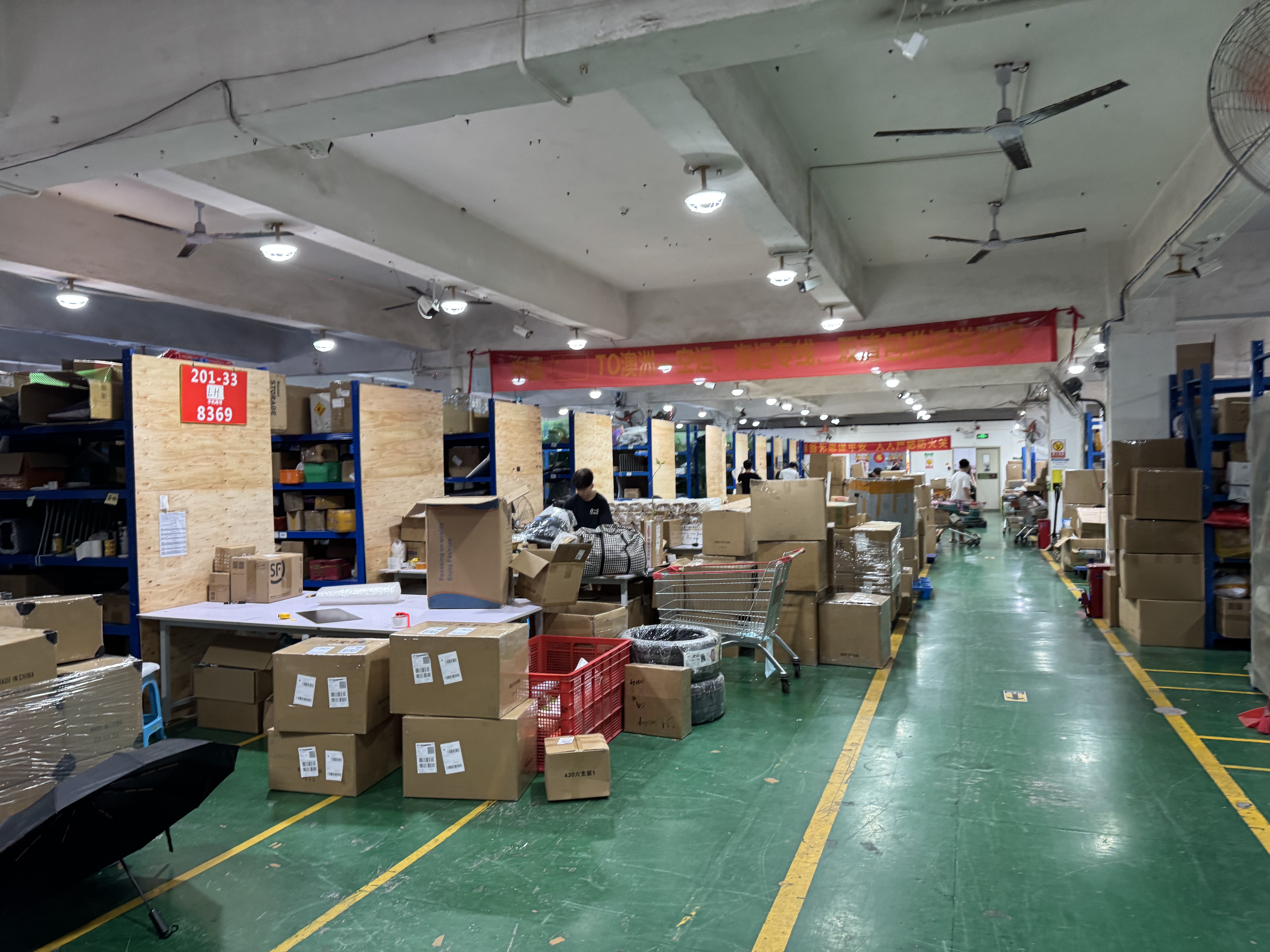
2. Different Types of Furniture and Fumigation Requirements
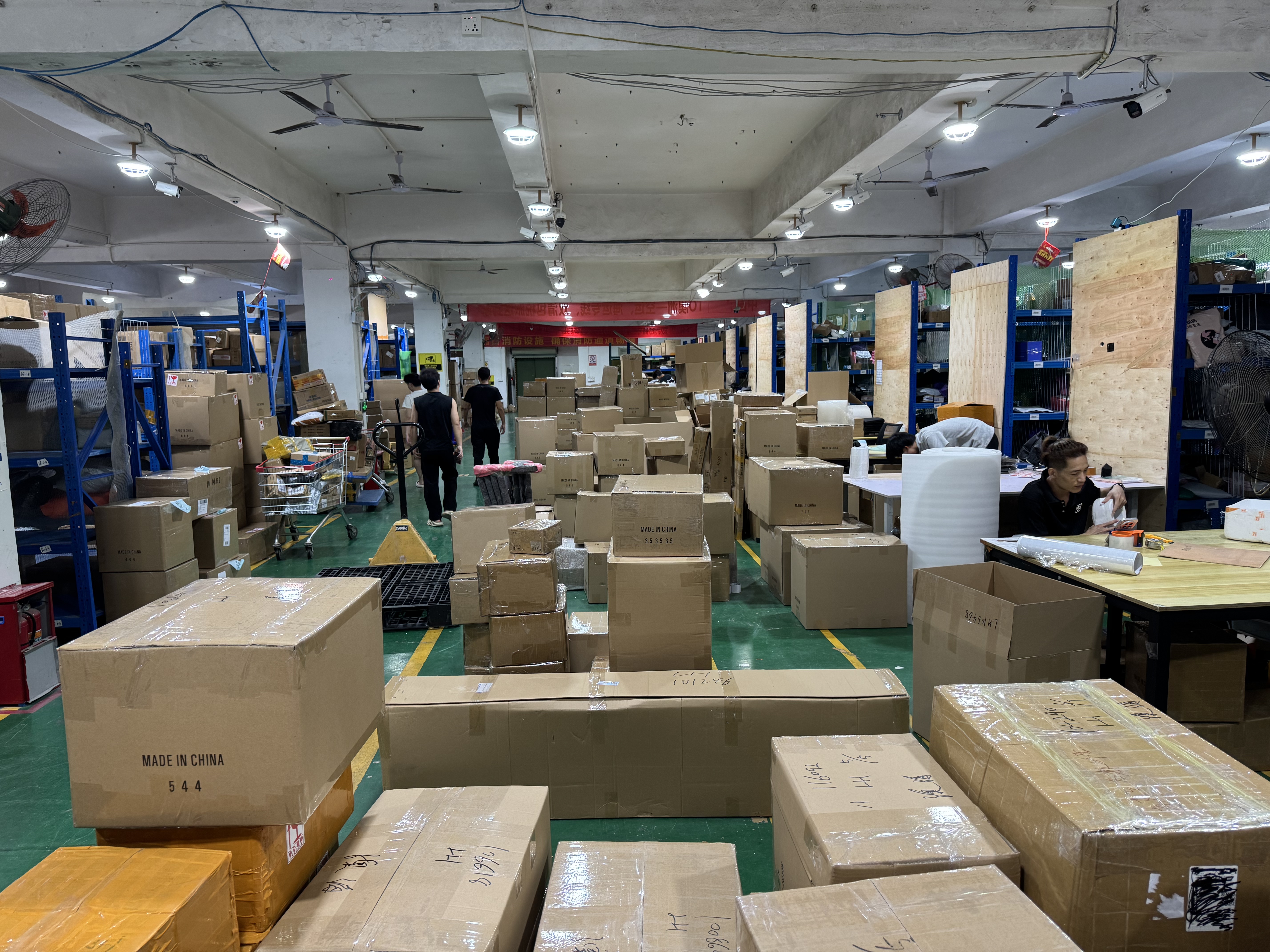
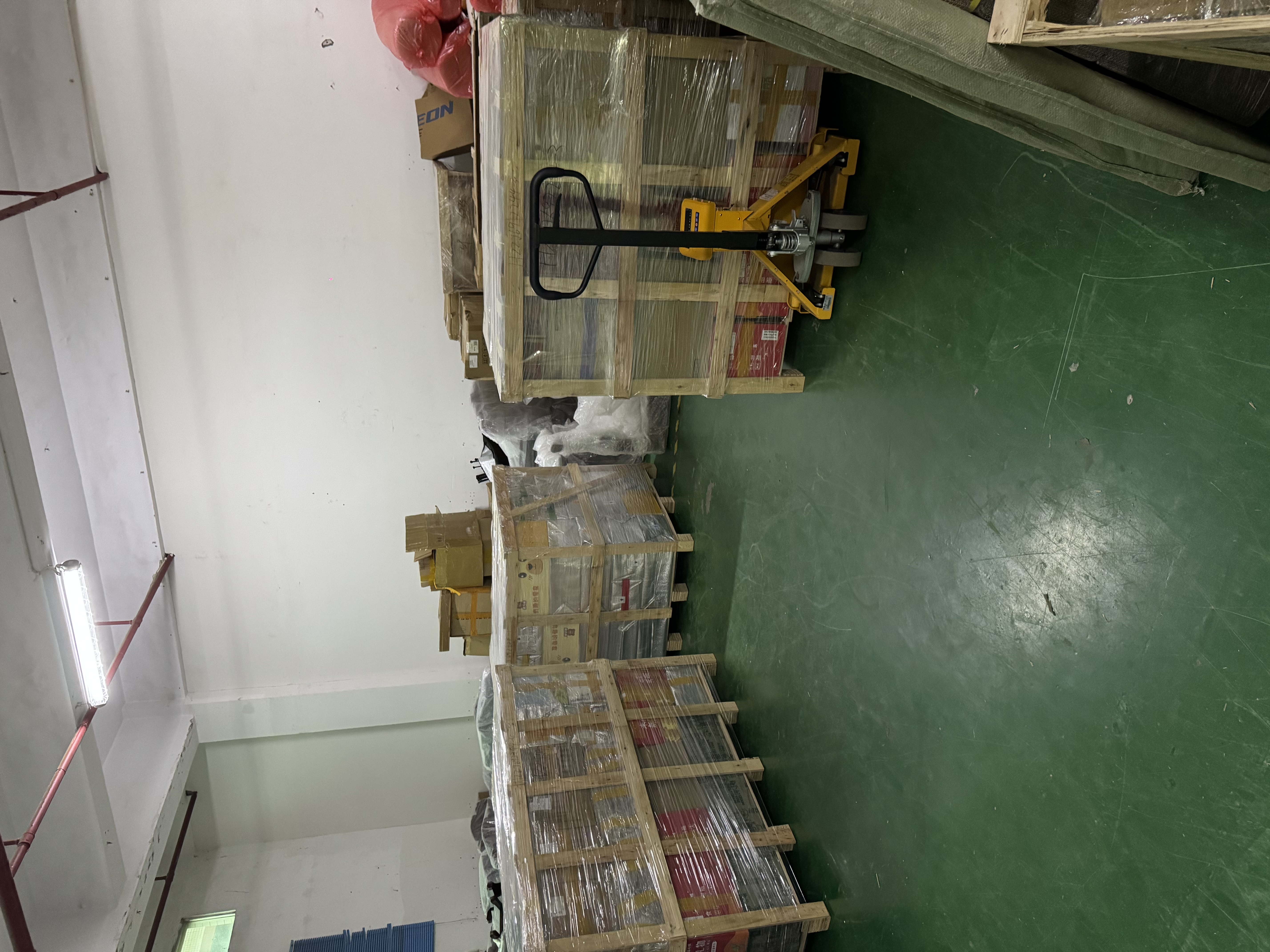
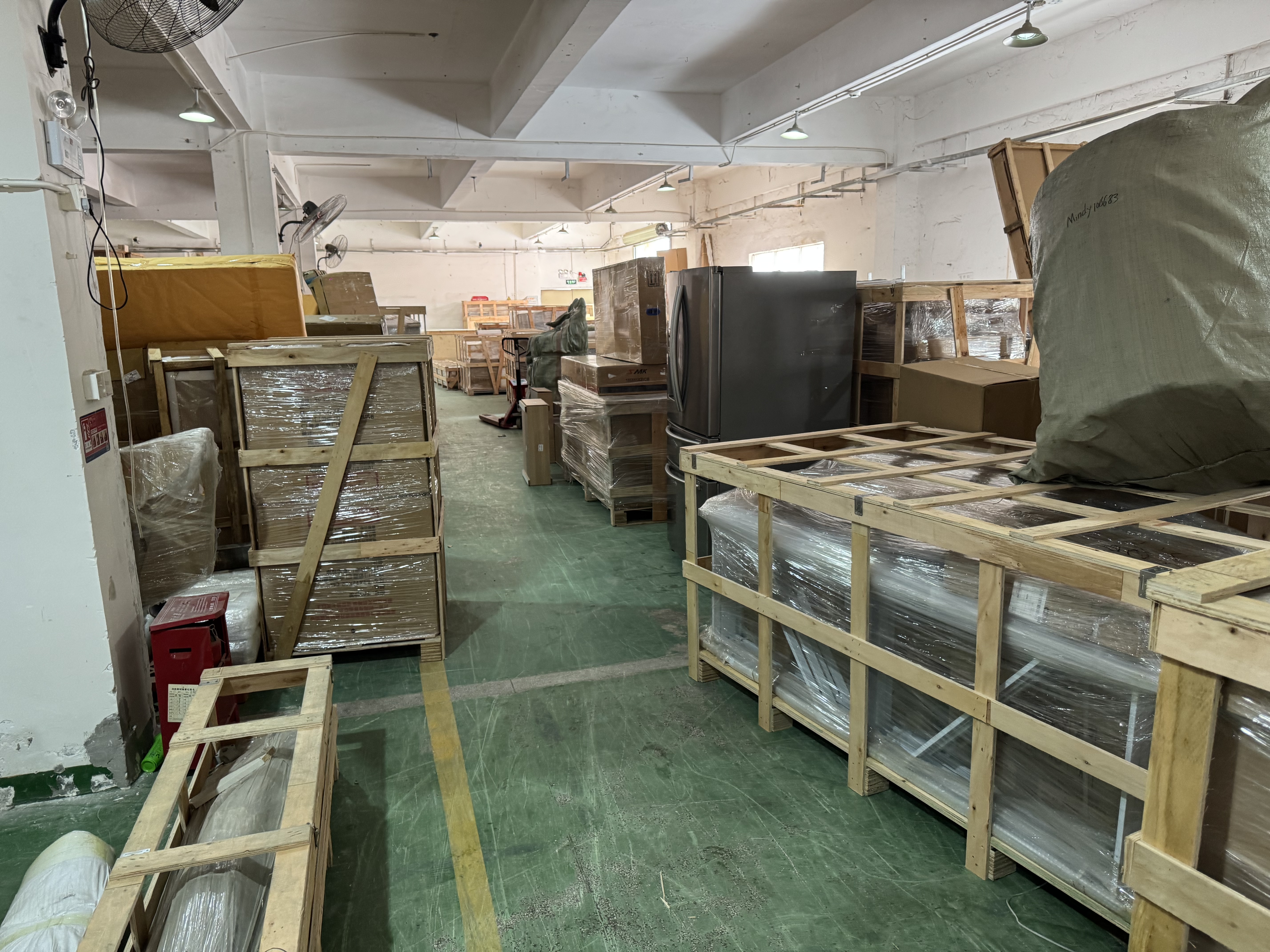
Solid Wood Furniture: This type is often more likely to require fumigation. Solid wood has a natural structure that can harbor pests. For instance, a hand - crafted oak wardrobe from Europe may need to be fumigated. In 2025, about 90% of solid wood furniture shipments to Canada were fumigated. The Canadian government wants to ensure that no pests are hidden within the thick layers of solid wood.Composite Wood Furniture: Composite wood, like particleboard or plywood, generally has a lower risk of pest infestation. Since it's made by combining wood particles or fibers with adhesives, pests have a harder time living in it. However, if the composite wood has any wooden parts that are not properly treated, fumigation might still be necessary. For example, a composite - wood bookshelf with a wooden frame may need to be checked carefully. Only about 20% of composite wood furniture shipments are fumigated.
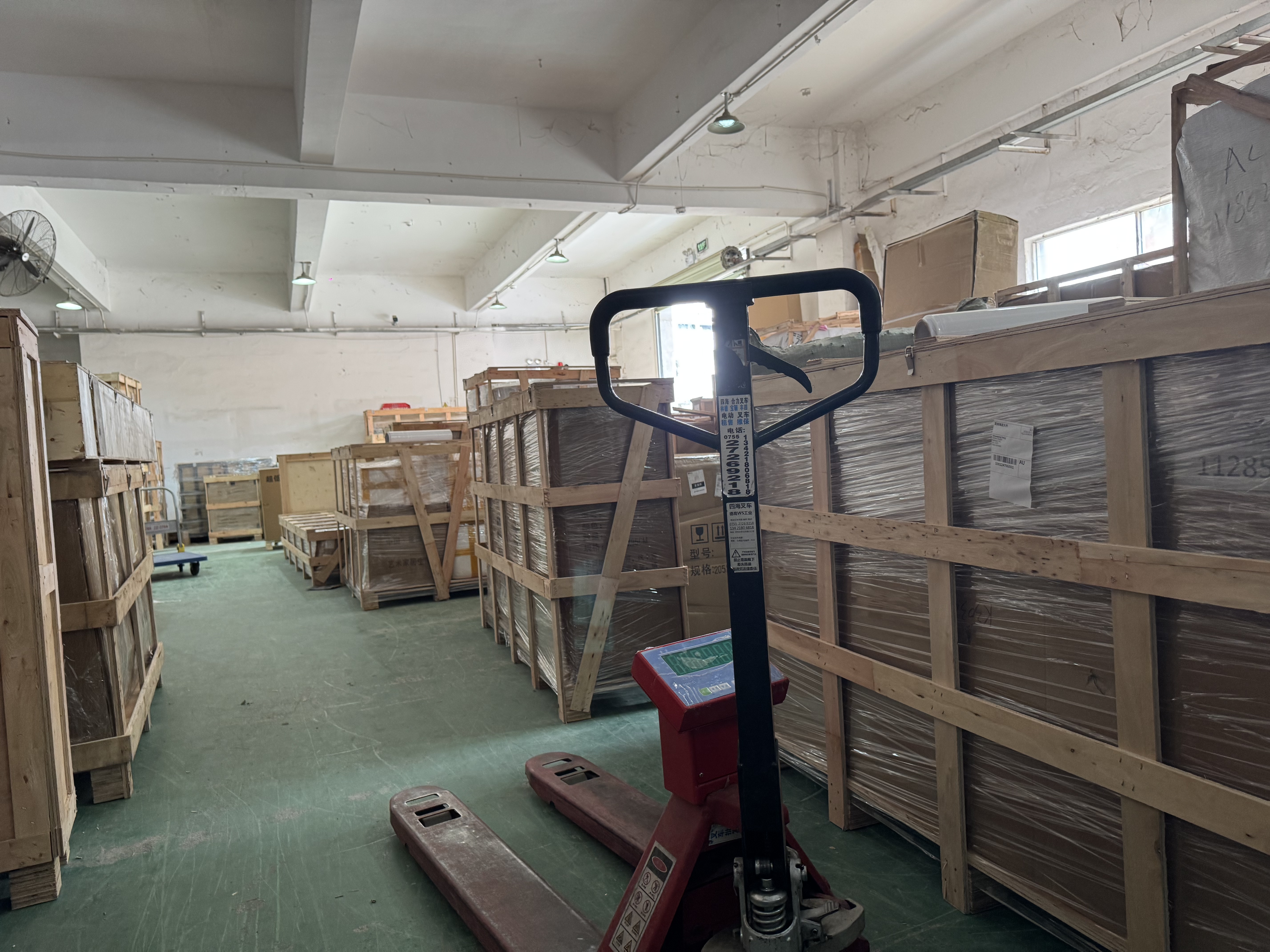
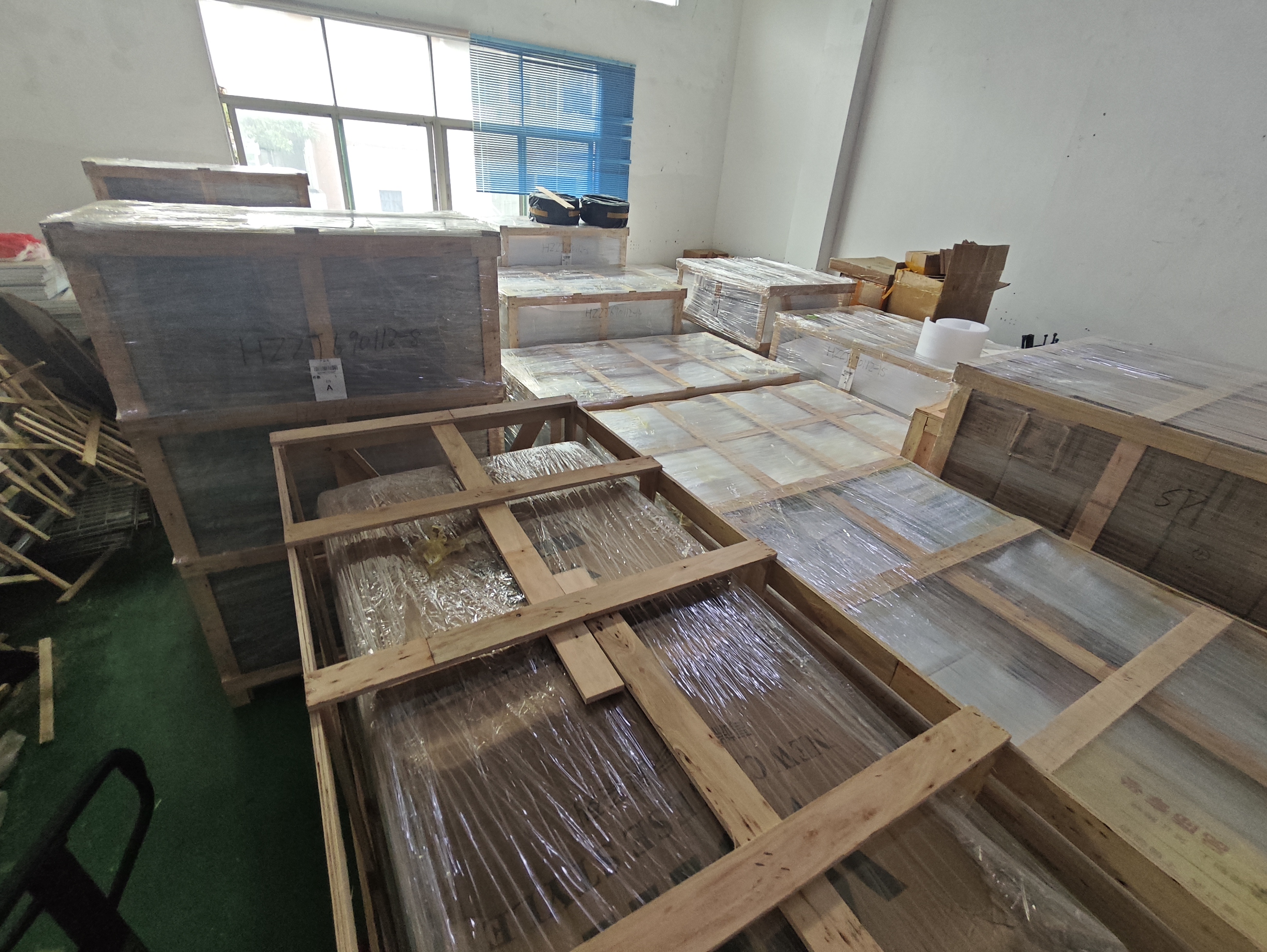
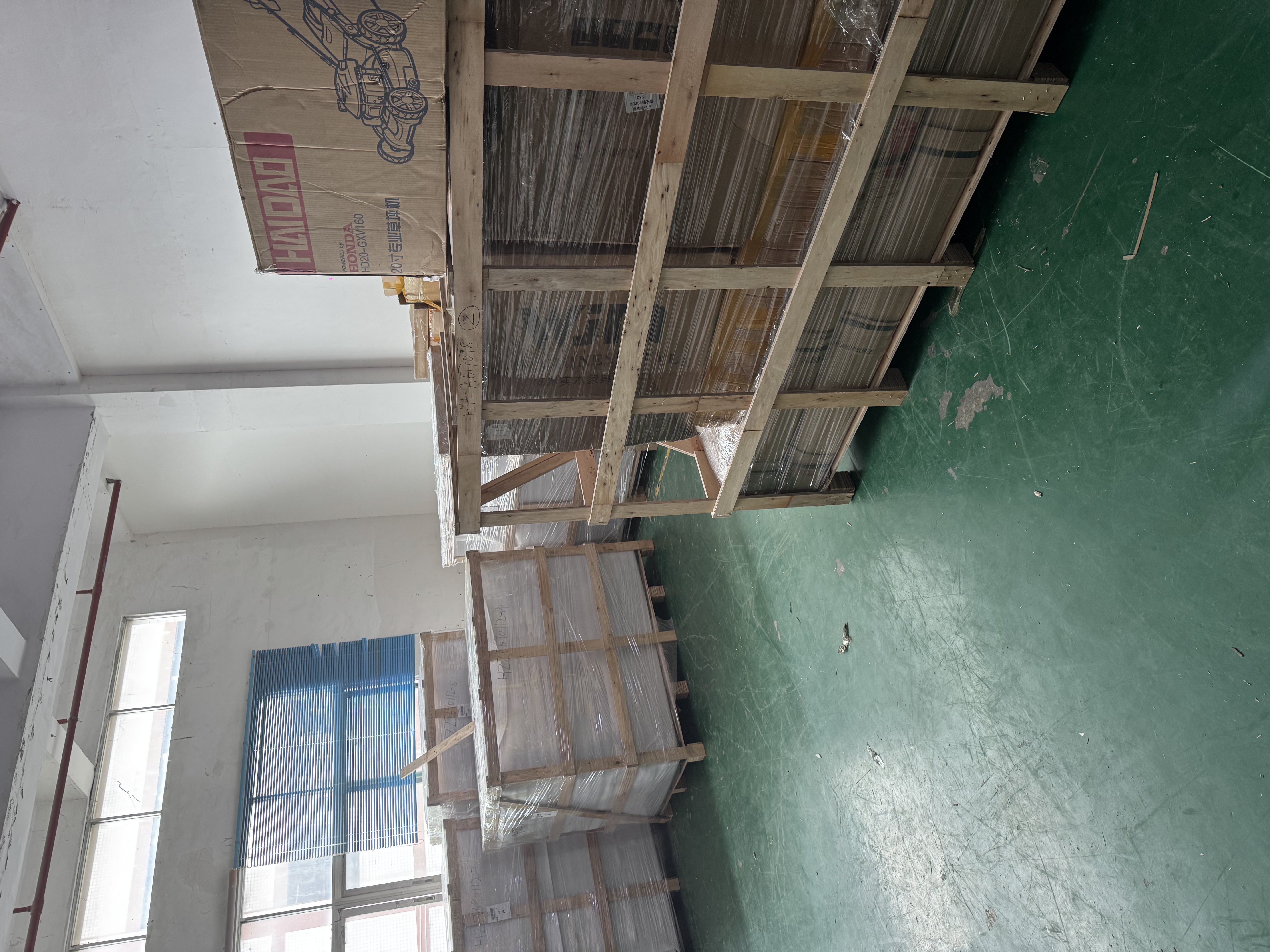
FAQ: How can I tell if my furniture needs fumigation? It's not always easy to tell just by looking. You need to consider the type of wood, its origin, and whether it has been treated. Our team at [Company Name] has the knowledge and experience to assess your furniture accurately. We'll check the wood's origin, treatment history, and other factors to determine if fumigation is needed.

3. The Impact of the Origin of the Furniture on Fumigation
High - Risk Regions: Furniture coming from regions with high pest prevalence is more likely to require fumigation. For example, Southeast Asia is known for its high termite population. If you're shipping furniture made from wood sourced in this region to Canada in 2026, fumigation is almost a certainty. According to CFIA data, shipments from Southeast Asia to Canada have a fumigation rate of over 95% for wooden furniture.Low - Risk Regions: Some regions have strict pest control measures and fewer pests. Furniture from North America, for example, may have a lower chance of needing fumigation if it's made from locally sourced wood and has been properly processed. However, this doesn't mean it's completely exempt. About 10% of North American - made wooden furniture shipped to Canada still goes through fumigation.
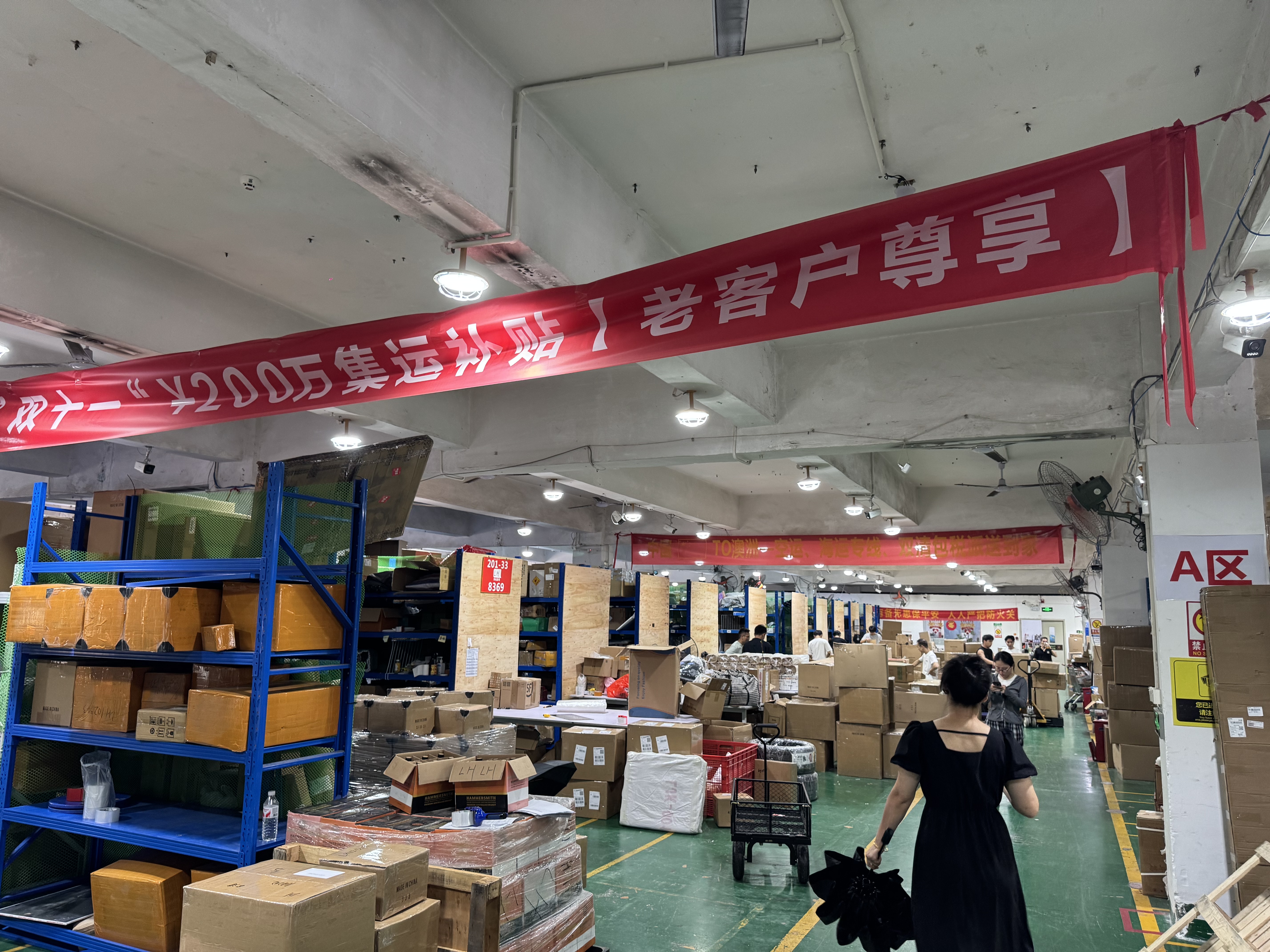
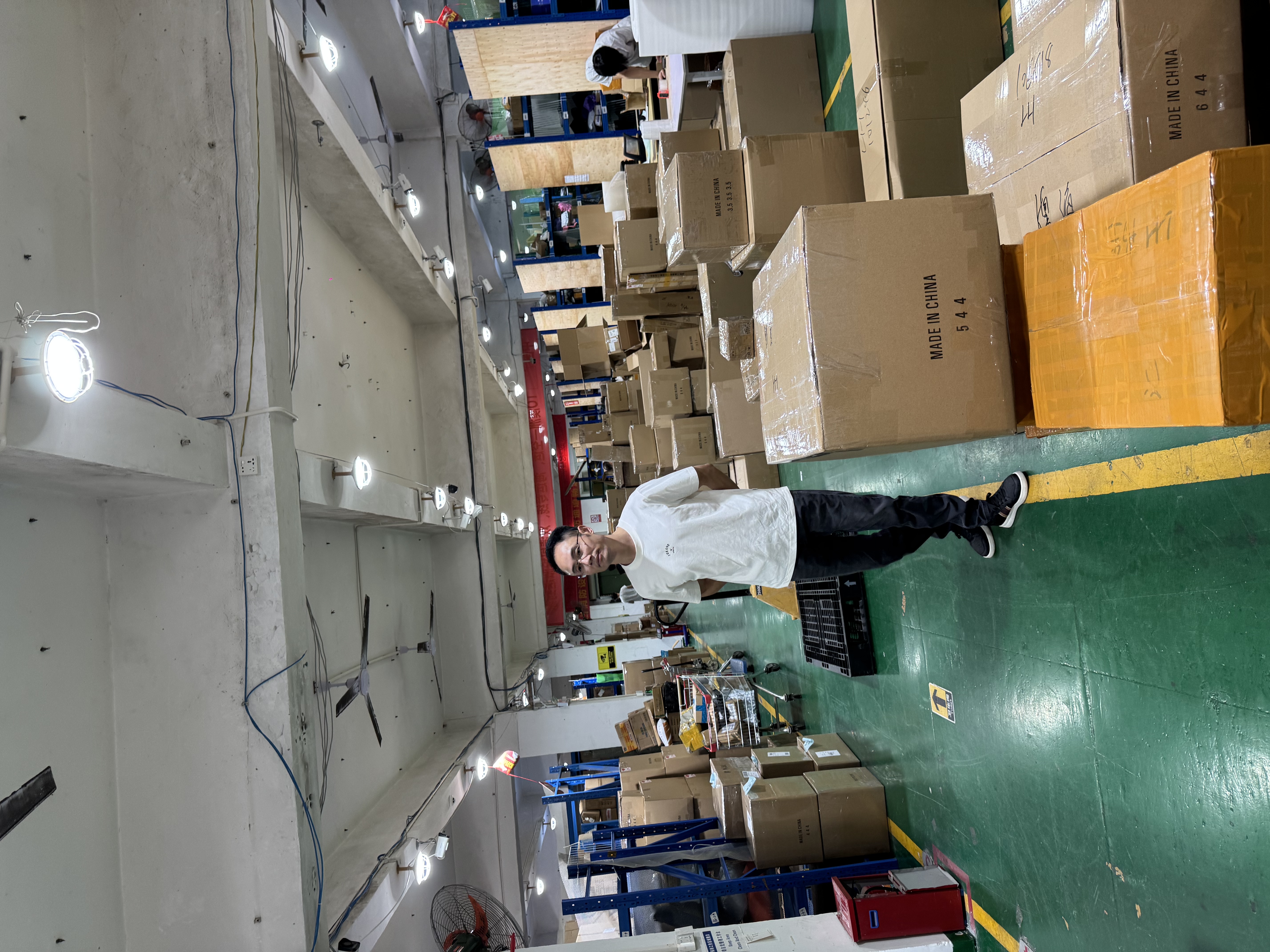
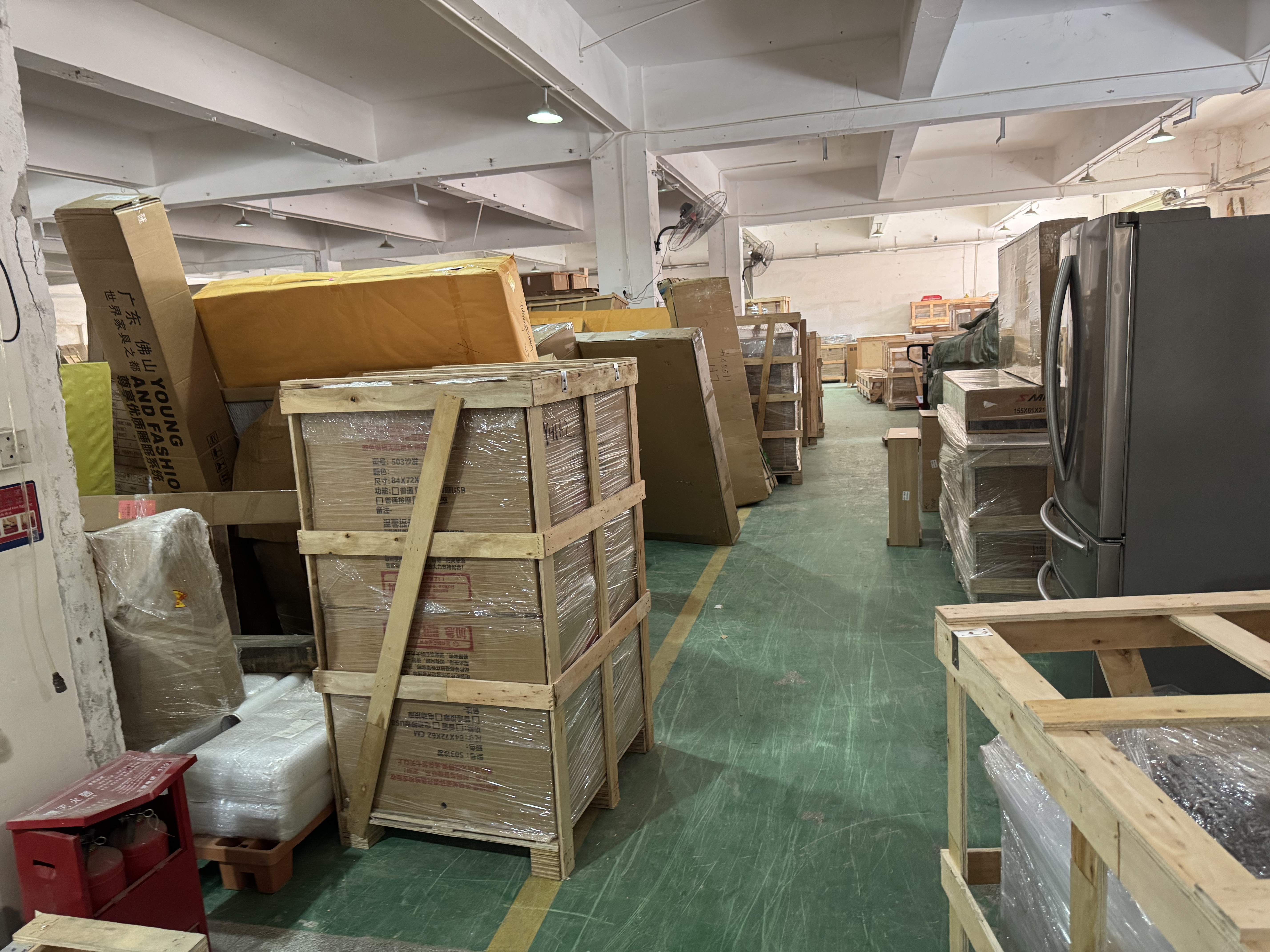

FAQ: Can I avoid fumigation if my furniture is from a low - risk region? While the chances are lower, it's not guaranteed. Even furniture from low - risk regions needs to meet the Canadian import standards. At [Company Name], we can work with you to ensure that your furniture from low - risk regions is properly documented and treated to minimize the chance of fumigation.
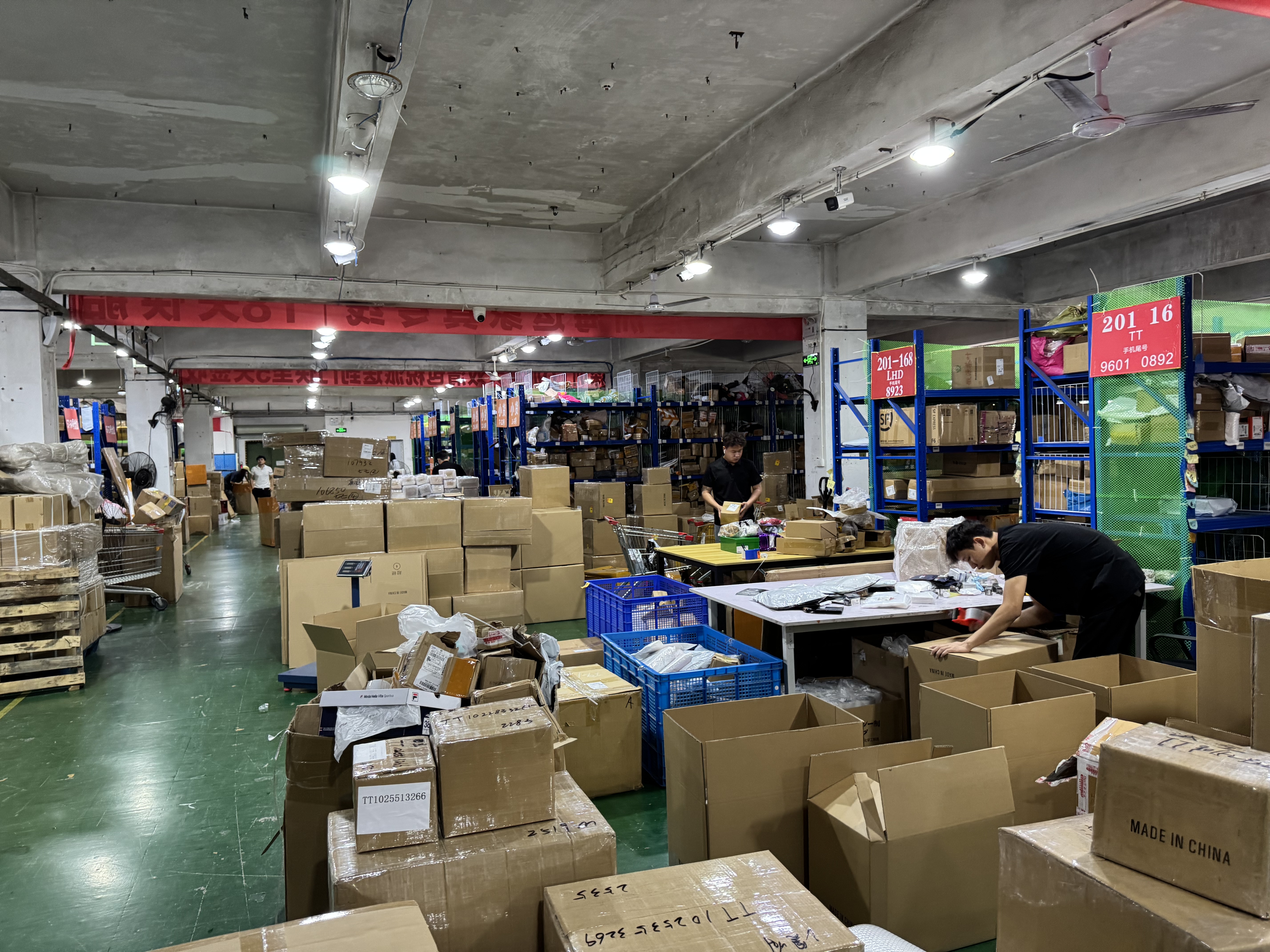
4. 2026 China - Canada and Canada - China Transport Route Policies Regarding Fumigation
In 2026, the China - Canada and Canada - China transport routes have specific policies related to furniture fumigation. The Canadian government continues to enforce strict regulations to protect its environment. For furniture shipped from China to Canada, if the wood has not been pre - treated according to Canadian standards, it will be fumigated at the Canadian port at the importer's expense.
On the other hand, when shipping furniture from Canada to China, China also has its own set of regulations. Chinese customs will inspect the furniture for pests. If any pests are found or if the wood has not been properly treated, the furniture may be sent for fumigation in China.
FAQ: How do these policies affect my shipping cost? Fumigation can add to the shipping cost. The cost of fumigation depends on the size and type of the furniture. At [Company Name], we understand these costs and can work with you to find the most cost - effective solutions. We'll guide you on how to pre - treat your furniture to avoid unnecessary fumigation charges.
5. The Role of Professional Logistics Providers
Knowledge of Regulations: A professional logistics provider like [Company Name] has in - depth knowledge of the Canadian and Chinese fumigation regulations. We keep up - to - date with the latest policy changes so that we can ensure your furniture meets all the requirements. For example, we know the exact temperature and time requirements for heat treatment to avoid fumigation.Pre - treatment Services: We offer pre - treatment services for your furniture. Our team can apply heat treatment to your wooden furniture in a controlled environment, ensuring it meets the Canadian standards. This way, you can avoid the hassle and cost of fumigation at the port.
Documentation Handling: Proper documentation is crucial in cross - border shipping. We'll handle all the necessary paperwork, including certificates of heat treatment or fumigation if required. This ensures that your furniture can clear customs smoothly.
FAQ: Why should I choose a professional logistics provider for shipping furniture to Canada? Shipping furniture to Canada involves complex regulations and procedures. A professional logistics provider like [Company Name] can save you time and money. We have the expertise to navigate the regulations, provide pre - treatment services, and handle the documentation. This means less stress and fewer headaches for you.
