

In contemporary international trade, the sea - shipping of furniture has become an integral part of the global logistics chain. Australia, with its strict bio - security regulations, has always held a high - bar standard for furniture imports. As 2026 approaches, many logistics professionals and shippers are curious about whether different scenarios will bring about distinct fumigation treatments.
I. Current Fumigation Landscape in Australian Sea - shipped Furniture
1. Standard Fumigation Requirements
Currently, most furniture shipped to Australia by sea requires fumigation. This is mainly to prevent the introduction of pests such as termites, borers, and fungi that may be hiding in the wood. For example, solid - wood furniture is almost always subject to fumigation. The standard treatment is usually methyl bromide fumigation, which has been a reliable method for decades to eliminate pests. According to Australian customs data, around 80% of wooden furniture imports undergo this treatment annually.
2. Exemptions and Special Cases
There are some exemptions. Furniture made from processed wood products like plywood, MDF (Medium - Density Fiberboard), and particleboard may be exempt in certain cases. These materials have gone through manufacturing processes that are likely to have killed any pests. However, if these processed wood furniture items show signs of infestation or are suspected of containing untreated wood components, they will still be fumigated.
II. Potential Changes in 2026
1. Policy - driven Changes
Australia is known to update its bio - security policies regularly to adapt to emerging threats. In 2026, new research findings on pests or changes in the global pest situation could lead to policy revisions. For instance, if a new type of wood - boring pest is discovered in a major furniture - exporting country, Australia may tighten its fumigation requirements. It's possible that more types of furniture, even those currently exempt, could be required to undergo fumigation.
2. Scenario - based Fumigation
Different shipping scenarios may indeed result in different fumigation treatments.
Origin of the Furniture: Furniture from regions with a high pest prevalence might face more stringent fumigation. If a particular country has had a recent outbreak of termites, all furniture from that region could be subject to double - fumigation. For example, if a province in China has reported a large - scale termite infestation in its furniture factories, Australian authorities may demand additional precautionary measures for furniture exports from there.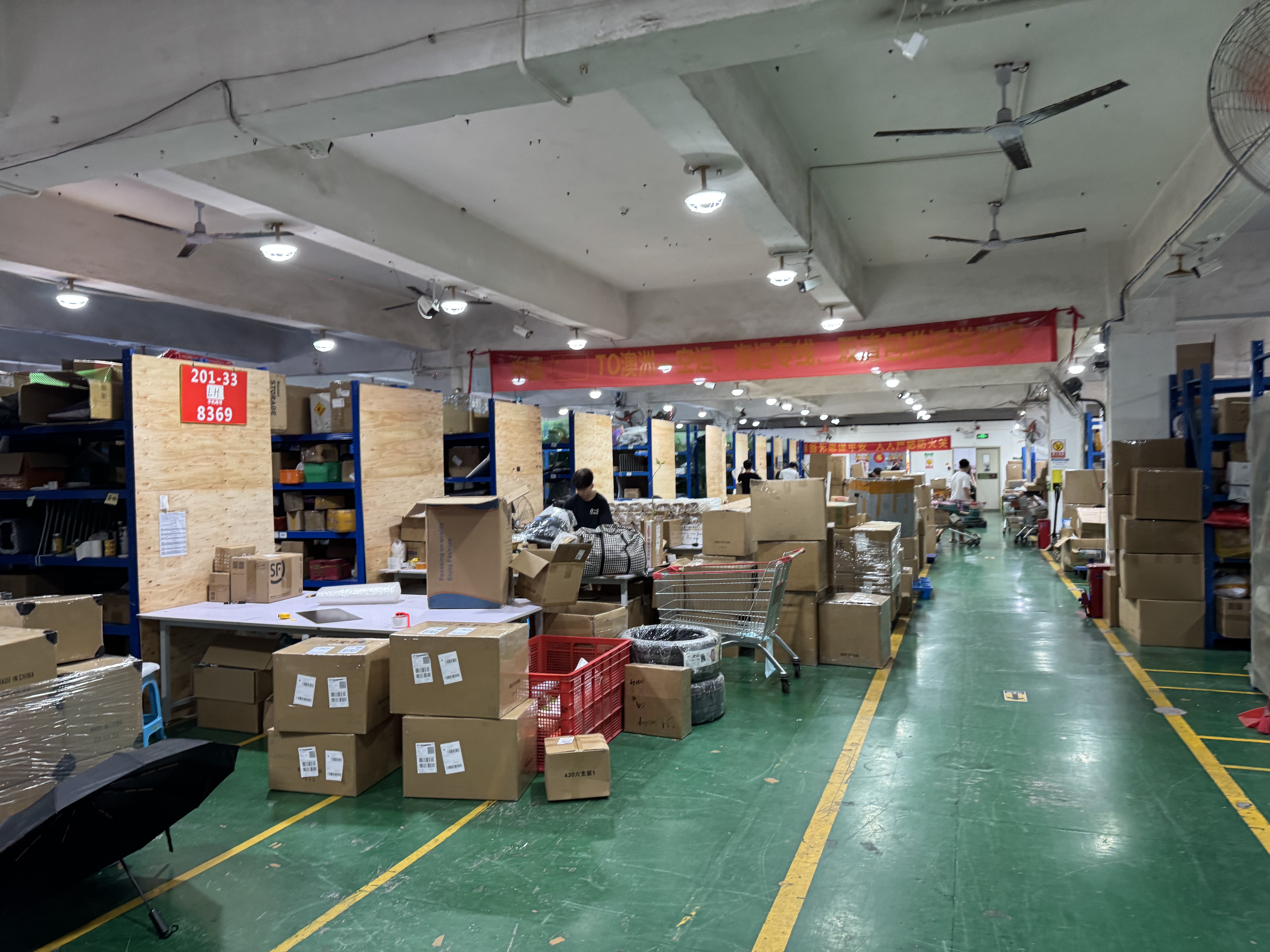
III. Impact on Shippers and Logistics Providers
1. Cost Considerations
If the fumigation requirements become more complex or strict in 2026, shippers will face higher costs. For example, double - fumigation or the use of more expensive fumigants will directly increase the cost of shipping furniture to Australia. Small - scale shippers may find it more difficult to compete, and some may even reduce their exports to Australia.
2. Time Delays
More elaborate fumigation treatments will also lead to longer shipping times. If a shipment has to undergo additional inspections and fumigation, it could be held up at the port for days or even weeks. This can disrupt supply chains and cause dissatisfaction among end - customers in Australia.
3. Adaptation from Logistics Companies
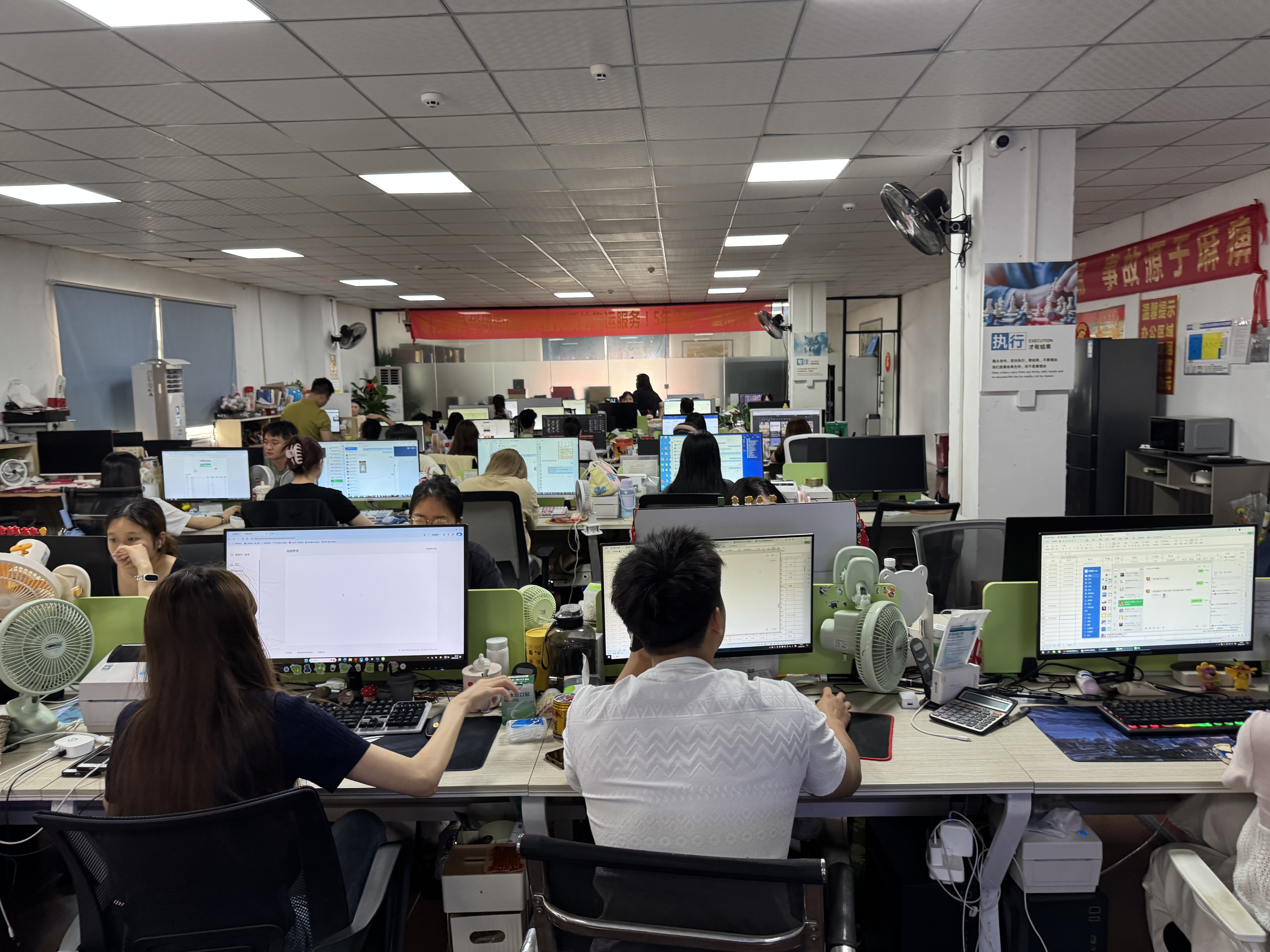
Logistics providers like Shengda International Logistics will need to stay updated with these changes. They should have in - house experts who can advise shippers on the correct fumigation procedures for different scenarios. Shengda International Logistics, with its experienced team of over 40 members having more than 10 years of international shipping experience, is well - positioned to handle such challenges.
IV. Shengda International Logistics: How We Can Help
1. Expert Guidance
Our team at Shengda International Logistics is constantly monitoring changes in Australian bio - security policies. We can provide shippers with up - to - date information on the fumigation requirements for their furniture shipments. For example, if a shipper wants to send a batch of solid - wood dining sets to Australia in 2026, we can tell them exactly what fumigation treatment will be required based on the origin and type of the wood.
2. Cost - effective Solutions
We understand the cost concerns of shippers. Through our long - term partnerships with fumigation service providers, we can negotiate better rates for our customers. Even if the fumigation requirements become more expensive, we can find ways to minimize the financial impact on shippers.
3. Efficient Operations
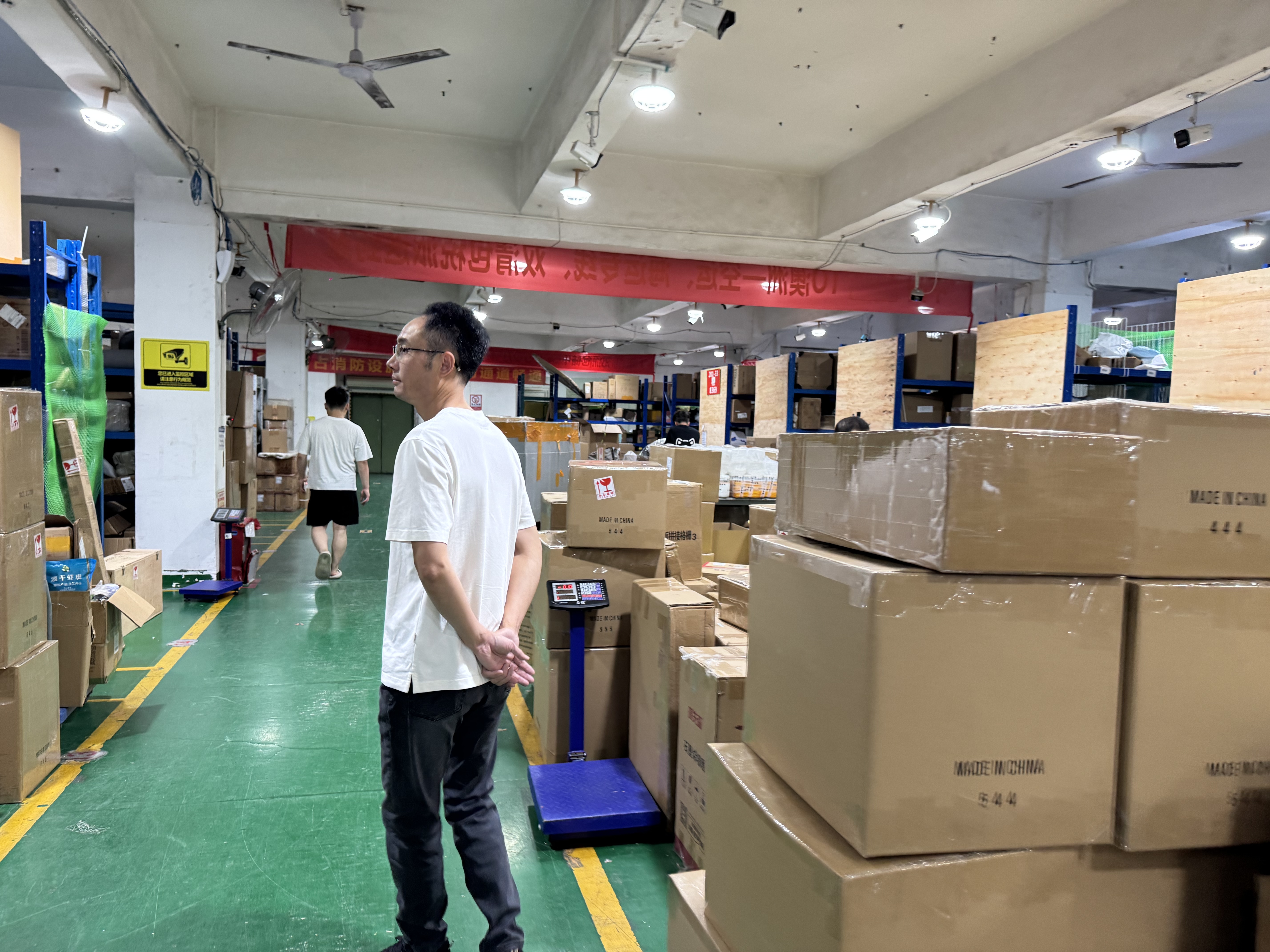
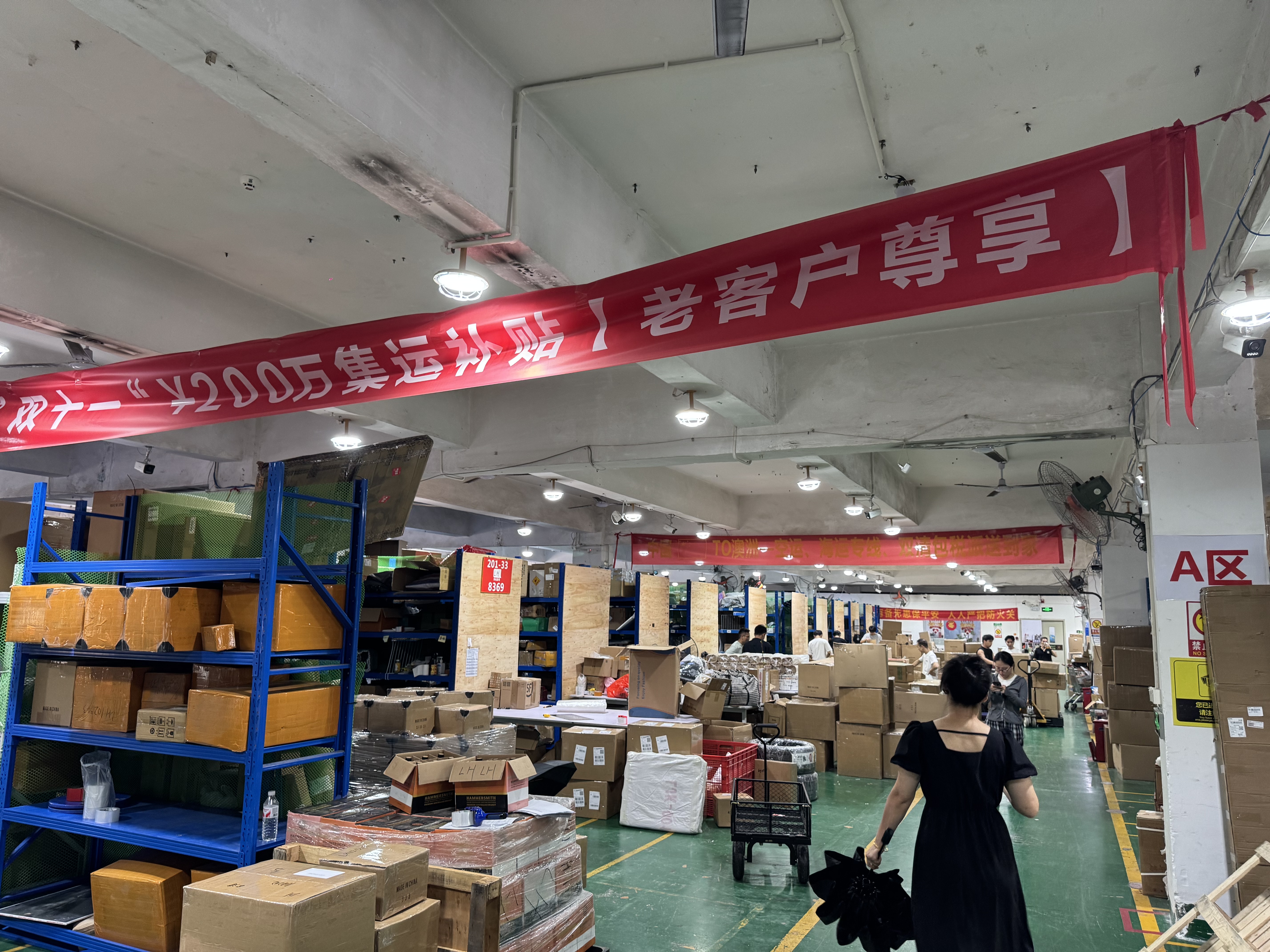
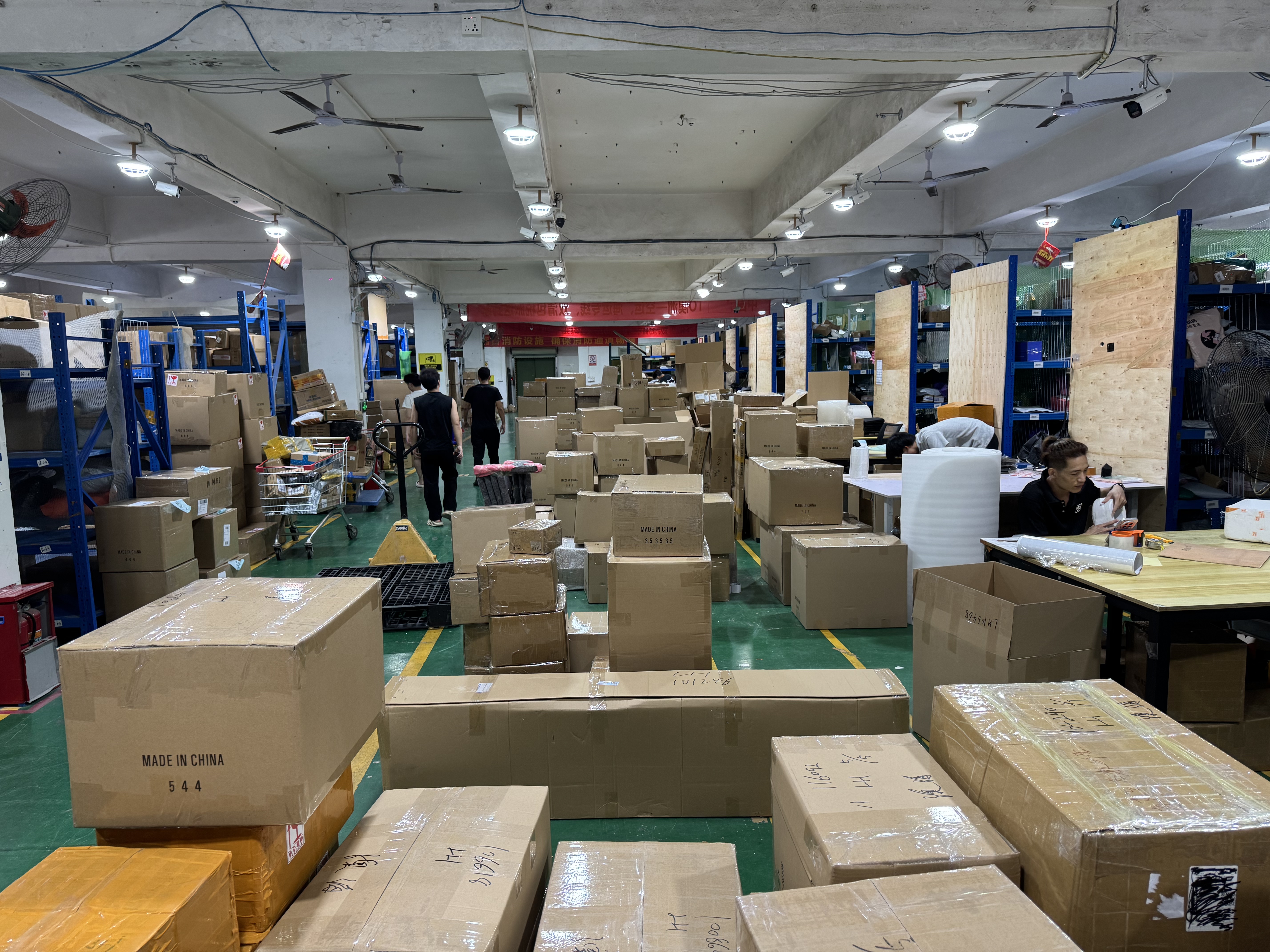
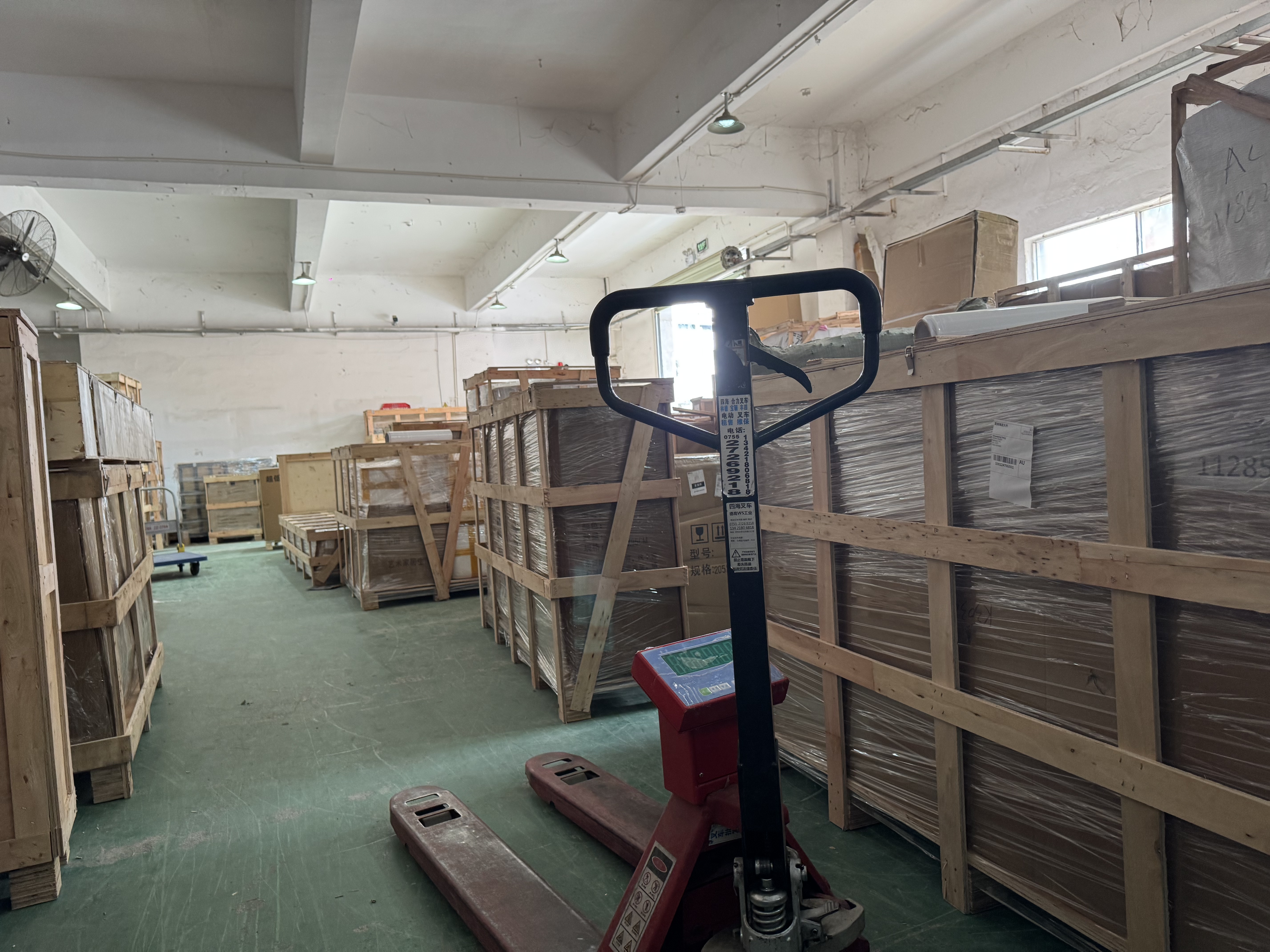
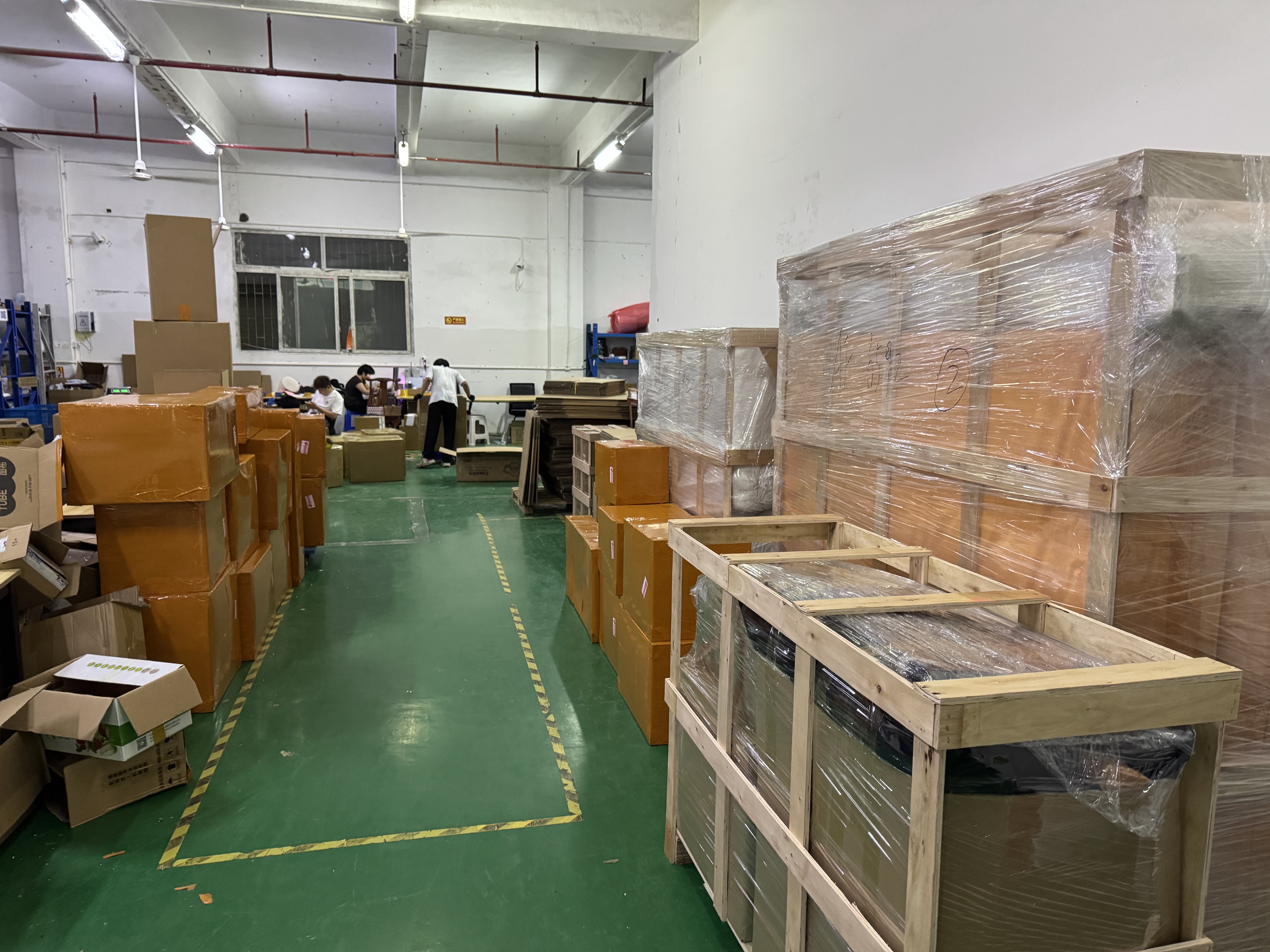
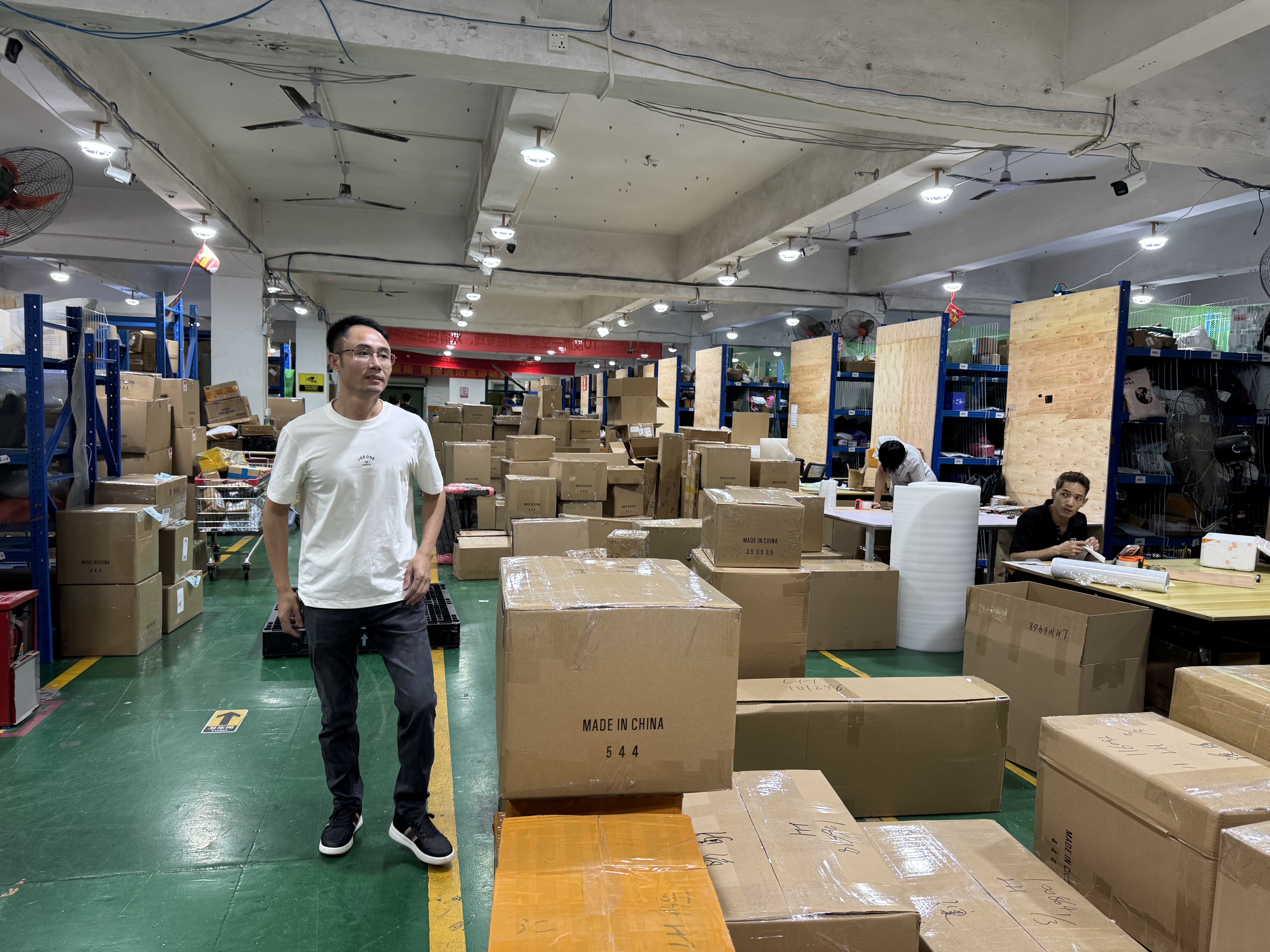
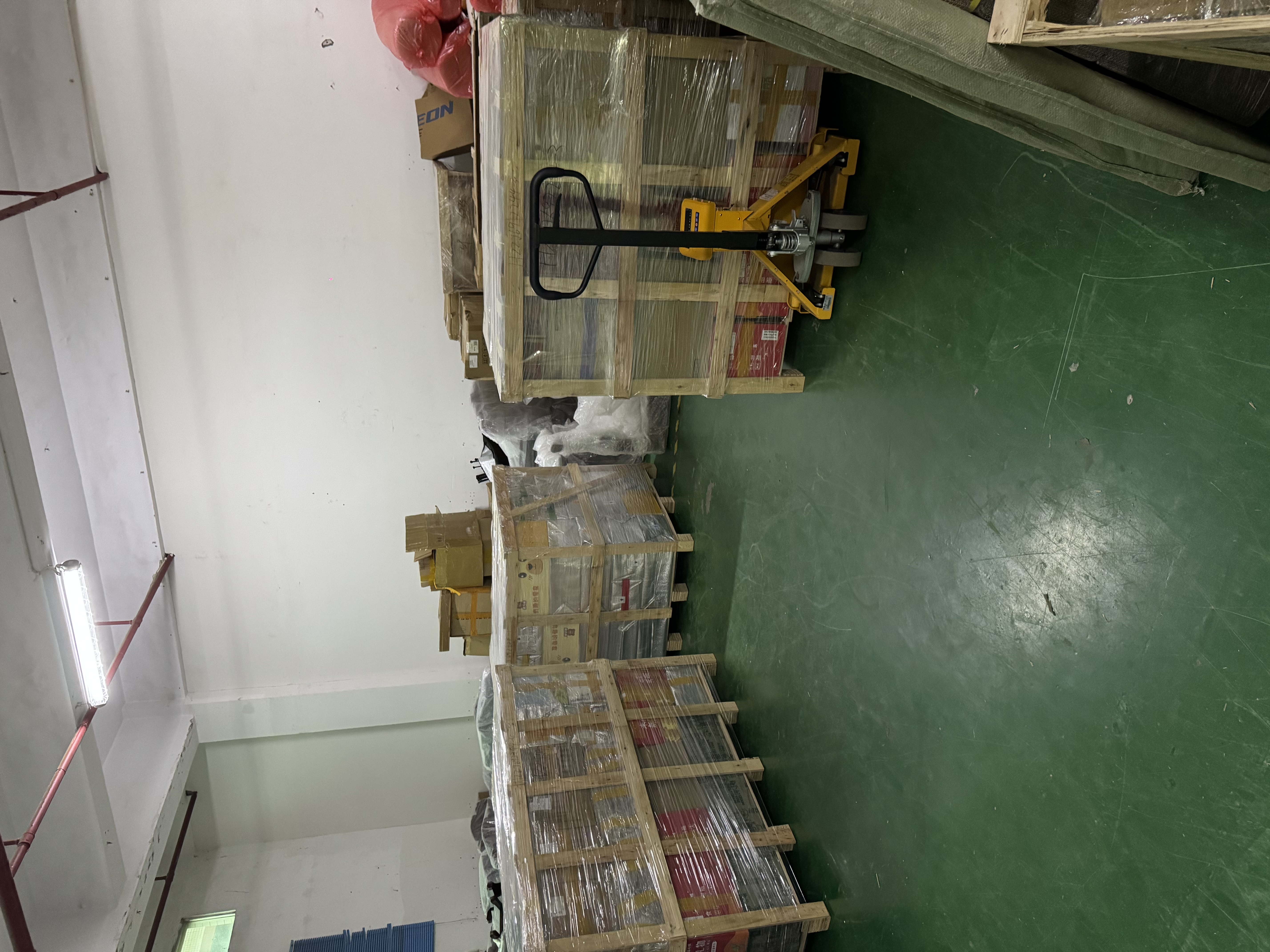
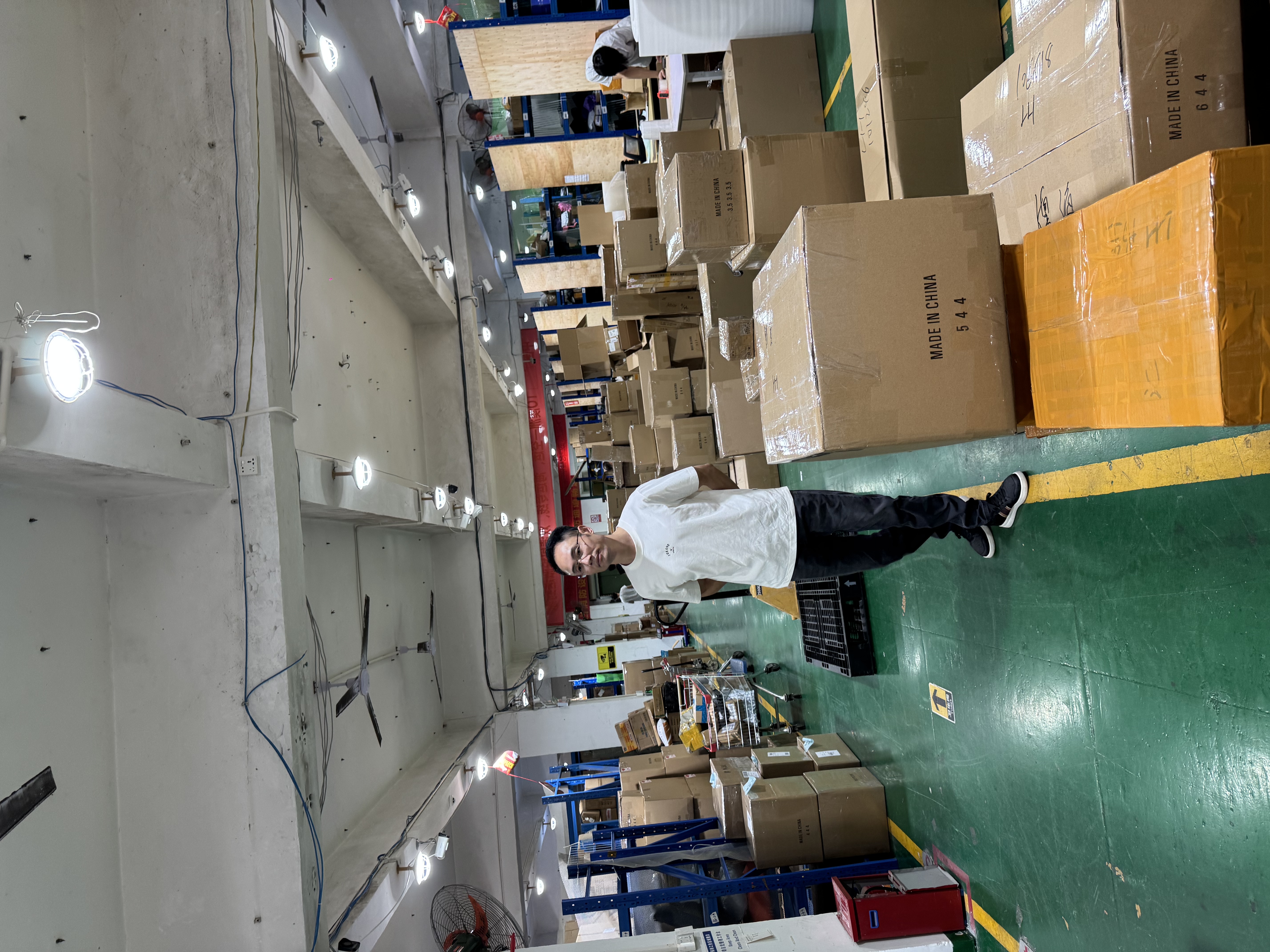
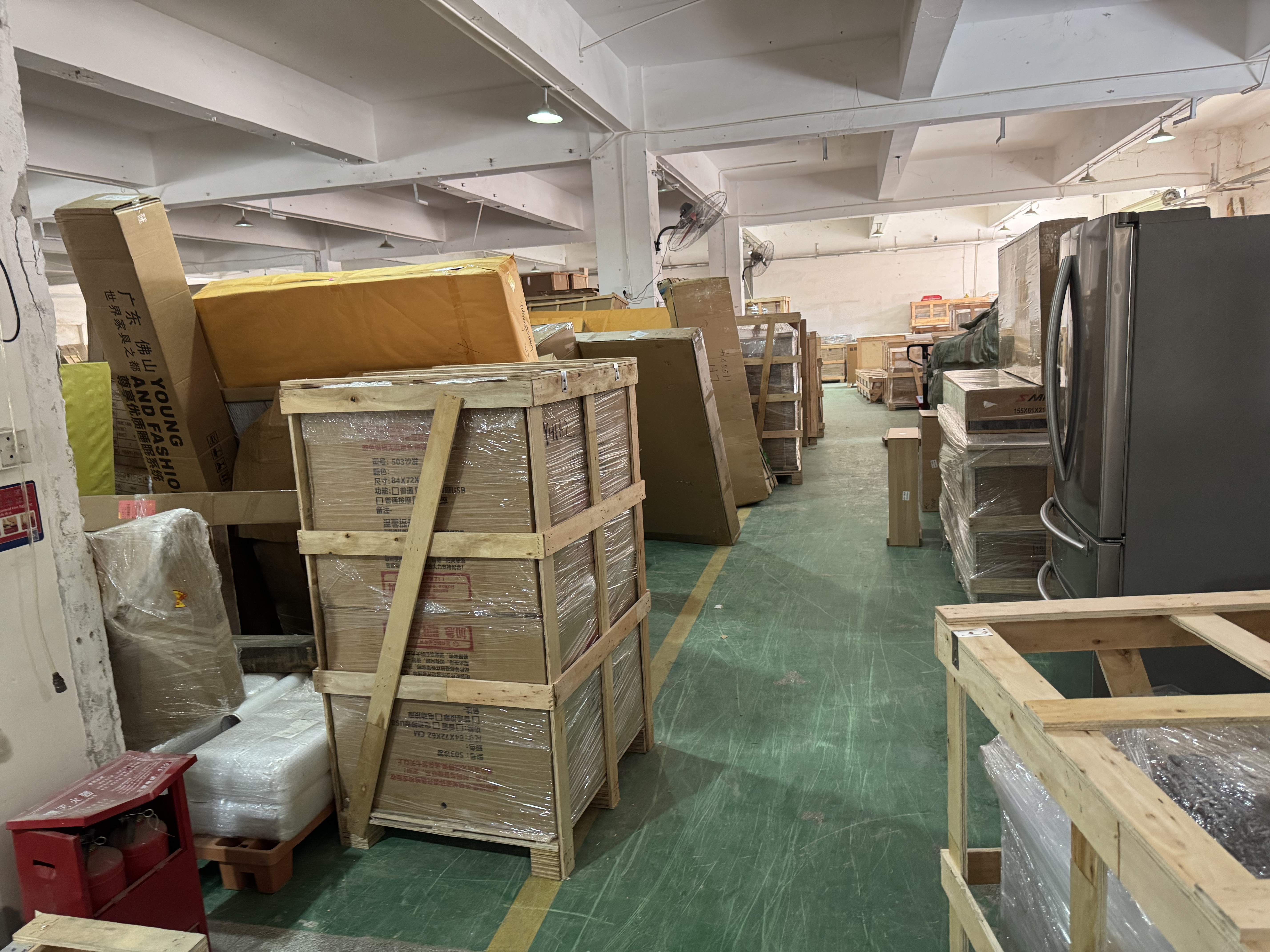
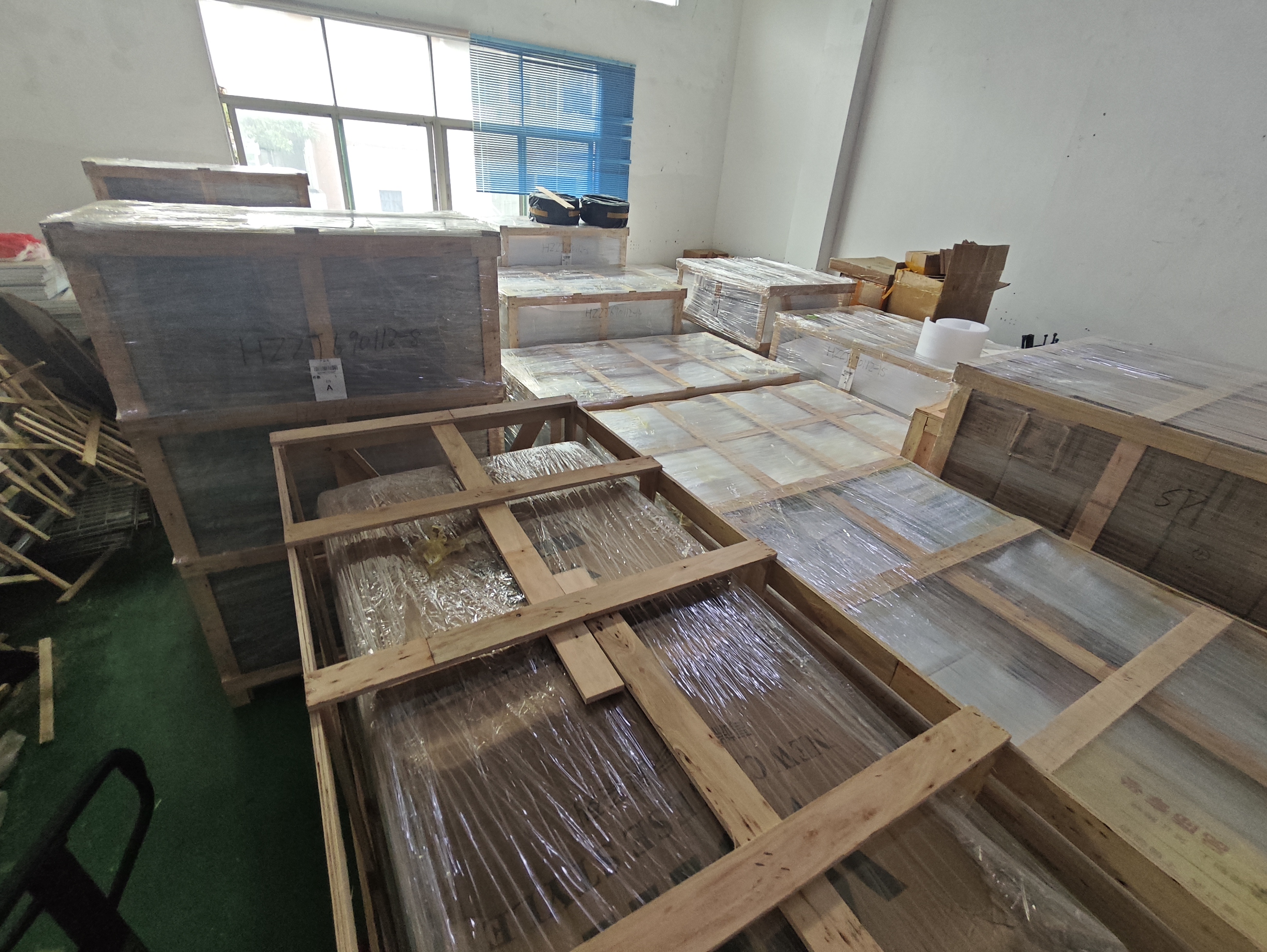
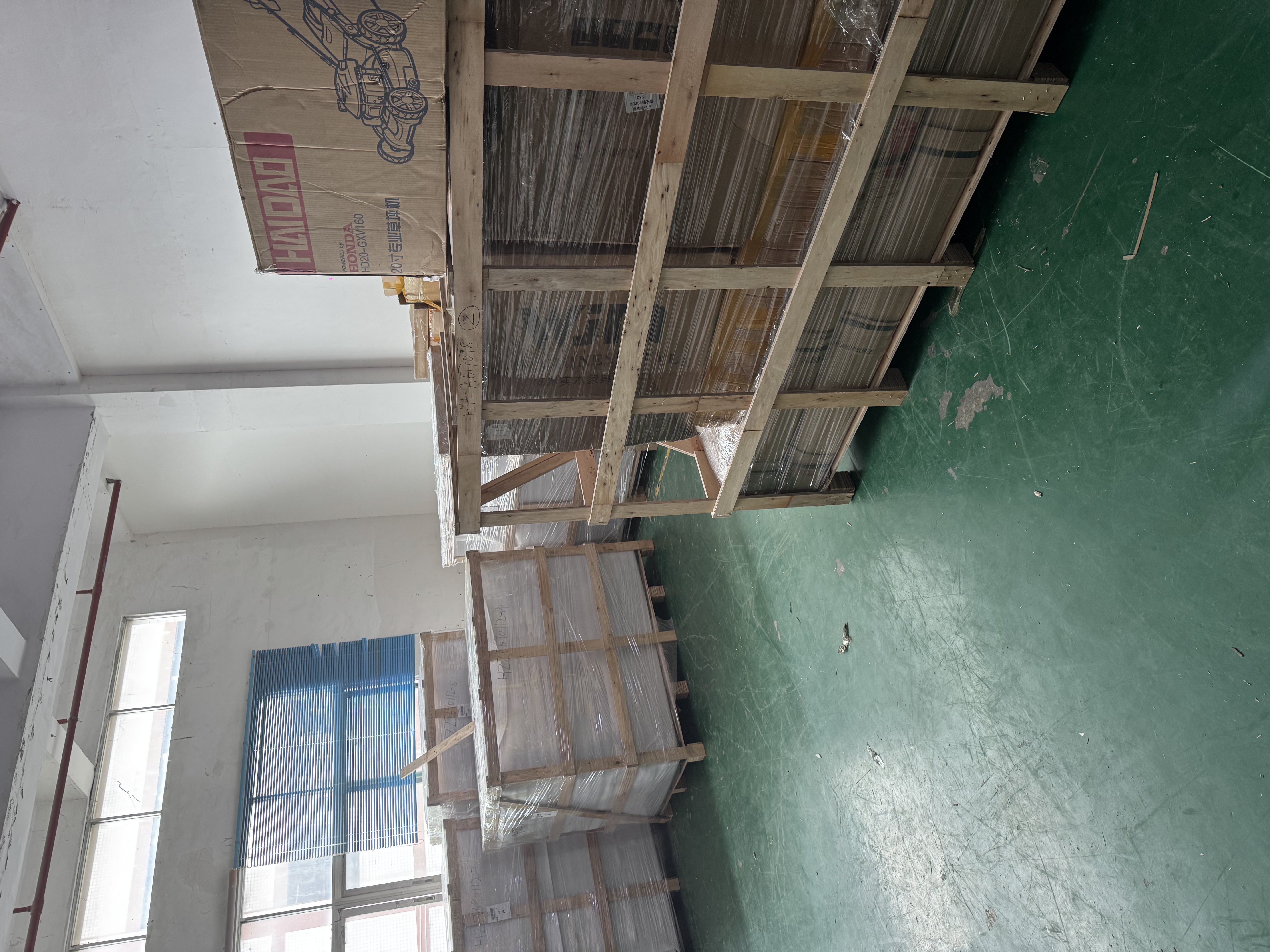
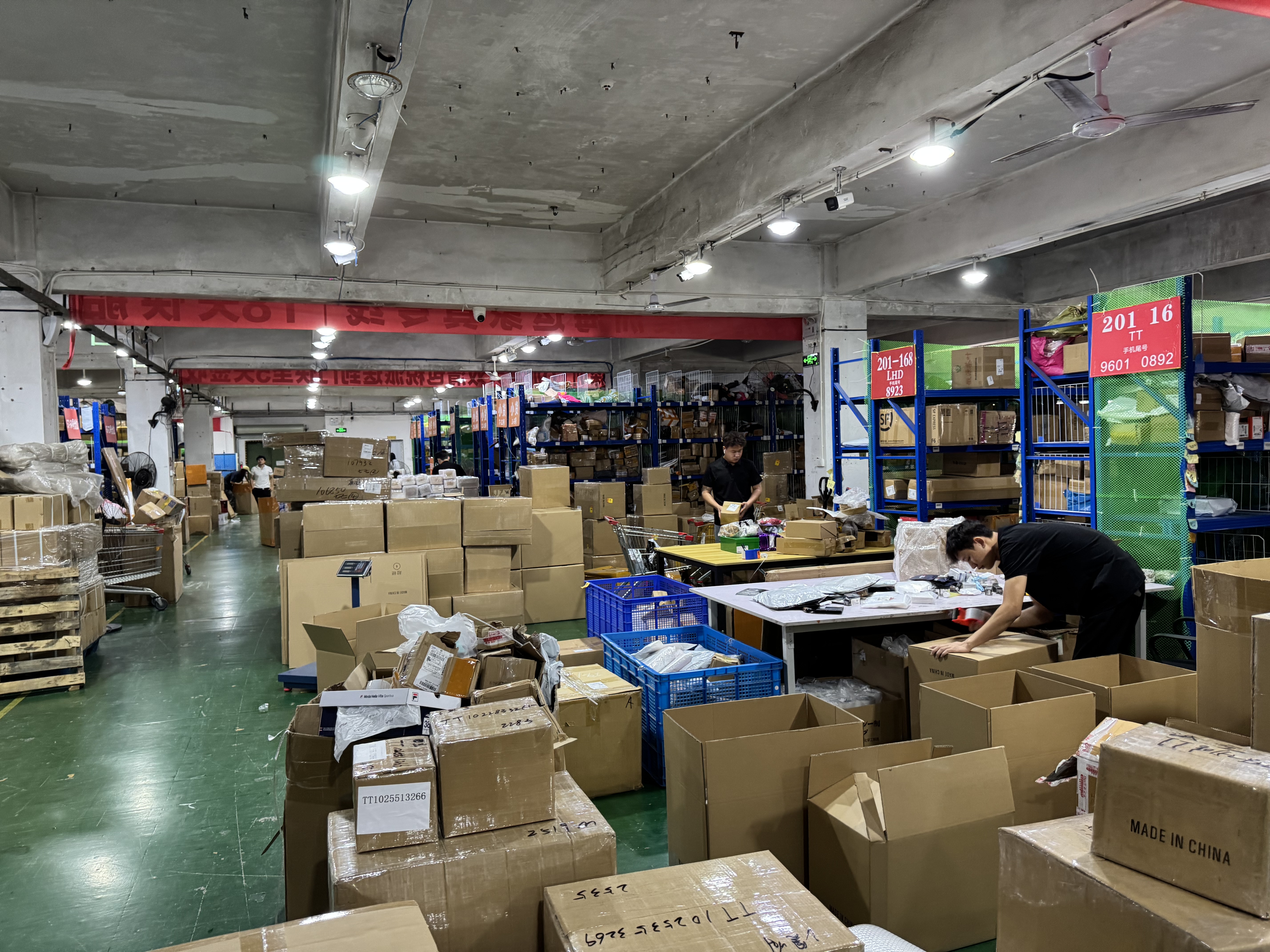
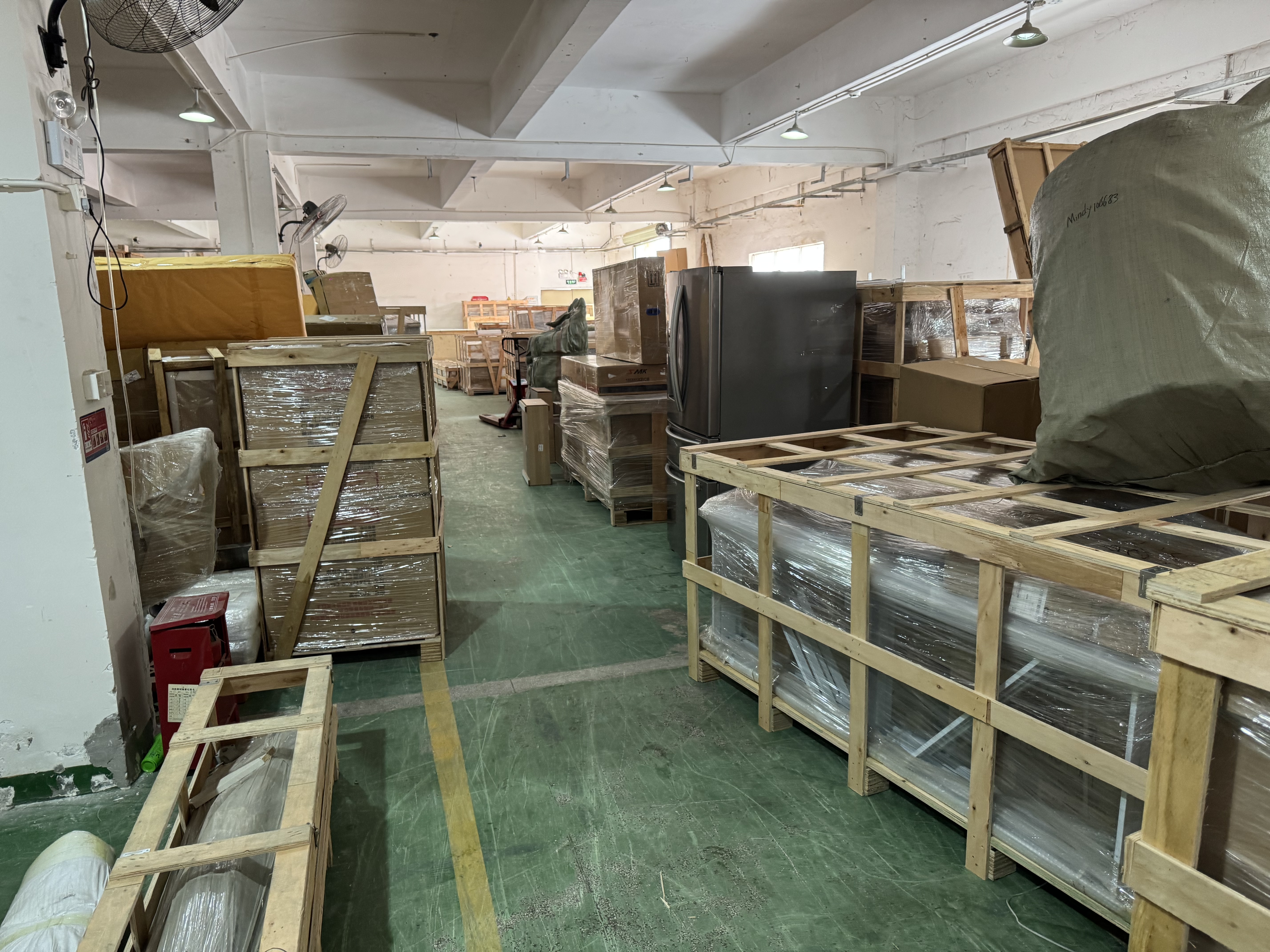
In case of any delays due to fumigation, our in - house logistics system ensures that the rest of the shipping process remains smooth. We have a 35000 - square - meter standardized self - operated warehouse in Shenzhen, which allows us to store furniture safely while waiting for fumigation and further processing.
V. FAQ
1. What if my furniture is a mix of solid wood and processed wood, how will it be fumigated in 2026?
Based on current trends and our experience, in 2026, it's likely that the entire piece will be treated. Australian bio - security authorities usually take a cautious approach. Shengda International Logistics can help you determine the exact treatment and guide you through the process to ensure compliance.
2. Will the fumigation requirements for furniture from China to Australia change significantly in 2026?
It's uncertain. However, if there are any changes in China's pest situation or Australian policies, they could change. Shengda International Logistics keeps a close eye on such developments. We have a deep understanding of the China - Australia shipping route and can provide you with early warnings and solutions.
3. How can I reduce the fumigation cost for my furniture shipment to Australia?
We at Shengda International Logistics can help you. Through our long - standing relationships with fumigation providers, we can negotiate better rates. Also, ensuring that your furniture is well - inspected and treated at the origin can sometimes reduce the need for additional treatments in Australia.
4. What if my furniture fails the fumigation inspection in Australia?
In such a case, it may need to be re - fumigated or, in severe cases, sent back. Shengda International Logistics has experience dealing with such situations. We can assist you in communicating with Australian authorities and finding the best solution to minimize your losses.
5. Are there any new fumigation methods that Australia may adopt in 2026?
There's a possibility. As technology advances, Australia may explore more environmentally - friendly and efficient fumigation methods. Shengda International Logistics will keep you informed of any such developments and help you adapt your shipment process accordingly.
