

Unveiling the 2026 Landscape: Diverse Scenarios for Canadian Ocean Freight Forwarders
In 2026, the world of Canadian ocean freight forwarding is a dynamic and evolving realm, filled with both opportunities and challenges. Let's explore the different scenarios that these forwarders might encounter, with a focus on the routes between China and Canada.
I. Trade Growth and Expansion
1. Increasing Trade Volumes In recent years, the trade relationship between China and Canada has been expanding steadily. In 2025, the total trade volume between the two countries reached approximately CAD 100 billion. By 2026, with the signing of new trade agreements and the recovery of the global economy, this number is expected to grow by at least 10%. Canadian ocean freight forwarders will be at the forefront of handling this increased volume of goods. For instance, a large amount of Chinese consumer goods, such as electronics, clothing, and furniture, will be shipped to Canada, while Canadian products like agricultural goods and timber will find their way to the Chinese market.2. New Trade Routes and Destinations New trade routes are emerging in 2026. For example, direct shipping routes between some secondary ports in China, like Tianjin and Ningbo, and ports in Canada such as Vancouver and Halifax have been established. These new routes offer more options for shippers and create more business opportunities for freight forwarders. The expansion of trade is not only limited to the existing major goods but also includes new sectors like renewable energy equipment. Canadian freight forwarders need to adapt to these changes and be able to provide seamless logistics services for these new trade routes.
FAQ: How can a Canadian ocean freight forwarder handle the increased trade volume? As an experienced freight forwarder, I can tell you that it's essential to have a well - organized team and a reliable network. Forwarders, like us at盛达国际物流, have our own dedicated teams from warehousing to shipping. We also have long - term partnerships with shipping lines, which ensures us enough space on the vessels to handle large volumes of goods.
II. Policy and Regulatory Changes
1. 2026 China - Canada and Canada - China Transport Policies In 2026, new policies regarding the China - Canada and Canada - China transport routes have been introduced. On one hand, the Chinese government has simplified the customs clearance procedures for some Canadian agricultural products, which means faster transit times for these goods. On the other hand, Canada has tightened the environmental regulations for shipping vessels. All vessels entering Canadian ports must meet stricter emission standards. Canadian ocean freight forwarders need to ensure that the shipping lines they work with comply with these regulations. For example, they may need to choose more environmentally - friendly vessels or work with shipping companies that are in the process of upgrading their fleets.2. Tariff and Tax Policies Tariff and tax policies also play a significant role. There have been some adjustments in the tariff rates for certain goods between the two countries. Some Chinese high - tech products now enjoy a lower tariff rate when entering Canada, while some Canadian agricultural specialties face a slightly higher tax in China. Freight forwarders need to stay updated on these policies to accurately calculate the costs for their clients and provide the best - cost solutions.
FAQ: How does the new policy affect the shipping cost? The new policy can have a direct impact on the shipping cost. For example, the environmental regulations may require shipping lines to upgrade their vessels, which could lead to an increase in shipping fees. At盛达国际物流, we closely monitor these policy changes and work with our partners to minimize the cost impact on our clients. We also have our own cost - control system to ensure that our customers get the most competitive prices.
III. Technological Advancements
FAQ: How does digitalization benefit the shippers? Digitalization brings a lot of benefits to shippers. With real - time tracking, shippers don't have to worry about where their goods are. They can also plan their business operations more accurately based on the estimated arrival time. At盛达国际物流, our digital system allows shippers to manage their shipments easily, from booking to delivery, saving them a lot of time and effort.
IV. Competition and Market Consolidation
1. Intense Competition
The market for Canadian ocean freight forwarding in 2026 is highly competitive. There are many players in the market, including large international logistics companies and local forwarders. To stand out, forwarders need to offer high - quality services at competitive prices. For example, some forwarders may offer additional services like door - to - door delivery, customs clearance assistance, or insurance coverage.盛达国际物流 differentiates itself by providing personalized solutions for different customer scenarios, whether it's a small business shipping a few parcels or a large corporation moving a full container of goods.
2. Market Consolidation There is also a trend of market consolidation. Smaller forwarders may merge with larger ones or form strategic alliances to gain more resources and market share. This consolidation can lead to more efficient operations and better service for customers. However, it also means that the competition for the remaining independent forwarders will become even tougher.
FAQ: How can a small - scale forwarder compete in this market? A small - scale forwarder can focus on niche markets or provide specialized services. For example, they can target a specific industry or type of goods. At盛达国际物流, although we are a well - established player, we also understand the importance of niche markets. We have different service packages for various industries, which allows us to meet the specific needs of our customers.
V. Environmental and Sustainability Pressures
1. Green Shipping Initiatives In 2026, there is a growing emphasis on environmental protection and sustainability in the shipping industry. Canadian ocean freight forwarders are under pressure to promote green shipping. This includes encouraging the use of low - carbon fuel, reducing emissions during port operations, and improving energy efficiency on vessels. Some forwarders are also investing in research and development of new technologies that can make the shipping process more environmentally friendly.2. Customer Demand for Sustainable Shipping Customers are increasingly demanding sustainable shipping options. Large retailers in Canada, for example, are more likely to choose freight forwarders who can provide eco - friendly shipping solutions for their products from China. This trend forces forwarders to re - evaluate their business models and incorporate sustainable practices into their operations.
FAQ: How can ocean freight forwarders achieve green shipping? Forwarders can achieve green shipping in several ways. They can choose shipping lines that use low - carbon fuel or have more energy - efficient vessels. They can also optimize the shipping routes to reduce the overall mileage and emissions. At盛达国际物流, we are committed to environmental protection and have been working closely with our partners to implement green shipping initiatives.
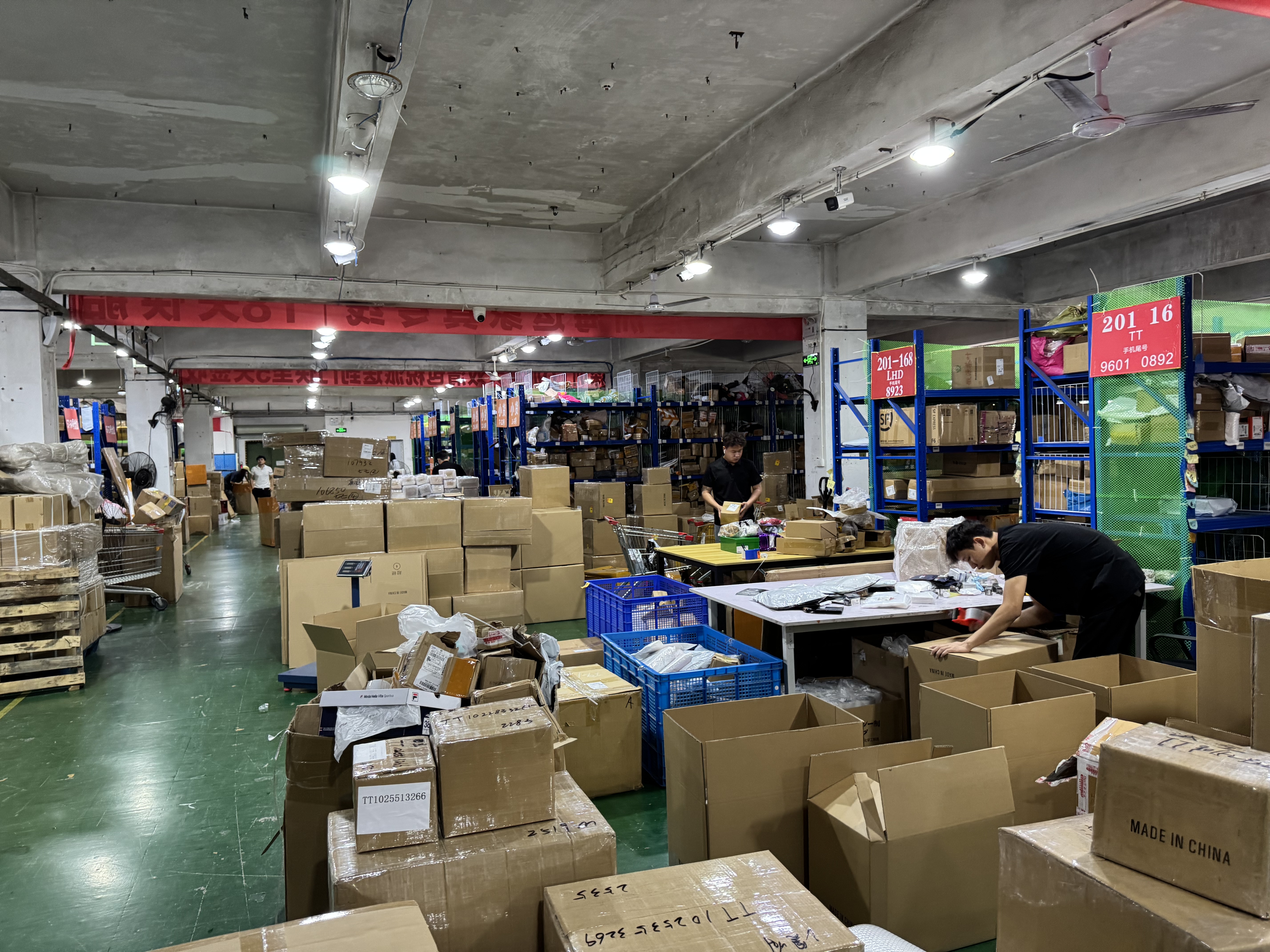
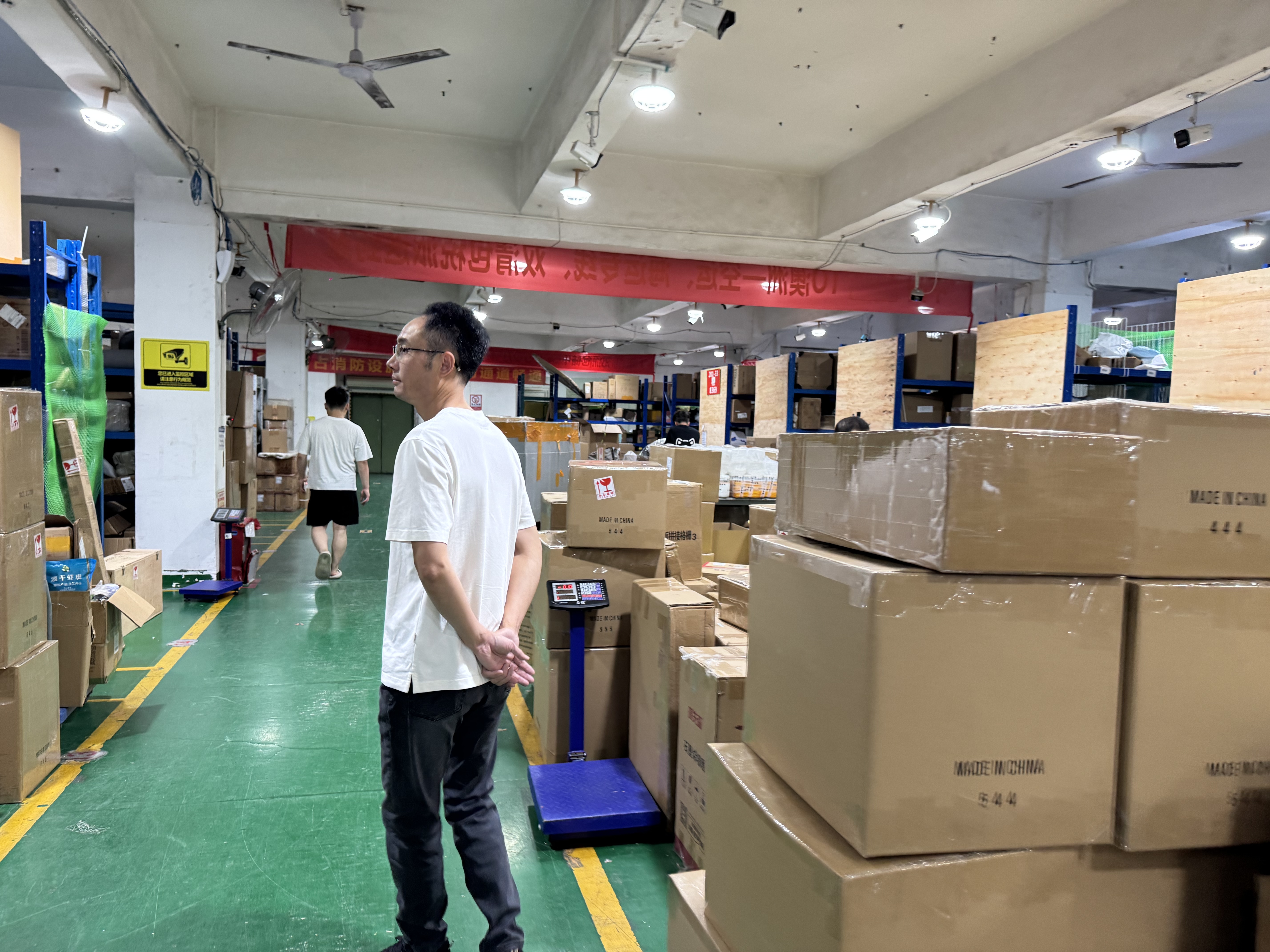
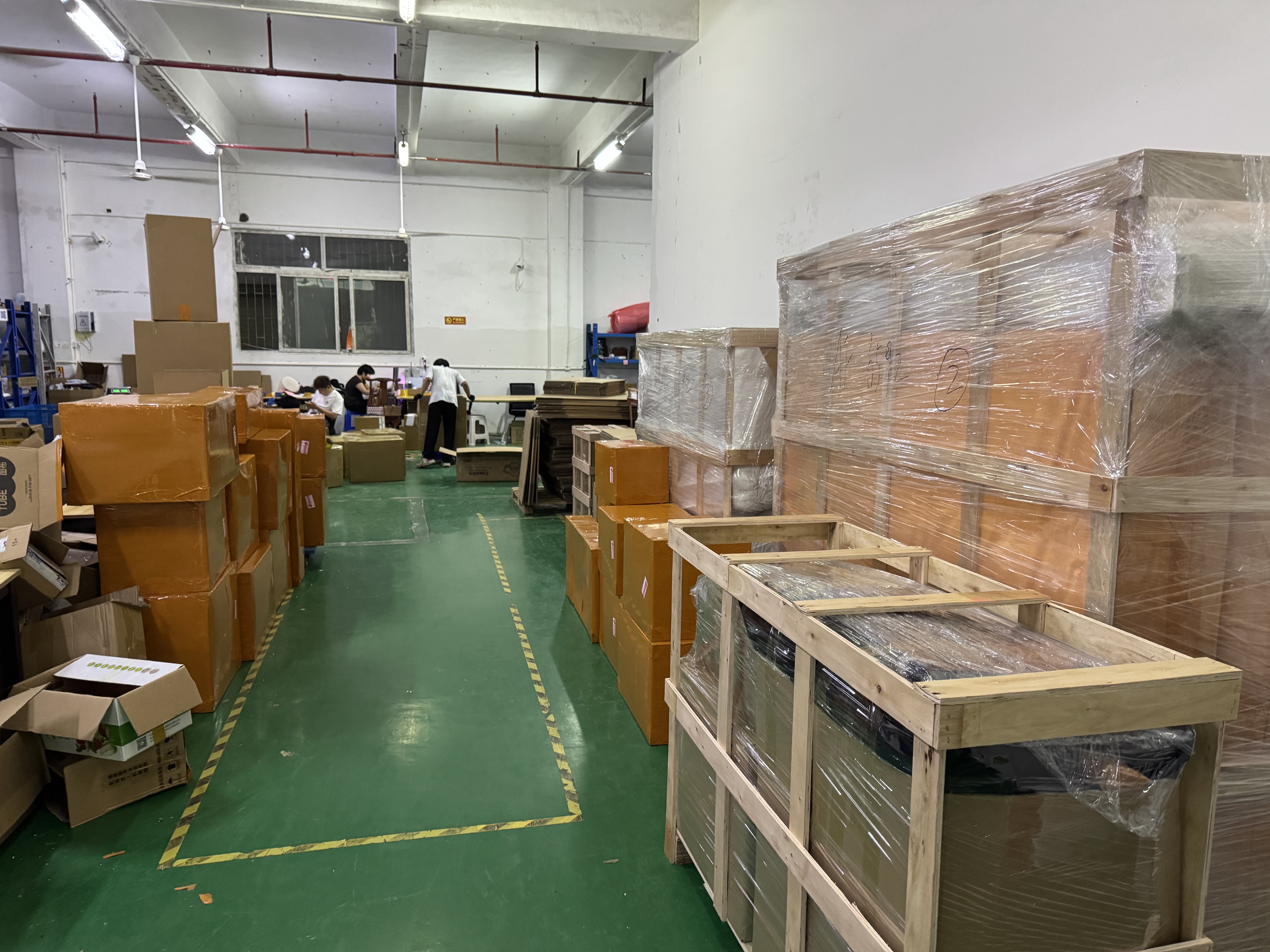
In conclusion, the scenarios for Canadian ocean freight forwarders in 2026 are complex and diverse. Forwarders need to be well - informed, adaptable, and innovative to thrive in this changing environment. Whether it's dealing with trade growth, policy changes, technological advancements, competition, or environmental pressures, those who can quickly adjust their strategies will be the ones who succeed in the long run.
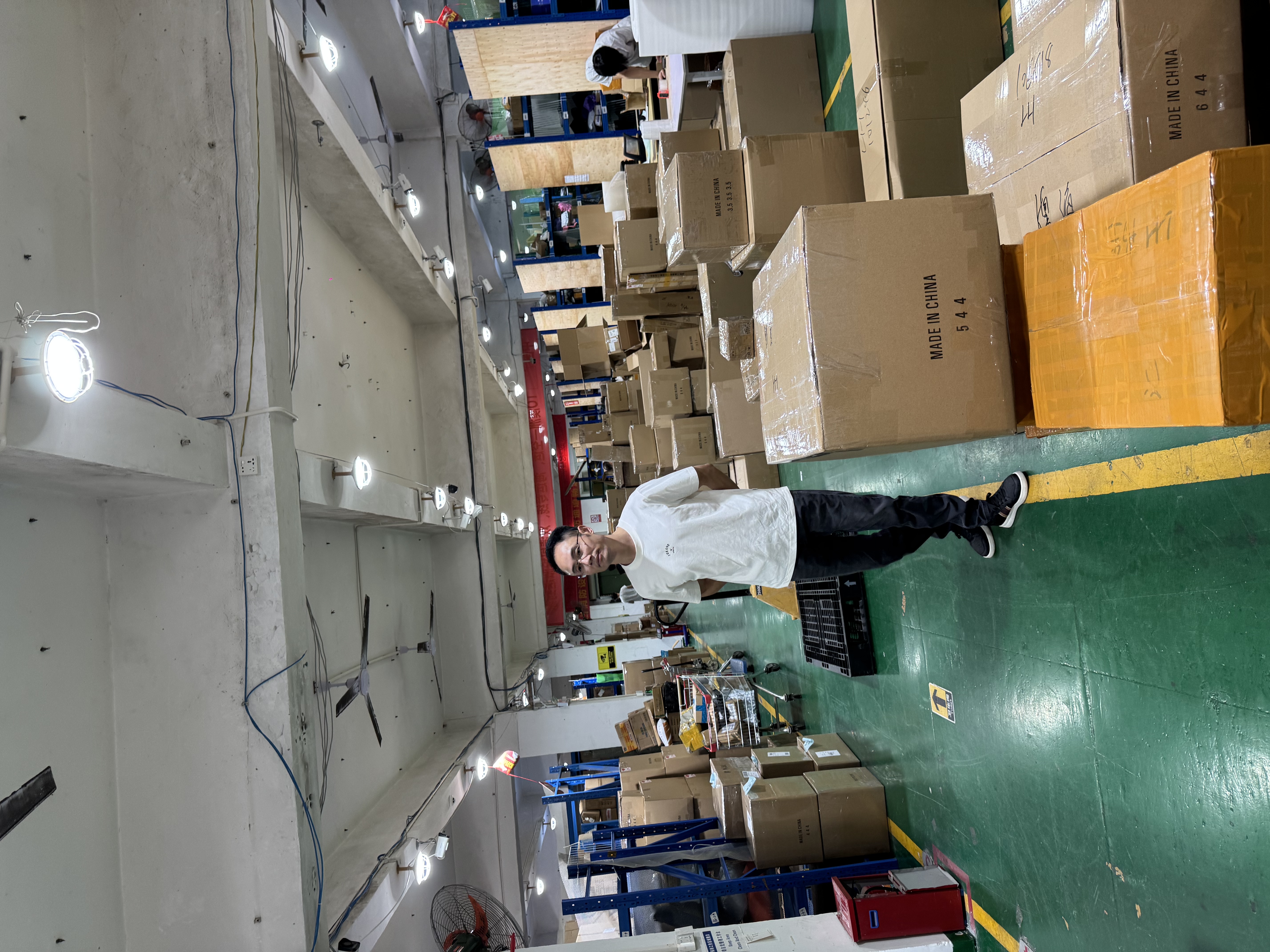
Unveiling the 2026 Landscape: Diverse Scenarios for Canadian Ocean Freight Forwarders
In 2026, the world of Canadian ocean freight forwarding is a dynamic and evolving realm, filled with both opportunities and challenges. Let's explore the different scenarios that these forwarders might encounter, with a focus on the routes between China and Canada.
I. Trade Growth and Expansion
1. Increasing Trade Volumes
In recent years, the trade relationship between China and Canada has been expanding steadily. In 2025, the total trade volume between the two countries reached approximately CAD 100 billion. By 2026, with the signing of new trade agreements and the recovery of the global economy, this number is expected to grow by at least 10%. Canadian ocean freight forwarders will be at the forefront of handling this increased volume of goods. For instance, a large amount of Chinese consumer goods, such as electronics, clothing, and furniture, will be shipped to Canada, while Canadian products like agricultural goods and timber will find their way to the Chinese market.
2. New Trade Routes and Destinations New trade routes are emerging in 2026. For example, direct shipping routes between some secondary ports in China, like Tianjin and Ningbo, and ports in Canada such as Vancouver and Halifax have been established. These new routes offer more options for shippers and create more business opportunities for freight forwarders. The expansion of trade is not only limited to the existing major goods but also includes new sectors like renewable energy equipment. Canadian freight forwarders need to adapt to these changes and be able to provide seamless logistics services for these new trade routes.
FAQ: How can a Canadian ocean freight forwarder handle the increased trade volume? As an experienced freight forwarder, I can tell you that it's essential to have a well - organized team and a reliable network. Forwarders, like us at Shengda International Logistics, have our own dedicated teams from warehousing to shipping. We also have long - term partnerships with shipping lines, which ensures us enough space on the vessels to handle large volumes of goods.
II. Policy and Regulatory Changes
1. 2026 China - Canada and Canada - China Transport Policies In 2026, new policies regarding the China - Canada and Canada - China transport routes have been introduced. On one hand, the Chinese government has simplified the customs clearance procedures for some Canadian agricultural products, which means faster transit times for these goods. On the other hand, Canada has tightened the environmental regulations for shipping vessels. All vessels entering Canadian ports must meet stricter emission standards. Canadian ocean freight forwarders need to ensure that the shipping lines they work with comply with these regulations. For example, they may need to choose more environmentally - friendly vessels or work with shipping companies that are in the process of upgrading their fleets.2. Tariff and Tax Policies Tariff and tax policies also play a significant role. There have been some adjustments in the tariff rates for certain goods between the two countries. Some Chinese high - tech products now enjoy a lower tariff rate when entering Canada, while some Canadian agricultural specialties face a slightly higher tax in China. Freight forwarders need to stay updated on these policies to accurately calculate the costs for their clients and provide the best - cost solutions.
FAQ: How does the new policy affect the shipping cost? The new policy can have a direct impact on the shipping cost. For example, the environmental regulations may require shipping lines to upgrade their vessels, which could lead to an increase in shipping fees. At Shengda International Logistics, we closely monitor these policy changes and work with our partners to minimize the cost impact on our clients. We also have our own cost - control system to ensure that our customers get the most competitive prices.
III. Technological Advancements
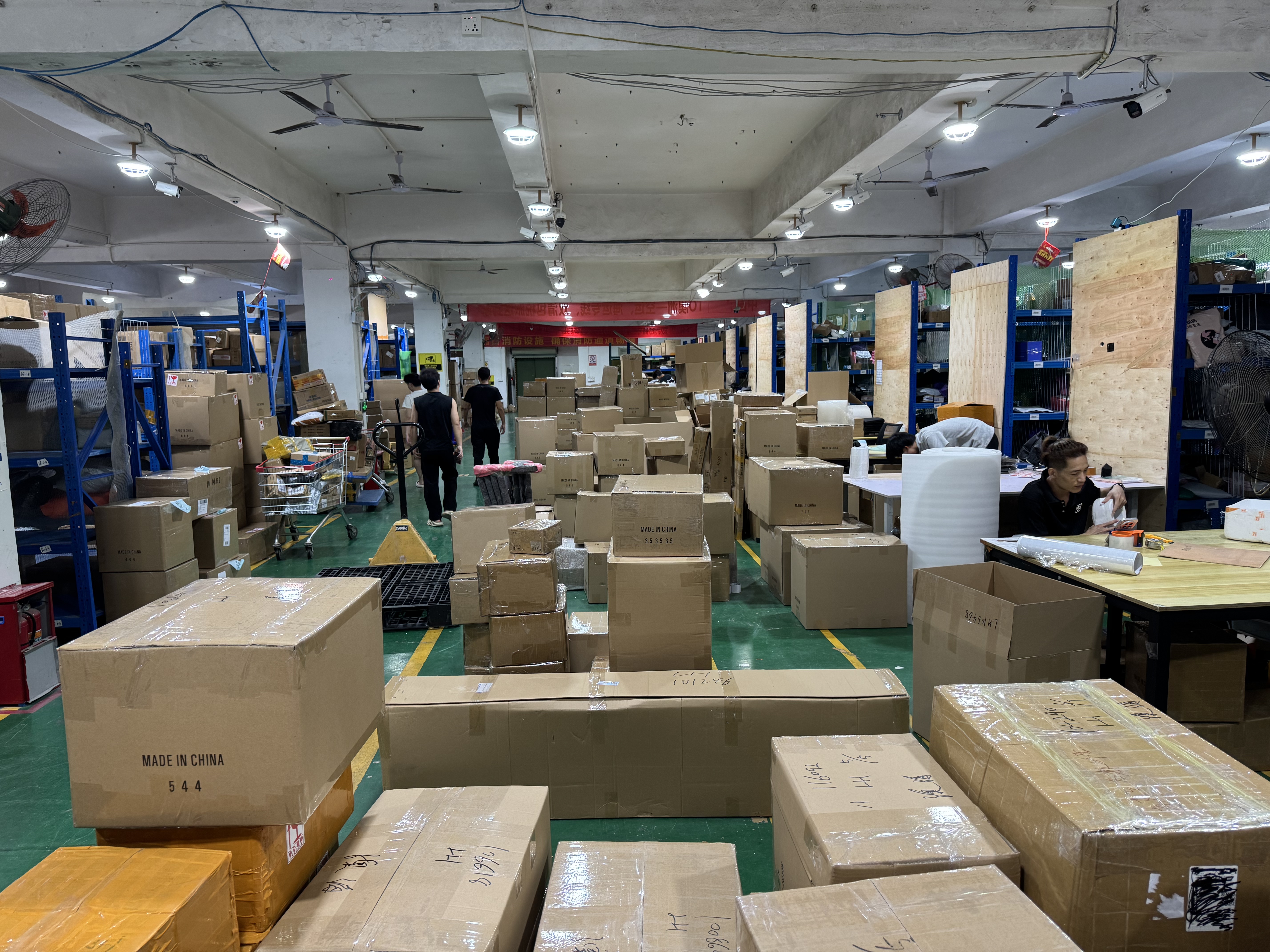
1. Digitalization in the Industry In 2026, the ocean freight forwarding industry has witnessed a significant digital transformation. Many forwarders, including Shengda International Logistics, use advanced logistics management systems. These systems can track the goods in real - time, from the moment they are picked up at the origin in China to the final delivery in Canada. This provides shippers with complete visibility of their cargo. For example, if a shipment of Chinese electronics is on its way to Canada, the shipper can log in to the system and see the exact location of the container, its estimated arrival time, and any potential delays.2. Artificial Intelligence and Big Data Artificial intelligence (AI) and big data are also revolutionizing the industry. AI can be used to predict shipping demand, optimize shipping routes, and even detect potential risks in the supply chain. Big data helps freight forwarders analyze historical shipping data to identify patterns and make more informed decisions. For instance, by analyzing the data of past shipments between China and Canada, a forwarder can determine the peak shipping seasons and prepare in advance.
FAQ: How does digitalization benefit the shippers? Digitalization brings a lot of benefits to shippers. With real - time tracking, shippers don't have to worry about where their goods are. They can also plan their business operations more accurately based on the estimated arrival time. At Shengda International Logistics, our digital system allows shippers to manage their shipments easily, from booking to delivery, saving them a lot of time and effort.
IV. Competition and Market Consolidation
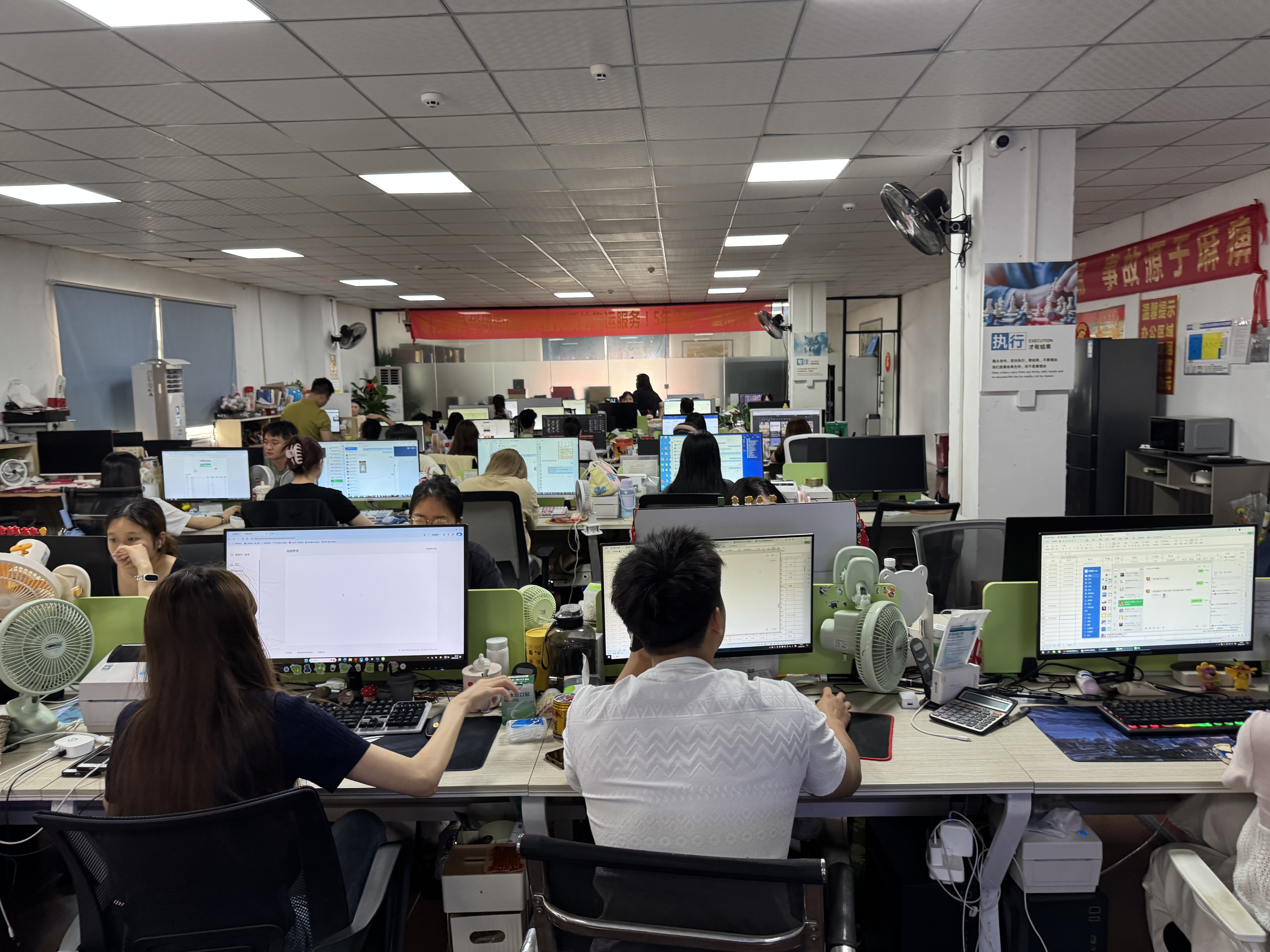
1. Intense Competition The market for Canadian ocean freight forwarding in 2026 is highly competitive. There are many players in the market, including large international logistics companies and local forwarders. To stand out, forwarders need to offer high - quality services at competitive prices. For example, some forwarders may offer additional services like door - to - door delivery, customs clearance assistance, or insurance coverage. Shengda International Logistics differentiates itself by providing personalized solutions for different customer scenarios, whether it's a small business shipping a few parcels or a large corporation moving a full container of goods.2. Market Consolidation There is also a trend of market consolidation. Smaller forwarders may merge with larger ones or form strategic alliances to gain more resources and market share. This consolidation can lead to more efficient operations and better service for customers. However, it also means that the competition for the remaining independent forwarders will become even tougher.
FAQ: How can a small - scale forwarder compete in this market? A small - scale forwarder can focus on niche markets or provide specialized services. For example, they can target a specific industry or type of goods. At Shengda International Logistics, although we are a well - established player, we also understand the importance of niche markets. We have different service packages for various industries, which allows us to meet the specific needs of our customers.
V. Environmental and Sustainability Pressures
1. Green Shipping Initiatives In 2026, there is a growing emphasis on environmental protection and sustainability in the shipping industry. Canadian ocean freight forwarders are under pressure to promote green shipping. This includes encouraging the use of low - carbon fuel, reducing emissions during port operations, and improving energy efficiency on vessels. Some forwarders are also investing in research and development of new technologies that can make the shipping process more environmentally friendly.2. Customer Demand for Sustainable Shipping Customers are increasingly demanding sustainable shipping options. Large retailers in Canada, for example, are more likely to choose freight forwarders who can provide eco - friendly shipping solutions for their products from China. This trend forces forwarders to re - evaluate their business models and incorporate sustainable practices into their operations.
FAQ: How can ocean freight forwarders achieve green shipping? Forwarders can achieve green shipping in several ways. They can choose shipping lines that use low - carbon fuel or have more energy - efficient vessels. They can also optimize the shipping routes to reduce the overall mileage and emissions. At Shengda International Logistics, we are committed to environmental protection and have been working closely with our partners to implement green shipping initiatives.
In conclusion, the scenarios for Canadian ocean freight forwarders in 2026 are complex and diverse. Forwarders need to be well - informed, adaptable, and innovative to thrive in this changing environment. Whether it's dealing with trade growth, policy changes, technological advancements, competition, or environmental pressures, those who can quickly adjust their strategies will be the ones who succeed in the long run.
