

I. Introduction
Hey there, Aussie small business owners, importers, and e - commerce sellers! You might be thinking about container shipping for your cross - border needs between China and Australia in 2026. But did you know that many migrants and businesses have faced all sorts of headaches during the shipping process? I remember a client back in 2024 who was migrating and shipping a container full of family heirlooms and furniture from China to Sydney. They thought it would be a smooth process, but instead, they ran into multiple problems. This is why I'm here to share some crucial insights.
II. 2026 Policy Changes in Australia
In 2026, there have been notable changes in Australian policies that directly impact container shipping from China. The Australian Border Force (ABF) has tightened its biosecurity regulations. Now, they're more vigilant about the potential pest and disease risks associated with incoming goods. For instance, wooden furniture and other wooden items in containers need to have proper fumigation certificates. A slight oversight in this area can lead to significant delays.
The Department of Agriculture, Fisheries and Forestry (DAFF) also made adjustments to its customs valuation processes. This means that accurately calculating the value of the goods in your container is more crucial than ever. Incorrect valuation can result in either over - paying or under - paying duties, both of which can lead to headaches down the line.
III. Key Steps for Container Shipping (Core Section: 40% of the Text)
1. Pre - shipment Preparation
The first step is to accurately pack your container. I've seen cases where improper packing led to damages during transit. For migrants, if you're shipping furniture, make sure to use bubble wrap and sturdy moving blankets. Also, your goods should have clear and detailed labeling. This helps customs officials quickly identify what's inside and speeds up the clearance process.
You'll need to obtain the necessary documents. This includes the Bill of Lading, which serves as a contract between you and the shipping company, and the commercial invoice, which details the value and description of the goods. Getting these documents right is super important, as any error can cause customs to hold up your container.
2. Choosing a Shipping Company
There are plenty of shipping companies out there, but not all are created equal. When I worked on a project for a 3C electronics seller in Melbourne, they initially chose a budget shipping company. Big mistake! The company had frequent delays and poor communication. The final outcome was that the seller missed some key sales deadlines.
I recommend looking for a company with a good track record. You can check online reviews and ask for referrals from other businesses. Also, consider their handling of special requirements. For example, if you're shipping sensitive electronic equipment, you'll want a company that has experience in handling such items.
3. Container Loading and Shipping
During the loading process, make sure the container is evenly loaded. Uneven loading can lead to instability during transit and increase the risk of damage. Once the container is loaded, it's on its way to one of the Australian ports, such as Port Botany or Port of Melbourne. The shipping time usually takes around 18 - 22 days, but this can vary depending on factors like weather and shipping lane congestion.
4. Customs Clearance
This is where many people run into problems. The ABF and DAFF will inspect your container based on the new 2026 policies. You need to be prepared for potential inspections. If you've shipped any agricultural products, they'll be subject to strict biosecurity checks. Make sure you have all the necessary permits and declarations.
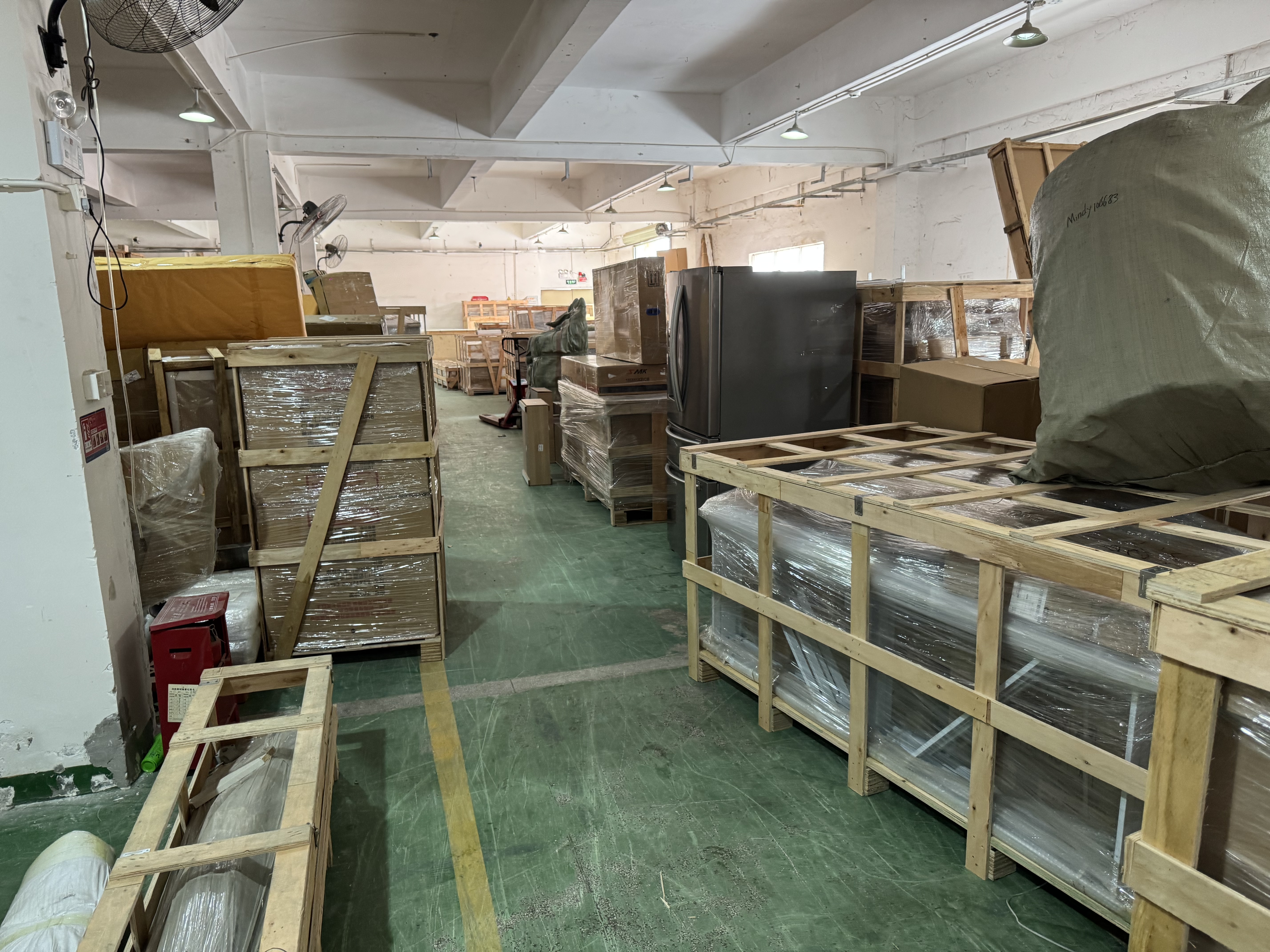
If your container gets held up in customs, it can cost you both time and money. I've seen containers held for up to two weeks due to incomplete documentation or non - compliance with biosecurity regulations. So, it's crucial to get everything right from the start.
5. Post - arrival Delivery
Once your container has cleared customs, it's time for delivery. If you're a migrant, you'll want the container delivered to your new home. If you're a business, it'll likely go to your warehouse. Choose a reliable delivery service. Some shipping companies offer door - to - door services, which can be very convenient.
IV. Cost Breakdown
The cost of shipping a container from China to Australia involves several elements. Firstly, there's the freight cost, which depends on the size of the container (20GP, 40GP, or 40HQ) and current market rates. On average, a 20GP container can cost around $2,500 - $3,000 USD, while a 40GP might be in the range of $3,500 - $4,500 USD.
Then, there are the customs duties and taxes. This can vary widely depending on the type and value of the goods in the container. For example, luxury goods will usually attract higher duties.
You'll also need to factor in additional costs like terminal handling charges, documentation fees, and insurance. Insurance is vital as it protects your goods in case of damage or loss during transit.
V. Tips and Tricks
Plan Ahead: Don't leave everything to the last minute. Consider the shipping time and potential customs clearance delays when planning your shipments.Use a Reputable Freight Forwarder: A good freight forwarder can help you navigate the complex shipping and customs processes. I once worked with a forwarder who was familiar with the 2026 policies and was able to get a client's container through customs smoothly.
Insure Your Goods: It might seem like an extra cost, but it can save you a fortune in case something goes wrong during transit.
VI. FAQ
What if my container gets held up in customs? Well, it can be a real pain. First, find out the reason for the hold - up. It could be due to incomplete documentation or biosecurity concerns. If it's a documentation issue, provide the necessary documents as soon as possible. If it's a biosecurity matter, you might need to cooperate with the authorities to address the problem. It can take some time, but working with a freight forwarder like Shengda International Logistics can help speed up the process.
How do I choose the right container size for my needs? If you're a migrant with a moderate amount of furniture and personal belongings, a 20GP might be sufficient. But if you have a large house full of furniture or if you're a business shipping a large quantity of goods, a 40GP or 40HQ would be more appropriate. Measure your items and get an estimate of the total volume to help you make the decision.
Is it necessary to use a shipping agent? It's not strictly necessary, but it can be very beneficial. A shipping agent has the knowledge and experience to handle all aspects of the shipping process, from documentation to customs clearance. They can also help you navigate the new 2026 policies and avoid common pitfalls.
What are the main biosecurity risks when shipping from China to Australia? Common biosecurity risks include pests, diseases, and invasive plant species. Wooden items, soil - on plants, and some food products are particularly high - risk. Make sure all your items are properly treated and documented to meet the Australian biosecurity requirements.
Can I track my container during transit? Most shipping companies offer container tracking services. You can usually track your container's location using a tracking number provided by the shipping company. This gives you peace of mind and helps you plan for the arrival of your goods.
So, there you have it! With these insights, you should be better prepared for using containers in China - Australia cross - border logistics in 2026. Good luck with your shipments!
