

I. Introduction
You're a furniture importer eyeing the Canadian market. Maybe you're excited about the potential, but you're also frazzled by the thought of all the red - tape and potential pitfalls with container shipping in 2026. I've been in the cross - border shipping game for years, and I once had a client in 2024 who tried to ship a large batch of handmade furniture to Toronto without proper preparation. They faced unexpected delays and hefty fines. So, let's cut through the chaos and get you set up for a smooth shipping journey.
II. New Policies and Regulations in 2026
Canada's border regulations are constantly evolving, and in 2026, there are some important updates. The Canadian Border Services Agency (CBSA) has tightened rules on wood - sourced furniture to prevent the entry of pests and diseases. For instance, all wooden furniture must now have a valid phytosanitary certificate, which proves that the wood has been treated and is free from harmful organisms. Previously, this was only strongly recommended, but now it's mandatory.
Another change is in the eManifest system. The CBSA requires more detailed information to be submitted earlier. You'll need to provide accurate descriptions of the furniture, including the type of wood, finish, and dimensions. Failing to do so can result in your shipment being held at the border, which can be costly.
III. Shipping Methods and Considerations
Full Container Load (FCL) If you're shipping a large volume of furniture, FCL is your best bet. You have the whole container to yourself, which means your furniture is less likely to get damaged during transit. For example, a trade factory shipping 30 - 40 pieces of large - scale dining sets and sofas to Vancouver would benefit from FCL. The cost of FCL can vary depending on factors like container size and shipping route, but it generally offers more security for your goods.However, FCL also has its drawbacks. It requires a significant upfront investment, as you're paying for the entire container regardless of how much of it you use. Also, the shipping time can be a bit longer due to the waiting time for the container to be fully loaded and unloaded.
Less than Container Load (LCL) LCL is more suitable for small - to - medium - sized furniture importers. You'll share the container space with other shippers, which significantly reduces the cost. For a home goods seller in Calgary who wants to test the market with a small shipment of unique coffee tables, LCL would be a practical choice.
But there are risks with LCL. Your furniture is more likely to be damaged because it's moved around more during the loading and unloading process. Also, there can be delays if the other shippers' goods are not ready on time.
IV. Step - by - Step Shipping Process
Pre - shipment Preparation First, you need to get your documentation in order. This includes the commercial invoice, packing list, and the phytosanitary certificate (if applicable). Make sure all information is accurate and matches the details on the eManifest.Next, choose the right packing materials. For furniture, you'll want to use sturdy boxes, bubble wrap, and corner protectors. If you're shipping delicate items like glass - top tables, extra padding and shock - absorbing materials are essential.
Booking and Loading Once your furniture is packed, it's time to book your shipping space. If you're using FCL, book with a reliable shipping line. For LCL, work with a freight forwarder who can handle the consolidation.
At the port, the container will be loaded. For FCL, it's usually a straightforward process. But for LCL, the freight forwarder will ensure that your furniture is properly placed and secured in the shared container.
Transit and Tracking The shipping time can vary from 14 days to 30 days depending on the route and shipping method. During transit, you can track your shipment using the tracking number provided by the shipping line or freight forwarder. This gives you peace of mind and allows you to plan for the arrival of your furniture.
Customs Clearance in Canada When your furniture arrives in Canada, it will go through customs clearance. The CBSA will review your documentation and may conduct inspections. If everything is in order, your furniture will be released. However, if there are issues, like incorrect documentation or non - compliant furniture, it can be held at the border.
V. Cost Breakdown
Shipping Costs FCL costs can range from $2,000 to $5,000 depending on the container size and shipping route. For example, shipping a 20 - foot container from Shanghai to Montreal might cost around $2,500 in 2026.LCL costs are calculated based on the volume of your shipment. It usually costs around $100 to $200 per cubic meter.
Customs Duties and Taxes The amount of customs duties and taxes you'll pay depends on the value of your furniture and the applicable tariff rates. You can use the CBSA's tariff database to estimate these costs. On average, you might expect to pay around 5% - 15% of the furniture's value in duties and taxes.
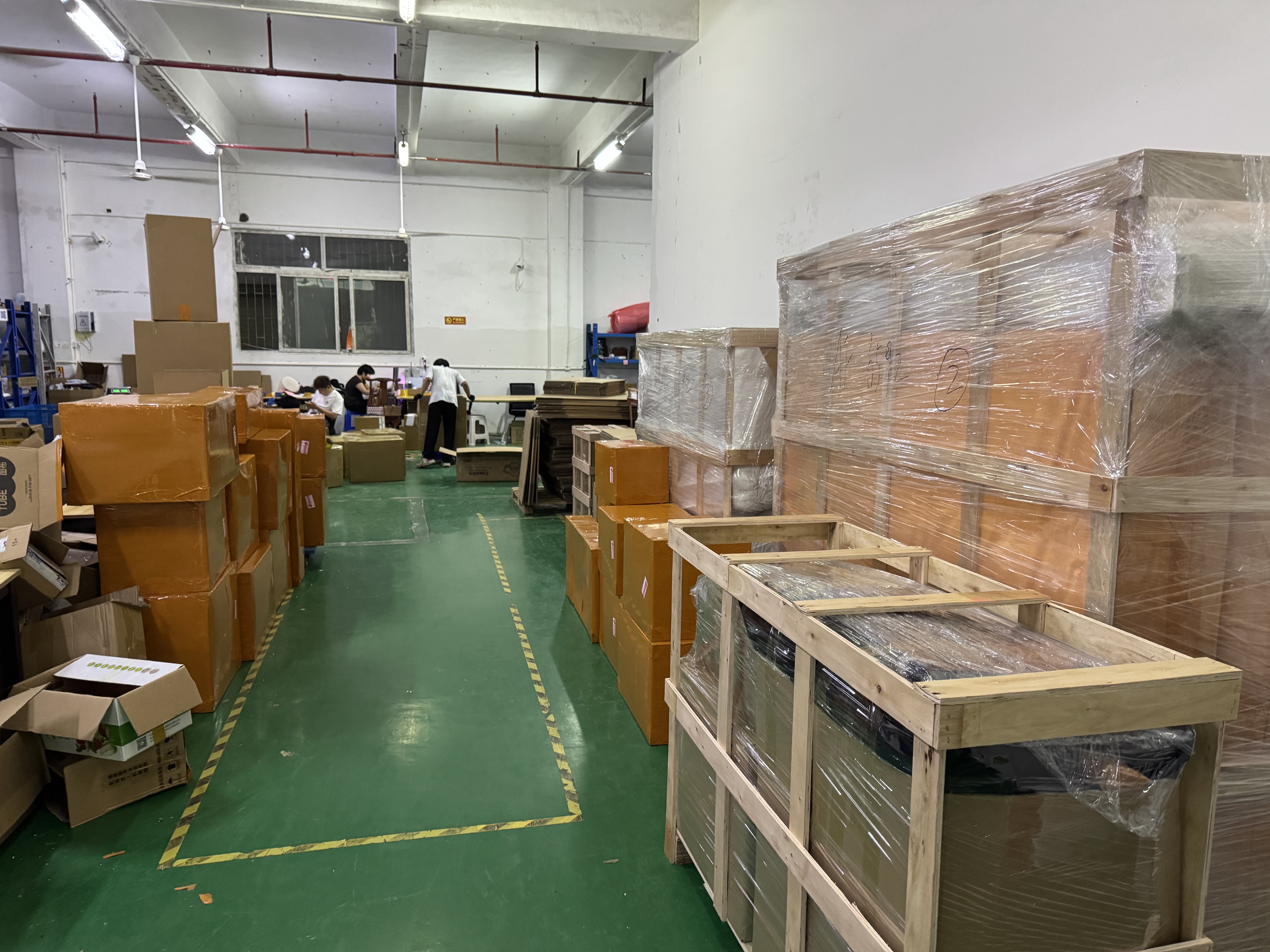
Other Costs There are also other costs like terminal handling charges, documentation fees, and insurance. Terminal handling charges can be around $100 - $200 per container, and documentation fees might cost $50 - $100. Insurance is recommended to protect your furniture during transit and can cost around 1% - 3% of the value of your shipment.
VI. FAQ
What if my furniture has a high moisture content? Will it pass the phytosanitary inspection? High moisture content can be a problem as it may promote the growth of fungi and attract pests. It's important to ensure that your furniture is properly dried before shipping. If it has a high moisture content, it may need to be treated again, which can cause delays. You should aim for a moisture content of around 12% - 18% for most types of wood.Can I ship second - hand furniture to Canada? Yes, you can, but there are additional requirements. The furniture must be clean and free of pests and dirt. You may also need to provide a purchase receipt or proof of origin to show that it's not a counterfeit or stolen item.
How do I choose a reliable shipping line or freight forwarder? Look for companies with a good reputation. You can check online reviews and ask for recommendations from other importers. A reliable company should have experience in shipping furniture to Canada and be able to handle the new 2026 regulations. Also, make sure they offer tracking services and have good customer support.
What happens if my furniture is damaged during transit? If you've purchased insurance, you can file a claim. The insurance company will assess the damage and provide compensation according to the terms of your policy. However, it's important to document the damage as soon as possible, preferably before accepting the delivery. Take pictures and get a written report from the shipping company or courier.
Are there any restrictions on the type of wood I can use for furniture shipped to Canada? Some types of wood are restricted due to environmental concerns or the risk of introducing pests. For example, wood from endangered species is strictly prohibited. You should check the list of restricted woods with the Canadian Food Inspection Agency (CFIA) before shipping.
