

I. Introduction
Moving to Canada from overseas with your household items is a significant undertaking. In 2026, there have been some notable changes in the policies and processes of Canada Border Services Agency (CBSA) and Canadian Food Inspection Agency (CFIA). I've seen many people struggle with this process, often facing delays, unexpected costs, or even having their items seized. Let me share my hands - on experience and guide you through this complex process.
II. Pre - move Preparation
1. Inventory and Valuation
When I first handled an overseas household removal case back in 2018, the client underestimated the importance of a detailed inventory. Create a comprehensive list of all your household items, including description, quantity, age, and value. This will not only help with customs clearance but also assist in case of any insurance claims. For customs purposes, CBSA uses a valuation method to determine the duty applicable. According to the customs rules, a proper valuation of your goods is crucial, and it should be based on the actual cost or a reasonable estimate if the item was a gift. Don't forget to include the value of any new items you've purchased before the move.
2. Documentation
Gather all necessary documents well in advance. You'll need a copy of your passport, proof of residency in Canada (such as a Canada PR card or work permit), and a detailed inventory list. If you're moving furniture with wood parts, you'll also need a certificate of wood treatment, stating that the wood has been properly treated to prevent the spread of pests. This is part of the stricter regulations from the CFIA in 2026 to ensure the bio - security of Canada.
III. Shipping Options (Deep - Dive Section, 40% of the Text)
1. Sea Freight
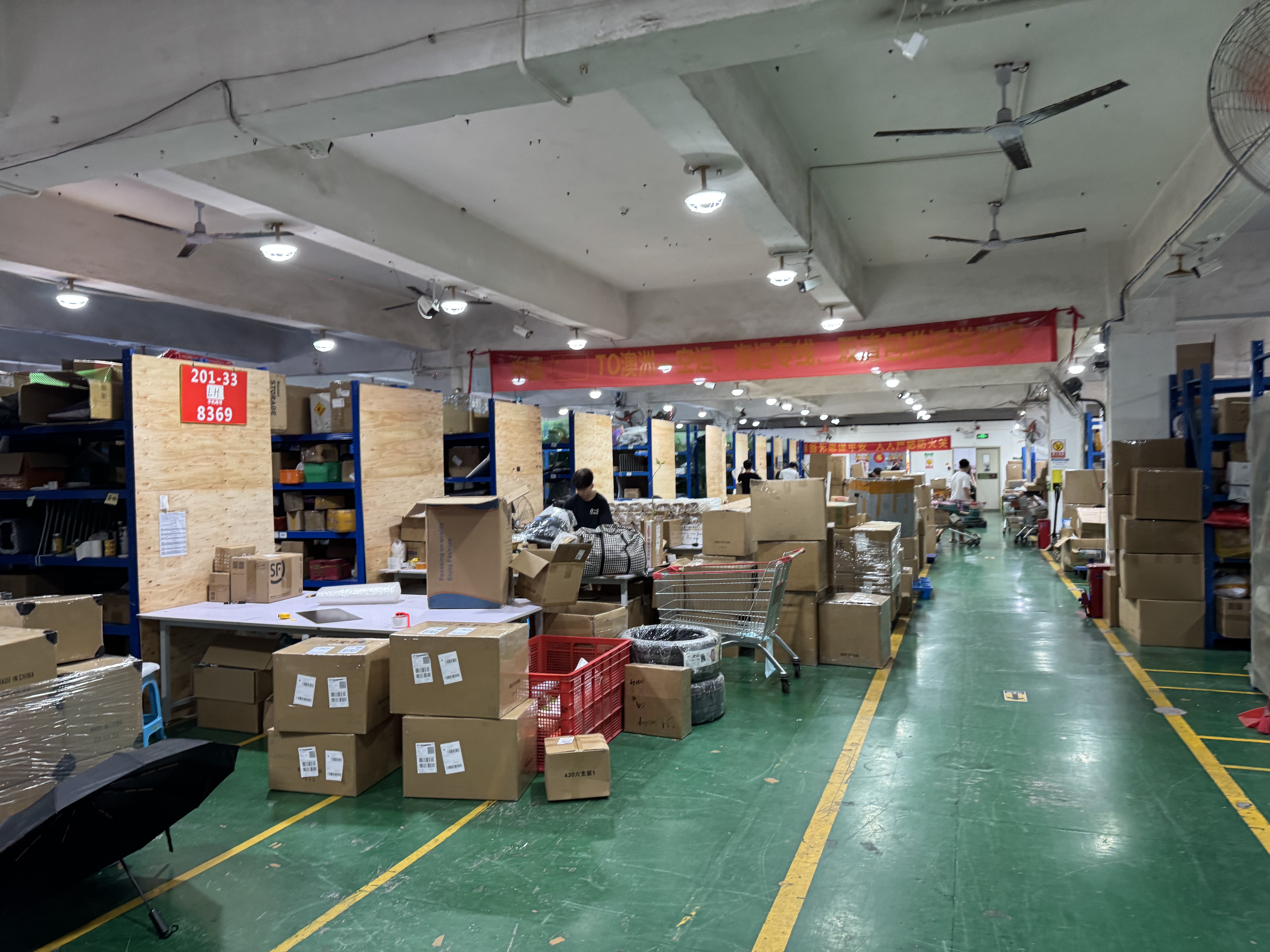
Most people choose sea freight for overseas household removal because it's more cost - effective for large volumes. There are two main options: Full Container Load (FCL) and Less than Container Load (LCL).
FCL: If you have a large amount of goods that can fill a 20 - foot or 40 - foot container, FCL is a good choice. For example, a client of mine in 2025 was an apparel importer moving his entire business along with his household items from China to Vancouver. He used a 40 - foot FCL container. The advantage of FCL is that your goods are not mixed with others, reducing the risk of damage. However, it can be more expensive if you don't have enough items to fully utilize the container space. The shipping time for FCL from China to Canada is usually around 25 - 35 days, depending on the port of departure and arrival.
LCL: If you have a smaller amount of goods, LCL allows you to share a container with other shippers. I had a client in 2024, a home goods seller moving to Toronto. He only had a few pieces of furniture and some personal items, so LCL was the right option for him. The cost of LCL is calculated based on the volume of your goods. But there are some drawbacks. Since your goods are shared in a container, there's a higher risk of damage and longer transit times, usually around 35 - 45 days.
2. Air Freight
Air freight is much faster but also significantly more expensive. It's suitable for those who need their items urgently or have high - value, light - weight goods. For instance, if you have some valuable 3C electronics that you can't afford to be without during the move, air freight might be the way to go. The shipping time for air freight from China to Canada is usually within 3 - 7 days, but the cost can be 3 - 5 times higher than sea freight.
IV. Customs Clearance
1. Duties and Taxes
CBSA assesses duties and taxes on imported goods. There are exemptions for personal household goods, but it depends on your situation. If you're a new resident of Canada, you may be eligible for duty - free import of your personal and household effects. However, if you've owned certain items for less than a year or if they're considered luxury items, duties may apply. It's best to consult with a customs broker or check the CBSA website for the latest information.
2. Inspection
There's always a chance that your goods will be inspected by customs. In 2026, the CFIA has tightened the inspection for food, plants, and wooden items. If you have any food items in your shipment, make sure they comply with the Canadian food safety regulations. Also, wooden items may be subject to a more thorough inspection to check for pests or diseases.
V. Unloading and Settling In
Once your goods arrive at the destination port, they'll be transferred to the inland transportation, which can be a truck or a train. It's important to arrange for a reliable moving company at the Canadian end to help with the unloading and delivery to your new home.
When the goods arrive at your home, check them carefully for any damage. If there are any issues, immediately contact your shipping company and insurance provider. Keep in mind that the insurance terms and conditions vary, so make sure you understand what's covered before the move.
VI. FAQ
1. How can I ensure my wooden furniture gets through customs smoothly?
Make sure your wooden furniture has a valid certificate of wood treatment, indicating that it has been treated to meet Canadian standards. This will reduce the chances of it being detained during inspection. Also, include detailed information about the wood type and origin in your inventory list.
2. What if I have some food items in my shipment?
Check the Canadian Food Inspection Agency's regulations before shipping. Some food items may be restricted or prohibited. If they're allowed, declare them accurately on your inventory list. It's best to avoid sending perishable food items as they may not survive the long - distance journey and could be a source of problems during inspection.
3. Is it necessary to hire a customs broker?
While it's not mandatory, hiring a customs broker can save you a lot of time and hassle. They're familiar with the customs procedures and can help you ensure that all your documentation is in order. They can also assist in dealing with any issues that may arise during customs clearance, such as unexpected duties or inspections.
4. Can I track my shipment?
Most shipping companies offer tracking services. You can usually track the progress of your shipment through their online portals. This gives you an idea of when your goods will arrive and allows you to plan for the unloading and delivery accordingly.
5. What should I do if my goods are damaged during transit?
Contact your shipping company immediately and report the damage. They'll guide you through the insurance claim process. Make sure you have a detailed inventory list and photos of the goods before shipping, as this will be useful for the claim. Also, keep all the relevant documents, such as the shipping contract and the bill of lading.
