

Shipping large goods via air to Australia is a concern for many businesses and individuals. The year 2026 is just around the corner, and several factors might bring changes to this process according to different scenarios. Let's take a closer look at various aspects.
I. Impact of Policy Changes
1. Trade Policies in 2026 China - Australia Trade Routes
In 2026, China - Australia trade policies could become more favorable. For instance, new free - trade agreement provisions may reduce certain tariffs on large - scale goods. A furniture manufacturer shipping large amounts of wooden furniture might have to only pay a 10% tariff instead of the previous 15% due to such policy adjustments.
On the Australian side, customs clearance policies could be updated. They might introduce faster clearance procedures for specific categories of large goods like high - tech machinery. This would reduce the time these goods spend at the airport, improving the overall shipping efficiency.
2. Environmental Policies
With a growing global focus on environmental protection, Australia may implement stricter environmental policies for air freight. Airlines might be required to use more fuel - efficient aircraft for large - goods transportation. This could increase the operating costs of airlines, which might then be passed on to shippers. For example, a shipping company that used to pay $10,000 for a large - goods air shipment to Australia may see a 15% increase in cost in 2026 due to these environmental requirements.
II. Technological Advancements
1. Aircraft Design
In 2026, new aircraft designs could revolutionize large - goods air freight to Australia. Larger cargo holds with more efficient loading and unloading systems could reduce handling time. For example, a new type of aircraft might be able to load large construction machinery in half the time compared to current aircraft. This would not only speed up the shipping process but also potentially reduce costs associated with long - term airport storage.
2. Tracking Technology
Advanced tracking technology will provide real - time information about the location and condition of large goods during transit. Shippers will be able to monitor temperature, humidity, and shock levels for specialized goods like electronics or pharmaceuticals. This enhanced visibility will give shippers more confidence in the safety of their large - value goods.
III. Market Demand Scenarios
1. High - Demand Scenarios
If there is a sudden surge in demand for large - scale consumer goods like home appliances in Australia in 2026, the air freight market will face pressure. Airlines may increase their fares due to high demand. A shipping company that usually ships large - screen TVs to Australia may find that the air freight cost per unit has increased by 20% during a high - demand period. Shippers may also need to book their shipments well in advance to secure space on flights.
2. Low - Demand Scenarios
Conversely, in a low - demand scenario, airlines may offer more competitive prices to attract shippers. For example, during a period of economic slowdown in Australia, when the demand for large machinery from China decreases, airlines may offer discounts of up to 30% on air freight rates. This could be an opportunity for shippers to save costs.
IV. Competition Among Shipping Providers
1. Domestic and International Airlines
In 2026, both domestic and international airlines will be competing for large - goods air freight business to Australia. International airlines may have more extensive flight networks, while domestic carriers may offer more personalized services. For example, a well - known international airline might focus on long - haul, large - volume shipments, while a local carrier could specialize in delivering large, time - sensitive goods to remote areas in Australia.
2. Third - Party Logistics Providers
Third - party logistics providers (3PLs) will also play a significant role. They can aggregate shipments from multiple shippers, getting better deals from airlines. A 3PL might be able to negotiate a 15% lower air freight rate for a group of small - and medium - sized businesses shipping large goods to Australia compared to what these businesses could get on their own.
How Can You Cope with These Changes? FAQs
1. How can I stay updated on the new policies in 2026?
You can rely on professional logistics companies like Shengda International Logistics. They have a dedicated team that keeps a close eye on policy changes. Their experienced staff has in - depth knowledge of the China - Australia trade routes and can provide you with timely information about any policy updates, helping you avoid any potential risks associated with new regulations.
2. Will the technological advancements add to my shipping costs?
It depends. While in the short - term, some new technologies might increase costs. In the long - run, they can improve efficiency and reduce overall costs. For example, advanced tracking technology can prevent losses due to damaged goods or lost shipments. Shengda International Logistics always considers cost - effectiveness when leveraging new technologies, ensuring that you get the best value for your money.
3. Should I book in advance in a high - demand scenario?
Definitely. In a high - demand scenario, spaces on flights are limited. By booking in advance with a reliable logistics partner like Shengda International Logistics, you can secure your shipping slot and avoid last - minute price hikes. They have a good relationship with airlines and can help you get the best available schedules.
4. Can 3PLs really help me save money?
Yes, they can. Third - party logistics providers like Shengda International Logistics have the ability to group shipments. This gives them more bargaining power with airlines, resulting in lower rates for you. Their vast experience in aggregating shipping volumes can translate into significant cost savings for your large - goods air freight to Australia.
5. How do I choose the right air freight option in 2026 considering all these changes?
This is where Shengda International Logistics comes in handy. They can analyze your specific needs based on the type of large goods, delivery time requirements, and your budget. Their personalized service and in - depth knowledge of the market will help you select the most suitable air freight option in the changing landscape of 2026.
And This is Where Shengda International Logistics Shines
Shengda International Logistics has been a trusted name in the international shipping industry. With its 40 - plus professional team members, each having over 10 years of experience in the field, the company knows every ins and outs of the China - Australia shipping route.
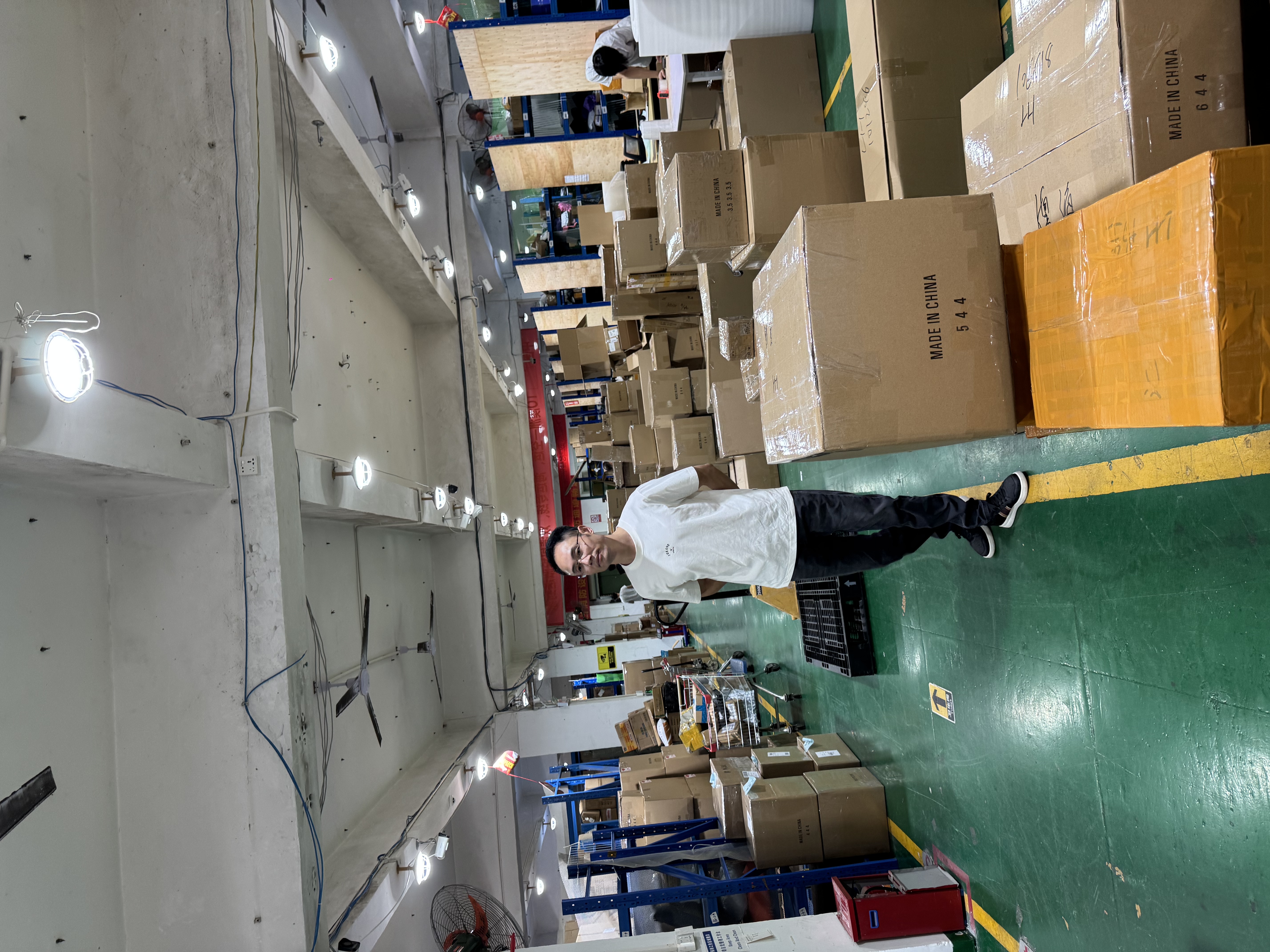
It has a 35,000 - square - meter standardized self - operated warehouse in Shenzhen, ensuring the safety and proper handling of your large goods. The company offers a wide range of services tailored to different scenarios. Whether it's high - demand peak seasons or low - demand periods, they have flexible solutions.
In terms of compliance, Shengda International Logistics is well - versed in the latest customs and trade policies in 2026. They can handle all the paperwork and ensure smooth customs clearance for your large - goods air shipments.
The company also keeps up with technological advancements. Their self - developed logistics system provides real - time tracking of your goods, so you can be at ease knowing where your large goods are at all times during the entire air freight process.
Regardless of how the 2026 air freight scenarios for large goods to Australia change, Shengda International Logistics is well - prepared to meet your shipping needs and offer you a seamless experience.
