

I. Introduction
Shipping furniture from China to Sydney can be a complex process, especially with the new regulations in 2026. I've seen many Australian small business owners, importers, and e - commerce sellers make mistakes that end up costing them a lot of time and money. For example, a client in 2024 shipped a container of furniture to Sydney. Due to improper documentation, the shipment was held at the Port Botany for weeks, and they had to pay hefty storage fees. In 2026, with stricter biosecurity and customs policies, such issues can be more prevalent.
II. Common Pitfalls and Their Consequences
Documentation Errors Documentation is the backbone of international shipping. Incorrect or incomplete documents can lead to major delays and even fines. For instance, if the bill of lading has wrong dimensions of the furniture pieces, the customs may question the accuracy of the entire shipment. The Australian Border Force (ABF) is very strict about proper documentation in 2026. One apparel importer I knew made an error in declaring the wood type used in the furniture frames. This led to a detailed inspection by the Department of Agriculture, Fisheries and Forestry (DAFF), causing a delay of nearly 16 days.Biosecurity Issues Australia has some of the strictest biosecurity regulations in the world. Any wood in the furniture must be properly treated to prevent the introduction of pests and diseases. Unprocessed or untreated wood can be seized and destroyed. A 3C electronics seller, who also shipped some furniture for their office, didn't realize that the wooden pallets used were not fumigated. As a result, the entire shipment was quarantined at the Port of Melbourne, and they had to arrange for immediate fumigation at their own cost.
Incorrect Shipping Method Selection Choosing the wrong shipping method can lead to increased costs and longer transit times. For small - volume furniture shipments, an FCL (Full Container Load) might not be cost - effective, while LCL (Less than Container Load) can be slower. An apparel importer once chose FCL for a small order of custom - made furniture. They ended up paying for a whole container when they could have saved money with LCL.
III. How to Avoid These Pitfalls: Practical Solutions (Detailed Expansion - 40% of the Article)
Documentation Best Practices Pre - Shipment Verification: Before sending the furniture, review all documents thoroughly. This includes the commercial invoice, bill of lading, packing list, and any certificates related to the furniture's origin and treatment. Ensure that the product descriptions are accurate and match the actual goods. For example, if the furniture has any inlays or special features, they should be clearly stated.Seek Professional Help: Hiring a customs broker or freight forwarder with experience in the China - Australia route can be a game - changer. They can handle all the documentation requirements and ensure compliance with the 2026 regulations. A home goods seller I worked with hired a customs broker. The broker knew exactly what certificates were required for the wooden furniture, such as the Phytosanitary Certificate, and helped in getting them in a timely manner.
Biosecurity Compliance Proper Treatment of Wood: All wood used in the furniture or its packaging must be heat - treated or fumigated. Make sure to obtain the necessary treatment certificates. When shipping a batch of antique - style furniture to Sydney last year, we ensured that the wooden frames were heat - treated at a certified facility. This helped in a smooth clearance at the customs.
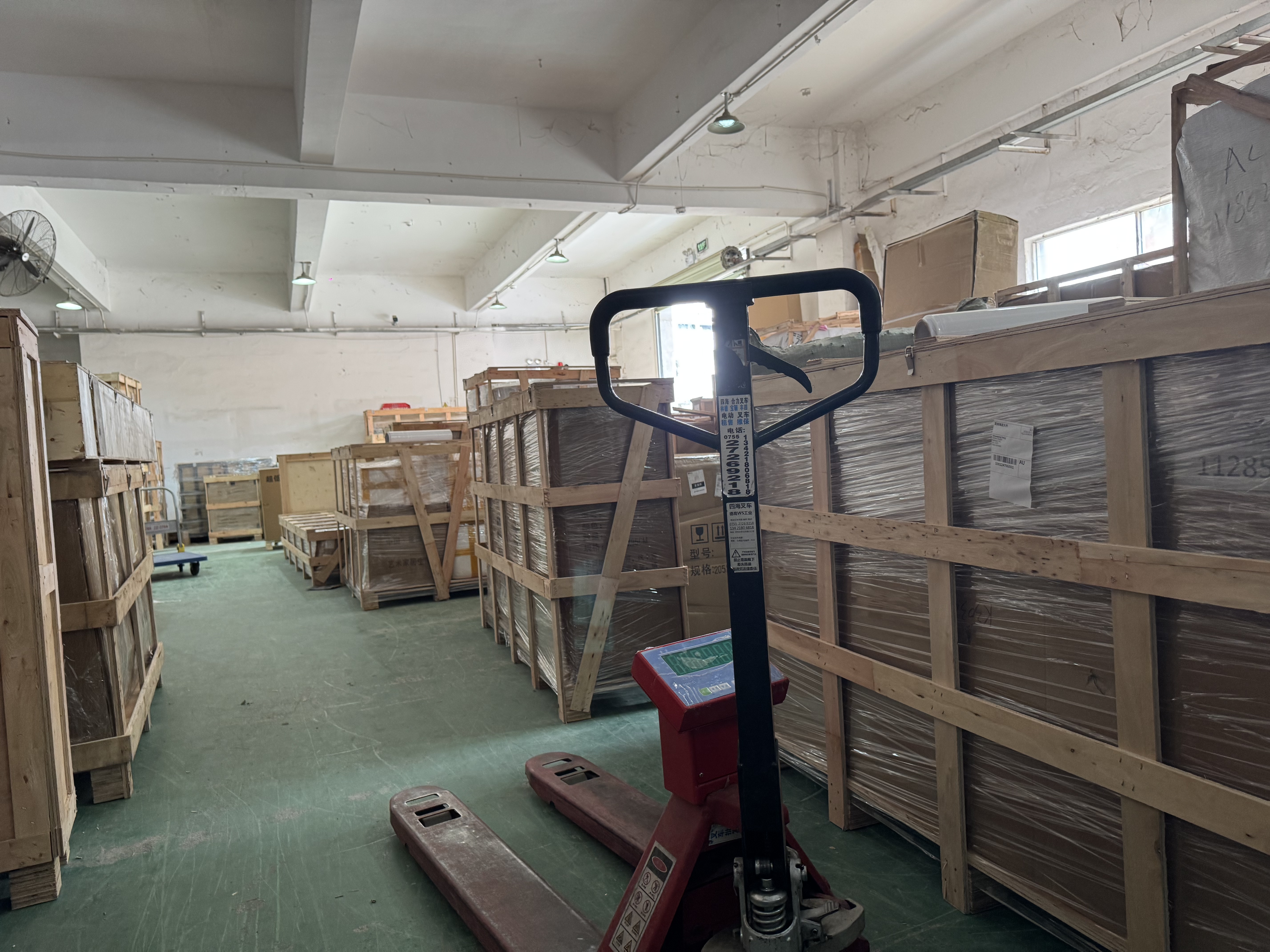
Shipping Method Selection Volume Assessment: Calculate the volume of your furniture shipment accurately. If it's less than 20 cubic meters, LCL might be a better option. For larger volumes, FCL can offer better security and potentially faster transit times. A trade factory that regularly ships large quantities of furniture always opts for FCL to ensure the safety of their products.
Service Comparison: Compare different shipping lines and their services. Some might offer better rates for specific routes or have more reliable schedules. Before choosing a shipping line for a new furniture shipment, I always check online reviews and industry ratings to get an idea of their performance.
IV. Cost Considerations
Freight Costs Freight costs depend on various factors such as the shipping method, volume, and distance. In general, LCL costs are calculated based on the volume of the goods, while FCL costs are for the whole container. For example, shipping a 20GP container of furniture from a Chinese port to Sydney might cost around AUD 3,500 - AUD 4,200, depending on the season and market conditions.Hidden Costs Be aware of hidden costs such as storage fees, terminal handling charges, and customs clearance fees. A delay in customs clearance can lead to significant storage fees at the port. An importer once had to pay over AUD 1,200 in storage fees because their shipment was held up due to documentation issues.
V. FAQ
Q: Can I ship used furniture to Sydney in 2026? A: Yes, you can, but it must meet the biosecurity and customs requirements. The furniture should be clean and free from pests and diseases. You'll need to provide proper documentation about the furniture's origin and condition. At [盛达国际物流], we've helped many clients ship used furniture, and we ensure all the necessary procedures are followed.Q: How long does it usually take to ship furniture from China to Sydney? A: It depends on the shipping method. For FCL, it can take roughly 14 - 21 days, while LCL might take 21 - 30 days. However, these are estimates and can be affected by factors like weather, port congestion, and customs clearance.
Q: What if my furniture is damaged during shipping? A: Most shipping companies offer insurance options. It's important to purchase insurance to cover potential damage. At [盛达国际物流], we have a standard claims process for damaged goods. We'll work with you to assess the damage and get you a fair compensation.
Q: Are there any restrictions on the type of wood used in the furniture? A: Yes, Australia has restrictions on certain types of wood, especially if they are prone to pests. Hardwoods are generally more acceptable, but all wood must be treated and meet the biosecurity standards. You need to provide a certificate stating the type of wood and its treatment.
Q: Can I handle the shipping and customs clearance process myself? A: You can, but it's very complex, especially with the 2026 regulations. A small mistake can lead to big problems. Hiring a professional freight forwarder or customs broker is highly recommended to ensure a smooth process.
