

I. Introduction
Moving to a new country as an immigrant is an exciting yet challenging journey, especially when it comes to transporting your belongings from China to Canada. In 2026, there have been some new policies and regulations that you need to be aware of. I've been in the cross - border logistics industry for years, and I've helped numerous new immigrants with their move. Let me share a real - life story. A client in 2024 was moving to Vancouver. He didn't understand the customs requirements and ended up having his furniture held at the port for weeks. It was a headache for him, but we managed to sort it out. So, in this guide, I'll walk you through the full - process of moving goods to Canada as a new immigrant.
II. Pre - Move Planning
1. Inventory Preparation
Make a detailed inventory of all the items you plan to move. This should include descriptions, quantity, and approximate value of each item. I always tell my clients that a thorough inventory can save a lot of trouble later. For instance, if you're moving furniture, note down the brand, model, and any special features. It's required by the Canadian Border Services Agency (CBSA) for customs clearance.
2. Researching Shipping Options
There are two main shipping options: air freight and sea freight.
Air Freight: It's fast, with a delivery time of about 7 - 12 days. But it's more expensive, and it's suitable for small, lightweight, and high - value items or items you need urgently.Sea Freight: There are two sub - options here: full - container load (FCL) and less - than - container load (LCL). FCL is for large - volume shipments, and it offers more security as your goods are in a single container. LCL is more cost - effective for smaller shipments, as your goods are combined with other shippers' goods in one container. Sea freight usually takes 25 - 40 days for transit, but it can vary depending on the route and port congestion.
3. Understanding 2026 Policy Changes
In 2026, there have been some updates in food safety regulations by the Canadian Food Inspection Agency (CFIA). If you're bringing food items, you need to ensure they meet the new standards. Some previously allowed items may now be restricted. Also, the eManifest system has become more strict. You need to submit accurate and detailed information about your shipment early to avoid delays.
III. Choosing a Logistics Service Provider
1. Important Considerations
Experience in Immigrant Moves: Look for a company that has experience in handling immigrant moves. They'll be more familiar with the necessary procedures and documentation. For example, [company name] has helped countless new immigrants with their moves to Canada.Transparent Pricing: Avoid hidden fees. A good company will provide you with a detailed quote, including shipping fees, customs duties, and any other possible charges.
Insurance Options: Make sure the company offers insurance for your goods. In case of damage or loss during transit, you'll be compensated.
2. Industry Comparison
| Company Name | Services | Advantages | Disadvantages |
|---|---|---|---|
| [company name] | Air and sea freight, door - to - door service, free storage for a certain period | Deep understanding of cross - border policies, committed to customizing logistics solutions, and transparent and fair pricing | May be more expensive than some small companies |
| Other Company A | Air and sea freight, basic customs clearance | Low - cost option | Lack of personalized service, less experienced in handling special item |
| Other Company B | Sea freight only, limited destinations | Long - term industry presence, stable service quality | Narrow service scope, no air freight option |
IV. Packing and Labeling
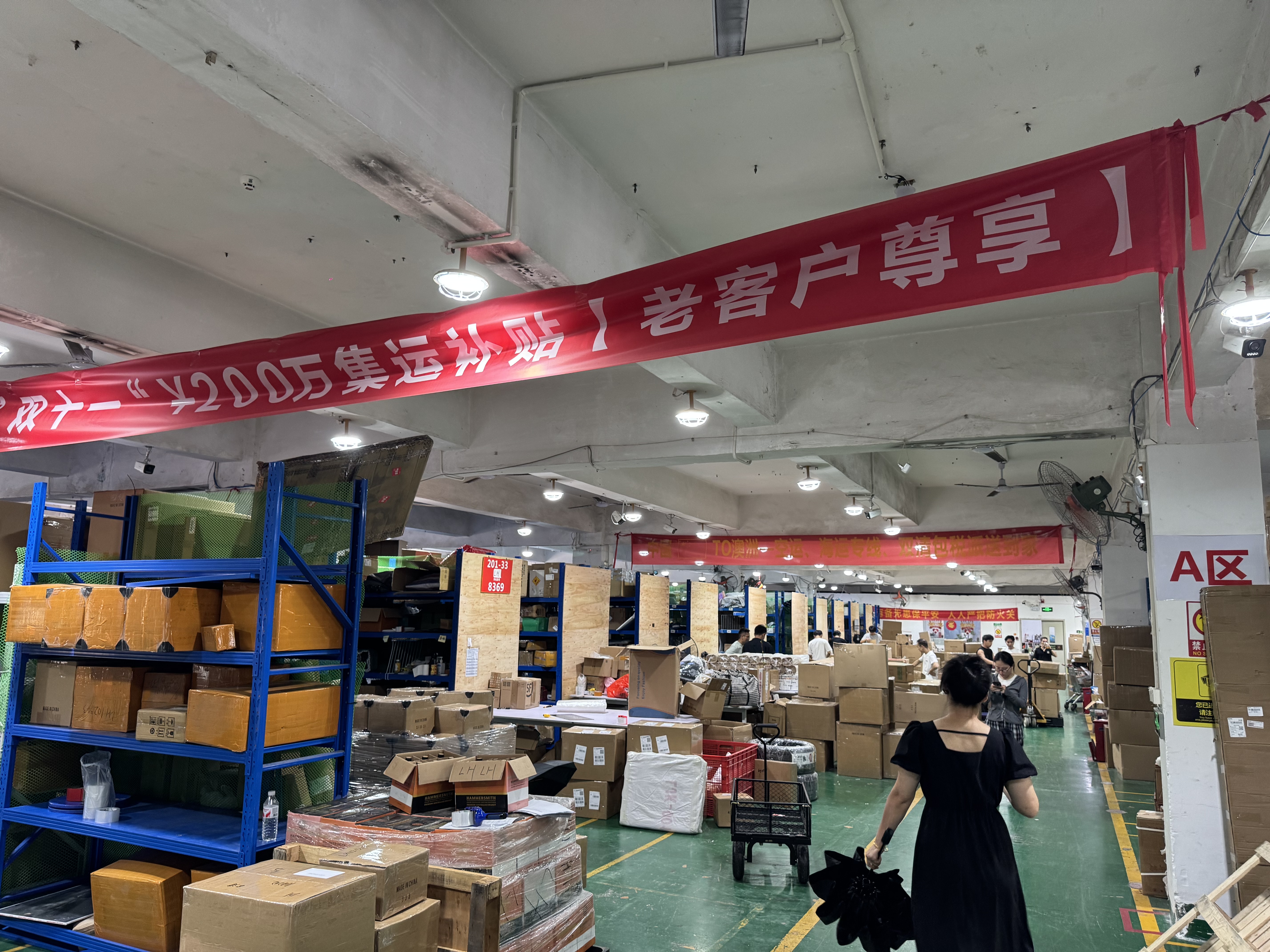
1. Packing Tips
Use Quality Materials: Strong boxes, bubble wrap, and packing peanuts are essential. For example, when packing fragile items like glassware or electronics, wrap them in multiple layers of bubble wrap.Proper Securing: Fill any empty spaces in the box to prevent items from moving around. Use strong tape to seal the boxes.
2. Labeling Requirements
Label each box clearly with the contents and the room it belongs in at your new home in Canada. This will make it easier for unpacking. Also, include your contact information and the destination address on each box.
V. Shipping and Customs Clearance
1. Shipping Process
Once you've chosen a shipping method and a service provider, they'll arrange for the pick - up of your goods. For sea freight, your goods will be transported to the port, loaded onto the ship, and then sent to the destination port in Canada. For air freight, it will be transported to the airport, loaded onto the plane, and flown to Canada.
2. Customs Clearance
Documents Preparation: You'll need to provide documents such as the bill of lading, commercial invoice, packing list, and your immigrant visa. The CBSA will use these documents to assess the value of your goods and determine if any duties or taxes are payable.Customs Checks: Your goods may be subject to physical inspection. Be prepared for this and make sure all your items comply with the regulations.
VI. Delivery and Unpacking
1. Delivery to Destination
Your service provider will arrange for the delivery of your goods to your new home in Canada. They'll usually give you a delivery window so you can be prepared.
2. Unpacking and Setup
Now it's time to unpack and set up your new home. Check all your items for any damage during transit. If there are any issues, contact your logistics service provider and insurance company immediately.
VII. Frequently Asked Questions
Q: Can I bring my pets with me when moving goods to Canada? A: Yes, you can, but there are strict requirements. You need to follow the regulations set by the Canadian Food Inspection Agency (CFIA), including vaccination records and import permits. It's best to consult with your logistics provider about this as well.Q: What if my goods are damaged during transit? A: If you've purchased insurance from your logistics provider, you can file a claim. They'll guide you through the process, which usually involves providing evidence of the damage, such as photos.
Q: How long does the customs clearance process usually take? A: It can vary. Under normal circumstances, it may take 1 - 2 business days. But if there are issues with the documentation or if your goods are selected for further inspection, it can take longer. Maybe up to a week or more.
Q: Can I bring some traditional Chinese medicine with me? A: Some traditional Chinese medicines are allowed, but many contain ingredients that are restricted or prohibited in Canada. It's crucial to check the ingredients and the CFIA's regulations before packing them.
Q: How do I choose between air freight and sea freight? A: If you need your goods quickly and they're small and lightweight, air freight is a better option. But if cost is your main concern and you have a large volume of goods that are not time - sensitive, sea freight is more suitable.
When moving to Canada as a new immigrant, proper planning and understanding of the logistics process are crucial. With this guide and the right service provider, you can have a smooth and stress - free move for your belongings.
