

I. Introduction
Hey there, Australian small business owners, importers, and e - commerce sellers! As someone with hands - on experience in the cross - border logistics between China and Canada, I know how tricky ocean freight can be. In 2026, there have been some new regulations and market changes in the China - Canada ocean freight industry. I've seen many small businesses run into problems because they didn't pay attention to these details. Today, I'll share some common pitfalls and how to avoid them.
II. Regulatory Changes and Pitfalls
1. New Customs Policies
The Canadian Border Services Agency (CBSA) has updated its customs policies in 2026. For example, the valuation rules for imported goods have become more strict. I had a client back in 2024 who underestimated the value of their 3C electronics imports from China. They thought they could save a bit on duties, but the CBSA caught it during inspection. The goods were held, and the client had to pay hefty fines and additional duties.
In 2026, make sure you accurately declare the value of your goods. Use the correct HS codes, which are like an international ID for your products. Incorrect HS code classification can lead to incorrect duty calculations and potential customs clearance delays.
2. Food and Agricultural Product Regulations
If you're importing food or agricultural products, the Canadian Food Inspection Agency (CFIA) has tightened its regulations. Your products must meet strict safety and quality standards. I once had an apparel importer try to add some food items to their shipment as a side business. These food items didn't have the proper certificates and labels. The entire shipment was held at the Port of Vancouver for weeks, causing significant losses in terms of time and money. So, if you plan to import these kinds of products, get all the necessary permits and make sure your products are compliant.
III. Shipping and Logistics Pitfalls
1. Delays due to Port Congestion
Port congestion is a real headache. In 2026, ports like the Port of Vancouver and the Port of Montreal still face occasional congestion issues. It could be due to bad weather, labor strikes, or a surge in import volume. A home goods seller I worked with had a large shipment of furniture due to arrive at the Port of Vancouver during a labor strike. The shipment was delayed for roughly 14 days. This delay meant they couldn't stock their stores on time, and they lost out on some peak - season sales.
To avoid this, stay in close contact with your logistics provider. They can give you the latest information on port conditions and suggest alternative ports or shipping schedules if necessary.
2. Poor Container Selection
Choosing the wrong container can also cause problems. For example, if you're shipping fragile 3C electronics, a standard container might not provide enough protection. I remember a time when an importer used a regular container for a high - value electronics shipment. During transit, the goods got damaged due to lack of proper cushioning and support. Always discuss your product characteristics with your logistics provider to select the appropriate container type, such as a refrigerated container for perishable goods or a well - padded container for fragile items.
IV. Cost - related Pitfalls
1. Hidden Fees
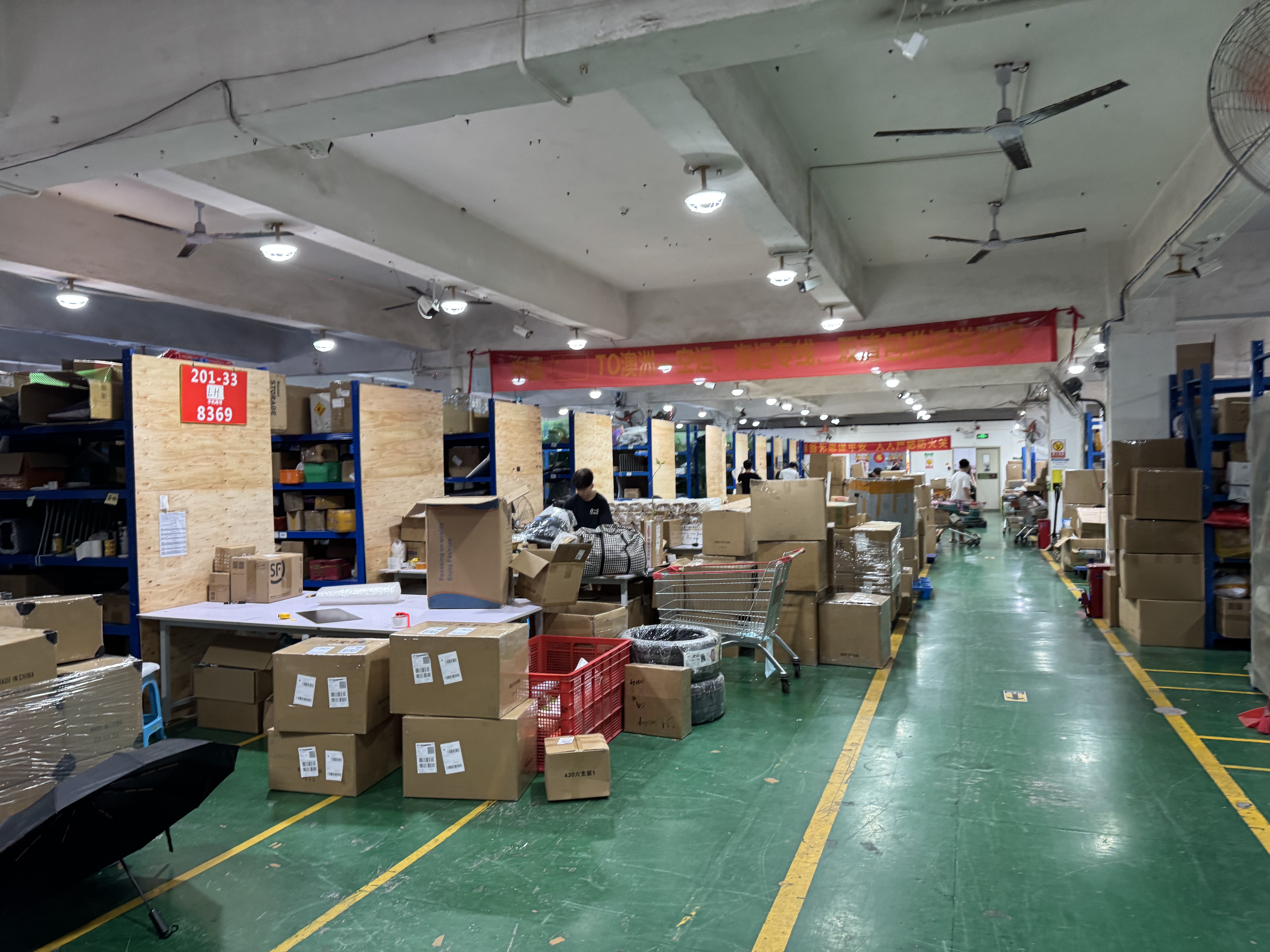
Many small businesses are caught off guard by hidden fees in ocean freight. Some carriers may charge for port congestion surcharges, documentation fees, or demurrage charges if your goods stay at the port longer than the allowed time. A trade factory I assisted was surprised to find an additional charge for a documentation error on the carrier's side. To avoid this, make sure you get a detailed quote from your logistics provider at the beginning. Ask them to explain all the possible fees clearly.
2. Incorrect Freight Forwarding Pricing
Another common problem is getting an incorrect pricing from freight forwarders. Some may offer a low price initially but then add on extra costs later. I've seen this happen to small e - commerce sellers who were attracted by a seemingly low - cost quote. When it came time to pay, they found the final bill was much higher. Before choosing a freight forwarder, compare quotes from multiple providers, and check their reputation in the industry.
V. Partner Selection Pitfalls
1. Unreliable Logistics Providers
Selecting an unreliable logistics provider can lead to a host of problems, from lost shipments to poor customer service. I once worked with a small business that hired a new, untested logistics provider. The provider didn't have good connections at the Canadian ports, and the shipment got lost in the system. After a long - drawn - out investigation, they finally found the goods, but it was a huge hassle for the business. Always do your due diligence when choosing a logistics provider. Check their track record, read reviews from other clients, and ask for references.
2. Lack of Local Knowledge
A logistics provider without good local knowledge in Canada can also cause issues. They may not be aware of the local customs regulations, transportation routes, or the best practices for delivering to your specific location in Canada. An apparel importer I knew used a provider that didn't understand the local delivery requirements in Toronto. As a result, the delivery was delayed, and the products arrived in a less - than - perfect condition. Make sure your logistics provider has a good understanding of the local Canadian market.
VI. FAQ
1. How can I ensure my goods are compliant with Canadian customs regulations? Well, start by getting accurate product information. Use the right HS codes, which you can find on the official CBSA website. Also, maintain proper documentation, like invoices, bills of lading, and certificates of origin. If you're importing special items like food or sensitive goods, consult a customs broker or a professional logistics provider with experience in cross - border shipping to Canada.
2. What should I do if my shipment is delayed at the port? First, contact your logistics provider immediately. They can check the reason for the delay, whether it's due to congestion, customs hold, or other issues. If it's a customs hold, they can help you provide the necessary documents to speed up the clearance process. You can also consider alternative ports or transportation modes if the delay is expected to be long.
3. How do I know if a freight forwarder is reliable? Check their business license and registration. Look at their experience in the China - Canada shipping route. Read online reviews and ask for references from other clients. A reliable forwarder will also provide you with a detailed and transparent quote, and they'll be willing to answer all your questions.
4. Can I use the same container for different types of goods? It depends on the goods. If the goods are compatible in terms of storage conditions, like non - fragile and non - perishable items, you might be able to use the same container. But if you're shipping a mix of fragile 3C electronics and heavy home goods, it's better to use separate containers. The different handling requirements and potential for damage make it risky to mix them.
5. What are the main differences between shipping to different Canadian ports? Each port has its own characteristics. The Port of Vancouver is a major gateway on the west coast, with good connections to Asia. It may have more frequent shipping schedules, but it can also face congestion problems. The Port of Montreal is on the east coast and is well - connected to the eastern and central parts of Canada. However, it may have different weather - related challenges in winter. When choosing a port, consider your location in Canada, the shipping frequency, and the potential costs associated with each port.
In short, with careful planning and a good understanding of these pitfalls, you can smoothly navigate the China - Canada ocean freight industry in 2026. Stay informed, choose your partners wisely, and always be prepared for unexpected situations.
