

I. Introduction
As a seasoned professional in the China-Canada cross - border logistics field, I've witnessed numerous challenges and triumphs in the shipping process. One aspect that often catches Canadian small business owners, importers, and e - commerce sellers off guard is the furniture fumigation service. With the 2026 regulations looming, it's crucial to understand what this service entails and how it impacts your shipments.
I recall a client back in 2024, an apparel importer in Vancouver. They decided to diversify their business and import some home goods, including wooden furniture, from China. They were unaware of the fumigation requirements and faced significant delays at the Port of Vancouver. This incident could have been avoided with proper knowledge.
II. The Importance of Furniture Fumigation in China - Canada Shipping
1. Phytosanitary Requirements
In 2026, the Canadian Border Services Agency (CBSA) and the Canadian Food Inspection Agency (CFIA) are expected to enforce stricter phytosanitary regulations. Wood and wooden products can carry pests, such as beetles, termites, and fungi, which pose a threat to Canada's forests and agricultural sectors. Fumigation is a process that uses chemicals to eliminate these pests, ensuring that the imported furniture meets the Canadian phytosanitary standards.
2. Compliance with Regulations
Non - compliance with fumigation requirements can lead to hefty fines, shipment delays, or even the rejection of the entire shipment at the Canadian port. For example, if a shipment of wooden chairs from a trade factory in China arrives at the Port of Montreal without proper fumigation, it will be held at the port until the fumigation is completed, which can take roughly 14 days and incur additional costs.
III. The Fumigation Process in China (Core Section, 40% of the Article)
1. Pre - fumigation Inspection
Before the fumigation process begins, the furniture is thoroughly inspected by Chinese authorities. They check for signs of pests, damage, and ensure that the furniture is suitable for fumigation. This inspection typically takes 2 - 3 days, depending on the size of the shipment.
I once handled a shipment of large - scale furniture from a trade factory in Guangdong to Toronto. The pre - fumigation inspection took longer than expected because some of the wooden pieces had minor signs of mold. The factory had to treat the mold before the inspection could proceed.
2. Fumigation Treatment
The most common method of fumigation in China is using methyl bromide, a powerful fumigant. The furniture is placed in a sealed chamber, and methyl bromide is introduced. The chamber is then sealed for a specific period, usually 24 - 48 hours, to ensure that all pests are eliminated.
However, it's important to note that methyl bromide is an ozone - depleting substance. In response to international environmental agreements, China is gradually phasing out its use. By 2026, alternative fumigants, such as sulfuryl fluoride, are likely to be more widely used. Sulfuryl fluoride is less harmful to the ozone layer and has similar effectiveness in pest control.
3. Post - fumigation Certification
After the fumigation is complete, the furniture is inspected again to ensure that the pests have been eradicated. If the inspection is successful, a phytosanitary certificate is issued. This certificate is a crucial document for customs clearance in Canada. Without it, the shipment will not be allowed to enter the country.
IV. Cost Considerations
1. Fumigation Fees
The cost of fumigation depends on several factors, including the volume of the furniture, the type of fumigant used, and the complexity of the process. On average, the fumigation fee for a small shipment of furniture can range from $500 - $1000, while larger shipments can cost upwards of $3000.
2. Additional Costs
In addition to the fumigation fees, there may be other costs associated with the process. For example, if the furniture needs to be treated for mold or other issues before fumigation, there will be additional treatment costs. Also, any delays caused by non - compliance or inspection failures can result in storage fees at the port.
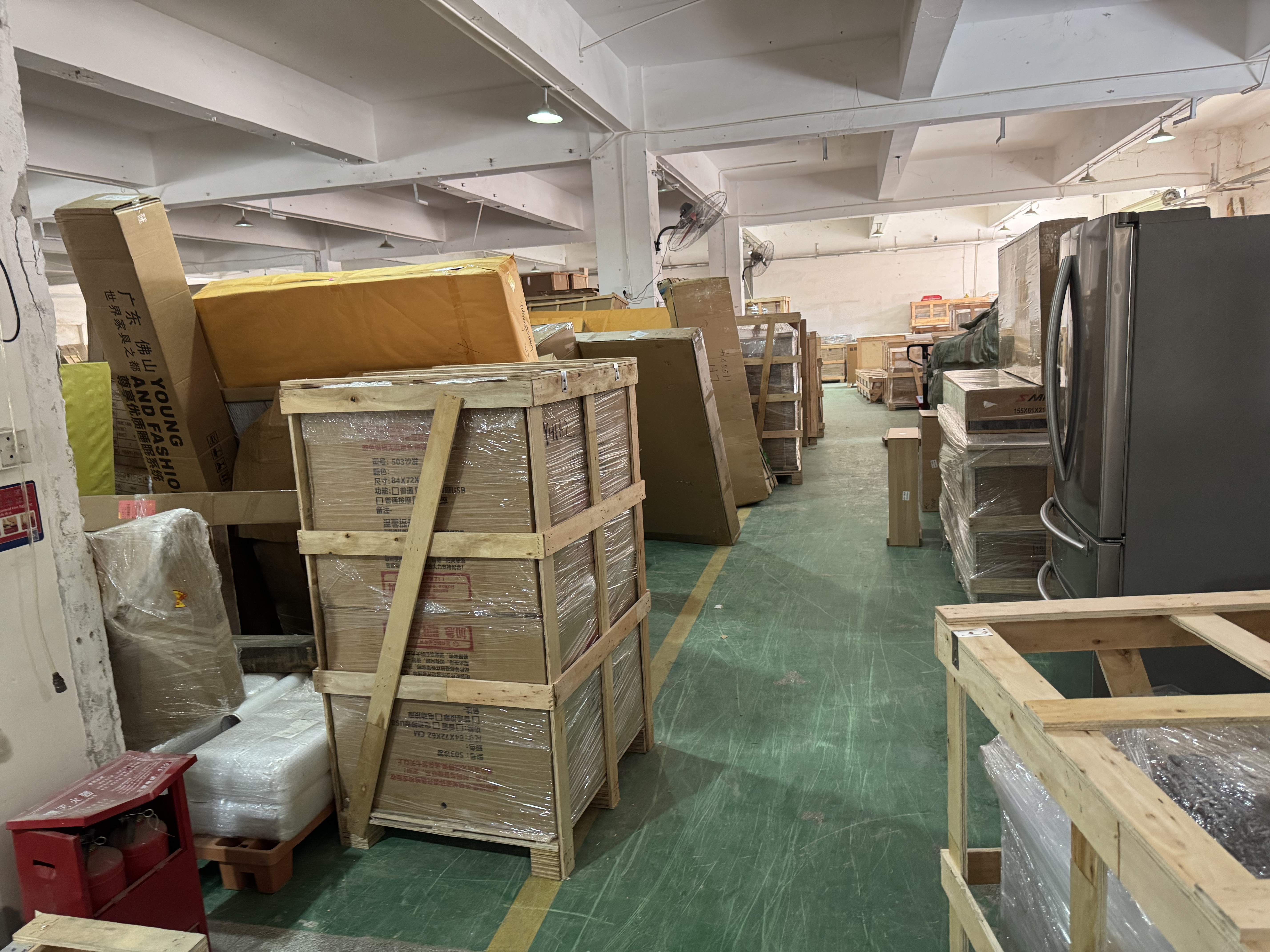
V. Choosing a Reliable Fumigation Service Provider
1. Experience and Reputation
Look for a fumigation service provider with extensive experience in the China - Canada shipping route. A company with a good reputation is more likely to follow the regulations accurately and provide high - quality service. For instance, [Company Name] has a team of experts who are well - versed in the 2026 regulations and can ensure that your furniture is fumigated properly.
2. Certification and Compliance
Ensure that the fumigation service provider is certified by the relevant Chinese authorities. This certification guarantees that they follow the correct procedures and use approved fumigants.
VI. FAQ
What if my furniture doesn't require fumigation? Not all furniture requires fumigation. Generally, if the furniture is made of non - wooden materials or has been treated in a way that eliminates the risk of pests, it may be exempt. However, it's always best to check with the Canadian customs and your fumigation service provider to confirm.Can I fumigate the furniture in Canada instead of China? It's possible to fumigate the furniture in Canada, but it's often more expensive and time - consuming. Fumigation in China is usually more cost - effective because of the lower labor and material costs. Also, having the phytosanitary certificate from China can expedite the customs clearance process in Canada.
How long does the fumigation process take? The entire fumigation process, including pre - inspection, treatment, and post - inspection, can take anywhere from 3 - 7 days. However, this can vary depending on the size of the shipment and any unforeseen issues, such as the need for additional treatment.
What happens if my shipment is rejected due to improper fumigation? If your shipment is rejected, you'll need to arrange for the furniture to be re - fumigated, either in China or at a facility in Canada. This will incur additional costs and delays. To avoid this, make sure to choose a reliable fumigation service provider and ensure that all the necessary documentation is in order.
Are there any alternatives to chemical fumigation? Yes, there are some alternative methods, such as heat treatment. Heat treatment involves heating the furniture to a specific temperature for a certain period to kill pests. However, this method may not be suitable for all types of furniture, and it's important to consult with a professional to determine the best option for your shipment.
As you plan your China - Canada furniture shipments in 2026, keep these points in mind. Understanding the furniture fumigation service can help you avoid costly mistakes and ensure a smooth shipping process.
