

Introduction
As we step into 2026, the cross - border logistics landscape between China and Australia is evolving rapidly. I've been in the thick of this industry for years, dealing with all sorts of challenges and opportunities. Many Australian small business owners, importers, and e - commerce sellers are reaching out, confused about the new rules and best practices. In this guide, I'll share my hands - on experience and help you navigate this complex journey.
I. New Policies and Regulations in 2026
In 2026, there have been significant updates from the Australian Border Force (ABF) and the Department of Agriculture, Fisheries and Forestry (DAFF). New bio - security measures are in place to protect Australia's unique ecosystem. For example, products containing certain plant materials or untreated wood now require more detailed documentation. I remember a client back in the first quarter of 2026. They were an apparel importer in Sydney. Some of their clothing had wooden buttons, and because they didn't have the proper phytosanitary certificates, their shipment was held at Port Botany for roughly 14 days. This delay not only disrupted their business schedule but also incurred extra storage fees.
II. Choosing the Right Shipping Method
Air Freight Air freight is ideal for high - value, small - sized, and time - sensitive goods. It's fast, with an average transit time of 7 - 12 days from China to major Australian cities like Melbourne or Brisbane. But it's also more expensive. For instance, a 3C electronics seller in Melbourne once used air freight to quickly restock his inventory during the peak shopping season. The devices arrived in 9 days, allowing him to meet the high customer demand. However, the shipping cost was about 30% higher compared to sea freight.Sea Freight Full Container Load (FCL) FCL is suitable for large - volume shipments. If you're a trade factory exporting a large quantity of home goods, FCL provides more space and better protection for your products. You'll have exclusive use of a 20GP, 40GP, or 40HQ container. With FCL, you can expect a transit time of around 25 - 35 days, depending on the departure port in China and the destination in Australia.
Less than Container Load (LCL) LCL is cost - effective for smaller shipments. It's a great option for small business owners who can't fill an entire container. But LCL may take longer due to the consolidation and de - consolidation processes. On average, it takes about 30 - 40 days to reach Australian ports.
III. The Shipping Process - A Deep Dive (40% of the Content)
Pre - Shipment Preparation Product Classification: It's crucial to correctly classify your products using the HS codes. This affects the customs duties and regulations your shipment will be subject to. For example, different types of furniture have different HS codes, which may lead to different tax rates.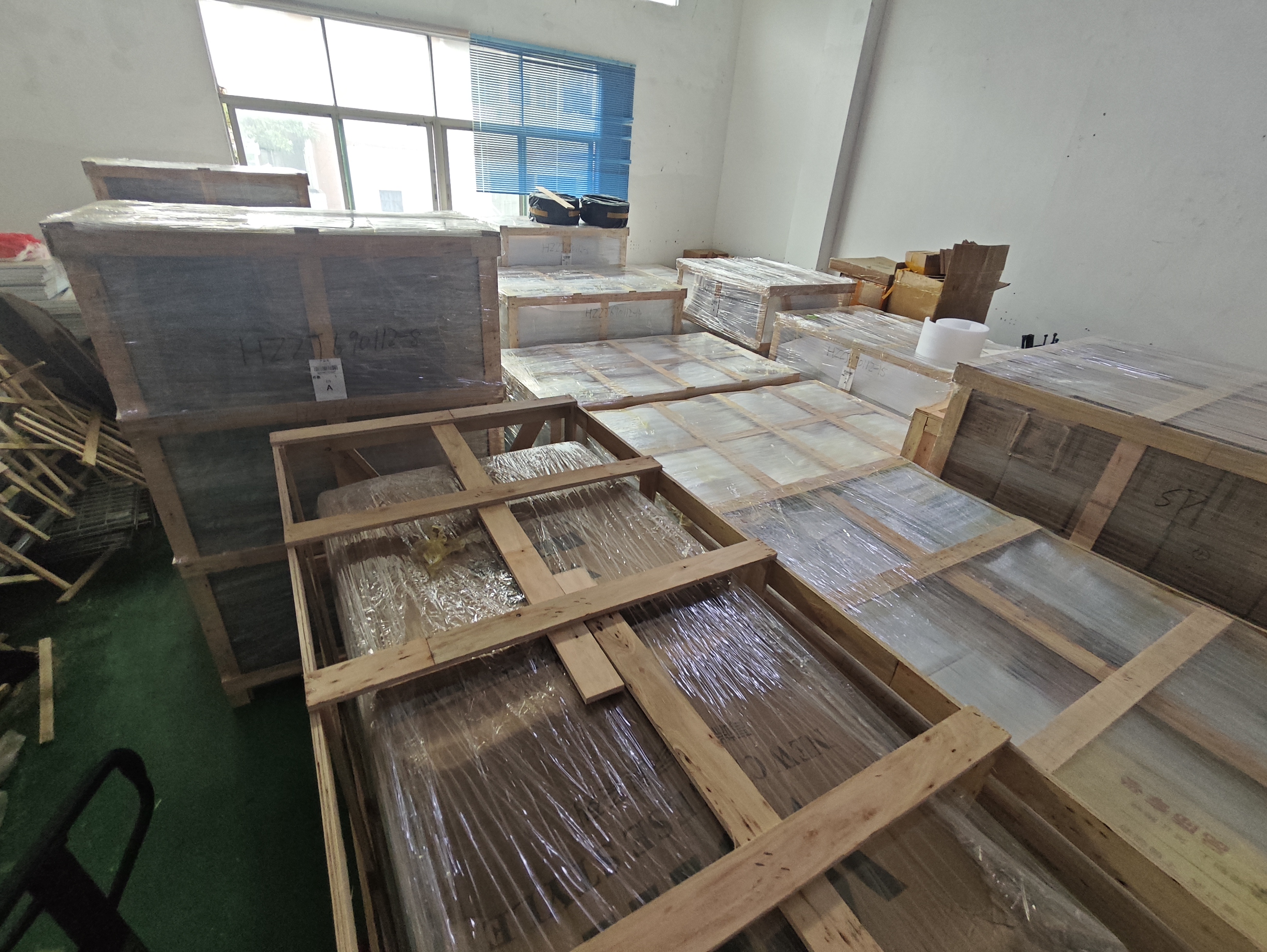
Shipping from China Port Formalities: Once your goods are ready, they'll be transported to the port in China. At the port, there are processes like container stuffing (for sea freight), customs declaration, and loading onto the vessel or aircraft. I've seen cases where a small mistake in the customs declaration form led to hours of delay at the Chinese port.
Transit: During transit, tracking your shipment is essential. Many logistics providers offer real - time tracking services. For sea freight, vessels may stop at multiple ports before reaching Australia, which may affect the transit time.
Arrival in Australia Customs Clearance: When the shipment arrives at an Australian port like Port of Melbourne, the ABF will conduct a customs inspection. They'll check the documentation, verify the product classification, and assess the duties and taxes. The majority of low - value shipments may be subject to a simplified customs process, but high - value or sensitive goods are more likely to be thoroughly inspected.
Bio - security Checks: The DAFF is responsible for bio - security checks. They'll examine the goods for any pests, diseases, or prohibited materials. In some cases, they may require treatment or disposal of non - compliant items.
Final Delivery Once the goods pass all the checks, they'll be delivered to your designated address. If you've chosen a door - to - door service, the logistics provider will handle the last - mile delivery. However, if you've only arranged for port - to - port shipping, you'll need to arrange for local transportation.
IV. Selecting a Reliable Logistics Provider
When it comes to choosing a logistics provider, you need to do your homework. Look for a company with experience in China - Australia cross - border logistics. For example, Shengda International Logistics has a team of 40+ professionals with over 10 years of experience in this field. They offer a range of services, including air freight, sea freight, and customs clearance. Their self - developed logistics system allows for real - time tracking of your shipments. But like any provider, they also have limitations. For instance, during peak seasons, the shipping schedule may be a bit tight, and there could be minor delays.
V. FAQs
Q: What is the most common reason for customs delays in Australia in 2026? A: The most common reasons are incorrect documentation and bio - security issues. Incorrect HS code classification can lead to wrong duty calculations, and non - compliant products in terms of bio - security can cause major hold - ups.Q: Can I ship food products to Australia in 2026? A: Yes, but you need to use a sensitive goods compliance专线. For example, Shengda International Logistics has a dedicated channel for compliant sensitive goods. You must also ensure that the food meets Australian food safety standards and provide the necessary documentation.
Q: How can I reduce the shipping cost? A: If you're not in a hurry, sea freight is usually more cost - effective. For sea freight, choosing LCL for smaller shipments can save you money. Also, consolidating your orders to fill a container (if possible) can reduce the per - unit shipping cost.
Q: What happens if my goods are seized at the Australian border? A: If your goods are seized, it's most likely due to non - compliance with customs or bio - security regulations. You'll need to work with the ABF and the DAFF to resolve the issue. This may involve providing additional documentation, paying fines, or arranging for the goods to be returned or destroyed.
Q: Is it necessary to use a logistics provider? A: While it's not mandatory, using a professional logistics provider can save you a lot of time and hassle. They have in - depth knowledge of the shipping process, customs regulations, and can handle any issues that may arise during transit. For example, if there's a problem at the Chinese port, they can quickly resolve it on your behalf.
In 2026, successfully navigating cross - border logistics to Australia requires a good understanding of the new policies, choosing the right shipping method, and working with a reliable logistics partner. By keeping these points in mind and learning from real - life experiences, you can ensure a smooth and efficient supply chain for your business.
