

I. Introduction
In 2026, Australian small business owners, importers, and e - commerce sellers are constantly seeking ways to reduce the door - to - door transit time for goods shipped from China to Melbourne. I've seen many in the industry struggle with long shipping times, which can lead to lost sales and dissatisfied customers. In this article, I'll share some insights and strategies from my years of first - hand experience in cross - border logistics for the China - Australia route.
II. Current Challenges in Shipping from China to Melbourne
Port Congestion At Port Botany and the Port of Melbourne, congestion is a major issue. Ships often have to wait days to dock, unload, and load cargo. This delay can add a significant amount of time to the shipping process. I remember a client in 2024 who was importing home goods from China. Their shipment was stuck in port for over a week due to congestion, which pushed back their product launch in the Australian market.Customs Clearance The Australian Border Force (ABF) has strict regulations, especially with the 2026 policy updates related to biosecurity and customs valuation. Incorrect documentation or non - compliant goods can lead to long delays at customs. For example, a 3C electronics seller I worked with had their shipment held up for two weeks because they had misclassified some of the products using the wrong HS codes, which led to additional inspections by the ABF.
Transportation Modes and Routes Choosing the wrong transportation mode or route can also increase transit time. For instance, if goods are first shipped to a non - direct port in Australia and then have to be re - routed to Melbourne, it can add days, if not weeks, to the delivery process.
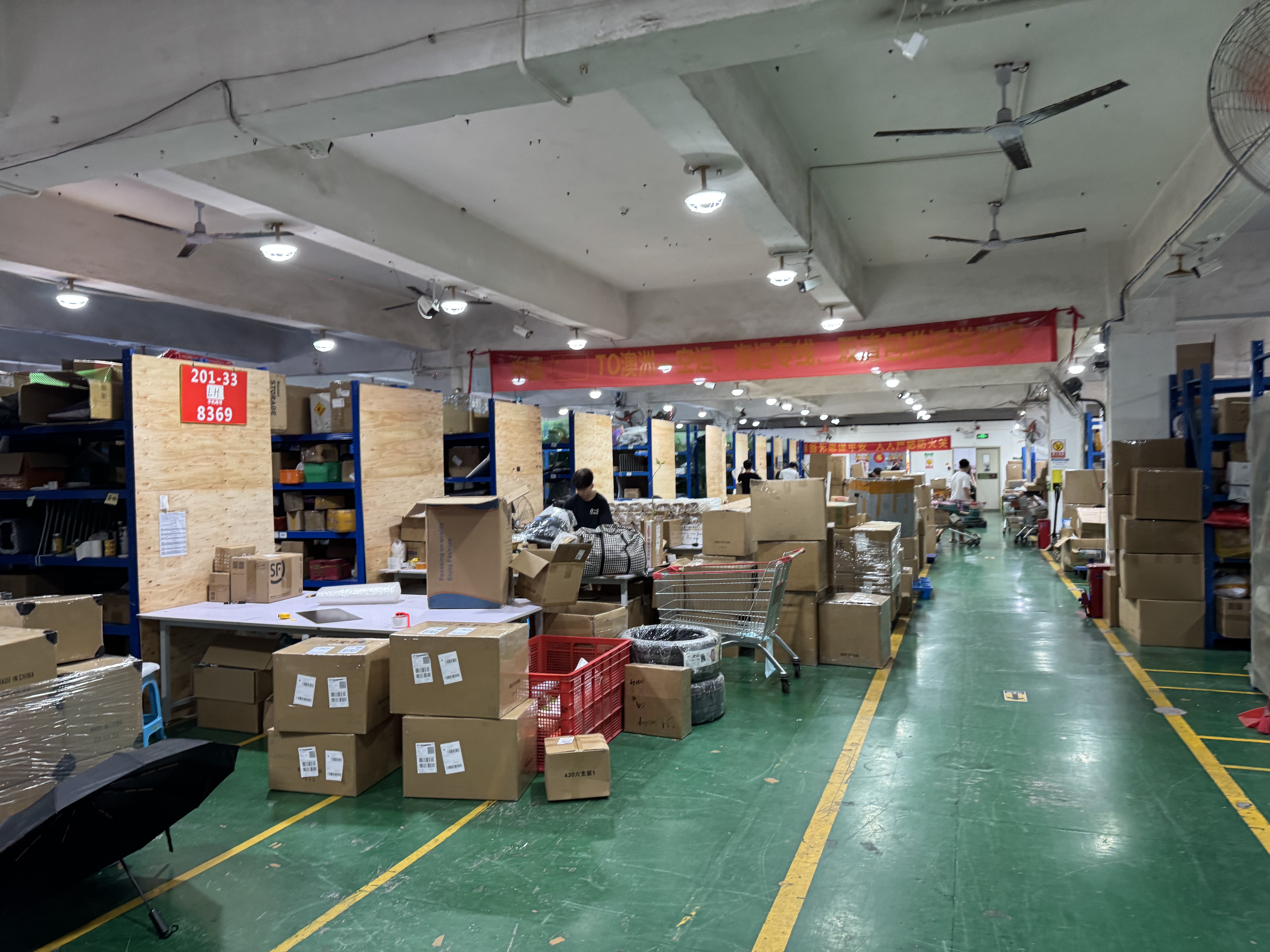
III. Secret to Shorter Door - to - Door Transit Time (In - depth Analysis, 40% of the article)
Choose the Right Shipping Provider Carrier Reputation: Look for shipping carriers with a good track record of punctuality and reliability. For example, Maersk has a strong presence in the China - Australia route and is known for its efficient operations. They have a schedule that they mostly adhere to, reducing the chances of long delays at sea. However, they are also a popular choice, so sometimes booking can be difficult during peak seasons.Logistics Partners: Work with logistics partners like Shengda International Logistics that have a deep understanding of the 2026 policies. They have a team of experts who are well - versed in the latest biosecurity regulations and customs requirements. Shengda has a network of local agents in both China and Australia, which helps in smooth coordination from pick - up to delivery. They also offer a range of shipping options, including air freight and ocean freight, and can suggest the best mode based on your specific needs. For example, if you're an e - commerce seller with a small but urgent order of apparel, their air freight service can get your goods to Melbourne in as little as 7 - 12 days.
Optimize Your Customs Documentation Accurate HS Codes: Make sure you accurately classify your goods using the correct HS codes. This helps the ABF process your customs declaration faster. For example, if you're importing home appliances, using the wrong code may lead to confusion and additional inspections. Shengda International Logistics can assist in accurately classifying your goods and preparing the necessary customs documentation, ensuring compliance with the 2026 regulations.
Complete Declarations: Provide all the necessary information in your customs declarations. Missing information or incomplete forms can cause significant delays. For instance, if you're importing food products, you need to include details about the ingredients, country of origin, and any relevant health certificates.
Select the Best Transportation Mode and Route Direct Routes: Whenever possible, choose direct shipping routes. Shipping directly from a major Chinese port like Shanghai or Shenzhen to the Port of Melbourne can save a lot of time compared to a multi - stop route. This reduces the handling time and the risk of damage or loss during transit.
Combination of Modes: For some shipments, a combination of air and sea freight may be the best option. For example, if you have high - value, time - sensitive products, you can use air freight for the initial part of the journey to Australia and then complete the last - mile delivery by road. This way, you can balance the cost and transit time.
IV. Other Factors Affecting Transit Time
Weather Conditions In the Pacific Ocean, typhoons and rough weather can disrupt shipping schedules. During the typhoon season from July to October, ships may have to slow down or change their course, which can add a few days to the transit time. It's important to stay informed about the weather forecast and work with your shipping provider to make contingency plans.Peak Seasons Peak seasons like the Chinese New Year and Christmas can lead to longer shipping times. Many factories in China shut down during the Chinese New Year, which can cause delays in production and shipping. During Christmas, there is a high demand for imported goods in Australia, which can lead to congestion at ports and a backlog of shipments. Plan your orders well in advance during these peak seasons to avoid delays.
V. FAQ
Q: Can I always trust the transit time estimates provided by shipping companies? A: Transit time estimates are usually based on normal conditions, but there are many factors that can cause delays, such as bad weather, port congestion, and customs issues. So, while shipping companies try their best to be accurate, it's a good idea to add a few extra days to the estimated time, especially during peak seasons. For example, Shengda International Logistics will give you an estimate based on their experience, but they also inform you about the potential risks that could affect the timing.Q: What should I do if my shipment is held up at customs? A: If your shipment is held up at customs, first check with your shipping provider or logistics partner. They can usually help you determine the reason for the hold - up. It may be due to incorrect documentation, so provide any additional information required as soon as possible. For example, if the ABF needs more details about the value of your goods for customs valuation, you should get that information to them quickly.
Q: How does Shengda International Logistics help with the new 2026 biosecurity regulations? A: Shengda International Logistics has a team of experts who stay updated on the latest biosecurity regulations. They can help you ensure that your goods are compliant before shipping. For example, if you're importing wood products, they'll make sure that the wood has been properly treated and that you have the necessary phytosanitary certificates.
Q: Is air freight always the fastest option for shipping from China to Melbourne? A: Air freight is generally faster than sea freight, but it may not always be the best option. Air freight is more expensive, and it has weight and size restrictions. If you have a large quantity of goods or if cost is a major concern, sea freight may still be a good choice, especially if you plan ahead and choose an efficient shipping provider.
Q: Can I track my shipment from China to Melbourne? A: Most reputable shipping companies and logistics partners offer shipment tracking. For example, Shengda International Logistics has a self - developed intelligent shipping system that allows you to track your shipment in real - time. You can see where your goods are at each stage of the journey, from pick - up in China to delivery in Melbourne. This gives you peace of mind and helps you plan your business operations more effectively.
In conclusion, getting shorter door - to - door transit time from China to Melbourne in 2026 requires careful planning, working with the right partners, and staying informed about the latest regulations and industry trends. By following these strategies, you can reduce delays and get your goods to the market faster.
