

I. Introduction
Hey there, Australian e - commerce sellers! If you're sourcing products from China, sea freight is likely on your radar. In 2026, the cost of China - to - Australia sea freight is a hot topic, and it's influenced by a bunch of factors. I've been in the cross - border logistics game for years, dealing with the ins and outs of shipping from China to Australia. Let me share some insights and help you understand what to expect.
II. Factors Affecting Sea Freight Costs in 2026
1. Fuel Prices
Fuel is a major cost driver in sea freight. In 2026, global fuel prices are still volatile. Just last month, I had a client who was shipping a large order of home goods from Shenzhen to Sydney. The fuel price spike added about 15% to their shipping cost compared to the previous quarter. Shipping lines often adjust their bunker adjustment factor (BAF) based on fuel price fluctuations, and this directly impacts the overall cost for e - commerce sellers.
2. Container Availability and Demand
The balance between container availability and demand plays a huge role. In peak seasons, like the lead - up to Christmas or Chinese New Year, the demand for containers surges. I remember in 2024, during the pre - Christmas rush, many apparel importers were scrambling for containers. The shortage drove up the cost of shipping a 20 - foot container from Shanghai to Melbourne by almost 30%. In 2026, similar patterns are likely to occur, especially if there are disruptions in container production or distribution.
3. New Regulations and Policies
The 2026 Australian Border Force (ABF) and Department of Agriculture, Fisheries and Forestry (DAFF) policies have introduced stricter inspection and compliance requirements. For example, there are new rules regarding the declaration of goods, especially for sensitive items like food and electronics. These new policies require more paperwork and thorough inspections, which can slow down the shipping process and increase costs. E - commerce sellers need to ensure they're fully aware of these regulations to avoid any unexpected charges or delays.
4. Shipping Routes and Transit Times
The choice of shipping route and transit time also impacts costs. Direct routes are generally more expensive but offer shorter transit times. For instance, a direct shipment from Ningbo to Brisbane might cost more, but it can get your goods to the destination in roughly 14 days. On the other hand, a route with multiple stop - overs is cheaper but may take up to 21 days or more.
III. Cost Breakdown in 2026 (Core Section)
1. Container Costs
The cost of containers is a significant part of the sea freight bill. In 2026, a 20 - foot General Purpose (20GP) container from a major Chinese port like Shanghai to Sydney can cost around $2,200 - $2,500, while a 40 - foot General Purpose (40GP) container can range from $3,800 - $4,200. These prices can vary depending on the factors mentioned above.
2. Terminal Handling Charges (THC)
THC is charged at both the origin and destination ports. In China, the THC for a 20GP container at Shanghai Port is approximately $350, and for a 40GP container, it's about $550. In Australia, at Port Botany, the THC for a 20GP is around $280, and for a 40GP, it's about $420. These charges cover the handling of containers at the port, including loading and unloading.
3. Documentation and Customs Clearance Fees
Documentation fees for shipping from China to Australia can range from $150 - $300, depending on the complexity of the shipment. Customs clearance fees in Australia also vary. For a standard e - commerce shipment, the customs clearance fee can be around $200 - $300. However, if there are any special requirements or inspections, the cost can increase.
4. Insurance Costs
It's always a good idea to insure your goods during transit. Insurance costs are usually calculated as a percentage of the total value of the goods. On average, for a shipment worth $10,000, the insurance cost can be about $50 - $100.
Let's take a look at a table summarizing the approximate costs for a 20GP container shipping from Shanghai to Sydney in 2026:
| Cost Type | Amount ($) |
|---|---|
| Container Cost | 2,200 - 2,500 |
| China THC | 350 |
| Australia THC | 280 |
| Documentation Fees | 150 - 300 |
| Customs Clearance Fees | 200 - 300 |
| Insurance (for $10,000 goods) | 50 - 100 |
IV. How to Manage and Reduce Costs
1. Plan Ahead
Planning your shipments in advance can help you avoid peak - season surcharges. For example, if you know you'll need to restock your inventory in December, place your order from China well before the pre - Christmas rush.
2. Consolidate Shipments
If possible, consolidate multiple small shipments into one larger shipment. This can help you take advantage of economies of scale and reduce the cost per unit of shipping.
3. Choose the Right Shipping Partner
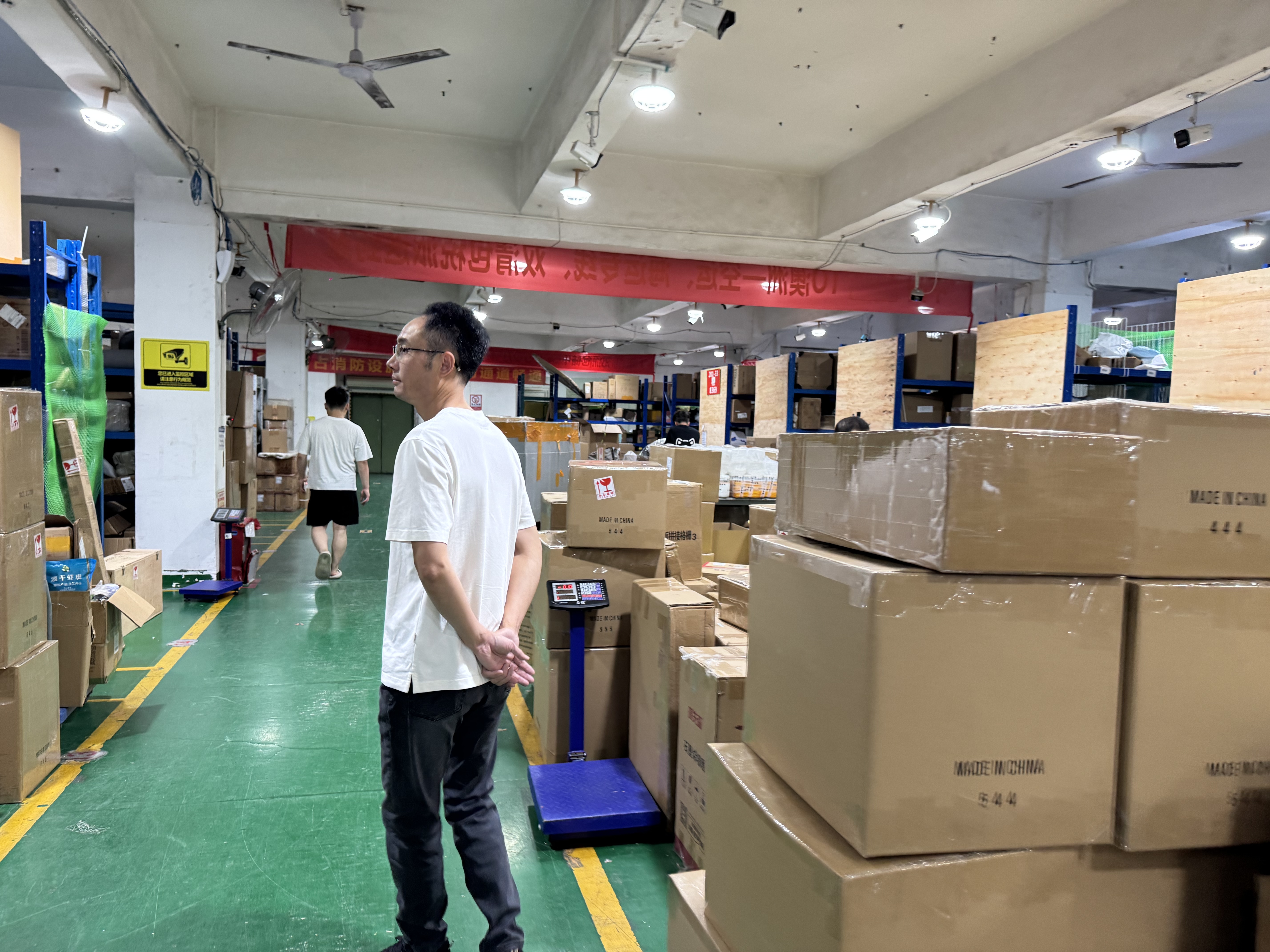
Partnering with a reliable and experienced logistics provider like Shengda International Logistics can make a big difference. They have in - depth knowledge of the China - Australia shipping route, can help you optimize your shipping plan, and ensure compliance with all regulations. Shengda International Logistics also offers competitive rates and a range of value - added services.
V. FAQs
Q1: Are there any additional costs I should be aware of when shipping from China to Australia in 2026? A: Yes, there can be additional costs such as demurrage charges if your container stays at the port for too long, and detention charges if you keep the container for an extended period after picking it up from the port. Also, if your goods require special handling, like refrigeration or hazardous goods handling, there will be extra fees.
Q2: How can I ensure my goods pass Australian customs smoothly? A: Make sure you provide accurate and detailed documentation, including a proper commercial invoice and packing list. Familiarize yourself with the 2026 ABF and DAFF regulations regarding product safety, biosecurity, and import restrictions. Working with a professional logistics provider like Shengda International Logistics can also help, as they have the expertise to handle customs clearance issues.
Q3: Can I get a better deal on sea freight if I negotiate with the shipping lines? A: It's possible. If you have a large volume of regular shipments, you may be able to negotiate better rates with shipping lines. However, it's important to note that there are market forces at play, and not all shipping lines will be willing to offer significant discounts. Your logistics provider can also help you in the negotiation process.
Q4: What's the typical transit time for sea freight from China to Australia in 2026? A: It depends on the port of departure in China and the destination port in Australia, as well as the shipping route. On average, it can take anywhere from 12 - 21 days for a direct shipment. However, if there are stop - overs or delays, it could take longer.
Q5: How does Shengda International Logistics help e - commerce sellers reduce shipping costs? A: Shengda International Logistics has a deep understanding of the China - Australia shipping market. They can help you choose the most cost - effective shipping route and container type. They also offer consolidation services to help you save on shipping costs. Additionally, their expertise in customs clearance can prevent any unnecessary fees or delays.
