

I. Introduction
Shipping furniture containers to Canada can be a complex process, especially with the new policies and regulations coming into effect in 2026. As someone who has been in the cross - border logistics industry for years, I've seen many small business owners, importers, and e - commerce sellers fall into common traps. Today, I'll share some crucial pitfalls to avoid to ensure a smooth shipping experience.
Let me tell you a story. I had a client back in 2024 who was an apparel importer from Vancouver. They wanted to ship a small container of furniture as an experiment. They didn't do enough research on the shipping process and ended up facing a lot of problems, which made me realize how important it is to know the ins and outs of furniture container shipping.
II. Regulatory and Documentation Pitfalls
1. Incomplete or Incorrect Documentation
In 2026, Canadian Border Services Agency (CBSA) has tightened its rules on documentation. You must provide accurate Commercial Invoices, Packing Lists, and Bill of Lading. Missing even a small detail, like the correct HS codes for the furniture items, can lead to delays at customs. For example, if you misclassify a wooden chair as a plastic chair, it can cause significant issues.
Another real - world case was a trade factory in Toronto. They were shipping a large container of dining sets. Due to an incorrect description of the materials used in the Commercial Invoice, their container was held up at the Port of Vancouver for over two weeks. This not only incurred extra storage fees but also disrupted their delivery schedule.
2. Lack of Knowledge about New Regulations
The 2026 regulations also include new environmental and safety standards for imported furniture. For instance, there are stricter rules regarding the use of certain chemicals in the manufacturing process. If your furniture doesn't meet these standards, it may be rejected at the border.
I once had a client who was a home goods seller from Montreal. They shipped a batch of sofas without realizing that the foam used in the sofas contained a chemical that was restricted in Canada. The entire shipment was sent back, resulting in a huge financial loss for them.
III. Shipping and Logistics Pitfalls
1. Improper Packaging
Furniture is often bulky and fragile. Improper packaging can lead to damage during transit. You should use high - quality packing materials, such as bubble wrap, foam, and wooden crates. For example, if you're shipping a glass - topped coffee table, it should have multiple layers of protection to prevent breakage.
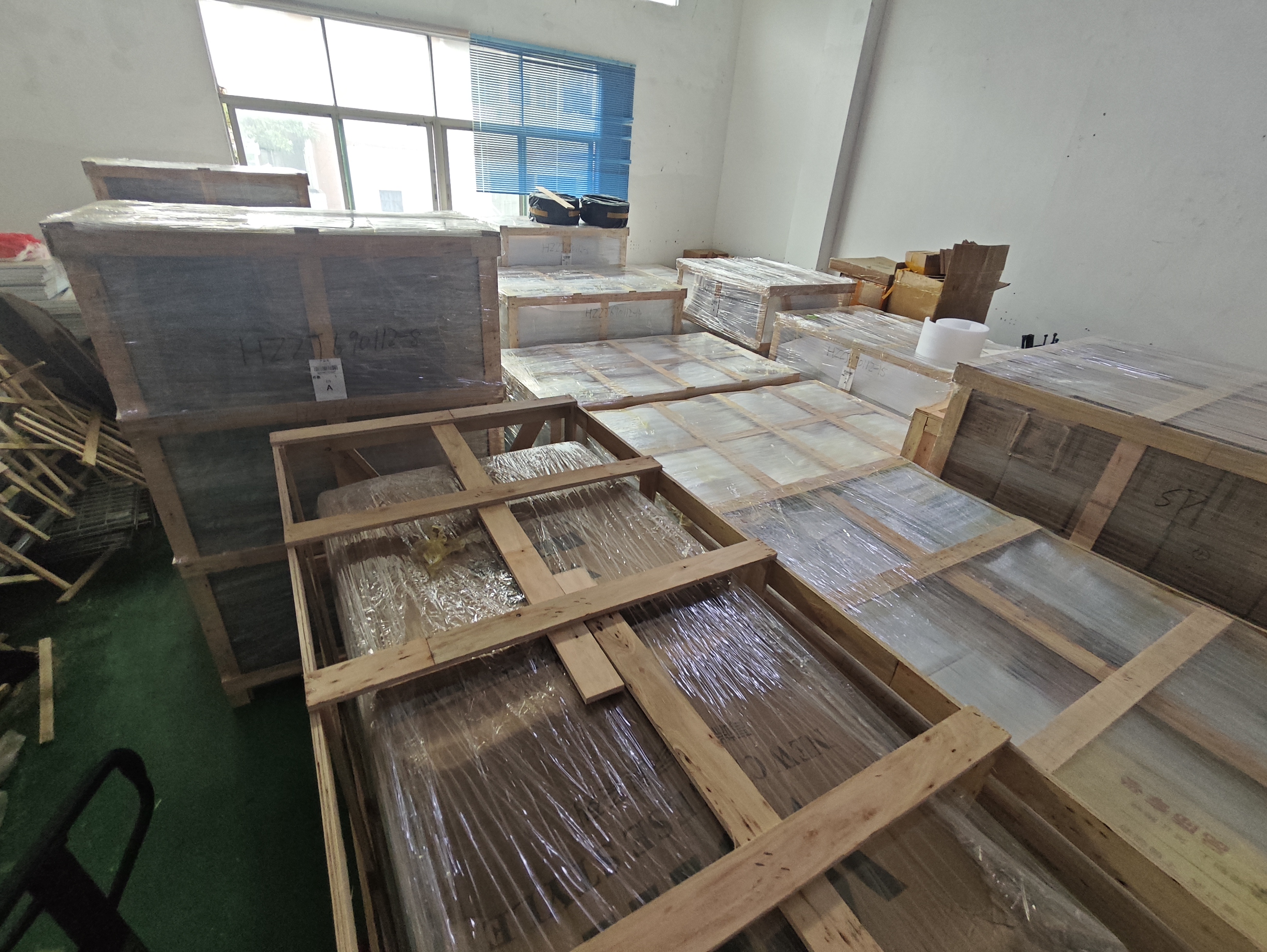
I remember a 3C electronics seller in Calgary who also dabbled in furniture imports. They shipped a set of wooden bookshelves without proper bracing. When the container arrived in Canada, several bookshelves were damaged due to shifting during the journey. This not only cost them money in replacing the damaged items but also affected their reputation with customers.
2. Choosing the Wrong Shipping Company
Not all shipping companies are created equal. Some may not have the necessary experience or resources to handle furniture container shipping to Canada. You need to choose a reliable company that has a good track record in cross - border logistics.
A few years ago, I worked with an apparel importer from Toronto. They chose a cheap and inexperienced shipping company to save costs. The shipping company misrouted their container, and it ended up being delayed by almost a month. This caused a lot of stress for the importer and affected their business operations.
IV. Cost - related Pitfalls
1. Hidden Costs
Many shipping companies may not disclose all the costs upfront. There could be hidden fees for things like storage at the port, customs clearance processing, and demurrage charges if the container is not picked up in time.
I've seen a home goods seller from Vancouver who was shocked to find out that there were additional fees for customs clearance that were not mentioned in the initial quote. This increased their shipping costs significantly and ate into their profit margins.
2. Incorrect Cost Estimation
It's important to get an accurate cost estimate before shipping. Incorrectly estimating the weight and volume of your furniture can lead to overpaying or underpaying. If you underpay, you may face additional charges later.
For example, a trade factory in Montreal estimated the volume of their furniture container to be lower than the actual volume. When the shipping company measured the container at the port, they were charged an additional fee based on the correct volume. This was an unnecessary expense that could have been avoided with proper estimation.
V. FAQ
How can I ensure my furniture meets the new Canadian environmental standards in 2026? Well, the first thing you should do is to research the new standards thoroughly. You can visit the official website of the Canadian Food Inspection Agency (CFIA) or the CBSA to get detailed information. It's also a good idea to work with furniture manufacturers who are aware of these new regulations and can provide you with the necessary certifications.
What should I do if my container is held up at customs due to documentation issues? If your container is held up, contact your customs broker or shipping agent immediately. They can help you correct the documentation. In some cases, you may need to provide additional information or clarify some details. It's important to act quickly to minimize the delay.
How do I choose a reliable shipping company for furniture container shipping to Canada? Look for a company with experience in cross - border logistics, especially in shipping furniture. Check their reviews and ask for references. A reliable company should be able to provide you with a detailed quote, including all the costs, and have a good track record of on - time delivery. You can also ask if they have any specific services for furniture, like proper packaging and handling.
Can I ship antique furniture to Canada? Yes, you can, but there are additional regulations. Antique furniture may need special permits and appraisals. You should work with a customs broker who has experience in handling antique imports. They can help you navigate the complex process and ensure that your antique furniture is imported legally.
What if my furniture gets damaged during transit? Make sure your shipping contract includes insurance for damage. If your furniture is damaged, document the damage as soon as possible. Take photos and provide detailed descriptions. Then, contact your shipping company and file a claim according to their procedures. It's also a good idea to choose a shipping company with a good claims - handling record.
In the end, shipping furniture containers to Canada in 2026 requires careful planning and attention to detail. By avoiding these common pitfalls, you can ensure a smooth and cost - effective shipping experience.
