

I. Introduction
Shipping furniture to Ottawa can be a daunting task, especially with the new regulations and potential challenges in 2026. I've been in the cross - border logistics business for years, and I've seen many small business owners, importers, and e - commerce sellers stumble along the way. In this article, I'll share some key insights to help you avoid common pitfalls and ensure a smooth furniture shipping process to Ottawa.
II. Understanding the New 2026 Regulations
In 2026, the Canadian Border Services Agency (CBSA) has introduced several new policies for furniture imports. First off, the regulations on wood products have become stricter. Any wooden furniture needs to have proper documentation proving its origin and compliance with Canadian environmental standards.
I once had a client who shipped a large batch of wooden furniture from China to Ottawa. They didn't pay much attention to the new origin documentation requirements. As a result, the shipment was held up at the Port of Vancouver for nearly two weeks. This caused a significant delay in delivery and additional storage fees.
Another important aspect is the valuation for customs purposes. The CBSA has been cracking down on under - valuation of goods. You need to provide accurate invoices that reflect the true cost of the furniture, including materials, labor, and shipping costs. Failing to do so can lead to penalties and even confiscation of the goods.
III. Packaging and Handling - The Core of Safe Delivery (40% of the content)
Proper Packaging Materials For furniture destined for Ottawa, the right packaging materials are crucial. You should use high - quality bubble wrap for items with delicate surfaces. For example, if you're shipping a glass - topped dining table, thick bubble wrap can prevent scratches and cracks.Cardboard corners are also essential for protecting the edges of wooden or metal furniture. I remember a sofa set an importer shipped. Without proper corner protection, the edges were chipped during transit.
Additionally, wooden pallets are great for large furniture pieces. They provide stability and make it easier for handling equipment to move the items. However, make sure the pallets are treated according to Canadian standards to avoid customs issues.
Secure Packaging Techniques When packaging furniture, using strong straps is a must. For large cabinets or wardrobes, multiple straps can hold the pieces together firmly.
Disassembling furniture, if possible, is a smart move. It not only reduces the space needed for shipping but also makes it easier to protect individual parts. For instance, a large four - poster bed can be disassembled into smaller components, each wrapped and secured separately.
But here's a tip from my experience: always label the parts clearly. I've seen cases where parts of a furniture set got mixed up at the warehouse, causing a headache for the customer when they tried to assemble it.
Handling Procedures At the loading and unloading stages, proper handling is vital. Forklifts should be operated by trained personnel to prevent damage to the furniture. For example, if a forklift hits a sideboard during loading, it can cause dents and fractures.
During transit, the furniture should be stored in a stable position. Trucks and containers should be properly secured to prevent the furniture from shifting. In one shipment, the lack of proper securing in the container led to the collapse of a bookshelf due to constant movement during the long - distance journey.
IV. Shipping Method Selection
Air Freight Air freight is the fastest option. It can get your furniture to Ottawa in roughly 7 - 9 days. However, it's also the most expensive. It's suitable for high - value, small - size furniture pieces or when you're in a hurry to restock your store. The upside is that the risk of damage during a short - time flight is relatively low. But if your furniture is bulky, the cost can skyrocket.Sea Freight Sea freight is more cost - effective for large - scale furniture shipments. A 20 - foot container can carry a significant amount of furniture. The transit time is longer, usually around 25 - 30 days from China to Ottawa via the Port of Vancouver. But you need to plan ahead. There's also a risk of delays due to adverse weather conditions or port congestion.
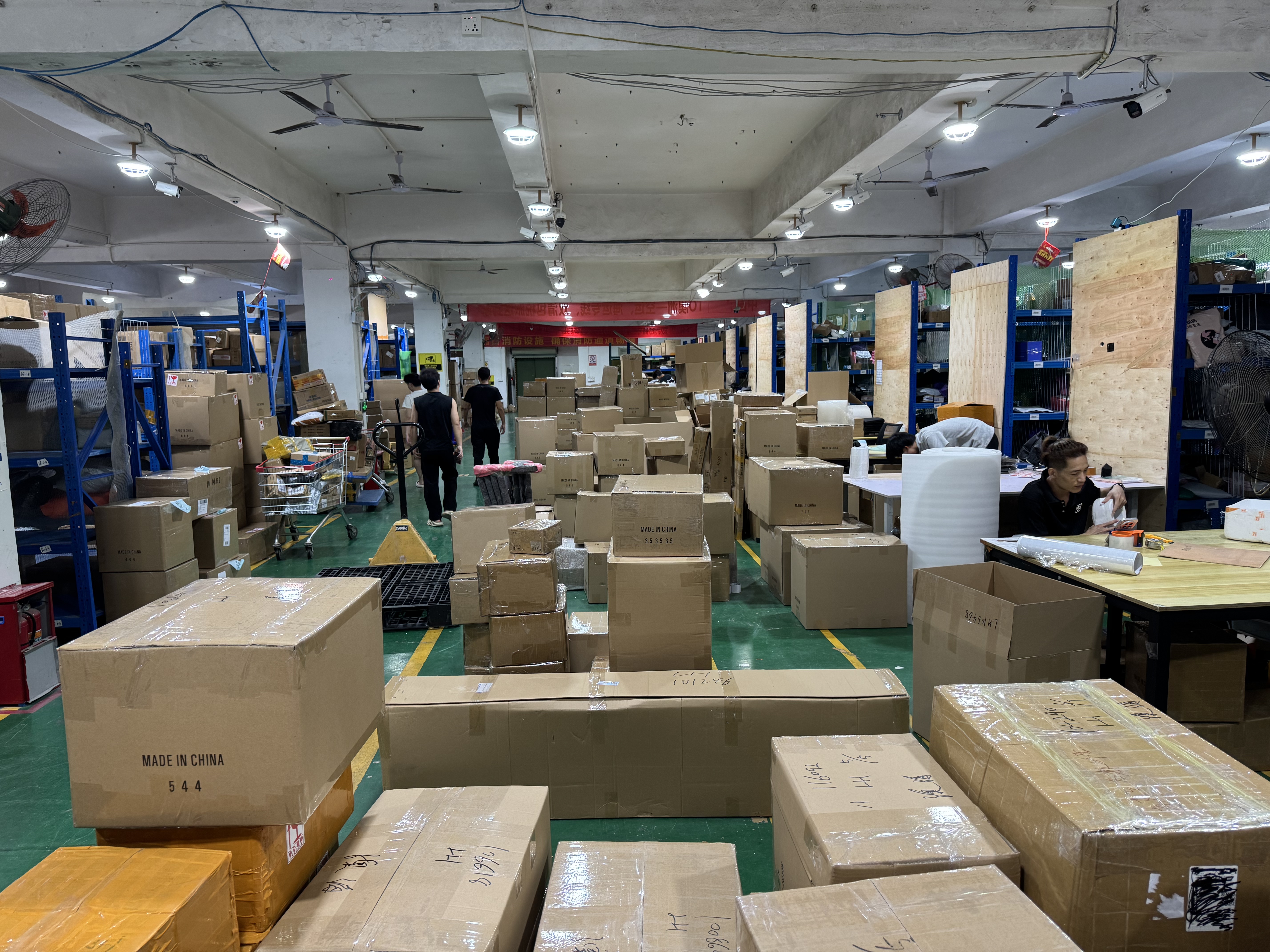
Rail or Road Freight (from West Coast Ports to Ottawa) Once the furniture arrives at a West Coast port like Vancouver, rail or road freight can be used to transport it to Ottawa. Rail is a good option for large - volume shipments as it's relatively stable and can handle heavy loads. Road freight, on the other hand, offers more flexibility in terms of delivery locations but may be subject to traffic and weather - related disruptions.
V. Insurance and Documentation
Insurance Never skip insurance for your furniture shipment. Accidents can happen during transit, such as fires, floods, or collisions. Insurance can provide financial protection in case of damage or loss. I've had clients who didn't insure their shipments, and when a container was damaged in a storm, they suffered significant financial losses.Documentation You need to prepare various documents, including the bill of lading, commercial invoice, packing list, and certificates of origin. Make sure all the information on these documents is accurate and matches the actual goods. One time, a small error in the product description on the commercial invoice led to a customs inspection and a delay in the shipment's release.
VI. FAQ
What if my furniture has some minor damage during shipping? Well, if you've purchased insurance, you can file a claim. Most insurance policies cover minor damages as well as major losses. But you need to document the damage as soon as you receive the furniture. Take photos and make a detailed report. Then contact your insurance provider and follow their claim process.How can I ensure my wooden furniture meets the 2026 Canadian environmental standards? You should work with your suppliers in China to get proper certification. They should provide documents showing the origin of the wood and its compliance with regulations. For example, wood from sustainably managed forests often has certification from recognized organizations. You can also consult with a customs broker who specializes in furniture imports to Ottawa to double - check.
Is it possible to expedite a sea - freight shipment if I'm in an urgent situation? While sea freight is generally a slower option, some shipping lines offer expedited services. However, it comes at a higher cost. You can contact your freight forwarder and ask if they have any expedited sea - freight options available for your route. Also, keep in mind that even with expedited services, there may still be some limitations due to port schedules and other factors.
What should I do if my shipment is held up at customs? First, don't panic. Contact your customs broker or freight forwarder immediately. They can help you determine the reason for the hold - up. It could be a simple documentation issue or a more complex problem related to regulations. Provide them with any additional information they need as quickly as possible to resolve the situation.
In the end, successfully shipping furniture to Ottawa in 2026 requires careful planning, attention to detail, and a good understanding of the regulations and processes. By following these tips, you can avoid many common pitfalls and ensure a successful delivery.
