

I. Introduction
Hey there, Canadian e - commerce sellers! As you're gearing up for your business in 2026, understanding China - Canada cross - border logistics is crucial. I've been in the cross - border logistics field for quite some time, and I've seen firsthand how the right logistics strategy can make or break an e - commerce business. In 2026, there are new policies and trends that you need to be aware of. For instance, the Canadian Border Services Agency (CBSA) has made some adjustments to customs clearance procedures. So, let's dive into what you should know.
II. New Policies and Regulations in 2026
Customs Clearance Changes The CBSA has updated its rules regarding the declaration of goods. In the past, you might have been able to get away with a somewhat loose declaration, but now, it's much stricter. You need to provide accurate HS codes for your products. For example, if you're selling 3C electronics, you can't just label them as "electronics." You have to specify the exact type, like smartphones or laptops. This is to ensure proper tariff calculation. In one case, a client of mine who was selling home goods in Vancouver didn't provide the correct HS codes. As a result, his shipment was held up at the Port of Vancouver for roughly 14 days, and he had to pay additional fees.Food Safety Regulations If you're importing food products from China, the Canadian Food Inspection Agency (CFIA) has tightened its requirements. You'll need to have detailed documentation about the origin, ingredients, and manufacturing process of the food. For instance, if you're bringing in snacks, you have to provide a certificate of analysis showing that they meet Canadian food safety standards. I once had a client who tried to import a batch of Chinese cookies without proper documentation. The cookies were confiscated, and he faced a hefty fine.
III. Shipping Options and Their Suitability
Air Freight Air freight is great for small, high - value items like 3C electronics. It's fast, with a typical transit time of 7 - 12 days. However, it's also expensive. For example, if you're shipping a small batch of smartphones from Shenzhen to Toronto, the cost per kilogram might be around CAD 50. The advantage is that it's reliable and has a low risk of damage. But if you're shipping large volumes, the cost can quickly add up.Sea Freight Full - Container Shipping: This is suitable for large - scale e - commerce sellers. If you have a large order of home goods or apparel, you can book a 20GP, 40GP, or 40HQ container. The cost is much lower per unit compared to air freight. For example, a 20GP container from Shanghai to the Port of Montreal might cost around CAD 2000. However, the transit time is longer, usually around 35 - 45 days.
Less - than - Container Load (LCL): Ideal for smaller sellers or those who don't have a full container of goods. It's more cost - effective than air freight for small to medium - sized shipments. For example, if you're shipping a few cartons of apparel from Ningbo to Vancouver, you can use LCL. The transit time is also longer than air freight, but it's a good option when you don't need your goods urgently.
IV. Choosing the Right Logistics Service Provider** (In - depth section, 40% of the article)
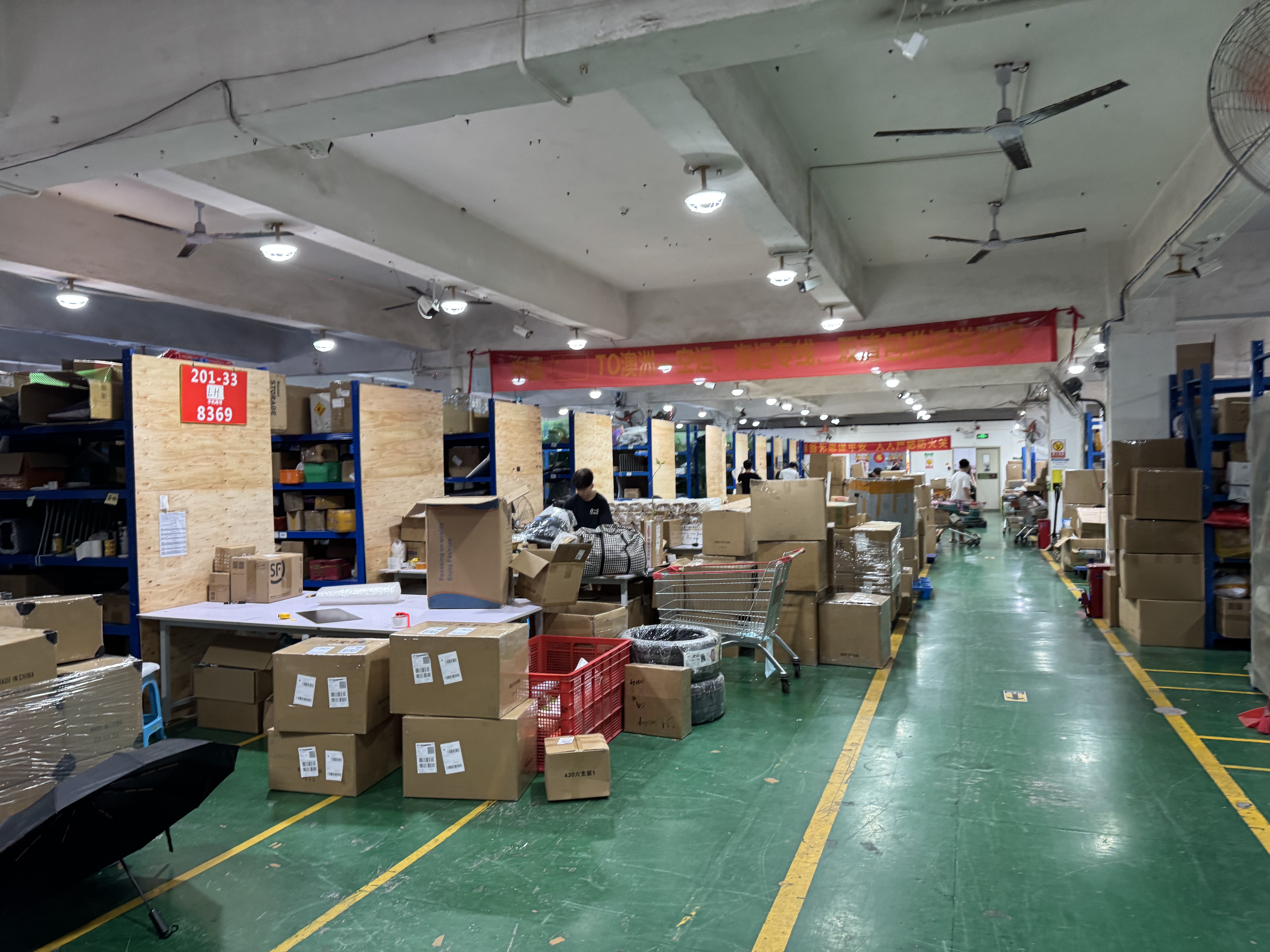
Industry Experience A logistics provider with extensive experience in China - Canada cross - border logistics is invaluable. For example, [Company Name] has been in the business for many years and has a deep understanding of the local regulations and customs procedures in both China and Canada. They've dealt with various types of shipments, from 3C electronics to home goods, and know how to handle different situations. I once had a client who used a new and inexperienced logistics company. They made a mistake in the customs declaration, and the shipment was delayed for over a month. The client lost a lot of business opportunities as a result.Service Offerings Look for a provider that offers a comprehensive range of services. [Company Name] offers not only transportation but also a series of value - added services. They can provide full - platform package collection in China, store your goods in their warehouse for 365 days for free, and do pre - shipment inspections and photos. For e - commerce sellers, this means you can have more control over your inventory and shipping process. For instance, if you're waiting for a full container of goods to be ready, you can store them in their warehouse until you're ready to ship.
Cost - effectiveness Cost is always a major concern. A good logistics provider should offer transparent pricing. [Company Name] uses a one - price - includes - all model. They clearly list all the costs, including freight, customs clearance fees, taxes, and delivery fees. This way, you won't be hit with unexpected charges later. In contrast, some other providers may have hidden fees, which can significantly increase your overall cost.
Logistics Visibility It's important to be able to track your shipments in real - time. [Company Name] has its own self - developed intelligent shipping system that updates all logistics nodes in real - time. You can check the status of your goods from the moment they enter the warehouse in China until they're delivered to your Canadian address. This gives you peace of mind and allows you to plan your business operations more effectively.
V. Common Challenges and How to Overcome Them
Shipping Delays Delays can occur due to various reasons, such as bad weather, port congestion, or customs inspections. To minimize the impact, you can choose a logistics provider with a good track record of on - time delivery. You can also plan your inventory in advance. For example, if you know that the peak shipping season is coming, order your goods earlier.Customs Issues To avoid customs problems, make sure you provide accurate and complete documentation. Work closely with your logistics provider, as they can offer guidance on customs requirements. Also, stay updated on any policy changes.
Damage and Loss of Goods Choose a logistics provider with proper packaging and handling procedures. [Company Name] offers special packaging services for fragile items, such as furniture and glassware. They also have a formal compensation mechanism for damaged or lost goods, which gives you some financial protection.
VI. FAQ
Q: How can I ensure my goods pass customs smoothly in 2026? A: Provide accurate HS codes, detailed product descriptions, and all required documentation. Work with an experienced logistics provider who knows the latest customs regulations. For example, [Company Name] can help you prepare all the necessary documents and guide you through the customs process.Q: Which shipping method is better for my e - commerce business, air or sea freight? A: It depends on your product type, order volume, and delivery time requirements. If you have small, high - value items and need them quickly, air freight is a good choice. For large volumes and less urgent orders, sea freight is more cost - effective.
Q: Can I trust a new logistics provider? A: It's risky. New providers may not have enough experience in handling China - Canada cross - border logistics. It's better to choose a well - established company like [Company Name], which has a proven track record and a professional team.
Q: What should I do if my shipment is delayed? A: First, contact your logistics provider to find out the reason. They can usually give you an estimated time of arrival. You should also adjust your inventory management and customer communication accordingly.
Q: Are there any restrictions on shipping sensitive goods from China to Canada in 2026? A: Yes, there are. Goods like food, cosmetics, and electronics with batteries are considered sensitive. You need to follow strict regulations, such as having proper documentation and using a compliant shipping channel. [Company Name] has a dedicated compliant shipping channel for sensitive goods, which can help you avoid customs issues.
As a Canadian e - commerce seller, keeping up with the latest in China - Canada cross - border logistics is essential for your business success in 2026. By understanding the policies, choosing the right shipping options and logistics provider, and being prepared to handle challenges, you can ensure smooth and efficient operations.
