

I. Introduction
In 2026, the demand for shipping large items from China to Canada has been on the rise, thanks to the booming trade between the two countries. However, this process is fraught with challenges. I remember a client last year, an apparel importer in Vancouver. He wanted to transport a large quantity of display racks and mannequins from China. He initially chose a random shipping service without much research. The result? The goods were damaged during transit, and there were unexpected delays at the Canadian customs. This kind of situation is not uncommon. So, what's the best strategy for large item shipping from China to Canada this year?
II. Understanding the 2026 Policy Landscape
The Canadian Border Services Agency (CBSA) has introduced some new regulations in 2026. For instance, the eManifest system has become more strict. All shipments must be accurately declared in the eManifest before arrival. Any discrepancies can lead to significant delays and fines. Also, the Canadian Food Inspection Agency (CFIA) has tightened the rules for wooden items. If you're shipping large wooden furniture, it must undergo proper fumigation and carry the necessary certificates. This is to prevent the introduction of pests and diseases into Canada.
III. Choosing the Right Shipping Method
Ocean Freight Full - Container Load (FCL) Advantage: Ideal for large - volume shipments. It offers more security as your goods are in a dedicated container. For a 20GP (20 - foot General Purpose) container, you can estimate a capacity of about 28 - 32 cubic meters, and a 40GP can hold around 56 - 60 cubic meters. There are also 40HQ (40 - foot High Cube) containers with even more space. The cost is relatively stable, and you have better control over the shipping schedule.Limitation: Higher initial cost compared to Less - than - Container Load (LCL). If your shipment doesn't fully utilize the container space, it can be a waste of money.
Example: A trade factory in China shipping industrial machinery to a client in Toronto. The machinery filled up a 40HQ container. By choosing FCL, they avoided the risk of damaged goods from other shipments in an LCL container and had a smooth transit.
Less - than - Container Load (LCL) Advantage: Cost - effective for small to medium - sized large item shipments that don't fill a whole container. You only pay for the space your goods occupy.
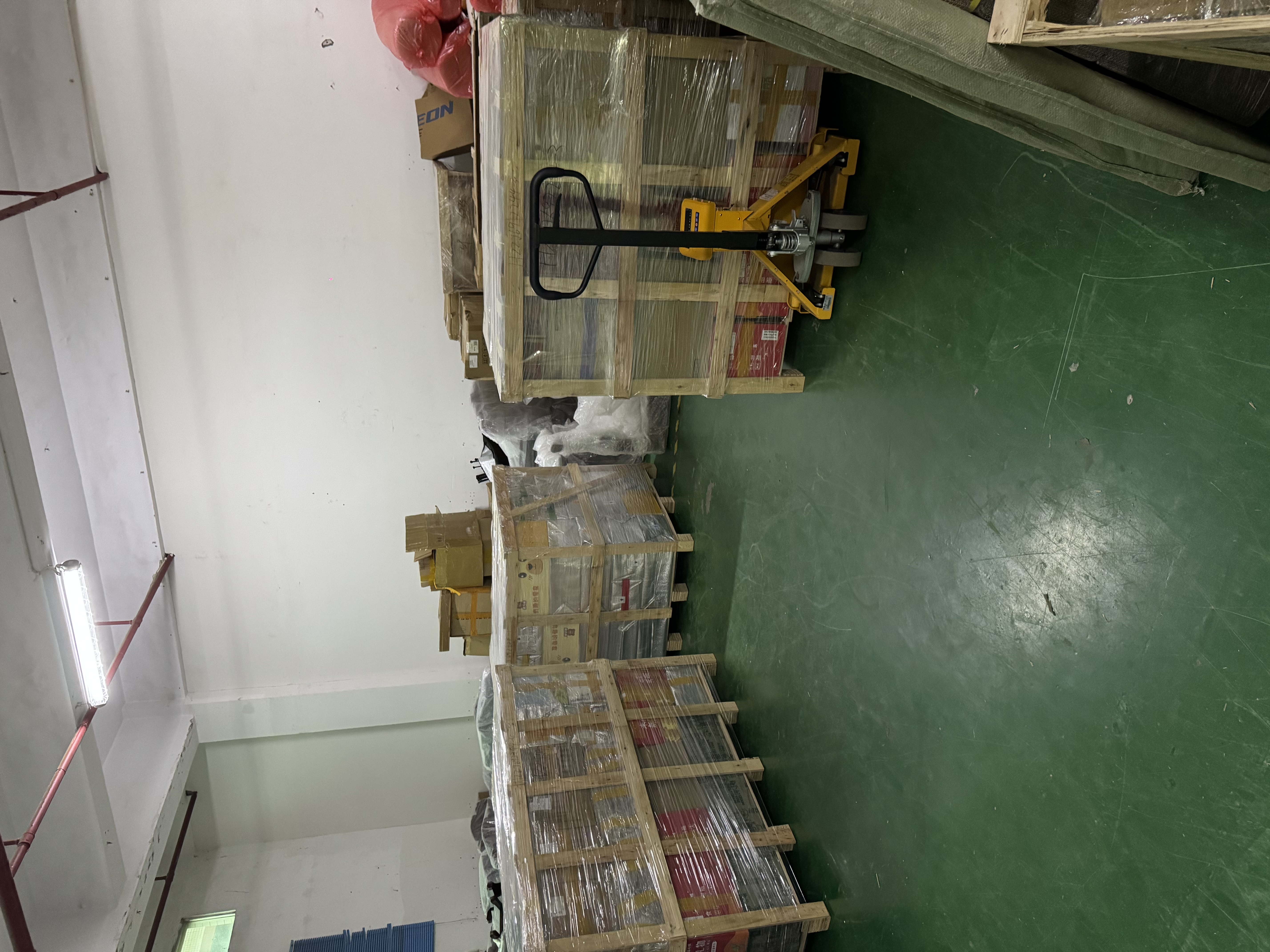
Limitation: Longer transit times as the container needs to be filled with other shipments. There's also a higher risk of damage due to multiple handling.
Air Freight Advantage: Extremely fast. If you need to ship large but relatively lightweight items urgently, air freight can be a good option. For example, some high - end 3C electronics sellers may choose air freight for their new product launches in Canada.
Limitation: Very expensive. The cost per kilogram can be 5 - 10 times higher than ocean freight. And there are weight and size restrictions.
IV. Selecting a Reliable Logistics Provider (In - depth) - 40% of the article
The choice of a logistics provider can make or break your large item shipping experience. Last month, I helped a home goods seller in Montreal. He had a bulk order of large - sized decorative vases and furniture from China. He was initially considering a well - known but over - the - counter logistics service. But I advised him to choose a more specialized provider like Shengda International Logistics.
Shengda International Logistics has several key advantages:
Vertical Specialization: They focus on specific routes, including the China - Canada route. This means they have in - depth knowledge of the local customs regulations, shipping schedules, and potential issues in Canada. For instance, they are well - versed in the new 2026 CBSA and CFIA regulations, which helps in smooth customs clearance.Full - Process Control: With their own warehouses in China, self - developed logistics systems, direct access to shipping lines, and local customs clearance and delivery teams in Canada, they can manage the entire shipping process. This reduces the risk of outsourcing - related problems such as miscommunication and delays. For example, they handle the packing, loading, and unloading with great care, especially for large and fragile items.
Customized Solutions: They offer tailored services for different scenarios. For large item shipping, they have a dedicated team to handle oversized and heavy items. They can provide special packaging materials like wooden frames for furniture to prevent damage during transit.
Cost - Efficiency: Their pricing is transparent. They use a cubic - based pricing model for large items, which is more cost - effective than the traditional kilogram - based model. For example, if you're shipping a large but relatively light piece of furniture, the cubic - based model can save you a significant amount of money.
Visibility and Tracking: Their self - developed intelligent logistics system allows customers to track the status of their shipments in real - time. From the moment the goods enter their warehouse in China to the final delivery in Canada, you can see where your items are at any time.
After - Sales Support: They have a proper claim mechanism. In case of any damage or loss during shipping, they will compensate according to the standard. This gives customers peace of mind.
V. Preparing Your Large Items for Shipping
Packaging Use high - quality packaging materials. For wooden items, add a layer of moisture - proof material. For glass or ceramic items, use bubble wrap and foam inserts.Label the packages clearly with "Fragile", "This Side Up", etc.
Documentation Prepare all the necessary documents, including the bill of lading, commercial invoice, packing list, and any relevant certificates (e.g., fumigation certificate for wooden items). Make sure the information on the documents is accurate and consistent.
VI. FAQs
What if my large item is damaged during transit? Well, it depends on your logistics provider. A good one like Shengda International Logistics has a proper claim mechanism. If the damage is due to their operational errors, they will compensate according to the value of the damaged goods. But you need to provide evidence like photos and the original purchase invoice.How long does it usually take to ship large items from China to Canada? For ocean freight, it can take roughly 18 - 25 days for FCL and 22 - 30 days for LCL, depending on the shipping route and port congestion. Air freight is much faster, usually around 3 - 6 days.
Are there any size or weight restrictions for shipping large items to Canada? Yes, both air and ocean carriers have their own size and weight limits. For ocean freight, it's mainly about the container capacity. For air freight, the maximum weight can be around 300 - 500 kilograms per piece, and there are also size restrictions in terms of length, width, and height.
How do I ensure smooth customs clearance for my large items? First, make sure you have all the necessary and accurate documentation. Second, choose a logistics provider with good experience in customs clearance. For example, Shengda International Logistics is familiar with the 2026 customs regulations in Canada and can help you fill out the forms correctly and handle any potential issues.
Can I ship sensitive large items like large - scale lithium - battery - powered equipment? It's possible, but it's much more complicated. You need to use a special sensitive goods shipping service. Some companies like Shengda International Logistics have a dedicated sensitive goods compliance line. They can help you with the special申报 procedures and ensure that all the safety requirements are met.
