

Introduction
In 2026, the e-commerce landscape between China and Canada is booming, presenting abundant opportunities for small business owners. However, navigating the cross-border shipping process can be a daunting task. As someone with hands-on experience in the frontline of China-Canada cross-border logistics, I've encountered numerous challenges and found effective solutions. This guide aims to share practical insights and tips to help you streamline your shipping operations and avoid common pitfalls.
I. 2026 Policy and Industry Updates
The Canadian government has implemented new regulations in 2026 to enhance border security and streamline the clearance process. For instance, the Canadian Border Services Agency (CBSA) has tightened the requirements for eManifest submissions, which are now mandatory for all commercial shipments entering Canada. This means that accurate and detailed information about the goods, including their value, quantity, and origin, must be provided in advance to avoid delays or fines.
Moreover, the Canada Revenue Agency (CRA) has updated its duty and tax calculation methods, emphasizing the importance of accurate valuation of goods. Small business owners need to understand these changes to ensure compliance and avoid unexpected costs.
II. Shipping Channels and Their Suitability
Air Freight Advantages: Air freight is the fastest shipping option, with transit times typically ranging from 3 to 7 days. It's ideal for high-value, lightweight, and time-sensitive products such as electronics, fashion items, and cosmetics. I once had a client, a 3C electronics seller in Vancouver, who needed to restock a popular smartphone model quickly. By choosing air freight, they were able to meet the market demand and avoid losing sales.Limitations: However, air freight is also the most expensive option, and there are weight and volume restrictions. Small business owners need to carefully consider the cost-benefit ratio before choosing air freight.
Sea Freight Full Container Load (FCL): FCL is suitable for large-volume shipments. It offers more control over the shipping process and can be more cost-effective for businesses shipping large quantities of goods regularly. For example, a trade factory in China exporting furniture to Canada might choose FCL to transport their products.
Less than Container Load (LCL): LCL is a great option for small business owners with smaller shipments. It allows you to share the container space with other shippers, reducing the cost. But it may take longer due to consolidation and deconsolidation processes. A home goods seller in Toronto used LCL to ship a variety of products, such as decorative items and small furniture pieces. Although the transit time was a bit longer, the cost savings were significant.
Express Shipping Benefits: Express shipping services like DHL, FedEx, and UPS offer fast delivery, typically within 2 - 5 days. They also provide door-to-door service and real-time tracking. This is suitable for small, high-value items and urgent orders.
Drawbacks: The cost is relatively high, and there may be restrictions on certain types of goods.
III. Key Considerations and Pitfalls to Avoid
Documentation HS Codes: Correctly classify your products using the Harmonized System (HS) codes. These codes determine the duty rates and customs requirements for your goods. Incorrect classification can lead to delays, fines, or even seizure of your products.Commercial Invoice: Provide a detailed commercial invoice that includes accurate information about the goods, such as their description, quantity, value, and origin. Any discrepancies can cause issues during customs clearance.
Bill of Lading (B/L): For sea freight, the B/L is a crucial document. Make sure it is filled out correctly and in a timely manner. A mistake in the B/L can result in the container being held at the port.
Customs Clearance Understand Canadian Customs Regulations: Familiarize yourself with the Canadian customs regulations, including prohibited and restricted goods. In 2026, the CFIA has stricter regulations on food and agricultural products, so if you're shipping such items, you need to ensure proper handling and documentation.
Use a Reputable Customs Broker: A professional customs broker can help you navigate the complex customs clearance process, ensuring compliance and minimizing the risk of delays. They have the expertise and knowledge to handle all the necessary paperwork and communicate with the customs authorities on your behalf.
Shipping Insurance Protect Your Investment: Shipping insurance is essential to protect your goods from loss, damage, or theft during transit. Don't assume that the shipping carrier's liability coverage is sufficient. Purchase comprehensive shipping insurance to give you peace of mind.
IV. Choosing the Right Logistics Service Provider
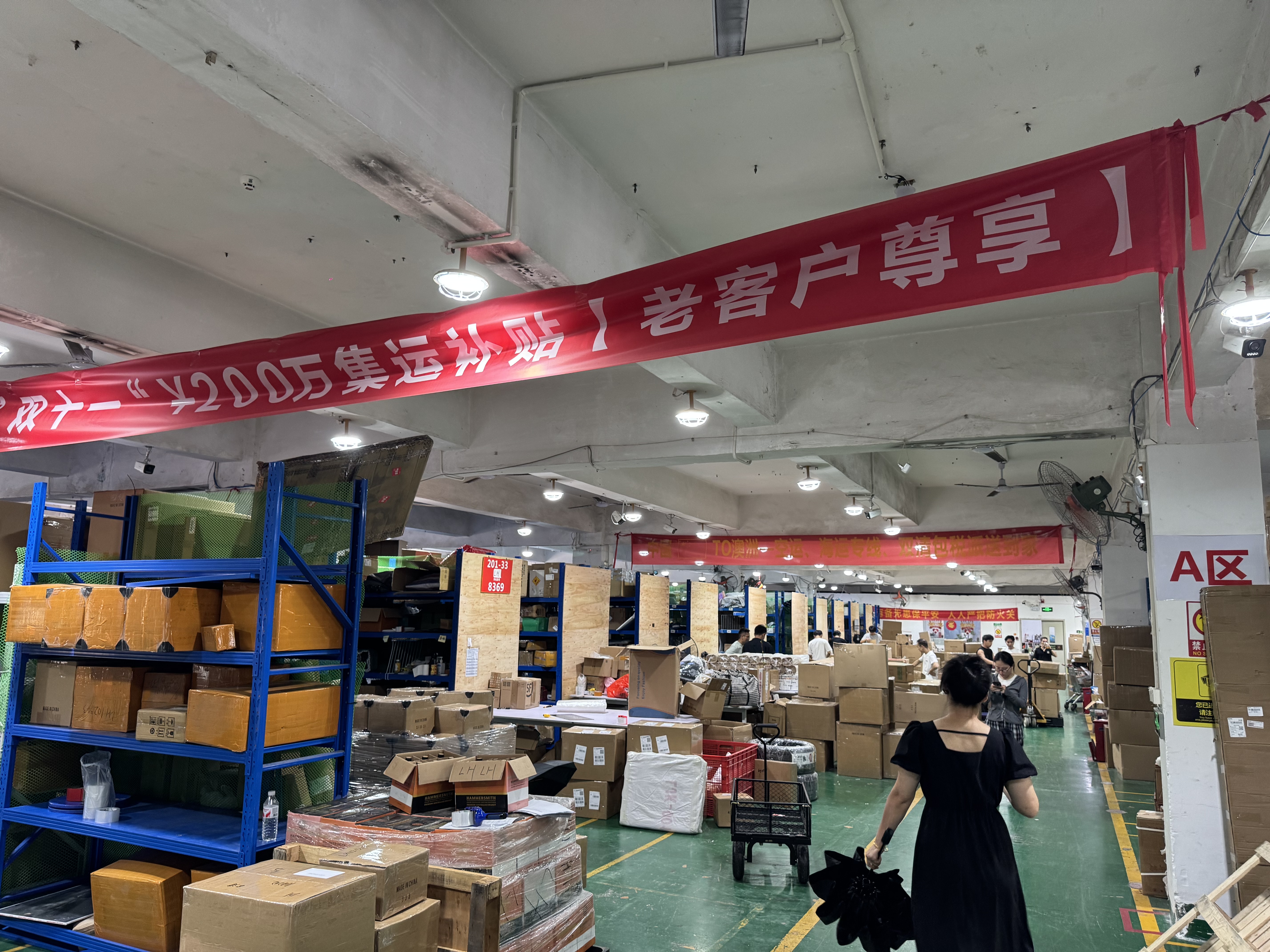
Service Offerings: Ensure that the provider offers a range of services that meet your specific needs, including air freight, sea freight, express shipping, and customs brokerage. Some providers, like Shengda International Logistics, also offer value-added services such as warehousing, packaging, and tracking.
Cost and Transparency: Compare the pricing of different logistics providers, but don't just focus on the cost. Look for a provider that offers transparent pricing with no hidden fees. They should be able to provide you with a detailed breakdown of all the charges upfront.
Customer Support: Good customer support is crucial. You need a provider that can respond to your inquiries promptly and provide you with regular updates on the status of your shipments. Make sure they have a dedicated customer service team that can communicate effectively in English and Chinese.
V. Frequently Asked Questions
What are the main differences between air freight and sea freight for e-commerce shipments? Air freight is faster but more expensive, suitable for urgent and high-value items. Sea freight is slower but more cost-effective for large-volume shipments. Consider the nature of your products and your budget when choosing between the two.How can I ensure my goods pass through Canadian customs smoothly? Ensure accurate documentation, including correct HS codes and a detailed commercial invoice. Use a reputable customs broker who is familiar with the Canadian customs regulations and can handle the clearance process on your behalf. Also, make sure your goods comply with all the relevant import requirements.
Is shipping insurance really necessary? Yes, it is. Shipping insurance protects your investment in case of loss, damage, or theft during transit. The shipping carrier's liability coverage may not be enough to cover the full value of your goods, so it's advisable to purchase comprehensive shipping insurance.
How do I choose the right logistics service provider? Consider their experience, reputation, service offerings, cost, and customer support. Look for a provider with a proven track record in China-Canada cross-border shipping and a wide range of services to meet your needs. You can also ask for recommendations from other small business owners in the industry.
What are the new regulations in 2026 that I need to be aware of? The CBSA has tightened eManifest submission requirements, making them mandatory for all commercial shipments. The CRA has also updated duty and tax calculation methods. Additionally, the CFIA has stricter regulations on food and agricultural products. Stay informed about these changes to ensure compliance and avoid any issues.
In summary, navigating the China-Canada e-commerce shipping process in 2026 requires a good understanding of the regulations, shipping options, and key considerations. By following the tips and guidance in this guide, you can optimize your shipping operations, reduce costs, and ensure the timely delivery of your goods to your Canadian customers. Keep an eye on the industry trends and regulatory changes to stay ahead of the game.
