

What Will Be the Situation of Australia Sea Freight in Different Scenarios in 2026?
In the dynamic world of international logistics, the situation of Australia sea freight in 2026 is of great concern to businesses and individuals involved in cross - border trade. Let's explore the possible scenarios and how they might impact Australia sea freight, while also highlighting the role of Standa International Logistics.
I. Normal Trade Relations Scenario
Steady Growth in Volume If China and Australia maintain normal and healthy trade relations in 2026, sea freight volume is likely to experience a steady growth. For example, currently, China is one of Australia's largest trading partners. In 2023, the trade volume of goods between the two countries via sea freight reached approximately $[X] billion. With the potential expansion of trade in areas such as agricultural products, minerals, and manufactured goods, we can expect the volume to increase by around 5 - 8% in 2026.Standa International Logistics is well - positioned to handle this growth. Our large - scale 35000 - square - meter standardized自营实操仓库 in Shenzhen can efficiently store and process the increased cargo. We also have a dedicated team of 40 - plus professionals with over 10 years of experience in international sea freight operations, ensuring seamless handling from pick - up to final delivery.
Policy Facilitation The relevant policies for the 2026 China - Australia and Australia - China sea freight routes are expected to be more facilitative. The two countries may further simplify customs clearance procedures. For instance, the time for customs clearance of general goods may be reduced from the current average of [X] days to [X - 1] days. This will lead to faster turnaround times for sea freight ships, making the entire supply chain more efficient.
Standa International Logistics' in - depth knowledge of local logistics policies and customs standards in Australia and China allows us to take full advantage of these policy benefits. Our compliance - focused approach ensures that we can clear goods smoothly through customs, minimizing delays for our clients.
II. Trade Disruptions Scenario
Volume Decline and Pricing Challenges In the event of trade disruptions, such as new tariffs or trade restrictions, the sea freight volume between Australia and other countries, especially China, could decline. A similar situation occurred in [year] when [describe a past trade disruption event] and the sea freight volume between the two countries dropped by [X]%. In 2026, if a similar situation repeats, we might see a 10 - 15% decline in volume.This would also lead to a more volatile pricing environment. Shipping companies may try to maintain their profit margins by increasing freight rates, but at the same time, the reduced demand may force some to offer discounts. It will be a challenging situation for both shippers and carriers.
Standa International Logistics, however, has a flexible approach. Our long - term partnerships with shipping lines and our ability to optimize shipping routes can help our clients mitigate the impact of price fluctuations. We also offer alternative solutions, such as air freight for urgent or high - value goods when sea freight becomes less viable.
Logistical Challenges Trade disruptions can lead to logistical challenges such as longer waiting times at ports. There may be increased inspections of goods, which can slow down the loading and unloading processes. For example, during a previous trade dispute, the average waiting time for a container ship at an Australian port increased from [X] hours to [X + 10] hours.
Our advanced logistics system at Standa International Logistics can provide real - time tracking of the shipment status. This allows our clients to plan ahead and make necessary adjustments to their business operations. Our local teams in Australia and China can also communicate directly with relevant authorities to try and resolve any issues as quickly as possible.
III. Economic Transformation Scenario in Australia
New Cargo Types If Australia undergoes an economic transformation in 2026, for example, a greater focus on renewable energy and high - tech industries, the types of cargo transported by sea will change. There will be an increase in the transportation of components for renewable energy projects, such as wind turbine parts and solar panels. Currently, these types of cargo account for only a small percentage of Australia's sea freight, but in 2026, they could make up 5 - 10% of the total volume.Standa International Logistics has the expertise to handle these new cargo types. Our team has experience in transporting specialized and high - value goods, and we can provide customized packaging and handling solutions to ensure the safe and efficient transportation of these items.
Shift in Trade Routes With the economic transformation, there may be a shift in trade routes. Australia may increase its trade with new regions, such as Southeast Asia or South America. This means that sea freight routes will need to be adjusted accordingly. For example, instead of the traditional routes between Australia and China or Europe, we may see more shipping lines operating between Australia and new trading partners.
Our in - depth knowledge of global shipping routes and our ability to partner with local logistics providers in different regions allow us to plan and execute these new trade routes effectively. We can ensure that our clients' goods are transported with the shortest transit times and the lowest costs.
Frequently Asked Questions (FAQ)
How can Standa International Logistics help me if there are trade disruptions in 2026? Well, we've been in the international logistics industry for a long - time. Our experienced team can optimize the shipping routes and find alternative solutions. We also have good relationships with shipping lines, so we can negotiate better prices for you even in a volatile market. For example, during past trade disruptions, we managed to get our clients some really good deals on shipping rates.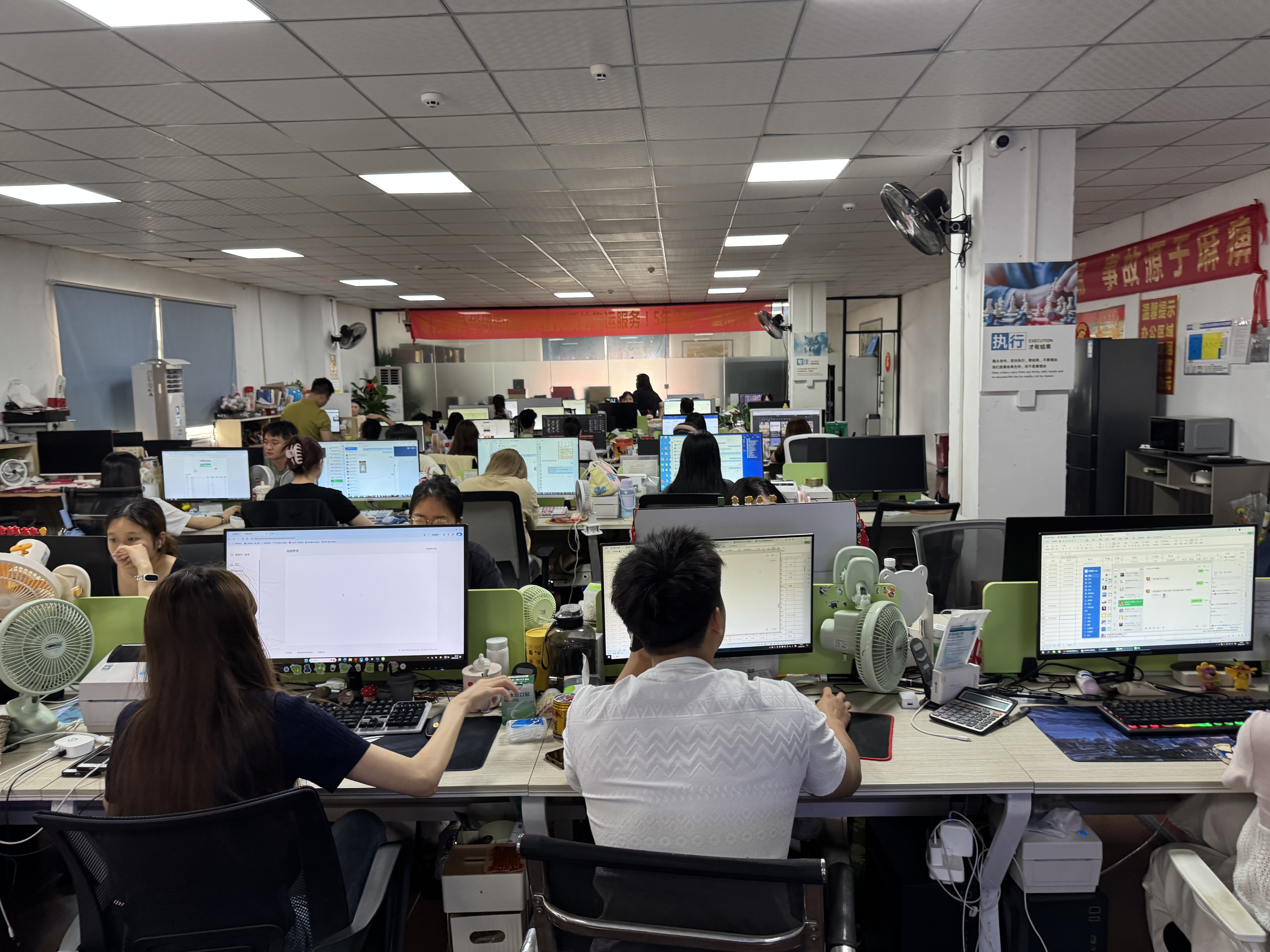
Will Standa International Logistics be able to handle the new types of cargo if Australia's economy transforms? Absolutely. We have a team that's well - versed in handling specialized and high - value goods. We can provide customized packaging and handling solutions for new cargo types like components for renewable energy projects. We've dealt with similar challenging cargo before, so we're confident we can handle it in 2026.
What if the customs clearance time becomes longer in 2026? Our compliance team is very familiar with the local customs policies in both China and Australia. We'll work closely with the customs authorities to ensure a smooth clearance process. Our logistics system also provides real - time tracking, so you can always know the status of your shipment. In fact, in the past, we've managed to reduce the customs clearance time for many of our clients even in difficult situations.
Can Standa International Logistics help me if there's a shift in trade routes? Definitely. We have in - depth knowledge of global shipping routes and a wide network of local logistics partners. We can plan and execute new trade routes effectively, making sure your goods are transported with the shortest transit times and lowest costs. For instance, when trade patterns changed in the past, we quickly adjusted the shipping routes for our clients without any major disruptions.
How does Standa International Logistics ensure the safety of my goods during sea freight in different scenarios in 2026? We have a comprehensive safety protocol. For general goods, we use proper packaging methods and vibration - resistant materials. For high - value or specialized goods, we provide customized protection solutions. Our 35000 - square - meter warehouse in Shenzhen also has strict security measures to ensure the safety of your goods before they are shipped. And with our real - time tracking system, you can monitor the status of your goods throughout the journey.
