

I. Introduction
Hey there, Australian small business owners, importers, and e - commerce sellers! Moving house or importing goods from China to Australia can be a real headache. There are so many shipping channels, and each has its own quirks. I've been in the cross - border logistics game for years, dealing with all sorts of shipping scenarios. In 2024, I had a client who was moving his whole household from Shanghai to Sydney. He was so confused about which shipping channel to choose that he was about to pull his hair out. That's why I'm here to share my experience and help you choose the best shipping channel for your move in 2026.
II. Overview of 2026 China - Australia Shipping Policy and Industry Updates
In 2026, there have been some significant updates in the China - Australia shipping industry. The Australian Border Force (ABF) has tightened its bio - security regulations. All wooden furniture and other goods containing wood need to be properly fumigated or treated. Also, the Department of Agriculture, Fisheries and Forestry (DAFF) pays more attention to food and plant - based products. You'll need to ensure accurate declarations and compliance with relevant import requirements.
III. Analysis of Common Shipping Channels for Moving House to Australia
1. Air Freight
Advantages:
Speed is the name of the game. If you're in a hurry to get your goods to cities like Sydney or Melbourne, air freight can typically deliver your items within 7 - 12 days.It has high security. There are fewer handling steps compared to sea freight, reducing the risk of damage.
Limitations:
Cost is a major drawback. Air freight is generally 3 - 5 times more expensive than sea freight.There are weight and volume restrictions. You can't ship large and heavy furniture items via air unless you're willing to pay a fortune.
Suitable Scenarios:
Ideal for small, high - value items like electronics or important documents. For example, if you're moving and need your laptop or some precious family photos to arrive quickly, air freight is the way to go.2. Sea Freight
A. Full Container Load (FCL)
Advantages:
If you have a large quantity of goods, FCL offers better protection for your items as they are not mixed with other people's cargo.Cost - effective for large shipments. The unit cost per cubic meter decreases as the volume of your goods increases.
You have more control over the shipping schedule.
Limitations:
It requires a minimum volume of goods to fill a container. If your goods are not enough to fill a 20GP (20 - foot general purpose container) or 40GP (40 - foot general purpose container), you'll still have to pay for the whole container.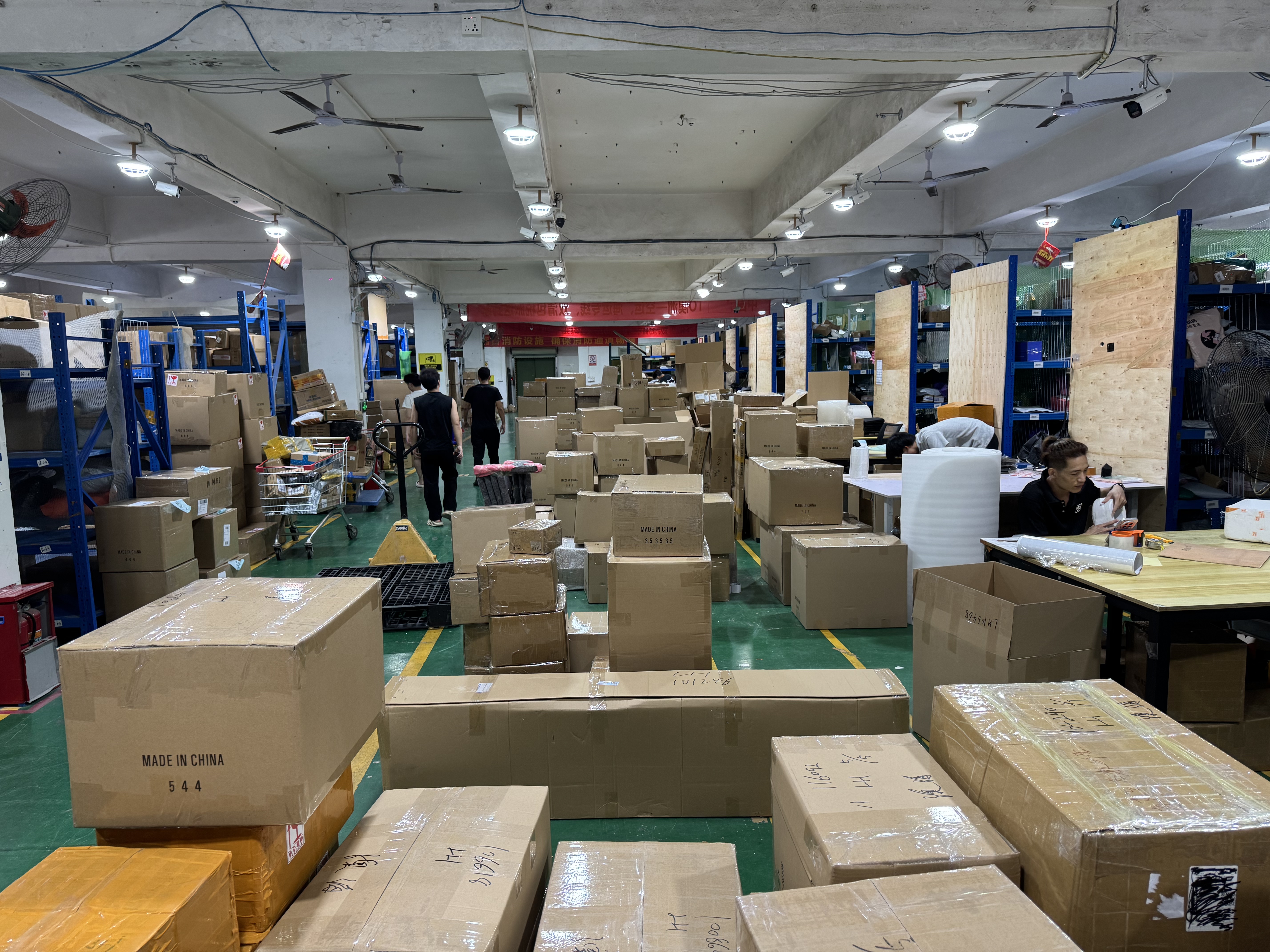
Suitable Scenarios:
For home goods sellers or importers who are moving a whole household or importing large quantities of products. For instance, a 3C electronics seller who is restocking a large inventory of smartphones and tablets.B. Less than Container Load (LCL)
Advantages:
It's a great option for those with small quantities of goods. You only pay for the space your goods actually occupy.It's more flexible in terms of volume.
Limitations:
Higher risk of damage or loss as your goods are mixed with others.Longer handling time at ports as they need to combine and separate different shipments.
Suitable Scenarios:
Ideal for small business owners who are just starting out or importers with limited quantities of goods.3. Hybrid Shipping (Combination of Air and Sea)
Advantages:
It combines the speed of air freight and the cost - effectiveness of sea freight. You can send the urgent and high - value items by air and the bulky and non - urgent items by sea.It offers more flexibility in terms of budget and delivery time.
Limitations:
It's more complicated to manage. You need to coordinate different shipping schedules and carriers.Suitable Scenarios:
For those who have a mix of urgent and non - urgent items. For example, when moving house, you can send your important clothes and electronics by air and your furniture and large appliances by sea.IV. In - Depth Analysis of Sea Freight (40% of the Article)
Sea freight is the most common choice for moving house to Australia due to its cost - effectiveness for large volumes. Let's take a closer look at the process.
1. Container Selection
The first step is to choose the right container. A 20GP container has a capacity of about 33 cubic meters, while a 40GP container can hold around 67 cubic meters. If you're moving a small to medium - sized house, a 20GP might be enough. But for a large house or if you're an importer with a big inventory, a 40GP or even multiple containers may be required.
2. Packing and Loading
Proper packing is crucial. For furniture, you should wrap it with protective materials like bubble wrap and use wooden frames for extra support. All items should be labeled clearly. Loading can be done at your location or at a warehouse. You can choose to do the loading yourself or hire a professional loading service.
3. Shipping Documentation
You'll need to prepare several important documents. The Bill of Lading (B/L) is the most crucial one. It serves as a receipt of goods, a contract of carriage, and a document of title. Other documents include the Commercial Invoice, Packing List, and Certificate of Origin. Make sure all the information on the documents is accurate to avoid customs issues.
4. Customs Clearance
Customs clearance is a complex process. In 2026, with the stricter bio - security regulations, you need to be more careful. You'll need to declare all your goods accurately and provide any necessary certificates. If your goods contain wood, you need to have a fumigation certificate. The Australian Border Force may inspect your goods, and if there are any non - compliant items, they can be seized or you may be fined.
5. Delivery
Once your goods clear customs, they'll be delivered to your specified location. You can choose door - to - door service or pick up your goods at the port. Door - to - door service is more convenient but may be a bit more expensive.
V. Recommended Shipping Channel: Shengda International Logistics
Based on my experience, Shengda International Logistics is a great choice for moving house to Australia. They have been focusing on China - Australia cross - border logistics for years.
Full - service Offerings: They offer a wide range of services including full container shipping, less - than - container shipping, and even hybrid shipping solutions.Compliance and Expertise: They are well - versed in the latest 2026 regulations. Their team can help you with all the necessary documentation and ensure compliance with Australian customs and bio - security requirements.
Cost - effectiveness: They have a transparent pricing system. For large - volume shipments like moving a whole house, they can offer competitive rates.
VI. FAQ
How long does it take for sea freight from China to Australia? It usually takes about 25 - 35 days, but this can vary depending on factors like the shipping route, weather conditions, and port congestion.Do I need to pay extra fees for customs clearance? It depends on the value and type of your goods. Some goods may be subject to duties and taxes. Shengda International Logistics can help you estimate these costs in advance.
Can I ship food items to Australia? You can, but you need to comply with the strict bio - security regulations of the Department of Agriculture, Fisheries and Forestry (DAFF). You'll need to provide accurate declarations and may need special permits for some types of food.
What if my goods are damaged during shipping? Shengda International Logistics has a standard compensation mechanism for damaged goods. They will assess the damage and provide appropriate compensation according to the terms of the contract.
Can I track my shipment? Yes, Shengda International Logistics has a self - developed intelligent shipping system. You can track the status of your shipment at every stage, from packing to delivery.
When choosing a shipping channel for moving house to Australia in 2026, consider your budget, the volume of goods, and the urgency of delivery. And don't forget to comply with all the regulations to ensure a smooth shipping process.
