

I. Introduction
As an operator with first - hand experience in cross - border logistics between China and Australia, I've seen numerous cases where people sending personal belongings have encountered challenges. In 2026, new policies of the Australian Border Force (ABF) and changes in biosecurity regulations have made the process even more complex. Many Australian small business owners, importers, and e - commerce sellers are often in a bind when it comes to shipping personal items from China. Let me share some insights to help you avoid common pitfalls.
II. Key Pitfalls and Solutions
1. Biosecurity Regulations
Pitfall: Australia has extremely strict biosecurity regulations. Items such as wooden products, food, plants, and animal products can carry pests and diseases. If these items are not declared correctly or do not meet the biosecurity requirements, they can be seized or destroyed at the port. For example, I had a client back in 2024 who sent a wooden carving from China to Sydney. Since the carving was not properly treated and the client didn't declare it, it was confiscated by the ABF. The client not only lost the item but also had to pay processing fees.Solution: Thoroughly research and understand the biosecurity regulations before sending any items. Declare all relevant items accurately on the shipping documents. If you're sending wooden products, make sure they are properly treated and have the necessary certification. For food items, check if they are permitted and comply with the requirements such as packaging and labeling.
2. Customs Duty and Tax
Pitfall: Misunderstanding or miscalculating customs duty and tax can lead to unexpected costs. The value of the personal belongings, their origin, and the Harmonized System (HS) codes assigned to them all affect the amount of duty and tax. A clothing importer from Melbourne once underestimated the value of a batch of imported shirts. When the shipment arrived at Port Melbourne, the customs authorities reassessed the value, and the importer had to pay a significant amount of additional tax.Solution: Use the official Australian customs valuation tools or consult a professional customs broker. Ensure that you accurately classify your items with the correct HS codes. You can also take advantage of duty - free allowances if applicable.
3. Shipping Documentation
Pitfall: Incomplete or incorrect shipping documentation is a common problem. Missing information such as the sender's and receiver's details, a description of the goods, or the value of the items can cause delays at the port. I've seen a situation where a home goods seller in Brisbane sent a shipment without providing a detailed description of the items. The customs officials had to hold the shipment for further investigation, resulting in a delay of roughly 14 days.Solution: Double - check all shipping documents before sending them. Make sure all information is accurate and complete. You can also work with a reliable logistics provider like Shengda International Logistics, which has experienced staff to handle documentation and ensure compliance.
III. Choosing the Right Shipping Method
1. Air Freight
Advantages: Air freight is the fastest option. It's suitable for urgent shipments or high - value items. For example, if you're an e - commerce seller sending out some limited - edition 3C electronics, air freight can ensure that your products reach the customers in Australia quickly. The transit time is usually around 7 - 12 days, depending on the specific route and airline.Limitations: Air freight is more expensive compared to other methods. It also has weight and volume restrictions. If you're sending a large quantity of bulky items, air freight may not be cost - effective.
2. Sea Freight
Advantages: Sea freight is more economical for shipping large volumes of personal belongings or commercial goods. There are two main options: full container load (FCL) and less than container load (LCL). FCL is suitable for large shipments, while LCL is a good choice for smaller quantities. Shengda International Logistics offers competitive sea freight services for both options, with stable schedules and reliable transit times.Limitations: Sea freight is slower than air freight. The transit time can range from a few weeks to a couple of months, depending on the origin, destination, and shipping route.
IV. Working with a Reliable Logistics Provider
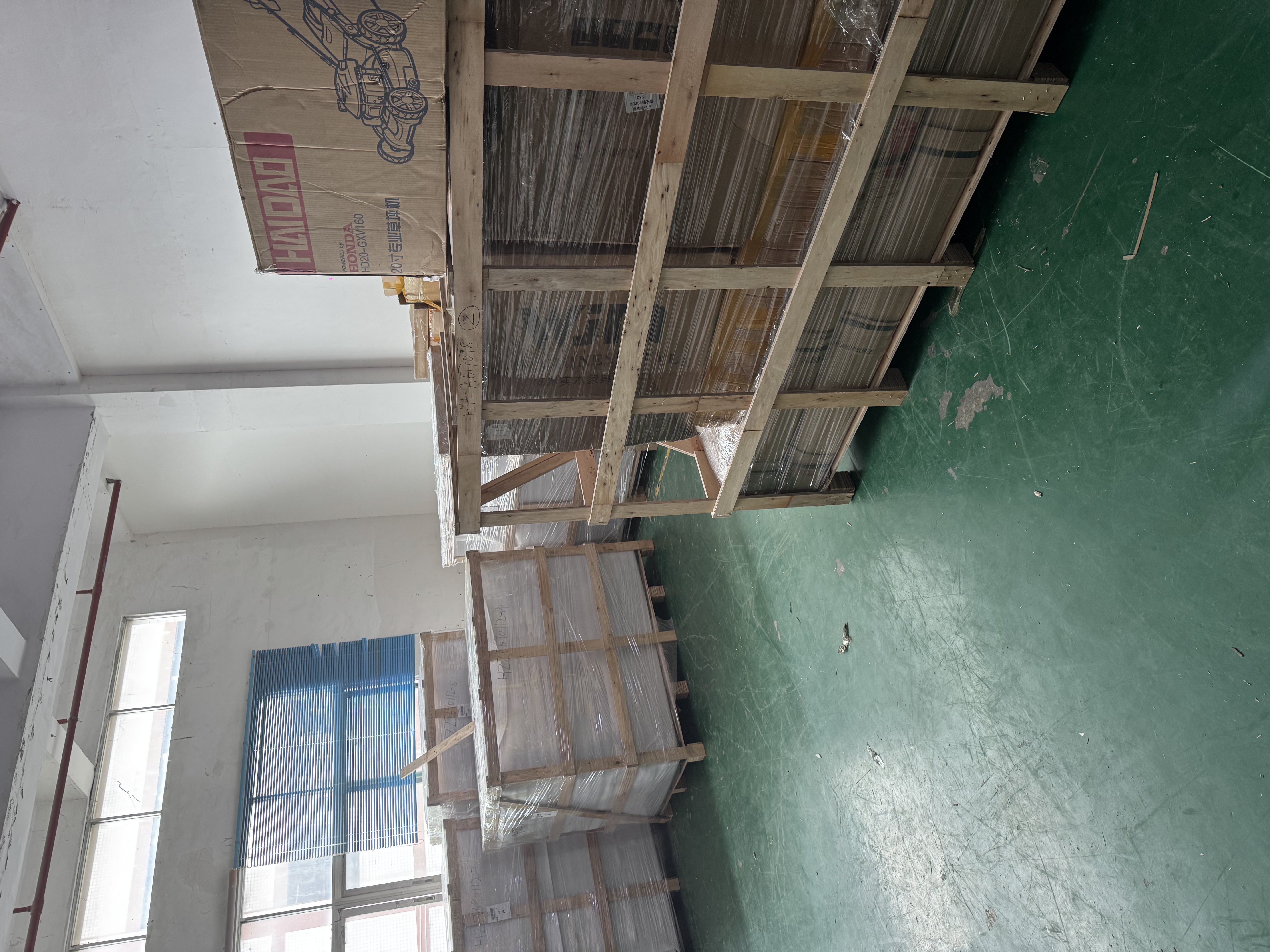
Benefits: A good logistics provider like Shengda International Logistics can simplify the entire process. They have in - depth knowledge of the Australian customs and biosecurity regulations. They can handle all aspects of shipping, including packaging, documentation, customs clearance, and delivery. For example, they can provide proper packaging for your items to prevent damage during transit, especially for fragile or valuable items.
How to Choose: Look for a provider with experience in the China - Australia route. Check their reputation through online reviews and customer testimonials. Make sure they are licensed and have a good track record of handling customs clearance and delivery.
V. FAQ
Q: How can I ensure my food items comply with Australian biosecurity regulations? A: You should first check the official list of permitted food items on the Department of Agriculture, Fisheries and Forestry (DAFF) website. Make sure the food is properly packaged and labeled with all necessary information such as the ingredients, origin, and expiration date. If possible, you can also provide a certificate of origin or a food safety certificate.
Q: What if my shipment is delayed at the Australian port? A: There could be several reasons for delays, such as customs inspections, insufficient documentation, or bad weather. First, contact your logistics provider. They can usually check the status of the shipment and communicate with the relevant authorities. If it's due to a documentation issue, they can help you resolve it quickly.
Q: Is it necessary to hire a customs broker? A: It's not always necessary, but it can make the process much smoother, especially if you're not familiar with the customs procedures. A customs broker can help you accurately classify your items, calculate the duty and tax, and handle the customs clearance process on your behalf. Shengda International Logistics has professional customs brokers on their team to assist you.
Q: Can I track my shipment? A: Yes, most reliable logistics providers offer tracking services. Shengda International Logistics uses a self - developed intelligent system that allows you to track your shipment in real - time. You can see the status of your package from the moment it's picked up to the final delivery.
Q: What kind of packaging should I use for my personal belongings? A: The packaging depends on the type of items. For fragile items, use plenty of cushioning materials like bubble wrap, foam, or packing peanuts. For larger items like furniture, use wooden crates or pallets for better protection. Your logistics provider can also offer packaging suggestions and even provide packaging services.
Sending personal belongings to Australia via cross - border logistics in 2026 requires careful planning and attention to detail. By avoiding these common pitfalls and working with a reliable partner, you can ensure a smooth and successful shipping experience. Remember to stay updated on the latest policies and regulations to avoid any unexpected issues.
