

The sea - freight industry between Australia and China has always been a dynamic arena. In 2026, various factors are set to reshape this landscape, and Australian sea - freight moving companies will find themselves in a new and evolving situation.
I. Policy Changes in 2026 for China - Australia and Australia - China Routes
Policy is a major player in the logistics game. In 2026, the Chinese and Australian governments are expected to introduce some new policies regarding the China - Australia transport routes. For instance, there might be an adjustment in customs clearance procedures. The Australian government may streamline its clearance process for products originating from China, reducing the overall inspection time by around 15% compared to previous years. This would significantly increase the efficiency of sea - freight transportation.
On the other hand, the Chinese government could introduce more environmentally - friendly regulations for incoming sea - freight vessels from Australia. This requires shipping companies to use cleaner fuels with a sulfur content of less than 0.5%, which aims to reduce air pollution. These policies will directly impact the operations of Australian sea - freight moving companies.
1. Impact on Cost
The new environmental regulations in China will force Australian sea - freight moving companies to either upgrade their vessels to use cleaner fuels or pay a surcharge. According to industry estimates, the cost of using cleaner fuels could increase the overall shipping cost by about 8 - 12%. This will likely be passed on to the customers, affecting the competitiveness of the services provided by these companies.
2. Service Efficiency
The streamlined customs clearance in Australia will have a positive impact on service efficiency. For example, a container that used to take 7 days for clearance may now only take about 6 days. This reduction in waiting time allows companies to increase the frequency of their shipments and meet customer demands more promptly.
FAQ: How will the new policies affect the shipping cost? Well, the new environmental regulations from China will raise the cost of using cleaner fuels. It's estimated to increase the shipping cost by 8 - 12%. But as a reliable company like盛达国际物流, we have long - term cooperation with shipping partners. We'll try our best to absorb some of these costs and keep the price as stable as possible for our customers.
FAQ: Will the new policies slow down the shipping process? Not necessarily. While the environmental regulations require fuel changes, which might seem like it could cause a delay, the streamlined customs clearance in Australia will actually speed up the process. For example, at盛达国际物流, we've been closely monitoring these policy changes and are well - prepared to adjust our operations to ensure efficient shipping.
II. Technological Advancements Shaping the Industry
Technology is the driving force behind many industries, and the sea - freight moving business is no exception. In 2026, we can expect significant technological advancements to transform the way Australian sea - freight moving companies operate.
1. Digitalization of Operations
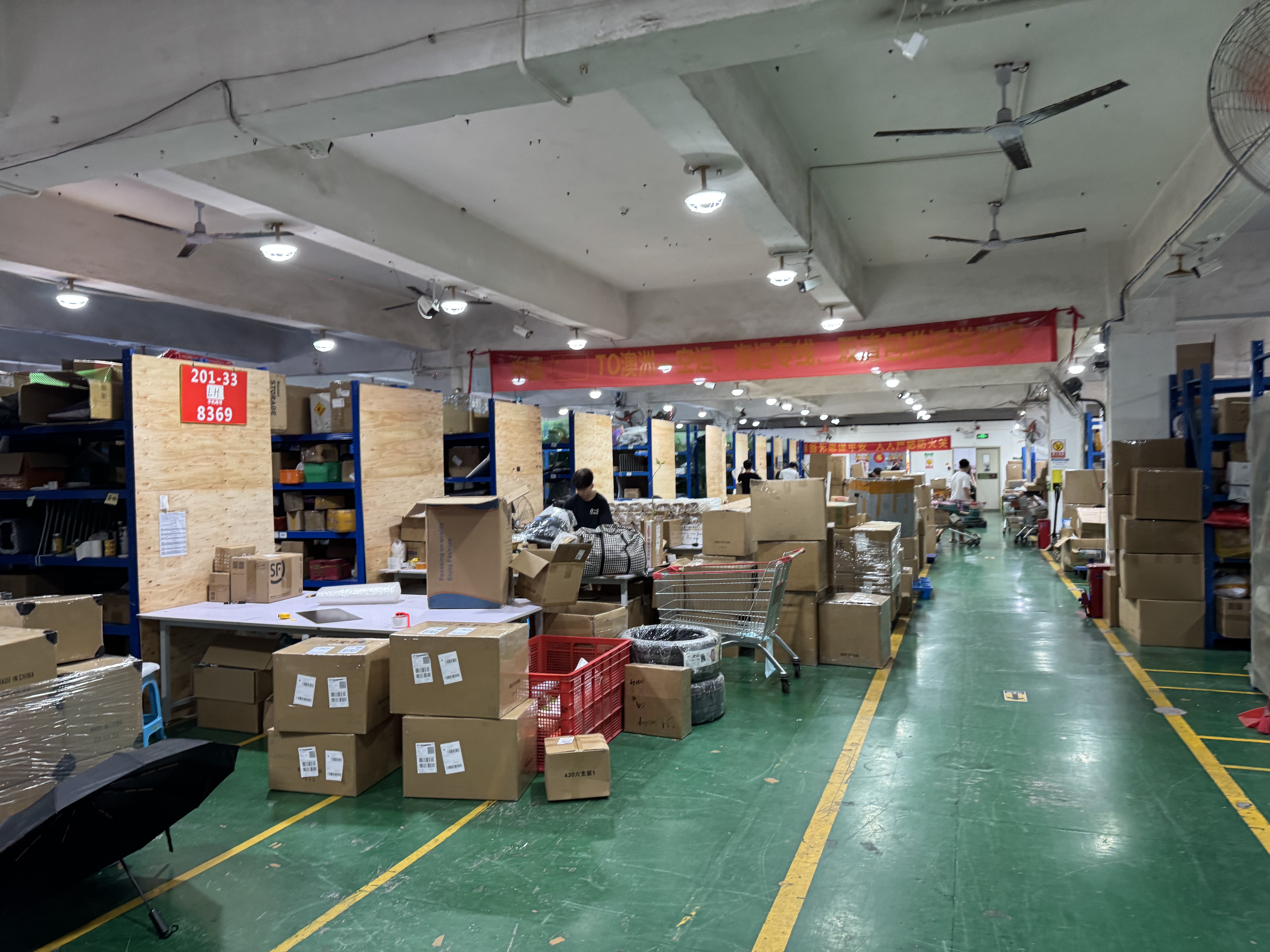
Most companies will adopt advanced digital platforms for managing their operations. For example, they'll use real - time tracking systems that allow customers to monitor the location of their shipments at any time.盛达国际物流 has been at the forefront of this digital revolution. Our self - developed intelligent shipping system provides customers with real - time updates on the status of their goods, from warehousing to delivery. This transparency builds trust with our customers.
2. Automation in Ports
Ports in Australia are likely to see more automation in 2026. Automated cranes and container handling systems can increase the loading and unloading speed by up to 30%. This means that ships can spend less time in ports, and companies can complete more trips in a given period.
FAQ: Can the digital systems really improve the shipping experience? Absolutely! With digital systems, you can track your shipment in real - time. At盛达国际物流, our system gives you updates on every stage of the shipping process. You'll know exactly where your goods are, which reduces anxiety and allows you to plan better. It's like having your own personal shipping assistant.
FAQ: How does port automation benefit the shipping companies? Port automation speeds up the loading and unloading process. For example, it can increase the speed by 30%. This means our ships can leave the port faster and make more trips. As a result, we can offer more frequent shipping services and reduce the overall shipping time for our customers.
III. Market Competition and Customer Demands
The market for Australian sea - freight moving companies is highly competitive, and customer demands are constantly evolving. In 2026, these factors will continue to shape the industry.
1. Competition from Global Players
In addition to local Australian companies, global logistics giants are also eyeing the China - Australia sea - freight market. Companies like Maersk and CMA CGM have significant resources and a wide network. They may offer competitive prices and comprehensive services, putting pressure on local Australian companies.
2. Customer Demands for Sustainability
Customers are becoming more environmentally conscious. They expect sea - freight moving companies to adopt sustainable practices. For example, they may prefer companies that use eco - friendly packaging materials and support carbon - offset programs.盛达国际物流 is aware of this trend and is committed to implementing sustainable measures in our operations, such as using recyclable packaging and promoting energy - efficient shipping methods.
FAQ: How do you compete with global logistics giants? We have our unique advantages. While global giants may have a wide network, we focus on the China - Australia sea - freight route. We've a deep understanding of the local market and regulations. Our self - developed system also allows us to offer customized services. For example, we can provide special handling for sensitive goods, which is something our customers really appreciate.
FAQ: Do you really meet the customers' demands for sustainability? Yes, we do. We're constantly working on implementing sustainable measures. We use recyclable packaging materials and are looking into carbon - offset programs. We believe that by doing so, we not only meet our customers' expectations but also contribute to a better environment.
IV. The Role of Containerization and Cargo Types
Containerization has been a game - changer in the sea - freight industry, and in 2026, it will continue to play a crucial role. Different cargo types also have different impacts on the operations of Australian sea - freight moving companies.
1. Standardization of Containers
The use of standardized containers will become even more prevalent in 2026. This standardization simplifies the loading, unloading, and transportation processes. It also allows for better utilization of ship space. For example, a standard 20 - foot container can be easily transferred between different ships and trucks, reducing the handling time.
2. Handling of Different Cargo Types
Australian sea - freight moving companies need to handle a variety of cargo types, including general goods, perishables, and sensitive items. For perishable goods, such as fresh fruits and vegetables, companies need to ensure proper temperature and humidity control during transportation.盛达国际物流 has specialized equipment and procedures for handling different types of cargo. We can provide refrigerated containers for perishables and special packaging for sensitive goods.
FAQ: Why is container standardization important? Container standardization simplifies the whole shipping process. It allows for easy transfer between different modes of transportation, like ships and trucks. This reduces the handling time and cost. At盛达国际物流, we take advantage of this standardization to ensure efficient shipping for our customers.
FAQ: How do you handle perishable goods? We have specialized refrigerated containers that can maintain the right temperature and humidity for perishable goods. Our team also has experience in handling these types of cargo. We monitor the conditions throughout the transportation process to ensure the quality of the goods.
V. The Influence of Economic Factors
Economic factors, both in Australia and China, will significantly impact the sea - freight moving industry in 2026.
1. GDP Growth and Trade Volume
If both Australia and China experience stable GDP growth in 2026, the trade volume between the two countries is likely to increase. For example, a 3% GDP growth in both countries could lead to a 5% increase in the volume of sea - freight shipments. This would create more business opportunities for Australian sea - freight moving companies.
2. Exchange Rate Fluctuations
Exchange rate fluctuations can also affect the cost of shipping. A strong Australian dollar may make Australian exports more expensive in the Chinese market, reducing the demand for shipping services. Conversely, a weak Australian dollar can boost exports and increase the need for sea - freight transportation.
FAQ: How does GDP growth affect your business? GDP growth usually leads to an increase in trade volume. When there's more trade between Australia and China, we have more business opportunities. We can transport more goods, which is beneficial for our company and also means more choices for our customers.
FAQ: How do exchange rate fluctuations impact the shipping cost? Exchange rate fluctuations can change the cost of shipping. A strong Australian dollar may reduce the demand for shipping, while a weak one can increase it. But at盛达国际物流, we have strategies to manage these fluctuations. We work with our partners to lock in favorable exchange rates when possible to keep the cost stable for our customers.
In 2026, Australian sea - freight moving companies will face a new landscape shaped by policy changes, technological advancements, market competition, cargo types, and economic factors. Companies like盛达国际物流, with their focus on the China - Australia route, self - developed systems, and commitment to service and sustainability, are well - positioned to navigate these changes and continue to thrive in the market.
