

Will 2026 See Different Scenarios for Shipping Domestic Building Materials to Australia?
In the world of international logistics, the shipping of domestic building materials to Australia has always been a significant and dynamic area. As we look forward to 2026, many wonder if there will be different scenarios emerging in this shipping sector. Let's delve into it.
I. Current Situation of Shipping Building Materials to Australia
Shipping Volume and Popularity Currently, the demand for domestic building materials in Australia is quite high. Australian construction companies and homeowners often import a wide range of building materials, such as ceramic tiles, wooden boards, and steel products, from China. According to recent industry reports, the annual shipping volume of these materials has been steadily increasing in the past few years, reaching tens of thousands of tons. For example, in 2023, the shipping volume of ceramic tiles from China to Australia was around 30,000 tons.
Shipping Routes and Modes The most common shipping routes for building materials from China to Australia are through major ports like Shanghai, Shenzhen, and Ningbo to ports in Australia such as Sydney, Melbourne, and Brisbane. The main shipping mode is container shipping, which offers stability and relatively low costs. However, for some urgent orders, air - freight might also be considered, although it is much more expensive.
Challenges in the Current Shipping Process One of the significant challenges is customs clearance. Australian customs has strict regulations on the import of building materials, especially regarding environmental protection and safety standards. This often leads to delays and additional costs. Another challenge is the long shipping time, which can sometimes take up to several weeks, affecting project schedules in Australia.
II. Potential Policy Changes in 2026 for China - Australia Shipping Routes
Customs Regulations In 2026, we may see some changes in Australian customs regulations for building materials. It is possible that Australia will further tighten its environmental protection requirements for imported materials. For example, stricter limits on the content of harmful substances in paints and adhesives may be imposed. On the other hand, there could also be some streamlined processes for well - known and compliant suppliers. For instance, brands that have a good track record of meeting Australian standards may be eligible for faster customs clearance.Tariff Policies Tariff policies play a crucial role in international trade. As of now, there are certain tariffs on building materials imported into Australia. In 2026, if the China - Australia Free Trade Agreement undergoes further optimization, we might see a reduction in tariffs for some building materials. This would make Chinese building materials more competitive in the Australian market, potentially leading to an increase in shipping volume.
Shipping Quotas and Permits There could be adjustments to shipping quotas and permits. Australian authorities may introduce more balanced policies to ensure the stability of the domestic building materials market. For example, they may set reasonable quotas for different types of building materials to prevent over - imports in some categories.
III. Impact of Technological Advancements on Shipping Building Materials to Australia in 2026
Smart Logistics Systems By 2026, smart logistics systems are likely to be widely adopted in the shipping of building materials. These systems can provide real - time tracking of containers, from the moment they leave the Chinese port to their arrival in Australia. This means that shippers and recipients can have a clear understanding of the location and status of their goods at any time, reducing the risk of loss or delay. For example, sensors installed in containers can monitor factors like temperature, humidity, and shock, ensuring the quality of building materials during transit.Automated Loading and Unloading Automation in loading and unloading operations will also improve efficiency. In ports, automated cranes and conveyor belts can handle building materials more quickly and accurately than manual labor. This not only speeds up the shipping process but also reduces the risk of damage to the materials. As a result, shipping time can be shortened, and the overall cost of shipping can be reduced.
Use of New Packaging Materials New packaging materials will emerge by 2026. These materials can offer better protection for building materials during transportation, especially for fragile items like glass and ceramics. For example, biodegradable and shock - absorbing packaging materials can reduce the damage rate of building materials, which is beneficial for both shippers and recipients.
IV. Competition in the Shipping Market for Building Materials to Australia in 2026
Competition Among Shipping Companies In 2026, the competition among shipping companies for the business of shipping building materials to Australia will intensify. Major players in the market, including Maersk, CMA CGM, and COSCO, will continue to compete for market share. They will offer more competitive prices, better service quality, and more flexible shipping schedules. For example, some shipping companies may introduce new routes or increase the frequency of sailings to meet the growing demand.Competition from Local Australian Suppliers Local Australian suppliers of building materials may also pose a challenge to imported materials. In 2026, they may invest in new technologies and production methods to improve the quality and reduce the cost of their products. This could lead to a decrease in the market share of imported building materials if they cannot maintain their competitiveness.
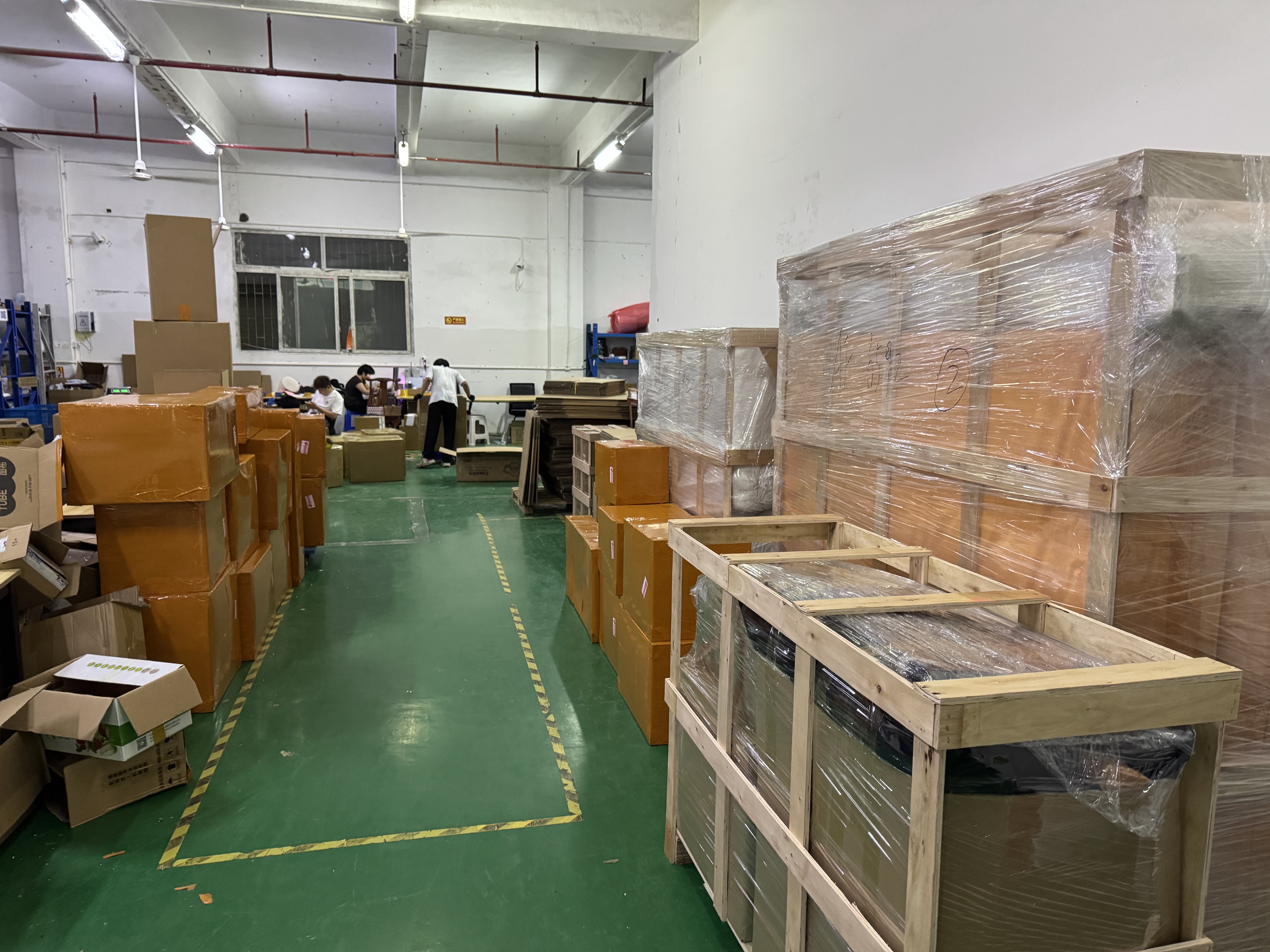
V. How Will These Changes Affect Shippers and Recipients?
For Shippers Shippers will need to adapt to the new policies and technological advancements. They will have to ensure that their building materials meet the stricter customs regulations in 2026. At the same time, they can take advantage of smart logistics systems to improve the efficiency of their shipping operations. For example, they can use real - time tracking data to optimize their inventory management.For Recipients Recipients in Australia can expect more reliable and efficient delivery of building materials in 2026. If the tariff policies are more favorable, they may be able to purchase Chinese building materials at a lower cost. On the other hand, they may also have more choices in terms of shipping schedules and service quality.
VI. Why Choose Shengda International Logistics for Shipping Building Materials to Australia?
Specialized in Cross - Border Shipping Shengda International Logistics has a long - standing experience in cross - border shipping, especially in the routes from China to Australia. They have a deep understanding of the local customs regulations and shipping policies, which can help shippers avoid unnecessary delays and costs during customs clearance.Full - Chain Autonomous Control With their own warehousing facilities, self - developed logistics systems, first - hand shipping resources, and local customs clearance and overseas delivery teams, Shengda International Logistics can control the entire shipping process independently. This means that there is no outsourcing, which reduces the risk of package loss, mis - delivery, and damage.
Customized Solutions They can provide customized shipping solutions for different types of building materials. Whether it is a small - scale order of ceramic tiles or a large - scale shipment of steel products, Shengda International Logistics can design a suitable shipping plan to meet the specific needs of shippers.
Transparent Pricing Shengda International Logistics adopts a transparent pricing model. All costs, including freight, customs clearance fees, taxes, and delivery fees, are clearly stated, without any hidden charges. This gives shippers a clear idea of the total cost of shipping and allows them to make better financial plans.
FAQ
Q: What kind of building materials can Shengda International Logistics ship to Australia? A: Shengda International Logistics can ship a wide variety of building materials, such as ceramic tiles, wooden boards, steel products, glass, and paints. They have experience in handling different types of materials and can ensure compliance with Australian customs regulations.Q: How long does it usually take to ship building materials from China to Australia? A: The shipping time can vary depending on the shipping mode and route. Generally, container shipping takes around 2 - 4 weeks, while air - freight can be much faster, usually within a few days. Shengda International Logistics can provide more accurate shipping time estimates based on specific orders.
Q: Can Shengda International Logistics handle the customs clearance process for building materials? A: Yes. Shengda International Logistics has a professional team that is well - versed in Australian customs regulations. They can handle the entire customs clearance process, including document preparation, declaration, and communication with customs authorities, to ensure a smooth and efficient clearance.
Q: How does Shengda International Logistics ensure the safety of building materials during transportation? A: They use a variety of packaging and protection methods. For fragile items, they use shock - absorbing materials and special packaging to prevent damage. In addition, their smart logistics systems can monitor the status of containers during transit, providing real - time information on factors like temperature, humidity, and shock to ensure the safety of the materials.
Q: Are there any additional costs for using Shengda International Logistics to ship building materials to Australia? A: There are no hidden costs. Shengda International Logistics has a transparent pricing model, and all costs are clearly stated in advance. The only possible additional costs may be due to special requirements or changes in customs regulations, but they will inform the shippers in a timely manner.
In conclusion, 2026 may bring different scenarios for shipping domestic building materials to Australia. With potential policy changes, technological advancements, and increased competition, shippers and recipients need to be well - prepared. Shengda International Logistics, with its specialized services and advantages, can be a reliable partner in this process.
