

I. Introduction
Did you know that in 2026, there's been a notable increase in the number of student baggage shipments to Australia facing issues? Many Australian small business owners, importers, and e - commerce sellers who deal with sending student essentials are scratching their heads over unexpected delays, high costs, and customs problems. I've been in the cross - border logistics business for years, and I've seen firsthand how these issues can disrupt operations. Let me share some insights to help you avoid these pitfalls.
II. Common Pitfalls and How to Avoid Them
Customs Declaration Errors Problem Consequence: Incorrect customs declarations are a major headache. In 2026, the Australian Border Force (ABF) has tightened its regulations. If you misdeclare the value, quantity, or nature of the items in student baggage, it can lead to long - term customs holds. For example, I had a client back in 2024 who declared a laptop as a simple electronic device without specifying its high - end configuration and value. The package was held at Port Botany for over a week, causing a lot of stress for the student waiting for their belongings.Solution: Take the time to accurately fill out all customs forms. Use the correct HS codes for each item. If you're unsure, consult a customs expert or use the official Australian government resources. Double - check all information before submitting the declaration.
Shipping Method Misselection Problem Consequence: Choosing the wrong shipping method can be costly and time - consuming. For instance, if you opt for air freight for large, bulky student furniture without considering the volume - weight calculation, you might end up paying a fortune. In some cases, home goods sellers shipped a set of furniture via air to Sydney, thinking it would be faster, but the cost was three times higher than sea freight, and it wasn't even that much quicker due to airport congestion.
Solution: Evaluate the size, weight, and urgency of the shipment. For large and non - urgent items, sea freight is usually more cost - effective. For small, urgent items like textbooks or small electronics, air freight might be a better choice.
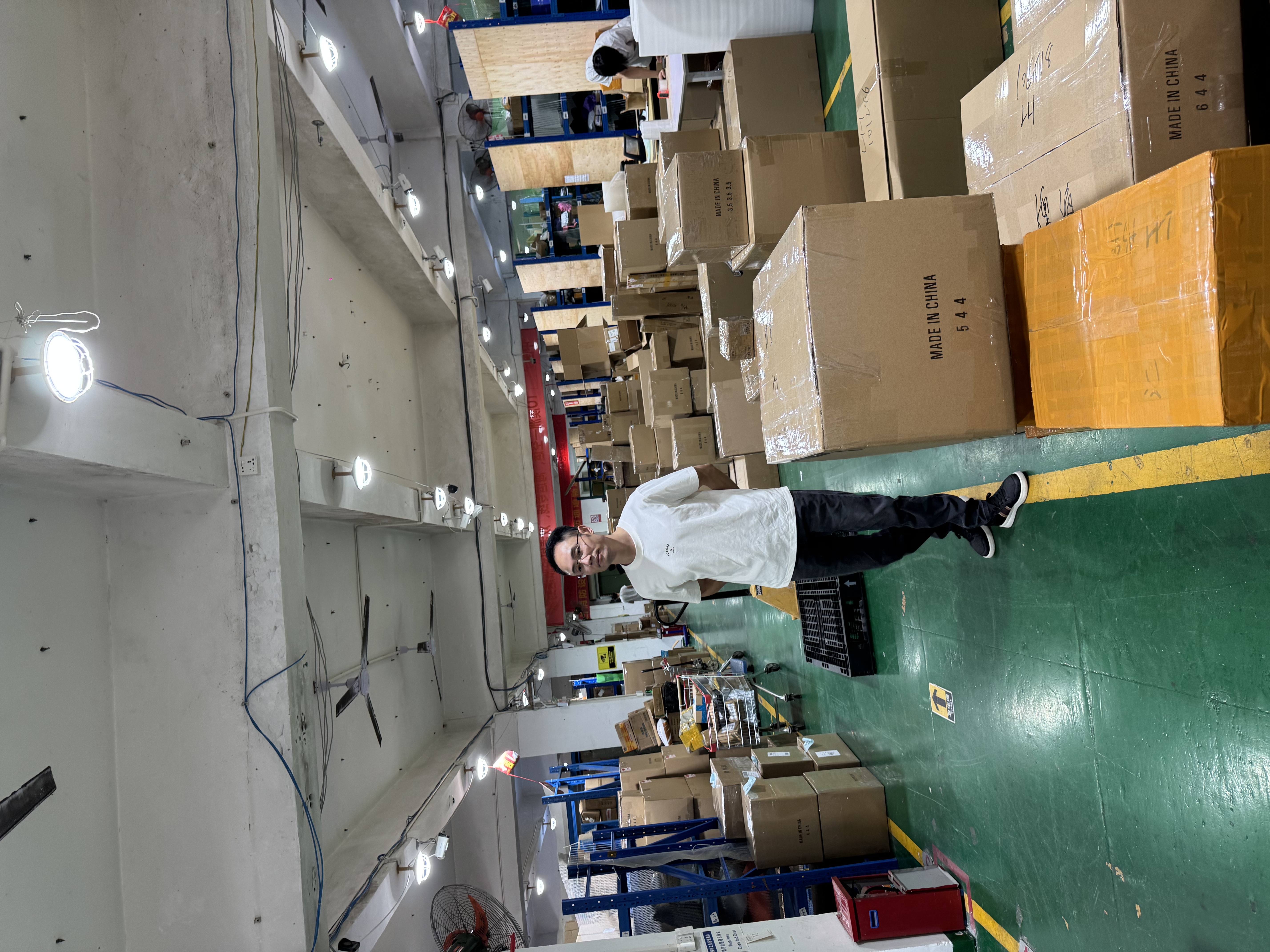
Solution: Familiarize yourself with the Department of Agriculture, Fisheries and Forestry (DAFF) regulations. If you're sending items that might be subject to biosecurity checks, make sure they are properly treated and have the necessary permits.
III. In - Depth Look at Shipping Methods and Their Considerations (40% of the text)
Air Freight Advantages: Air freight is known for its speed. It's ideal for small, high - value items or items that need to reach the student quickly, such as replacement parts for a 3C electronics device. The transit time from China to major Australian cities like Sydney or Melbourne is usually around 7 - 12 days. Also, air freight has better tracking capabilities, which means you can keep a close eye on the shipment's progress.Limitations: The cost is significantly higher compared to sea freight. There are also weight and size restrictions. For example, most airlines have a maximum weight limit per piece of cargo, and if your item exceeds this limit, you'll need to make special arrangements, which can be complicated and expensive. Additionally, during peak travel seasons, there may be limited cargo space available, leading to delays.
Cost Breakdown: The cost of air freight is calculated based on both the actual weight and the volumetric weight of the shipment. The volumetric weight is determined by dividing the volume (length x width x height) of the package by a certain factor (usually around 6000 for most airlines). You'll be charged based on the higher of the two weights. For example, a small but bulky package might end up being charged based on its volumetric weight, even if it's relatively light.
Sea Freight Advantages: Sea freight is much more cost - effective for large and heavy shipments. It's a great option for home goods sellers sending furniture or for students shipping a large number of personal belongings. For example, if you're sending a full container of furniture from a trade factory in China to Brisbane, sea freight can save you a significant amount of money. Also, sea freight can handle larger volumes and heavier items without the strict weight and size restrictions of air freight.
Limitations: The transit time is much longer, typically around 20 - 30 days from China to Australia. There's also a higher risk of delays due to factors like bad weather, port congestion, or mechanical issues with the ship. For instance, during the rainy season, ports in Australia may experience congestion, causing ships to wait longer to dock and unload.
Cost Breakdown: Sea freight is usually charged per container or per cubic meter. If you're using a full container (20GP, 40GP, or 40HQ), you'll pay a flat rate for the container. For less - than - container - load (LCL) shipments, you'll be charged based on the volume of your goods. There may also be additional fees such as terminal handling charges, documentation fees, and customs clearance fees.
IV. Other Key Points to Note
Packaging Proper packaging is crucial to prevent damage during transit. For fragile items like glassware or electronics, use plenty of cushioning materials such as bubble wrap or foam. For larger items like furniture, consider using wooden crates or pallets for added stability.Documentation Keep all shipping and customs documents in order. This includes the bill of lading, commercial invoice, packing list, and any necessary permits. Make sure all documents are legible and contain accurate information.
V. FAQ
Q: I'm an e - commerce seller sending student - related electronics to Australia. How can I ensure a smooth customs clearance? A: First, use the correct HS codes for your electronics. Provide detailed descriptions of the products, including their features and value. Also, make sure you have all the necessary certifications for the electronics, such as safety certifications. If possible, work with a customs broker who has experience in handling electronics shipments.Q: What should I do if my student baggage shipment is delayed at the port? A: Contact your shipping agent immediately. They can provide you with information about the cause of the delay, such as customs inspections or port congestion. If it's a customs - related issue, you may need to provide additional documentation or clarify some information. In case of long - term delays, you can also consider alternative shipping options if feasible.
Q: Can I send food items in student baggage to Australia? A: It's possible, but you need to follow the strict biosecurity regulations. Some food items may be prohibited, while others require special permits. For example, fresh fruits and vegetables are generally not allowed, but some dried or processed food items may be permitted. Check the DAFF website for the latest list of allowed and prohibited food items.
Q: I'm a small business owner shipping furniture to students in Melbourne. Which shipping method is better for me, air or sea? A: If you're shipping a large quantity of furniture, sea freight is usually the better option due to its lower cost. However, if you need the furniture to arrive quickly or if you're shipping a small number of high - value items, air freight might be more suitable. Consider the urgency of the delivery and your budget when making the decision.
Q: How can I track my student baggage shipment? A: Most shipping companies provide tracking services. You can usually track your shipment through the company's website or app. Enter the tracking number provided on your shipping documents, and you'll be able to see the status of your shipment, including its current location and estimated delivery time.
As you navigate the complex world of sending student baggage to Australia in 2026, keep these tips in mind. By avoiding common mistakes and making informed decisions, you can ensure a smooth and cost - effective shipping process.
