

I. Introduction
Moving household items from China to Halifax, Canada, can be a complex and challenging process. As someone with years of hands - on experience in the China - Canada cross - border logistics industry, I've witnessed numerous people falling into various traps during household moves. In 2026, new policies and regulations have made the situation even more nuanced.
I remember a client in 2024 who was moving a large amount of household items to Halifax. They didn't pay attention to the customs policies and ended up with a significant amount of additional fees and a long - term hold on their goods at the port. This incident shows how important it is to have a good understanding of the potential pitfalls in cross - border household moving.
II. 2026 Policy Overview
In 2026, the Canadian Border Services Agency (CBSA) has tightened some regulations regarding imported household items. For example, the inspection of used furniture and electronic devices has become more rigorous to prevent the entry of pests and diseases. Also, the new eManifest system requires more detailed and accurate information about the shipment, and any errors can lead to customs clearance delays.
III. Common Pitfalls and Solutions
1. Incorrect Documentation
Problem: Many people overlook the importance of accurate documentation. Using incorrect HS codes, incomplete packing lists, or missing certificates can cause significant problems at customs. For instance, if you misclassify a piece of antique furniture, it may attract higher tariffs or even be prohibited from entry.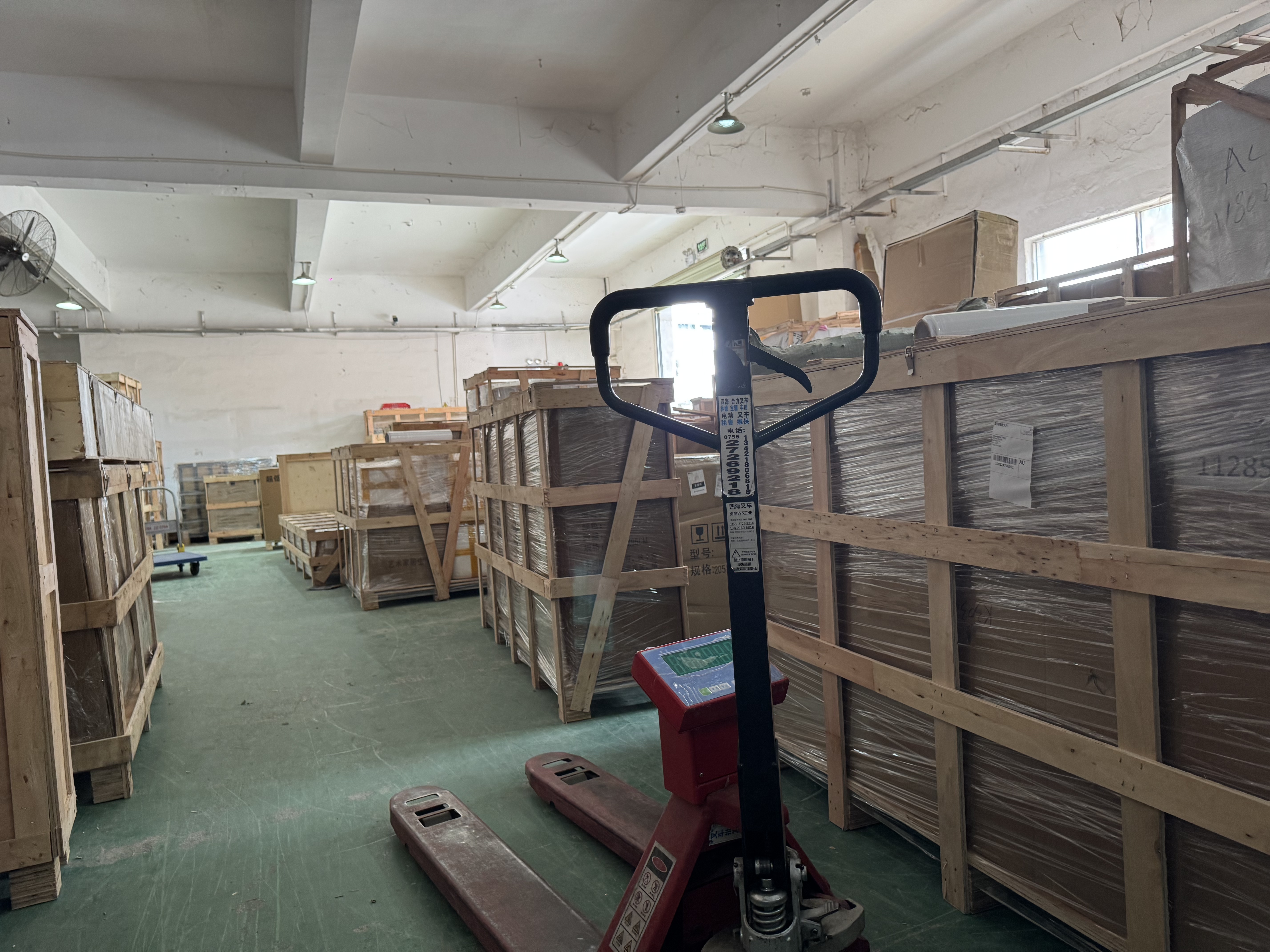
2. Shipping Method Selection
Problem: Choosing the wrong shipping method can be costly both in terms of time and money. For example, if you have a large amount of non - urgent household items and choose air freight, you'll end up spending a fortune. On the other hand, if you have some fragile and time - sensitive items and choose sea freight, they may get damaged during the long journey.Solution: Consider your specific needs carefully. Sea freight is generally more cost - effective for large - volume and non - urgent shipments. Air freight is better for small, urgent, and high - value items. Also, pay attention to the shipping schedule and transit time of different carriers.
3. Customs Duties and Taxes
Problem: Failing to estimate customs duties and taxes correctly can lead to unexpected costs at the destination. Some people assume that all their personal household items are duty - free, but in fact, there are limits and conditions.Solution: Consult with a customs expert to understand the applicable duties and taxes. You can also use online calculators provided by some logistics companies or the official CBSA website. Make sure to budget for these additional costs in advance.
4. Storage and Warehousing
Problem: If your household items arrive in Halifax before you are ready to receive them, finding proper storage can be a headache. Some storage facilities may charge high fees or have strict regulations.Solution: Arrange for storage in advance. Look for reliable and cost - effective storage options near the port or your destination. Some logistics companies, like Shengda International Logistics, offer free or low - cost short - term storage services as part of their package.
IV. Case Study: A Successful Household Move to Halifax
In 2026, a home goods seller in Shanghai was moving to Halifax for a new business opportunity. They had a large collection of home decor items, furniture, and kitchenware. At first, they were planning to handle the logistics themselves, but due to the complex 2026 regulations, they decided to hire a professional logistics provider, Shengda International Logistics.
Specific Scenario: They needed to move around 20 cubic meters of household goods, including several antique - style wooden cabinets and some high - end electronics.Problem Encountered: The client was worried about the strict customs inspection, especially for the wooden furniture. Also, they had a tight schedule and needed the goods to arrive in Halifax within a month.
Final Outcome: Shengda International Logistics took care of everything. They helped the client prepare accurate documentation, including the correct HS codes for each item. For the wooden cabinets, they arranged for proper fumigation and obtained the necessary phytosanitary certificates. They also chose an optimal shipping route and carrier, and the goods arrived in Halifax on time and without any customs issues.
V. FAQ
Q1: How long does it usually take for household goods to be cleared through customs in Halifax? A: It depends on various factors. Under normal circumstances, it may take around 3 - 7 business days. However, if there are issues with documentation or inspection, it could take longer. In 2026, due to the new eManifest system, there may be some additional time for verification, so it's better to prepare for a potential delay.
Q2: Can I move all my personal household items duty - free to Halifax? A: Not all items are duty - free. There are certain limits and conditions. Generally, used personal household items for your own use can be duty - free, but new items or items above a certain value may attract duties and taxes. It's best to consult a customs expert or the CBSA for specific details.
Q3: What if my household items are damaged during the shipping process? A: If you choose a reliable logistics provider, like Shengda International Logistics, they usually have a proper insurance and claim process. They'll assess the damage and provide compensation according to the terms of the insurance. Make sure to take photos of your items before shipping and report any damage immediately upon receiving them.
Q4: Do I need to be present at the port when my household goods arrive in Halifax? A: It's not necessary. You can authorize a customs broker or your logistics provider to handle the customs clearance and other formalities on your behalf. However, make sure they have all the necessary documentation and information to complete the process smoothly.
Q5: How can I ensure that my wooden furniture meets the Canadian phytosanitary requirements? A: You should work with a professional logistics company that has experience in handling wooden furniture. They can arrange for proper fumigation and help you obtain the phytosanitary certificate. It's important to ensure that the furniture is made of clean and untreated wood to avoid any issues with pests and diseases.
