

Introduction
Shipping goods to Ottawa by sea is a significant concern for many businesses and individuals. In 2026, this process is likely to undergo various changes influenced by policies, trade volumes, and technological advancements. Let's take a sneak - peek into what the scenarios might be like.
I. Policy Impact
China - Canada Shipping Policy
In 2026, China - Canada shipping policies are expected to be more streamlined. For instance, the Chinese government may continue to promote free trade initiatives, which could result in simplified customs procedures. According to industry forecasts, the average customs clearance time for sea - shipped goods from China to Ottawa could be reduced by up to 20% compared to previous years. This is a huge advantage for businesses looking to get their products to the Canadian market faster.On the Canadian side, there might be more incentives for green shipping. For example, ships that meet certain environmental standards could get preferential treatment in ports, such as lower docking fees. This would encourage shipping companies to invest in more eco - friendly vessels.
Canada - China Shipping Policy
Canada may introduce new import regulations to ensure product safety. For example, stricter inspections on food and electronic products could be in place. However, at the same time, to promote trade, the Canadian government might also expand the list of goods that can enjoy duty - free or low - duty treatment when shipped from China to Ottawa. This would be a great boon for Chinese exporters.II. Shipping Routes and Transit Time
Popular Routes Historically, the main sea - shipping routes from China to Ottawa involve transiting through major ports like Vancouver or Halifax. In 2026, we may see an increase in the use of the Northern Sea Route. Although it is still a challenging route due to ice conditions, technological advancements in ice - breaking ships and better weather forecasting could make it a more viable option. This route could potentially reduce the transit time from China to Ottawa by about 10 - 15 days compared to the traditional routes.Transit Time Variations The transit time for sea - shipped goods to Ottawa can vary depending on many factors. In 2026, with the improvement of shipping technology and better port management, the average transit time from major Chinese ports like Shanghai or Shenzhen to Ottawa is expected to be around 30 - 35 days. However, this could be affected by factors such as bad weather, port congestion, and labor strikes.
III. Cost Factors
Freight Rates Freight rates are a crucial factor in sea - shipping. In 2026, the freight rates from China to Ottawa are likely to be influenced by global economic conditions, fuel prices, and shipping demand. If the global economy is booming, the demand for shipping may increase, leading to higher freight rates. On the other hand, if there are new fuel - efficient ships in the market, it could help to stabilize or even reduce freight rates. According to some industry analysts, the average freight rate for a 20 - foot container from China to Ottawa could range from $2000 - $3000 in 2026.Additional Costs There are also additional costs such as insurance, customs duties, and port handling fees. In 2026, with the simplification of customs procedures, the customs duty assessment process may become more transparent. Insurance costs may be affected by the shipping route and the type of goods being shipped. For example, high - value electronics may require higher insurance premiums.
IV. Scenarios for Different Types of Goods
General Consumer Goods For general consumer goods like clothing, toys, and household items, the sea - shipping volume to Ottawa is likely to increase in 2026. With the growth of e - commerce, more Chinese retailers are looking to expand their market in Canada. These goods can be shipped in large quantities via container ships, and the efficiency of the shipping process will be crucial for retailers to meet customer demand in a timely manner.Fragile and High - Value Goods Fragile and high - value goods such as glassware, jewelry, and high - end electronics require special handling during sea - shipping. In 2026, we can expect more advanced packaging technologies and better cushioning materials to protect these goods. Shipping companies may also offer more comprehensive insurance options for these types of goods.
Perishable Goods Shipping perishable goods like fruits, vegetables, and seafood to Ottawa by sea is a challenging task. In 2026, with the development of refrigerated container technology, the transit time for perishable goods may be better managed. However, strict temperature and humidity control will still be required throughout the shipping process to ensure the quality of the goods.
V. The Role of Logistics Companies like Shengda International Logistics
Service Advantages Shengda International Logistics has a long - standing reputation in the shipping industry. In 2026, it will continue to play a vital role in shipping goods to Ottawa by sea. The company's vertical -专线深耕 strategy allows it to have in - depth knowledge of the China - Canada shipping policies and routes. For example, its team of experts can help customers navigate through the complex customs procedures, ensuring that goods are cleared smoothly and efficiently.Customized Solutions Shengda International Logistics can provide customized solutions for different types of goods. For businesses shipping large - scale furniture to Ottawa, the company offers special services such as cubic - based billing, which is more cost - effective than traditional kilogram - based billing. It also provides additional services like wooden frame reinforcement and multi - layer shock - proof protection for fragile goods.
VI. Frequently Asked Questions (FAQ)
What if my goods are damaged during sea - shipping to Ottawa in 2026? As an experienced logistics provider, Shengda International Logistics has a standardized damage and loss compensation mechanism. If your goods are damaged due to operational errors, we will provide standard compensation according to the value of the goods. Our long - standing experience in the industry and strict quality control during the shipping process minimize the risk of such incidents.Can I ship sensitive goods to Ottawa by sea in 2026? Yes, Shengda International Logistics has a dedicated compliance declaration channel for sensitive goods. We can ship items such as food, cosmetics, and charged products. Our in - depth understanding of the customs regulations in 2026 allows us to effectively avoid risks such as customs inspections and detention of goods.
How can I track my goods when they are being shipped to Ottawa by sea in 2026? We use a self - developed intelligent shipping system. In 2026, this system will continue to provide real - time updates on all aspects of the shipping process. You can easily check the status of your goods at any time, including storage, packing, shipping, delivery, and signing, to ensure that there are no false tracking information.
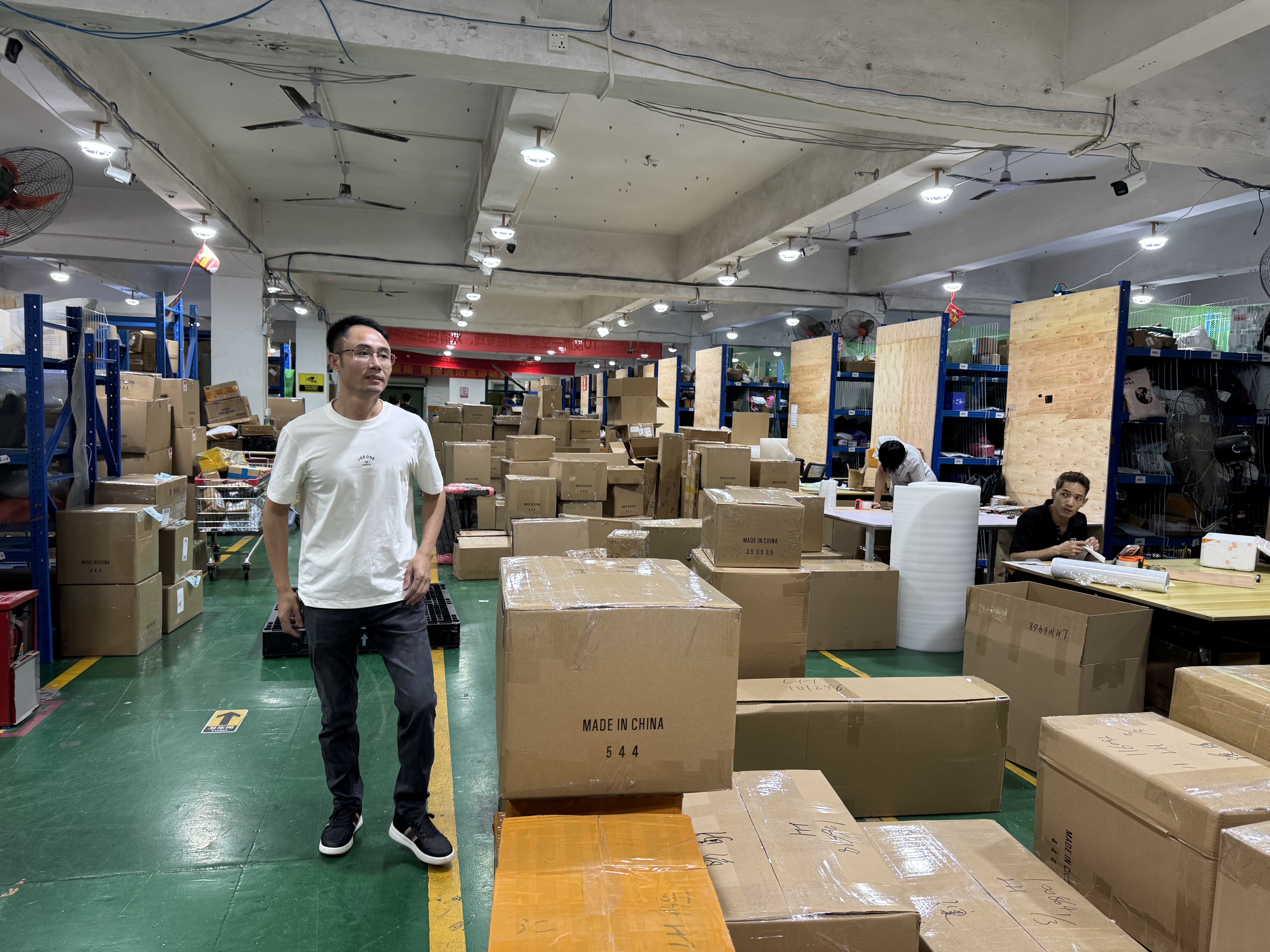
What are the advantages of using Shengda International Logistics for sea - shipping to Ottawa in 2026 compared to other companies? Unlike many other logistics companies, Shengda International Logistics focuses on specific international shipping routes, especially the China - Canada route. We have a professional team with over 10 years of experience in international shipping operations, and a 35,000 - square - meter self - operated warehouse in Shenzhen. Our services are more customized, cost - effective, and we can effectively avoid various cross - border shipping risks, providing you with a more reliable shipping experience.
Can I store my goods for a long time before shipping them to Ottawa by sea in 2026? Absolutely. Shengda International Logistics offers 365 - day long - term free storage service. In 2026, this service will still be available, allowing you to store your goods freely and wait for the most suitable time to ship them to Ottawa, which greatly improves the flexibility of your logistics plan.
What Will the Scenarios of Shipping Goods to Ottawa by Sea Be Like in 2026?
Shipping goods to Ottawa by sea is a dynamic process that will evolve significantly by 2026. The following sections will explore the various aspects of this shipping scenario, including policy impacts, route considerations, cost factors, and the role of logistics companies.
I. Policy Landscape
China - Canada Policy Changes
In 2026, the China - Canada trade relationship is expected to see continuous policy adjustments. For instance, China may introduce more incentives for exporters to promote trade, such as tax breaks or subsidies. On the Canadian side, there could be stricter environmental regulations for incoming ships. These regulations might require vessels to meet certain emission standards, which could impact shipping costs. According to industry reports, ships that do not comply with these standards may face fines up to 10% of their shipping fee.Moreover, customs procedures are likely to become more efficient. The two countries may enhance their information - sharing mechanisms, reducing the time it takes for goods to clear customs. This could potentially cut the overall shipping time from China to Ottawa by an average of 15%.
Canada - China Return Policies
On the return journey from Canada to China, there could be new measures regarding product safety and quality control. Canada may enforce more rigorous inspections on products being shipped back to China, especially for food and agricultural products. This is to protect the Chinese market from potential health and environmental risks.However, to balance trade, China might also introduce more lenient policies for importing certain Canadian goods. For example, there could be an expansion of the quota for Canadian lumber imports, which would benefit Canadian producers and the shipping industry between the two countries.
II. Shipping Routes
Traditional Routes
The traditional sea - shipping routes from China to Ottawa mainly pass through major ports like Vancouver and Halifax. In 2026, these routes will still be the most commonly used. The advantage of these routes is their well - established infrastructure and shipping schedules.For example, ships leaving from Shanghai and passing through Vancouver usually have a transit time of about 35 days. This time frame is relatively predictable, making it suitable for businesses with stable supply chains. However, these routes are also prone to congestion, especially during peak shipping seasons.
Emerging Routes
There is a possibility of emerging routes becoming more popular in 2026. The Northern Sea Route, although still challenging due to ice conditions, could see increased usage. With advancements in ice - breaking technology and better weather forecasting, the transit time through this route could be reduced by up to 20 days compared to traditional routes. This would be a significant advantage for shippers looking to cut costs and time.III. Cost Structure
Freight Rates Freight rates in 2026 will be influenced by multiple factors. Fuel prices are a major determinant. If global oil prices rise, shipping companies will likely increase their freight rates. On average, a 10% increase in fuel prices could lead to a 5 - 7% increase in freight rates for shipping from China to Ottawa.Supply and demand also play a crucial role. If there is a high demand for shipping space and a limited supply of available vessels, freight rates will go up. In contrast, during periods of low demand, shippers may enjoy more competitive rates.
Hidden Costs In addition to freight rates, there are hidden costs that shippers need to be aware of. These include port handling fees, customs duties, and insurance costs. Insurance costs can vary depending on the type of goods being shipped. For high - value electronics, insurance premiums can be as high as 3% of the goods' value.
IV. Shipping Different Types of Goods
General Merchandise General merchandise such as clothing, homeware, and consumer electronics will continue to be a significant part of sea - shipped goods to Ottawa in 2026. These goods are usually shipped in large containers. Shipping companies will focus on ensuring the safe and timely delivery of these goods.For example, clothing is often shipped in bulk, and proper packing is essential to prevent damage during transit. Shipping companies may use advanced packaging materials and techniques to protect the goods.
Fragile Goods Fragile goods like glassware and ceramic items require special handling. In 2026, shipping companies will likely invest more in shock - absorbing materials and custom - made packaging for these goods. For instance, they may use air - bubble wraps and foam inserts to protect the items during shipping.
Perishable Goods Shipping perishable goods such as fresh produce and seafood to Ottawa by sea is a complex task. In 2026, with the development of advanced refrigeration technology, the feasibility of shipping these goods by sea will increase. However, strict temperature and humidity control will still be necessary throughout the shipping process.
V. The Role of Shengda International Logistics
Expertise in China - Canada Shipping Shengda International Logistics is well - versed in the China - Canada shipping market. With its 40 - member team of experts, each having over 10 years of experience in international shipping operations, the company can navigate through the complex policies and regulations of both countries.For example, the company's in - depth knowledge of customs procedures allows it to ensure smooth customs clearance for goods shipped to Ottawa. This saves time and reduces the risk of goods being held up at customs.
Comprehensive Services Shengda International Logistics offers a wide range of services, including air freight, sea freight, and full - service packaging. For sea - shipping to Ottawa, the company provides one - stop services from pick - up at the Chinese factory to door - to - door delivery in Ottawa.
Its self - developed intelligent shipping system enables customers to track their goods in real - time. This transparency is highly valued by customers, as they can stay informed about the status of their shipments at all times.
VI. Frequently Asked Questions
How can Shengda International Logistics handle changes in China - Canada shipping policies in 2026? Our experienced team is constantly monitoring policy changes in both China and Canada. We have in - depth knowledge of the regulatory environment and can quickly adapt our shipping processes to comply with new policies. For example, if there are new environmental regulations for ships, we will ensure that our partner vessels meet the requirements.What if my goods are delayed during sea - shipping to Ottawa in 2026? We understand that delays can be a concern for our customers. In case of delays, we have a dedicated customer service team that will keep you informed about the situation. We will also work with shipping companies to minimize the delay time. If the delay is due to our negligence, we have a compensation policy in place.
Can Shengda International Logistics ship sensitive goods to Ottawa in 2026? Yes, we have a specialized channel for shipping sensitive goods. Our team is well - aware of the regulations regarding sensitive goods such as food, cosmetics, and electronics. We will ensure proper documentation and compliance to avoid any issues during customs clearance.
How does Shengda International Logistics ensure the safety of my goods during sea - shipping to Ottawa in 2026? We use high - quality packaging materials and follow strict packing procedures to protect your goods. Our warehouses are equipped with advanced security systems to prevent theft and damage. Additionally, we offer insurance options for your peace of mind.
What makes Shengda International Logistics different from other shipping companies in shipping goods to Ottawa in 2026? Our focus on the China - Canada route allows us to provide more tailored services. We have a strong understanding of the local market and can offer cost - effective solutions. Our self - developed intelligent system provides real - time tracking, and our experienced team ensures high - quality service throughout the shipping process.
