

Introduction
In 2026, shipping furniture from China to Canada is both a common and complex task for many small business owners, importers, and e - commerce sellers. I've been in the cross - border logistics industry for quite some time, and I've seen many cases where shippers faced unexpected problems. For example, a client once ordered a large batch of high - end wooden furniture from a Chinese factory. However, when the furniture arrived in Canada, there were issues with customs clearance and damage to the goods. This not only caused financial losses but also delayed business operations. So, in this article, I'll share some common pitfalls and how to avoid them.
I. Avoiding Customs - related Pitfalls
Incorrect HS Codes: The Harmonized System (HS) codes are crucial for customs clearance. Each type of furniture has a specific HS code, and using the wrong one can lead to delays or even fines. For instance, a shipper might misclassify a wooden dining table as a general wooden product, which has a different tax rate and customs requirements. I've had a client who underestimated the importance of accurate HS codes. Their shipment of antique - style wooden chairs was held up at customs because the provided HS code didn't match the actual product. It took them nearly two weeks and extra administrative fees to resolve the issue.Incomplete Documentation: You need to prepare a comprehensive set of documents for customs. This includes the commercial invoice, packing list, bill of lading, and certificate of origin. In 2026, with new regulations from the Canadian Border Services Agency (CBSA), incomplete documentation is even less tolerated. Once, a small business owner failed to include a detailed packing list that specified the exact quantity and dimensions of each piece of furniture. As a result, the shipment was stuck at the Port of Vancouver for about 10 days until the missing information was provided.
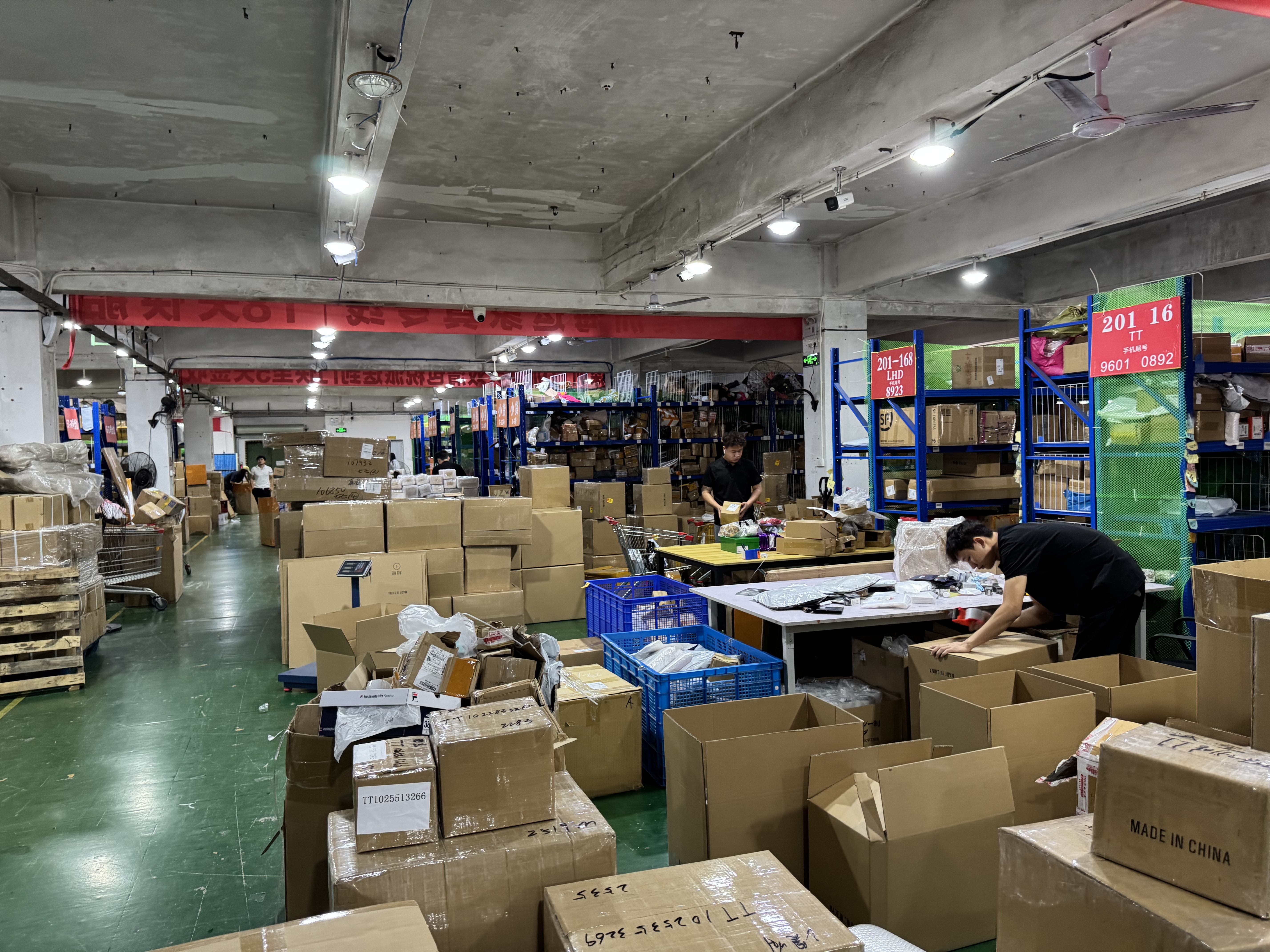
II. Preventing Shipping Damage
Inadequate Packaging: Furniture is often large and fragile, and proper packaging is crucial. Many shippers make the mistake of using sub - standard materials. For example, a home goods seller shipped a set of glass - topped coffee tables in simple cardboard boxes without enough cushioning. When the shipment arrived in Montreal, several of the glass tops were broken. A good practice is to use bubble wrap, foam, and wooden crates for extra protection.Improper Loading and Securing: During the loading process, furniture needs to be properly arranged and secured in the container. If not, it can shift during transit and get damaged. I once saw a shipment of wooden wardrobes where the items were just loosely stacked in the container. By the time the container reached Calgary, many of the wardrobes had dents and scratches due to the movement during the long - haul journey.
III. Avoiding Delays in Shipping
Peak Season and Capacity Constraints: In 2026, the shipping industry still experiences peak seasons, especially around holidays and major trade events. Booking your container too late can result in delays as there may be limited space available. A client who planned to ship a large order of bedroom furniture during the peak Christmas season found that most shipping lines were fully booked. They had to wait for nearly three weeks for an available container, which significantly affected their sales schedule.Weather and Natural Disasters: Weather conditions can also cause delays, especially in the winter when ports in Canada may face ice - related issues. For example, the Port of Vancouver can be affected by heavy snow and ice, which may slow down the unloading and loading processes. If you're shipping during the winter months, it's advisable to factor in potential weather - related delays and plan ahead.
IV. Selecting the Right Logistics Provider
Lack of Experience in Furniture Shipping: Some logistics providers may claim to offer all - round services, but they may not have specific experience in handling furniture shipments. I've had clients who chose a general logistics company without checking their expertise in furniture shipping. As a result, they faced problems such as improper handling, incorrect customs declarations, and longer transit times. A good logistics provider should have a track record of successfully shipping furniture, with knowledge of special requirements like wooden furniture fumigation.Hidden Costs: Many logistics providers hide costs in their contracts. From administrative fees to fuel surcharges, these can add up quickly. A small business owner once signed a contract with a logistics company without carefully reading the fine print. They were shocked to find that there were additional handling fees and storage charges that were not initially disclosed, which increased their shipping costs by about 15%.
FAQ
How to ensure the correct HS code for my furniture? Well, you can consult with a customs broker who has expertise in furniture. You can also refer to the official HS code database provided by the Canadian government. And it's always a good idea to double - check the code with your supplier in China, as they may have more experience in classifying similar products.What should I do if my furniture is damaged during shipping? First, document the damage thoroughly with photos and detailed descriptions. Then, contact your logistics provider immediately. If you have insurance, file a claim as soon as possible following the insurance company's procedures. A reliable logistics provider like Shengda International Logistics has a standard claim process and can assist you in getting compensation.
How early should I book my shipping container? If you're shipping during the peak season, it's best to book at least 6 - 8 weeks in advance. During off - peak seasons, 3 - 4 weeks should be sufficient. However, this can vary depending on the shipping line and the availability of containers.
How can I avoid hidden costs with a logistics provider? Read the contract carefully before signing. Ask the provider to list all possible costs, including handling fees, customs clearance fees, and any potential surcharges. A good provider like Shengda International Logistics offers a transparent pricing model, where all costs are clearly stated upfront.
What if my shipment is delayed due to customs issues? Stay in close contact with your customs broker and logistics provider. They can help you resolve the issues as quickly as possible. Sometimes, it may be necessary to provide additional documentation or clarify certain aspects of the shipment. Shengda International Logistics has a professional team that can handle customs issues efficiently to minimize delays.
In 2026, shipping furniture from China to Canada requires careful planning and attention to detail. By avoiding these common pitfalls, you can ensure a smooth and cost - effective shipping process for your business.
