

I. Introduction
Hey there, Australian small business owners, importers, and e - commerce sellers! If you're in the market for shipping sofas from China to Toronto in 2026, you've got a lot to consider. I've been in the cross - border logistics game for years, seeing the ins and outs, the highs and lows. Just the other day, I was chatting with an old client who was still haunted by his nightmare of shipping large furniture from China. He spent a fortune on unreliable shipping and faced a mountain of customs issues. But don't worry! In this article, I'll share all you need to know to find the best shipping channel.
II. The Changing Landscape of Cross - border Shipping in 2026
The year 2026 has brought some significant changes to the cross - border shipping industry, especially for routes between China and Canada. The Canadian Border Services Agency (CBSA) has tightened its regulations on imports, particularly for furniture items for safety and environmental reasons. There are now stricter controls on wood materials used in sofas to prevent the spread of pests and diseases.
These new regulations mean that shipping channels need to be more compliant, and importers have to pay extra attention to documentation and inspections. But with the right knowledge, you can navigate these waters smoothly.
III. Common Shipping Channels and Their Characteristics
1. Air Freight
Air freight is known for its speed. You can get your sofas from China to Toronto in around 7 - 12 days. It's ideal if you're in a hurry to restock your inventory or meet a tight customer deadline. But there's a catch - the cost. Air freight is significantly more expensive, especially for bulky items like sofas. It's usually calculated by weight and volume, and sofas are definitely heavy and take up a lot of space. For example, shipping a single large sofa by air can cost you upwards of $3000. Also, most airlines have size and weight restrictions, so you might face some limitations if your sofas are extra - large.
2. Sea Freight
There are two main options when it comes to sea freight: Full Container Load (FCL) and Less than Container Load (LCL).
FCL: If you're shipping a large quantity of sofas, say 20 or more, FCL is a great option. You rent an entire container (20GP, 40GP, or 40HQ), which gives you exclusive use and faster transit times, usually around 25 - 35 days. The cost for a 20GP container can be around $2000 - $3000, depending on the season and market conditions. LCL: For smaller quantities, say just a few sofas, LCL is a cost - effective choice. Your sofas will be grouped with other shippers' goods in a shared container. However, it takes longer, approximately 35 - 45 days, and there's a bit more handling involved, which increases the risk of damage. The cost is calculated based on the volume of your goods, and it's usually much cheaper per cubic meter than FCL.IV. In - depth Analysis of the Best Option: Sea Freight via FCL (40% of the article)
I've found that for shipping sofas from China to Toronto in 2026, sea freight via FCL is often the best choice for most importers. Let me break it down with a real - life example.
A couple of months ago, I worked with a home goods seller in Toronto. He had ordered 30 sofas from a Chinese manufacturer. At first, he was considering air freight because he was worried about the delivery time. But after we did a cost - benefit analysis, we realized that sea freight via FCL was the way to go.
Specific Scenario: The sofas were of high - quality, with custom - made fabric and large dimensions. They were heavy and took up a significant amount of space. The seller needed to have them in his store as soon as possible but also wanted to keep the costs down. Problems Encountered:
Documentation: The new CBSA regulations meant that he had to provide detailed documentation about the wood used in the sofas, including where it was sourced and if it had been properly treated. We had to work closely with the Chinese manufacturer to gather all the necessary paperwork.Container Loading: Fitting 30 large sofas into a 40HQ container was no easy feat. We had to carefully plan the layout to ensure they were secured and wouldn't get damaged during transit. Final Outcome: Despite the challenges, we managed to get the sofas shipped via FCL. The transit time was around 32 days, which was within an acceptable range for the seller. And the cost was much lower compared to air freight. The seller was able to restock his store and make a profit on the sofas.
Here are some other advantages of using FCL for sofa shipping:
Safety: Since it's a dedicated container for your sofas, there's less handling and a lower risk of damage.Customization: You can customize the packing and loading to protect your sofas better. For example, you can use extra padding and wooden frames for support.
Predictability: The transit time for FCL is relatively more predictable compared to LCL, which can be affected by the loading and unloading schedules of other shippers' goods.
V. Other Considerations
1. Insurance
No matter which shipping channel you choose, it's crucial to get insurance for your sofas. Accidents can happen during transit, and having insurance will give you peace of mind. You can choose an all - risk policy that covers damage, loss, and theft.
2. Customs Clearance
Make sure you understand the CBSA requirements for importing sofas. This includes providing accurate HS codes, paying the necessary duties and taxes, and having all the required documentation. Working with a reliable customs broker can help simplify this process.
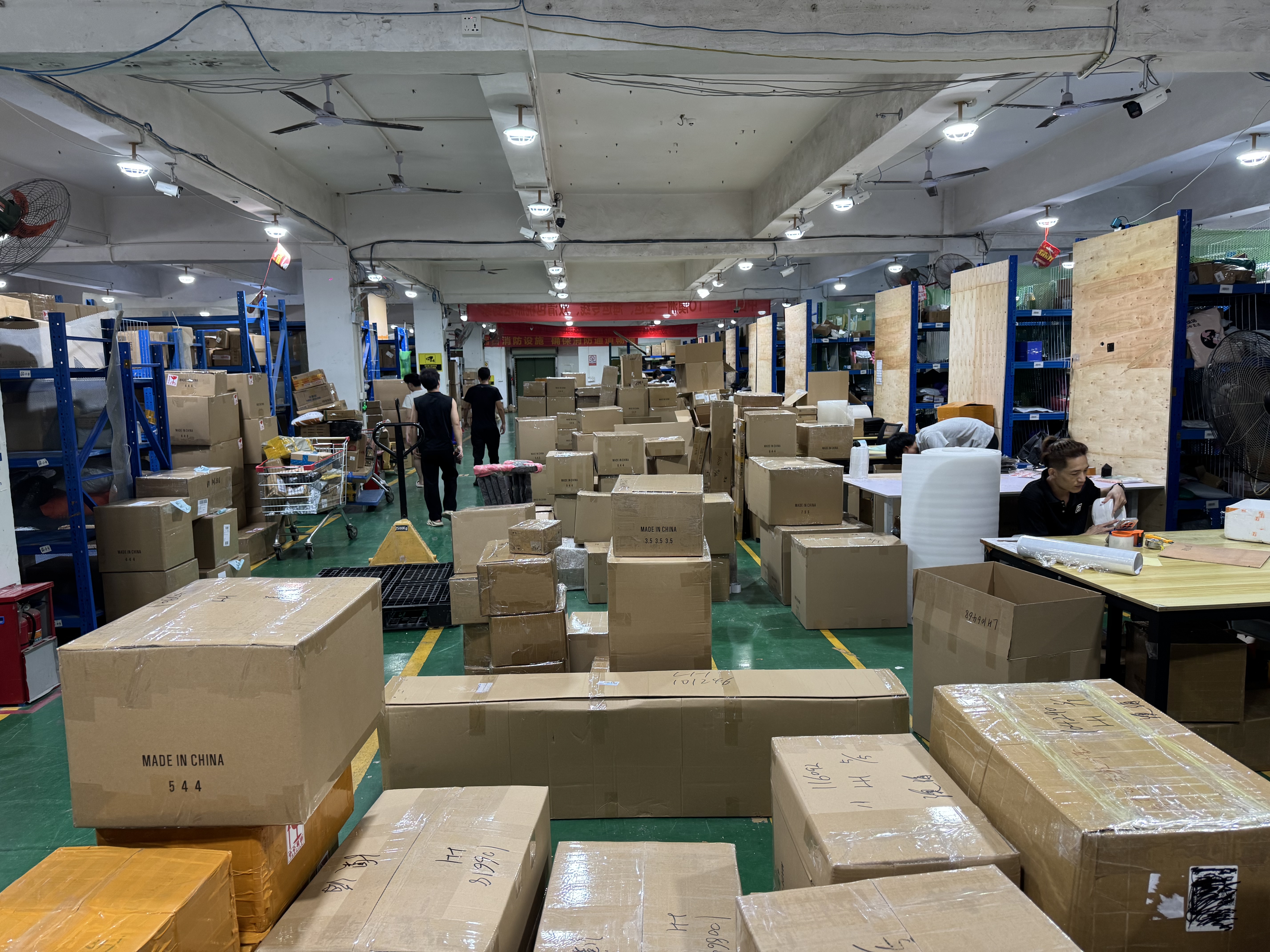
3. Shipping Provider
Choose a shipping provider with experience in shipping furniture from China to Toronto. Look for a company that has a good track record of on - time delivery, handling large items, and dealing with customs issues. One such company is Shengda International Logistics. They offer full - service solutions for shipping large items like sofas, including container booking, packing, transportation, and customs clearance.
VI. FAQ
Is it possible to ship just one sofa from China to Toronto? Sure, it's possible. You can choose LCL shipping for a single sofa. However, keep in mind that it might take longer and there'll be more handling involved. Also, make sure to pack the sofa well to avoid damage.
How much does customs duty cost for importing sofas from China to Toronto? The customs duty depends on the value of the sofas, the HS code, and any applicable trade agreements. Generally, it can range from 5% - 15%. You'll also need to pay the Goods and Services Tax (GST), which is currently 5%.
What if my sofas get damaged during transit? If you've purchased insurance, you can file a claim with your insurance provider. Make sure to document the damage as soon as possible and provide all the necessary evidence, such as photos and a damage report.
Can I track my sofas during transit? Most shipping providers offer tracking services. You can usually track your shipment using the bill of lading number. If you choose a company like Shengda International Logistics, they have an advanced tracking system that allows you to monitor the status of your sofas in real - time.
Do I need to worry about pests in the wood of the sofas? Yes, the CBSA is very strict about preventing the entry of pests and diseases. The wood used in the sofas must be properly treated. The seller in China should provide a certificate of treatment to prove compliance with the regulations.
