

I. Introduction
Shipping personal luggage from China to Australia can be a real headache for many Australian small business owners, importers, and e - commerce sellers. I've seen countless clients struggle with this process, facing issues like high costs, long delivery times, and unexpected customs problems. In 2026, with the new policies from the Australian Border Force (ABF), the situation has become even more complex. But don't worry! I'm here to share my hands - on experience and guide you through the best ways to ship your personal luggage.
II. Shipping Methods
1. Air Freight
Air freight is known for its speed. It's a great option if you're in a hurry to get your luggage. I once had a client, an apparel importer in Sydney, who needed a new collection of clothing samples for an upcoming fashion show. They chose air freight, and the luggage arrived in just about 7 - 12 days. The advantage of air freight is that it has a relatively low risk of damage and offers better tracking. However, it's quite expensive. The cost can be around 3 - 5 times higher than sea freight, depending on the weight and volume of your luggage.
2. Sea Freight
Sea freight is more cost - effective, especially for larger volumes of luggage. There are two main types: Full Container Load (FCL) and Less than Container Load (LCL).
FCL: If you have a large amount of luggage that can fill a whole container, FCL is a good choice. For example, a trade factory in Melbourne that was relocating some of its equipment and personal items for its staff used FCL. They got better control over the shipping process, and the cost per unit was lower. But you need enough goods to fill the container, usually 20GP, 40GP, or 40HQ.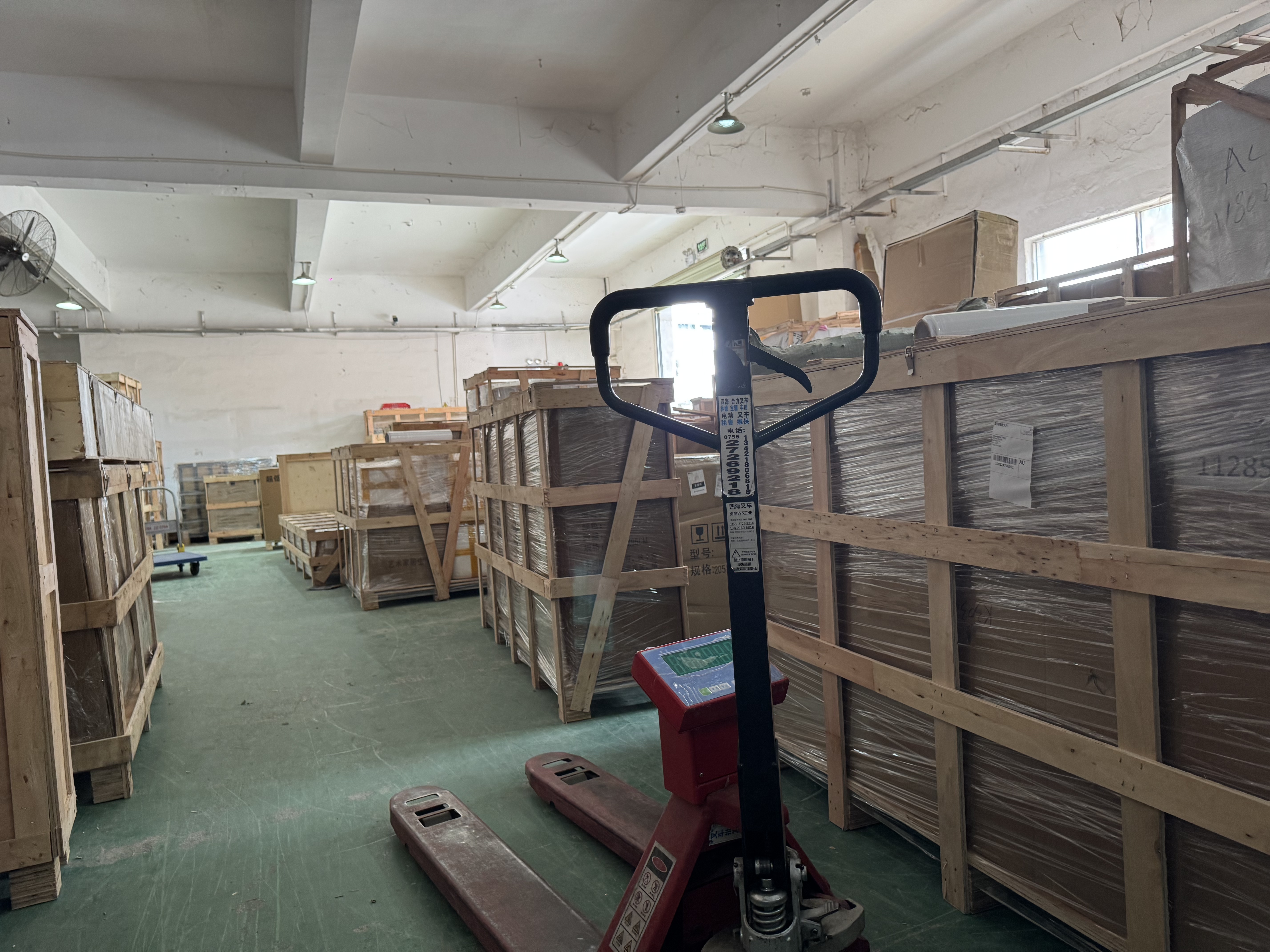
III. Key Considerations in 2026
1. New ABF Policies
The 2026 ABF policies have tightened the regulations on biosecurity and customs clearance. For instance, they've increased the inspection of items that may carry pests or diseases. If you're shipping wooden items, they need to be properly treated and have the necessary certificates. I had a client who shipped some wooden furniture from China to Port Botany without proper treatment, and the goods were detained for a week, causing a lot of inconvenience.
2. Incoterms 2020
It's crucial to understand Incoterms 2020 when shipping. For example, if you choose DDP (Delivered Duty Paid), the seller is responsible for all costs and risks until the goods are delivered to your specified location in Australia. On the other hand, if you select FOB (Free on Board), you'll be responsible for the shipping costs from the port in China. Make sure to negotiate the right Incoterms with your supplier to avoid unexpected costs.
IV. Choosing the Right Shipping Provider
1. Experience and Reputation
Look for a shipping provider with experience in shipping from China to Australia. A company like Shengda International Logistics has been operating for a long time and has a good reputation. They know the ins and outs of the shipping process, including customs clearance and local regulations. I've seen many clients who benefited from using experienced providers, as they can handle various problems smoothly.
2. Services Offered
A good shipping provider should offer a range of services. For example, Shengda International Logistics provides free增值配套服务 such as full - platform package collection, in - warehouse inspection and photography, free unpacking and repackaging, and 365 - day long - term free storage. These services can save you a lot of time and money.
V. FAQ
Q: How can I reduce the shipping cost? A: You can choose sea freight instead of air freight if time is not a critical factor. Also, try to consolidate your luggage to fill a container or use LCL more efficiently. And negotiate the right Incoterms with your supplier to avoid unnecessary costs.Q: What should I do if my luggage is detained by customs? A: First, contact your shipping provider immediately. They usually have experience in dealing with customs issues. Provide all the necessary documents, such as the invoice, packing list, and certificates. If it's due to biosecurity issues, you may need to arrange for proper treatment of the goods.
Q: Can I ship sensitive items? A: Some sensitive items can be shipped through special channels. For example, Shengda International Logistics has a sensitive goods compliance专线. But you need to make sure the items are compliant with Australian regulations and declare them accurately.
Q: How long does it usually take for the luggage to arrive in Australia? A: It depends on the shipping method. Air freight usually takes about 7 - 12 days, while sea freight can take 25 - 35 days for LCL and around the same or slightly less for FCL, depending on the route and port congestion.
Q: Is it safe to ship my personal luggage? A: Most shipping providers take measures to ensure the safety of your luggage. However, there are still some risks, such as damage or loss. Choose a reliable provider with good insurance options and a proper handling process. For example, Shengda International Logistics has a standardized damage and loss claim mechanism to protect your interests.
In 2026, shipping personal luggage from China to Australia has its challenges, but with the right knowledge and the right shipping partner, you can navigate the process smoothly and save both time and money.
