

I. Introduction
Hey there, Australian small business owners, importers, and e - commerce sellers! In 2026, the shipping landscape has some new twists, especially when it comes to parcel consolidation for shipping from China to Australia. I've been in the cross - border logistics game for years, and I've seen many getting tripped up by the process. For instance, a 3C electronics seller from Sydney once contacted me, frustrated because their parcel consolidation went wrong, leading to delayed shipments and extra costs. So, let's dive into how you can properly consolidate parcels for your Australia shipping needs.
II. An Overview of 2026 Policies Affecting Parcel Consolidation
The Australian Border Force (ABF) and the Department of Agriculture, Fisheries and Forestry (DAFF) have put in place new protocols this year. There's a greater emphasis on biosecurity, and goods are subject to more rigorous inspections. For example, items with natural materials like wooden products or leather goods need proper documentation to prove they meet the biosecurity standards. Any misdeclaration or incorrect labeling can result in hefty fines or even the seizure of your goods.
III. The Benefits of Parcel Consolidation
Cost Savings: By consolidating multiple small parcels into one larger shipment, you can significantly reduce shipping costs. Shipping rates are often based on volume and weight, and a single large shipment usually has a better per - unit cost.Easier Management: It simplifies the shipping process. You have fewer parcels to track, manage customs paperwork for, and organize for delivery. One big shipment means one set of documents, making it far less cumbersome.
Reduced Risk of Loss or Damage: Fewer individual parcels mean a lower chance of something going missing or getting damaged during transit. A well - consolidated shipment is more secure and less likely to encounter issues.
IV. In - Depth Guide to Parcel Consolidation (40% of the Article)
Selecting the Right Consolidation Service Provider Look for a company with experience in Australia - bound shipments. I remember a home goods seller from Brisbane who chose a novice provider. They ended up with goods stuck at customs because the provider didn't understand the correct HS codes. A good provider, like Shengda International Logistics, has a team of experts who are well - versed in the 2026 regulations.Check their track record in handling similar products. If you're an apparel importer, you want a provider that knows how to handle textiles, including any special requirements for labels and care instructions.
Ensure they offer transparent pricing. Hidden fees can quickly eat into your savings. Shengda International Logistics, for example, has an all - inclusive pricing model, so you know exactly what you're paying for.
Pre - Consolidation Preparation Inventory Check: Before sending anything for consolidation, do a thorough inventory of your items. Note down the quantity, weight, and dimensions of each product. This not only helps with accurate documentation but also gives you a clear idea of how much space your shipment will take.
Product Inspection: Ensure all your products are in good condition. For 3C electronics, check for any visible damage, test the functionality, and make sure all accessories are included. Damaged items can cause problems during customs clearance and may even be rejected.
Documentation Gathering: Gather all the necessary documents. This includes commercial invoices, packing lists, and certificates of origin. The commercial invoice should clearly state the value of each item, the description, and the quantity. Incorrect or incomplete documentation is one of the most common reasons for customs delays.
The Consolidation Process Warehousing: Once your parcels reach the consolidation warehouse, they are stored in an organized manner. The warehouse staff will measure and weigh each parcel again to ensure accuracy. They'll also check for any signs of damage that might have occurred during transit to the warehouse.
Sorting and Grouping: Parcels are sorted based on various factors, such as the destination in Australia, the product type, and the shipping method. For example, all parcels destined for Melbourne might be grouped together, and goods that require special handling, like fragile items, are kept separate.
Packing: The consolidation provider will then repack the parcels into a single, larger shipment. They'll use appropriate packing materials to ensure the safety of your goods during transit. For example, they might use foam inserts for electronics or bubble wrap for fragile home goods.
V. Common Pitfalls and How to Avoid Them
Under - declaration of Value: Some businesses try to under - declare the value of their goods to save on customs duties. However, this is a risky move. If caught by the ABF, you'll face fines and possible legal action. Always declare the true value of your goods.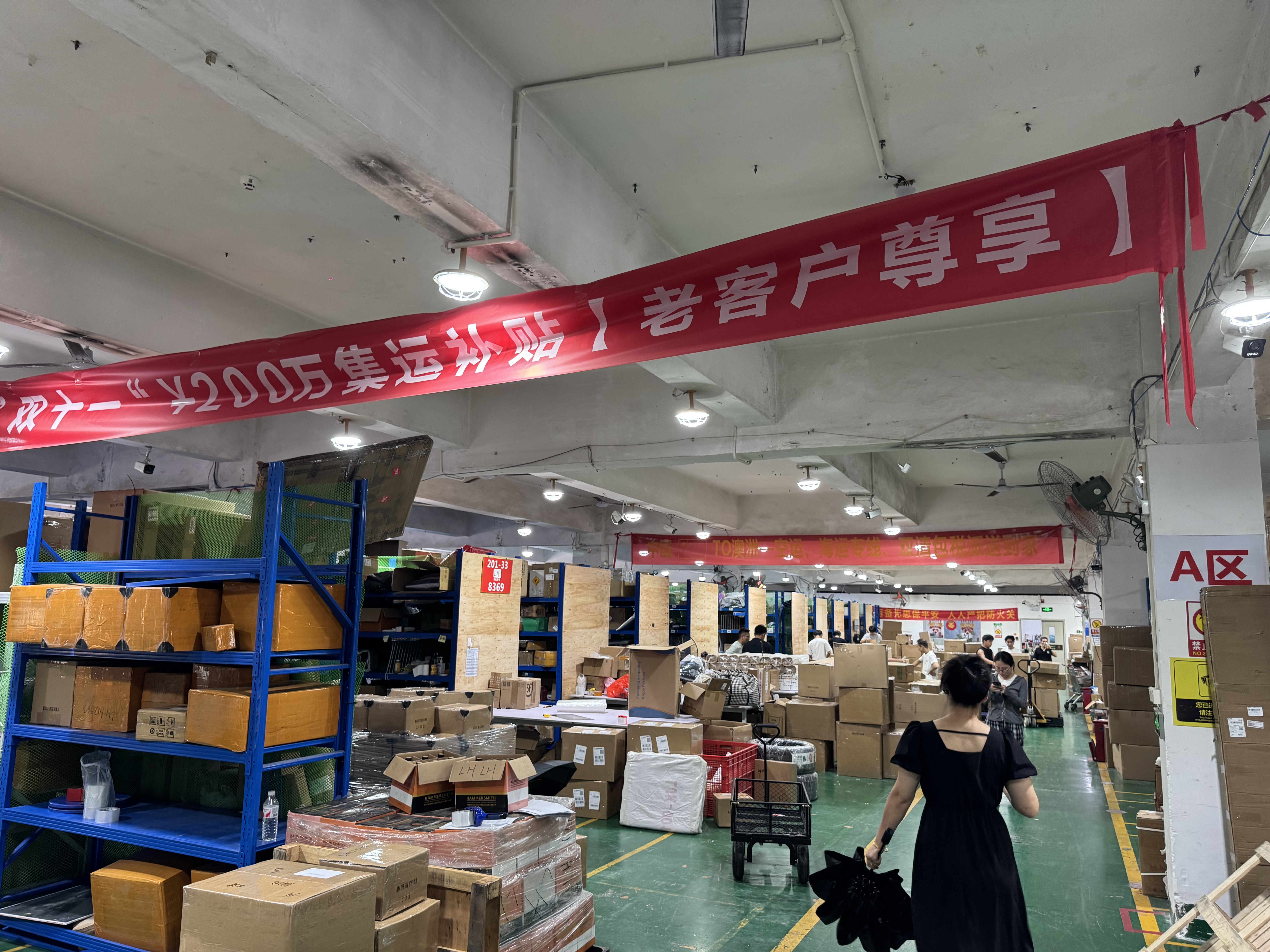
Ignoring Biosecurity Requirements: As mentioned earlier, 2026 has stricter biosecurity rules. Don't assume that just because your product is small or seems harmless, it won't be subject to inspection. Make sure all products comply with DAFF regulations.
Poor Packaging: If your goods aren't packed properly, they're more likely to get damaged during transit. Work with your consolidation provider to ensure they use high - quality packing materials and appropriate techniques.
VI. FAQ
Q: How long does the parcel consolidation process usually take? A: It depends on several factors. Generally, it takes around 2 - 3 days from the time your parcels reach the consolidation warehouse. However, if there are issues with documentation or product inspections, it could take longer.Q: Can I consolidate different types of products in one shipment? A: Yes, you can. But it's important to make sure that all products meet the shipping and customs requirements. For example, if you're consolidating food items with electronics, the food items need to comply with the food safety and biosecurity regulations of Australia.
Q: What if my goods are damaged during the consolidation process? A: Reputable consolidation providers, like Shengda International Logistics, have a proper insurance and claims process. If your goods are damaged due to the provider's negligence, you can file a claim and get compensation based on their policy.
Q: How do I choose the right shipping method after consolidation? A: Consider factors like the urgency of your shipment, the value of your goods, and the cost. Air freight is faster but more expensive, while sea freight is more cost - effective but slower. For time - sensitive 3C electronics, air freight might be a better option, while for bulky home goods, sea freight could be more suitable.
Q: Do I need to be present during the consolidation process? A: No, you don't. Once you've sent your parcels to the consolidation provider and provided all the necessary documentation, they'll handle the rest. However, it's a good idea to stay in touch with them for updates on the progress of your shipment.
So, there you have it! By following these tips, you can ensure a smooth and cost - effective parcel consolidation process for your Australia shipping in 2026. Always stay informed about the latest regulations and work with a reliable service provider to avoid any headaches. Happy shipping!
