

What Will Be the Scenarios for Australian Cross - border Logistics Companies in 2026?
In the dynamic world of cross - border logistics, the year 2026 holds a lot of promise and challenges for Australian cross - border logistics companies. As we look ahead, the landscape is being reshaped by various factors, including policy changes in the China - Australia and Australia - China transport routes, technological advancements, and evolving customer demands.
I. Policy - driven Changes in China - Australia and Australia - China Routes
Tariffs and Trade Agreements In 2026, it's anticipated that the China - Australia Free Trade Agreement (ChAFTA) will continue to have a significant impact. Since its implementation, ChAFTA has gradually reduced tariffs on a wide range of goods. For example, Australian agricultural products like beef and wine have seen a substantial increase in exports to China due to lower tariffs. In 2026, we expect a further streamlining of customs procedures, which will reduce the time and cost of cross - border transportation. According to industry reports, a reduction of just 1% in trade costs can lead to a 0.5% increase in trade volume. This means that Australian cross - border logistics companies can expect to handle more goods flowing between the two countries.Regulatory Requirements The regulatory environment for the China - Australia and Australia - China transport routes is likely to become more standardized. In 2026, there may be stricter regulations on product safety and environmental protection. For instance, Australian exporters of electronic goods to China may need to meet more stringent Chinese environmental standards. This will require logistics companies to be more involved in pre - shipment inspections and compliance management. A logistics company like Shengda International Logistics, with its in - house compliance team, can help Australian exporters navigate these regulatory hurdles more efficiently.
II. Technological Advancements
Automation and Robotics By 2026, automation and robotics are expected to play a more prominent role in Australian cross - border logistics. In warehouses, robots can be used for tasks such as picking, packing, and sorting. This not only improves efficiency but also reduces labor costs. For example, a large Australian logistics company has already started using automated guided vehicles (AGVs) in its warehouses, which has increased the speed of order fulfillment by 30%. In addition, robots can work around the clock, ensuring a continuous flow of goods.Blockchain Technology Blockchain technology has the potential to revolutionize cross - border logistics. In 2026, it can be used to create a more transparent and secure supply chain. For example, all parties involved in the China - Australia trade, including suppliers, manufacturers, logistics providers, and customs officials, can have access to a shared blockchain ledger. This will help in reducing fraud, improving traceability, and speeding up the customs clearance process. Shengda International Logistics can leverage blockchain technology to provide its Australian clients with real - time information about their shipments, from the point of origin to the final destination.
III. Changing Customer Demands
E - commerce Growth The e - commerce market between China and Australia is expected to continue growing in 2026. Chinese consumers are increasingly interested in Australian products such as health supplements, beauty products, and baby food. This has led to a surge in small - parcel cross - border logistics. Australian logistics companies need to adapt to this trend by offering more flexible and cost - effective solutions for small - parcel shipments. Shengda International Logistics'空运专线(小件极速通道)(air freight express for small packages) is well - suited to meet this demand, with a fast delivery time of 7 - 12 days and the ability to handle some sensitive goods.Sustainable Logistics Consumers are becoming more environmentally conscious, and this trend is likely to impact cross - border logistics in 2026. Australian companies will be expected to adopt more sustainable practices, such as using electric vehicles for last - mile delivery or optimizing routes to reduce fuel consumption. For example, a major Australian logistics company has already started using electric trucks for local deliveries in some urban areas. Shengda International Logistics can promote its commitment to sustainability by highlighting its efforts to reduce carbon emissions in its operations.
IV. Competition in the Market
Domestic and International Competitors In 2026, Australian cross - border logistics companies will face intense competition from both domestic and international players. Domestic competitors may have a better understanding of the local market and customer needs, while international players may have more advanced technology and a wider global network. For example, some large international logistics companies have established a strong presence in Australia, offering a comprehensive range of services at competitive prices. Shengda International Logistics can differentiate itself by its focus on specific cross - border routes, such as the China - Australia route, and its ability to provide customized solutions for different customer scenarios.Price and Service Quality In a highly competitive market, price and service quality will be key differentiators. Australian logistics companies need to find a balance between offering competitive prices and maintaining high - quality services. For example, some companies may offer lower prices but compromise on delivery times or customer service. Shengda International Logistics, with its transparent pricing and high - quality service, can attract more customers. Its一站式免费增值服务(one - stop free value - added services), including package collection, inspection, and repackaging, can add significant value to its customers.
V. Industry FAQs
Q: How can I ensure my goods comply with Chinese regulations when shipping from Australia to China in 2026? A: As an experienced logistics provider, Shengda International Logistics has a team of experts who are well - versed in Chinese regulations. We can help you with pre - shipment inspections, documentation preparation, and compliance management. We stay updated on the latest regulatory changes to ensure your goods can pass through customs smoothly.Q: What is the estimated delivery time for small - parcel shipments from Australia to China in 2026? A: With our 空运专线(小件极速通道), we expect to maintain a delivery time of 7 - 12 days. This is because we use direct flights and have a streamlined customs clearance process. Our in - house logistics system also allows for real - time tracking of your package.
Q: Can Shengda International Logistics handle large - scale shipments, such as furniture from Australia to China in 2026? A: Absolutely. Our 大件家具/全屋搬家海运(service for large - scale furniture and whole - house moving by sea) is designed to handle large and heavy items. We offer services like实木熏蒸(wood fumigation) and 木架加固(wooden frame reinforcement) to ensure the safety of your furniture during transportation.
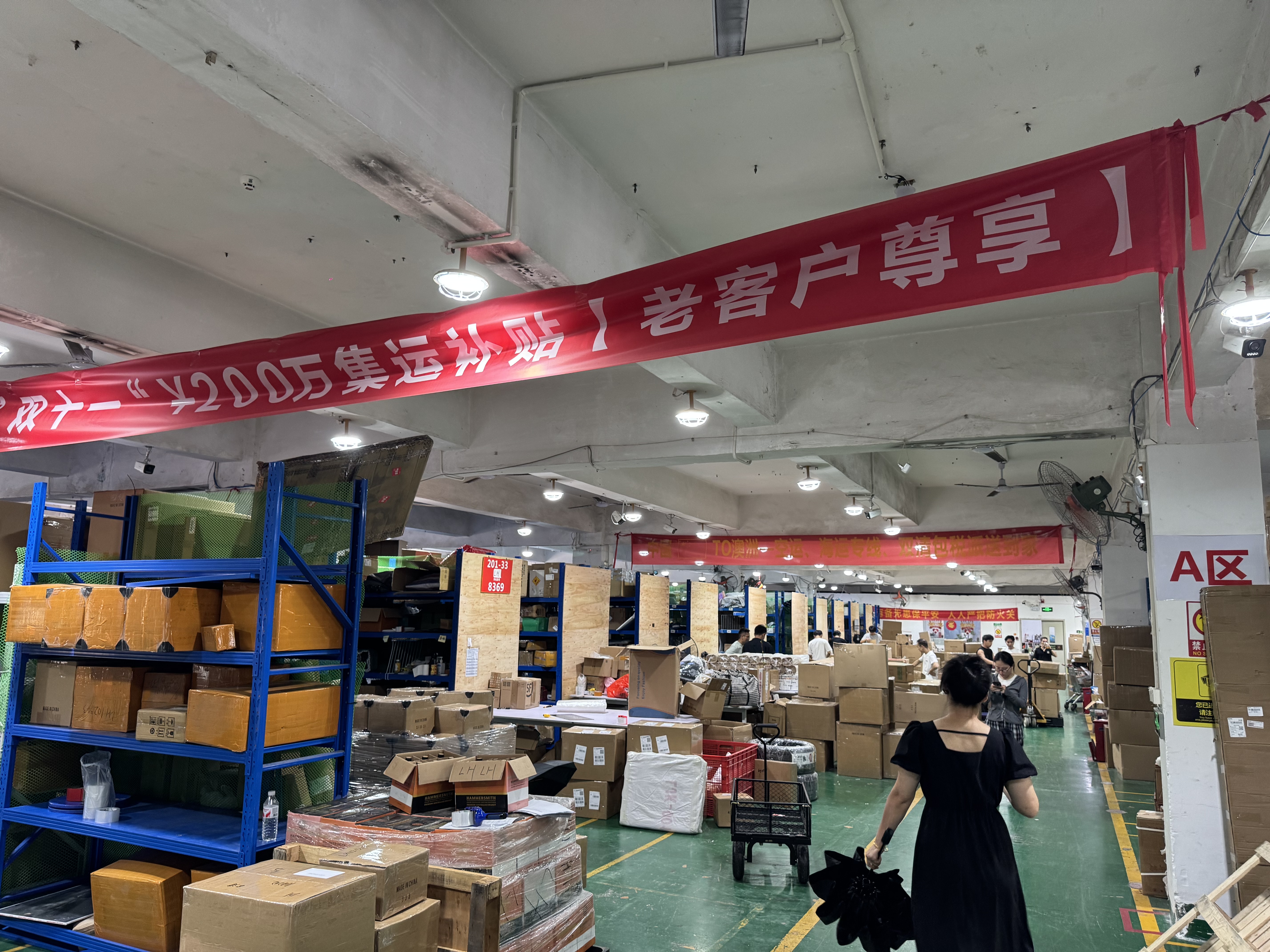
Q: How does Shengda International Logistics ensure the security of my goods during cross - border transportation? A: We have a 35000 - square - meter园区标准化自营实操仓库(standardized self - operated warehouse in the industrial park) in Shenzhen. All our operations are carried out in - house, with no outsourcing. This reduces the risk of package loss, damage, or misplacement. In addition, we have a strict security system in place to protect your goods.
Q: What are the advantages of using Shengda International Logistics for cross - border logistics between China and Australia in 2026? A: We focus on the China - Australia route, which means we have in - depth knowledge of the local customs policies and market conditions. Our services are highly customizable to meet different customer needs, whether you are an individual sending a small parcel or a business shipping large - scale goods. We also offer a range of free value - added services and have a reliable after - sales service system.
In conclusion, the scenarios for Australian cross - border logistics companies in 2026 are full of opportunities and challenges. By adapting to policy changes, leveraging technological advancements, meeting changing customer demands, and competing effectively in the market, these companies can thrive in the cross - border logistics industry. Shengda International Logistics, with its unique advantages, is well - positioned to be a leading player in the China - Australia cross - border logistics market.
