

I. Introduction
Shipping furniture from China to Toronto can be a complex process, filled with various challenges and opportunities. As someone with years of hands - on experience in cross - border logistics between China and Canada, I've seen firsthand the issues that businesses and individuals face. In 2026, there have been several policy changes and industry updates that are crucial for anyone planning to ship furniture from China to Toronto.
I remember a home goods seller in 2024 who wanted to ship a large batch of furniture from China to Toronto. They didn't pay enough attention to the customs regulations and ended up having their shipment held at the port for weeks. This cost them a significant amount of money and time, not to mention the loss of potential business.
II. Policy and Regulation Updates in 2026
Customs and Tax Regulations In 2026, the Canadian Border Services Agency (CBSA) has tightened the rules regarding the valuation of imported furniture. They now require more detailed documentation about the cost of production, shipping, and any associated fees. For example, if you're shipping a set of wooden chairs, you'll need to provide invoices for the wood, labor, and any finishing touches.The Harmonized System (HS) codes for furniture have also been updated. It's essential to use the correct HS code when declaring your shipment. Incorrect codes can lead to delays and additional fees. For instance, a sofa might fall under a different HS code than a coffee table, and misclassification can cause problems.
Environmental and Safety Regulations There are new environmental regulations related to the materials used in furniture. For example, if the furniture contains certain types of chemicals or non - sustainable wood, it may be subject to additional inspections or even prohibited from entry.
Safety standards for furniture, such as fire - retardancy and stability, have been enhanced. You need to ensure that the furniture you're shipping meets these Canadian standards.
III. Shipping Options and Considerations (40% of the text)
Ocean Freight Full Container Load (FCL) This is a great option if you're shipping a large quantity of furniture. You can rent an entire container, which gives you more control over your shipment. For example, a trade factory shipping a large order of dining sets to a retailer in Toronto might choose FCL.The process involves packing the furniture into a container at the factory in China, transporting it to the port, and then shipping it to the Port of Vancouver or the Port of Montreal. From there, it will be transported to Toronto.
One of the advantages of FCL is that it reduces the risk of damage to the furniture as it's not mixed with other shipments. However, it can be more expensive, especially if you don't have enough furniture to fill a container.
Less than Container Load (LCL) If you're shipping a smaller quantity of furniture, LCL is a more cost - effective option. Your furniture will be combined with other shipments in a container.
The process is a bit more complex. Your furniture will be taken to a consolidation warehouse in China, where it will be grouped with other goods. Then it will be shipped to Canada.
The main drawback of LCL is that it takes longer, and there's a higher risk of damage or misplacement as the furniture is handled more frequently.
Air Freight Air freight is the fastest option for shipping furniture from China to Toronto. It's suitable for high - value or time - sensitive furniture. For example, a 3C electronics seller shipping a limited - edition, high - end furniture piece with integrated technology might choose air freight.
However, it's also the most expensive option. The cost of air freight is usually calculated based on the weight and volume of the shipment.
Another consideration is the size and weight restrictions. Airlines have strict limits on the size and weight of individual pieces, so you may need to disassemble large furniture items.
IV. Packaging and Preparation
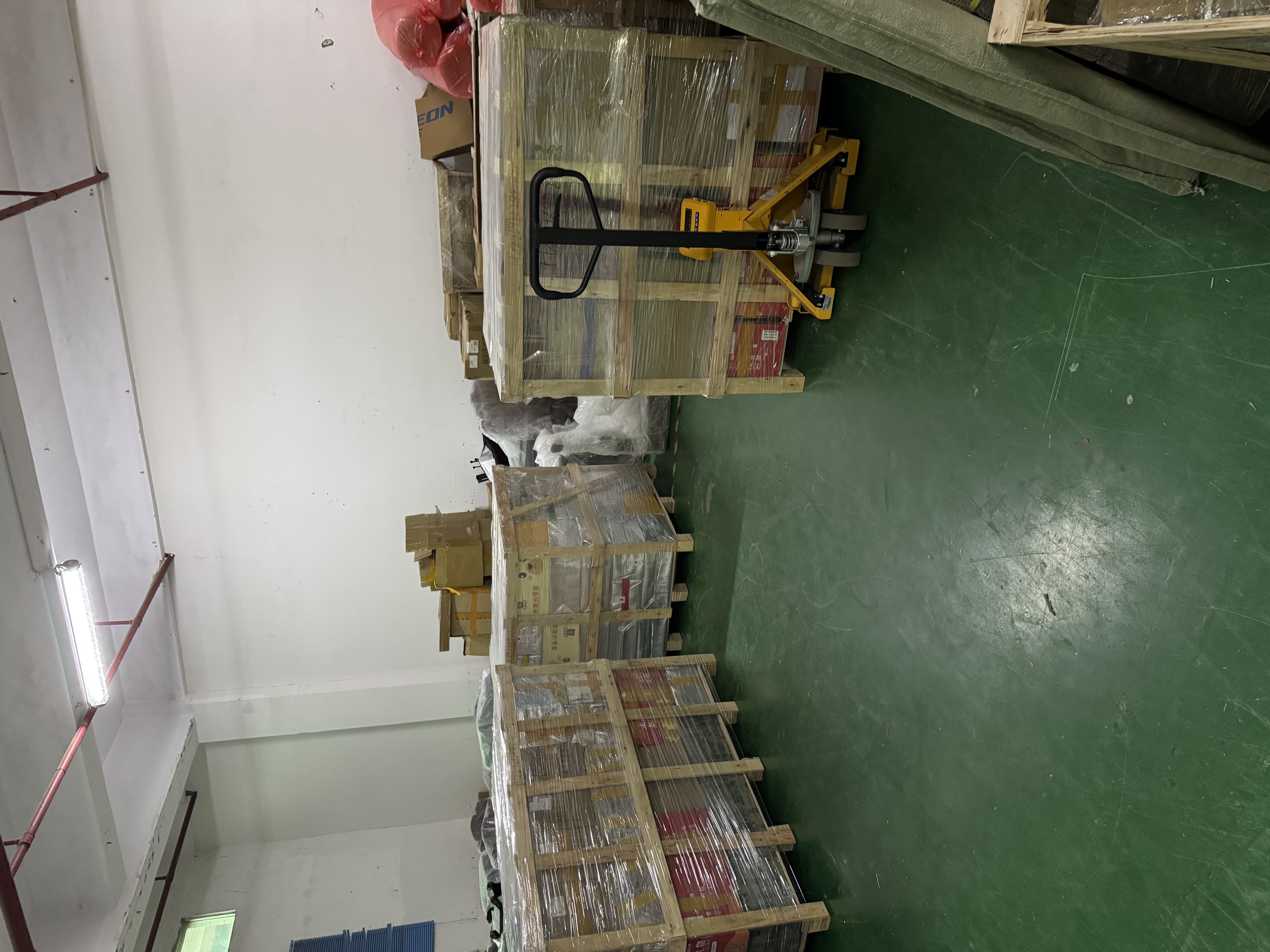
Packaging Materials Use high - quality packaging materials to protect the furniture during transit. For wooden furniture, you can use bubble wrap, foam, and wooden crates. For example, a set of antique chairs should be wrapped in bubble wrap and then placed in a wooden crate with additional padding.For glass or fragile parts, use special shock - absorbing materials.
Disassembly and Labeling If possible, disassemble large furniture items to reduce their size and make them easier to handle. Label each part clearly with the corresponding furniture piece and its position. This will make it easier to reassemble the furniture in Toronto.
V. Documentation and Paperwork
Commercial Invoice This is a crucial document that provides details about the shipment, including the description of the furniture, quantity, value, and the names and addresses of the buyer and seller.Bill of Lading It serves as a contract between the shipper and the carrier. It contains information about the shipment, such as the origin, destination, and the terms of transportation.
Certificate of Origin This document indicates where the furniture was produced. It can be important for customs clearance and may affect the applicable tariffs.
VI. FAQ
Do I need to pay customs duties on furniture shipped from China to Toronto in 2026? Yes, you generally do. The amount of customs duties depends on the value of the furniture, its HS code, and any applicable trade agreements. Make sure to check the CBSA website for the most accurate information.
Can I ship furniture with some electronics integrated into it? It's possible, but you need to follow the regulations for both furniture and electronics. You may need to provide additional documentation about the electronics, such as safety certificates.
What should I do if my furniture is damaged during transit? First, take photos of the damage as soon as you receive the furniture. Then, contact your shipping provider. Most reliable shipping companies, like [Company Name], have a claims process for damaged goods.
Is it better to use a freight forwarder or ship directly? Using a freight forwarder can be beneficial as they have more experience and knowledge of the shipping process. They can handle the paperwork, customs clearance, and shipping arrangements for you. However, if you have a lot of experience in international shipping, you may choose to ship directly.
